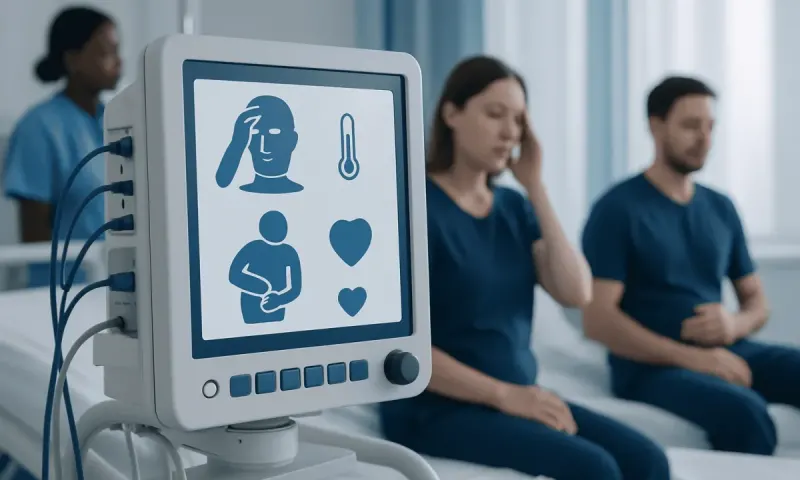
Headache After Massage: Possible Causes and Care
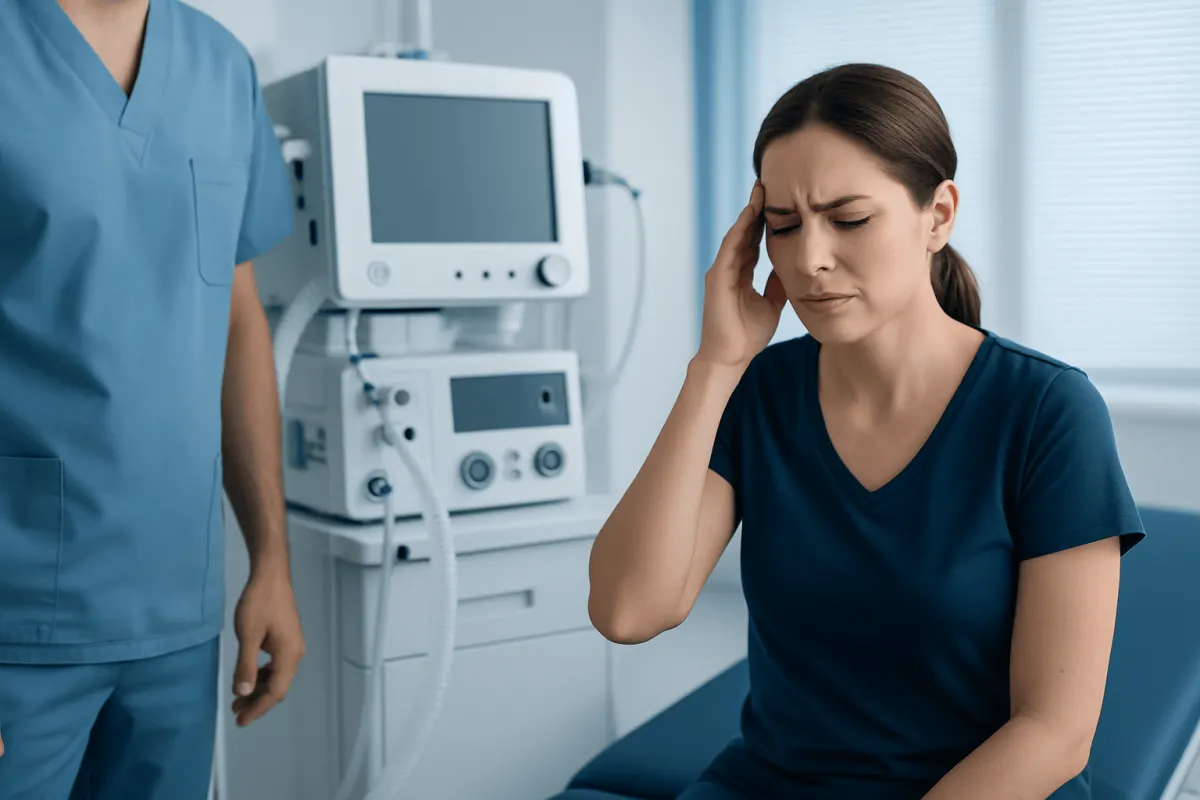
A headache after massage is often mild and short-lived, commonly related to pressure on tense muscles, changes in posture, dehydration, or a pre-existing headache tendency. It is not usually a sign that toxins are being released, but persistent, severe, or unusual symptoms should be assessed by a healthcare professional.
Overview: Why a Headache May Happen After Massage
A headache after massage can occur during a session, shortly afterward, or later that day. In many cases, it is temporary and reflects sensitivity in the muscles and joints of the neck, shoulders, jaw, or scalp. A massage can also coincide with common headache influences such as not drinking enough fluids, missing a meal, fatigue, stress, caffeine changes, or poor sleep.
Massage does not “flush toxins” from the body, and a headache should not be viewed as necessary evidence that a treatment is working. Instead, symptoms may result from pressure that is too intense, a position that strains the neck, or stimulation of tissues that are already tender. People with migraine or tension-type headache may be more likely to notice an attack around a massage session.
A mild headache that settles within several hours is usually not concerning. However, a new, very severe, persistent, or recurrent headache deserves medical attention, especially when it occurs with neurological changes or follows forceful neck manipulation.
What a Post-Massage Headache Can Feel Like
The pattern of pain can offer useful clues, although it cannot confirm a diagnosis on its own. A pressure-like ache across the forehead, temples, or back of the head may fit with tension in the neck and scalp muscles. Pain beginning at the base of the skull and spreading upward can be associated with irritation or tightness around the upper neck.
Some people develop a migraine-like headache after massage. This may be throbbing, often on one side of the head, and may occur with nausea, sensitivity to light or sound, or a need to rest in a quiet room. Strong scents, bright lights, heat, pressure, and changes to the usual routine can all trigger migraine in susceptible individuals.
Other symptoms may include neck stiffness, shoulder soreness, tiredness, or mild dizziness related to lying down and then standing up. These symptoms should be brief and improve rather than steadily worsen. New weakness, numbness, difficulty speaking, fainting, vision loss, or trouble walking are not typical post-massage effects and need urgent assessment.
Common Causes and Contributing Factors
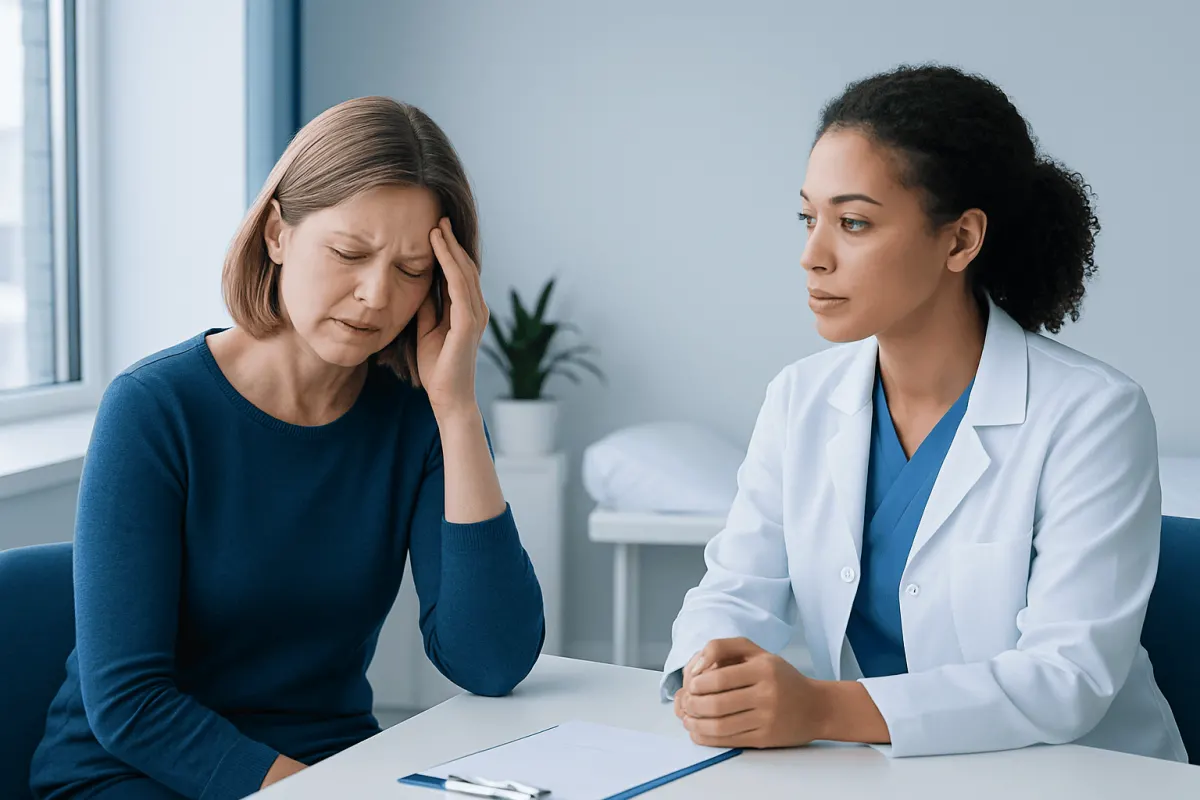
Deep or prolonged pressure on tight muscles can temporarily increase soreness and may refer pain into the head. This is particularly relevant to the upper trapezius, muscles at the base of the skull, jaw muscles, and areas around the shoulder blades. If pressure causes sharp pain or makes the headache build during treatment, it is appropriate to ask the therapist to reduce pressure or stop.
Positioning matters as well. Lying face down with the neck turned or extended for a prolonged period may strain sensitive structures, particularly in people with neck pain, arthritis, recent injury, or limited mobility. A face cradle that is not adjusted comfortably, or holding tension in the jaw while lying down, may add to the problem.
Everyday factors can make a headache more likely around an appointment. These include dehydration, fasting, alcohol use, heat exposure, anxiety, inadequate sleep, and abrupt caffeine withdrawal. A massage may be the timing trigger rather than the sole cause. It can be helpful to consider the full day’s routine rather than assuming massage alone is responsible.
For people with frequent tension-type headaches, migraine, jaw clenching, or ongoing neck pain, massage may sometimes relieve symptoms and at other times trigger them. The response depends on technique, pressure, timing, and the individual’s usual triggers. A clinician can help evaluate recurring symptoms, including migraine or other headache conditions.
Related Conditions That May Be Involved
Tension-type headache is a common cause of a dull, tight, band-like head pain. It can be associated with stress, prolonged screen use, poor posture, and tender neck or shoulder muscles. Massage may be helpful for some people when it is gentle and part of a broader plan that addresses movement, sleep, stress, and ergonomics.
Cervicogenic headache refers to head pain that originates from structures in the neck. It may be triggered by neck movement or sustained posture and is often accompanied by reduced neck range of motion. Assessment by a clinician or physiotherapist may be useful when headaches repeatedly start in the neck or occur alongside persistent neck pain.
Temporomandibular joint and jaw-muscle problems can also contribute to temple pain, facial pain, and headache. People who clench or grind their teeth may be especially sensitive to pressure around the jaw, temples, and upper neck. Dental or medical assessment may be appropriate when there is jaw clicking, pain with chewing, restricted opening, or regular morning headaches.
Rarely, a headache after a neck-focused treatment may relate to a more serious condition. The risk is especially important to consider after high-velocity neck manipulation rather than a routine relaxation massage. New severe neck pain or headache with neurological symptoms requires emergency medical evaluation.
What to Do If a Headache Develops After Massage
For a mild headache without warning signs, resting in a quiet, dim room and drinking water may help. Eating a balanced snack can be useful if the person has skipped a meal. A cool or warm compress may provide comfort, depending on which approach feels better. It is sensible to avoid alcohol and strenuous exercise until symptoms improve.
Over-the-counter pain medicine may be suitable for some adults when used according to the product instructions, but it is important to consider individual health conditions, allergies, pregnancy, and other medicines. A pharmacist or doctor can advise when there is uncertainty. Frequent use of pain medicines can itself contribute to medication-overuse headaches.
It is usually best not to schedule another deep massage while pain is ongoing. Before a future appointment, the person can explain what happened and request lighter pressure, shorter work on the neck and scalp, neutral neck positioning, and breaks when needed. A qualified massage therapist should welcome feedback and stop any technique that causes pain or unusual symptoms.
- Drink fluids and have regular meals before and after the session.
- Choose a comfortable position that keeps the neck supported and neutral.
- Ask for gradual, moderate pressure rather than painful deep pressure.
- Keep a note of timing, symptoms, foods, sleep, stress, and other possible headache triggers.
Preventing Headaches With Future Massage Sessions
Prevention starts with a clear conversation before the massage. The person should tell the therapist about migraine, recurrent headaches, neck conditions, recent injuries, dizziness, jaw pain, blood-thinning medicines, and any symptoms that are currently active. A therapist can then adapt the session, avoid aggravating areas, and use a more gradual technique.
Scheduling can also make a difference. It may be preferable to avoid massage after a night of poor sleep, during an active migraine, when dehydrated, or after prolonged heat exposure. Maintaining usual caffeine intake, eating regularly, and arriving a little early to settle into a relaxed position may reduce avoidable triggers.
For recurring neck-related symptoms, a healthcare professional may recommend assessment and a personalized rehabilitation plan. Physical therapy can address posture, movement, muscle endurance, and strategies for managing neck pain safely. Massage can sometimes be one supportive element, but it should not replace evaluation of persistent or worsening headaches.
When to Seek Medical Care
Medical advice is recommended if headaches keep occurring after massages, last longer than expected, become more intense, or interfere with daily activities. A doctor can review the headache pattern, medical history, medicines, neck symptoms, and possible migraine features. This helps identify whether further testing or specialist care is needed.
Urgent medical care is needed for a sudden, extremely severe headache; a headache after an injury; or head pain with confusion, fainting, seizures, fever and stiff neck, weakness, numbness, facial drooping, speech difficulty, new loss of balance, or changes in vision. These symptoms can have causes unrelated to massage and should not be managed at home.
People should also seek prompt assessment for a new headache after forceful neck manipulation, especially if there is severe neck pain, dizziness, double vision, or neurological symptoms. Acıbadem Health Point’s multidisciplinary specialists and JCI-accredited hospitals can assess headache and neck-related concerns for international patients when evaluation is needed.
Frequently asked questions
01Is it normal to have a headache after a massage?
A mild, short-lived headache can occur after massage and is often related to muscle sensitivity, neck positioning, dehydration, or a personal tendency to headaches. It should improve with rest and basic self-care. A severe, unusual, or persistent headache should be discussed with a doctor.
02Can deep tissue massage cause a headache?
Deep pressure on tender neck, shoulder, scalp, or jaw muscles can contribute to head pain in some people. Pressure should not be intensely painful, and it is appropriate to ask the therapist to reduce intensity or avoid a sensitive area. A gentler technique may be better for people who are prone to headaches.
03How long should a headache after massage last?
A mild headache often improves within a few hours and should generally be getting better, not worse. If it persists into the next day, repeatedly happens after massage, or is accompanied by concerning symptoms, medical advice is appropriate. Individual timing varies depending on the underlying cause.
04Can massage trigger a migraine?
Massage can trigger migraine in some people, particularly if it involves strong pressure, scent exposure, heat, neck discomfort, or a disruption to usual meals, sleep, or caffeine habits. Others find gentle massage relaxing and helpful. Keeping a symptom diary may help identify whether massage is a consistent trigger.
05Should a person drink more water after a massage?
Staying normally hydrated before and after a massage is sensible, especially if the person has been active or in a warm environment. Drinking water does not remove toxins released by massage, because the body’s organs handle normal waste removal. It may still help reduce dehydration as a contributing headache trigger.
06When is a headache after massage an emergency?
Emergency assessment is needed for a sudden severe headache, or headache with weakness, numbness, speech problems, confusion, fainting, seizures, fever with stiff neck, significant vision changes, or difficulty walking. Urgent evaluation is also important after forceful neck manipulation when severe neck pain or neurological symptoms develop. These signs are not typical effects of an ordinary massage.
This article is for general information only and is not a substitute for professional medical advice. Please consult a qualified doctor about your individual situation.
Hair transplant in Turkey — costs, graft counts & a free assessment
JCI-accredited · board-certified surgeons · reply within 24h
Add us as a Preferred Source to see more of our trusted health content across Google Search, AI Overviews and Discover.