Bad Cramps With No Period: Possible Causes
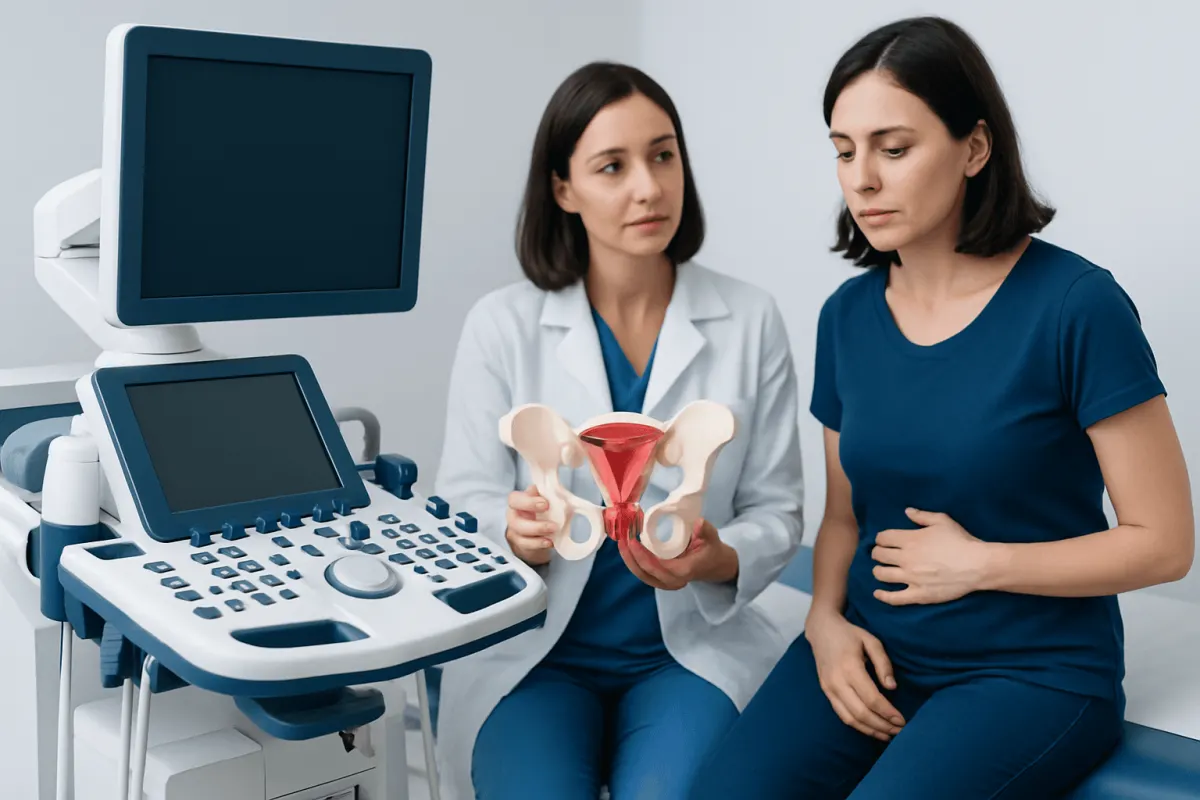
Bad cramps without a period are common and often temporary, but they can also occur with pregnancy, hormonal changes, digestive or urinary problems, or gynecologic conditions. The pattern, severity, timing, and accompanying symptoms help a clinician identify the cause and decide whether testing is needed.
Overview: Why Bad Cramps Can Happen Without a Period
Bad cramps with no period means pain or tightening in the lower abdomen or pelvis when menstrual bleeding has not started. Although it may feel like a period is about to begin, cramping does not always come from menstruation. Temporary changes around ovulation, stress-related cycle delays, early pregnancy, bowel or bladder conditions, and gynecologic concerns can all cause similar discomfort.
If pregnancy is possible, taking a home pregnancy test is an appropriate first step, even if contraception was used. A negative result may need repeating after several days if a period remains absent or the test was taken early. Severe pain, heavy bleeding, fainting, shoulder pain, fever, or vomiting should not be managed at home and requires urgent medical attention.
The location and character of pain matter. Central, dull, wave-like cramps may occur with uterine contractions or digestive symptoms, while pain mainly on one side can sometimes be linked with ovulation, an ovarian cyst, or another pelvic condition. A healthcare professional can assess the full picture rather than relying on symptoms alone.
How the Menstrual Cycle and Pelvic Organs Can Cause Cramping
Menstrual cramps occur when the uterus contracts to shed its lining. However, hormone levels fluctuate throughout the cycle, and the uterus and ovaries can be sensitive to these changes before bleeding starts. A late period may therefore be accompanied by familiar cramp-like sensations for several days.
Some people experience ovulation pain, also called mittelschmerz, around the middle of the cycle. It is often brief, mild to moderate, and felt on one side of the lower abdomen, although it can occasionally be more uncomfortable. Ovulation timing varies between cycles, so it can be mistaken for an approaching period.
The pelvis also contains the bladder, bowel, muscles, nerves, and connective tissues. Constipation, gas, urinary irritation, muscle strain, or pelvic floor tension can feel very similar to period cramps. Tracking whether symptoms change with meals, bowel movements, urination, exercise, or sexual activity can provide useful clues.
Possible Causes of Cramps but No Period
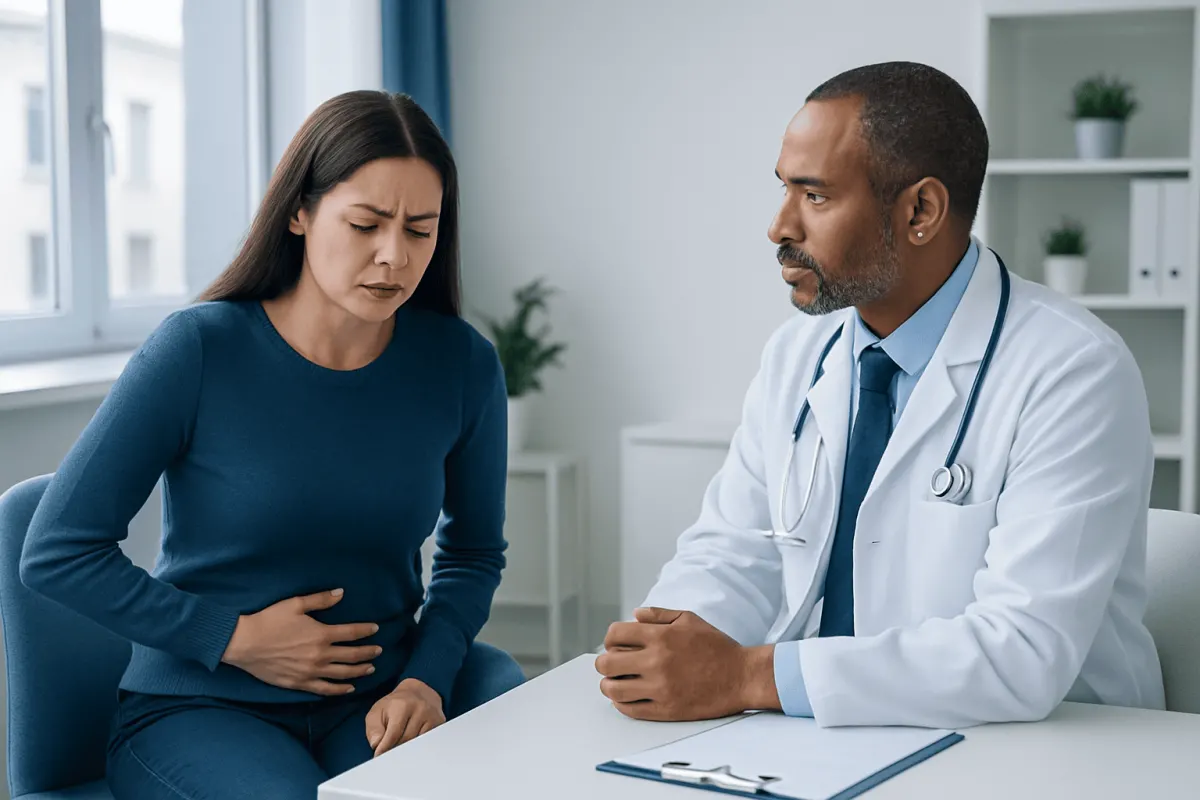
A delayed period is commonly related to normal cycle variation, emotional stress, acute illness, major changes in sleep, weight changes, intensive exercise, travel, or stopping or starting hormonal contraception. These factors can delay ovulation, which then delays the next menstrual period. Cramping may happen as hormonal activity continues despite the delayed bleeding.
Pregnancy can cause mild cramping, particularly early on, as the uterus begins to change. However, pain in pregnancy deserves careful attention because an ectopic pregnancy, in which a pregnancy develops outside the uterus, can become serious. One-sided pain, dizziness, fainting, shoulder-tip pain, vaginal bleeding, or worsening pain alongside a positive pregnancy test needs urgent evaluation.
Gynecologic conditions may also contribute. Examples include ovarian cysts, uterine fibroids, pelvic inflammatory disease, and endometriosis. Endometriosis can cause pelvic pain at different times of the cycle, not only during bleeding, and may be associated with pain during sex, bowel movements, or urination. Polycystic ovary syndrome can lead to irregular or absent periods, although cramps are not its defining feature.
Non-gynecologic causes should also be considered. Constipation, irritable bowel syndrome, urinary tract infection, kidney stones, appendicitis, and other abdominal conditions can produce lower abdominal or pelvic pain. The right diagnosis depends on the symptoms, examination findings, pregnancy status, and, when appropriate, testing.
Symptoms That Help Distinguish the Cause
Noting the timing and associated symptoms can help a clinician narrow the possibilities. Cramping that occurs about halfway between periods and resolves within a day or two may fit ovulation pain. Cramps after a missed period, breast tenderness, nausea, tiredness, or increased urination may occur in early pregnancy, but symptoms alone cannot confirm pregnancy.
Symptoms such as unusual vaginal discharge, fever, pain during sex, burning with urination, or pelvic tenderness can suggest an infection and should be assessed. Pain that is clearly related to constipation, diarrhea, bloating, or relief after a bowel movement may point toward a digestive cause, although persistent or severe symptoms still require evaluation.
It is useful to record the first day of the last menstrual period, usual cycle length, intensity and location of pain, bleeding or discharge, contraception, recent medication changes, and pregnancy-test results. This information can make a medical appointment more efficient and help identify patterns over time.
- Seek particular attention for new pain after menopause, because bleeding or pelvic pain at this stage should be evaluated.
- Make note of pain that disrupts sleep, work, school, exercise, or everyday activities.
- Report a family history of endometriosis, ovarian cysts, fibroids, or reproductive cancers when relevant.
How Doctors Diagnose Pelvic Cramps Without Bleeding
Assessment begins with a medical history and discussion of the menstrual cycle, sexual health, contraception, medications, previous pregnancies, and other symptoms. A clinician may ask about the location of pain, whether it is constant or intermittent, and factors that worsen or relieve it. These details help determine whether the concern is likely gynecologic, urinary, digestive, or musculoskeletal.
A urine or blood pregnancy test is commonly recommended if pregnancy is possible. Depending on symptoms, testing may also include urine testing for infection, blood tests, screening for sexually transmitted infections, or tests that evaluate hormone-related causes of irregular periods.
A pelvic examination may be recommended when appropriate and with the patient’s consent. Pelvic ultrasound is often used to view the uterus and ovaries and can identify findings such as ovarian cysts or fibroids. It may not detect every cause of pelvic pain, including all cases of endometriosis, so results are interpreted alongside the history and examination.
Treatment Options and Symptom Relief
Treatment depends on the underlying cause rather than the cramping alone. When delayed periods are linked to temporary lifestyle changes or a normal variation in ovulation, reassurance, symptom monitoring, and follow-up may be all that is needed. For hormonal irregularity, a clinician may discuss options that regulate cycles or address a related endocrine condition.
For short-term mild cramps, rest, gentle movement, a warm pack on the lower abdomen, hydration, and regular meals may help. Some people can use over-the-counter pain relief, but the safest choice depends on medical history, allergies, kidney or stomach conditions, current medicines, and possible pregnancy. A pharmacist or doctor can provide individualized advice, especially if pregnancy has not been ruled out.
Infections require targeted treatment, while ovarian cysts, fibroids, and endometriosis may need monitoring, medication, procedures, or surgery depending on the diagnosis and severity. For patients with confirmed endometriosis or complex pelvic pain, care may include endometriosis treatment planned around symptoms, fertility goals, and overall health.
Acıbadem Health Point’s multidisciplinary specialists and JCI-accredited hospitals evaluate pelvic symptoms and provide diagnosis and treatment planning for Myomectomy Recovery for International Patients: The Usual Travel Timeline" class="ahp-ilk">international patients. The appropriate approach should always follow an individual clinical assessment.
Prevention and Practical Self-Care
Not every episode of cramping or cycle delay can be prevented, but consistent menstrual tracking can make changes easier to recognize. A calendar, app, or written record can include periods, pain days, bleeding level, medications, stress, exercise, sleep, and digestive or urinary symptoms. This record is particularly helpful when symptoms recur.
Regular meals, sufficient fluids, sleep, and manageable physical activity may support overall wellbeing and menstrual regularity. Avoiding extreme dietary restriction or sudden changes in exercise intensity may also reduce cycle disruption for some people. These habits do not replace assessment when pain is severe, new, or persistent.
Condoms reduce the risk of many sexually transmitted infections, and timely testing is important when exposure is possible. People using hormonal contraception should speak with a clinician before stopping or changing it because irregular bleeding, missed periods, and cramping can occur during transitions.
When to Seek Medical Care
Urgent medical care is needed for sudden severe pelvic or abdominal pain, pain with fainting or significant dizziness, shoulder-tip pain, trouble breathing, high fever, persistent vomiting, or heavy vaginal bleeding. These symptoms can have several causes, including conditions that need immediate treatment. A positive pregnancy test combined with pelvic pain or bleeding should be assessed urgently.
A non-urgent appointment is appropriate when cramps are recurrent, worsening, last more than a few days, interfere with usual activities, or occur with a missed period that does not resolve. Medical review is also advised for irregular periods that continue over several cycles, pain during sex, unusual discharge, urinary symptoms, or difficulty becoming pregnant.
It is reasonable to take a pregnancy test if there is any chance of pregnancy and to share the result with the clinician. Early evaluation can clarify the cause, relieve symptoms safely, and help protect reproductive health.
Frequently asked questions
01Can bad cramps without a period mean pregnancy?
Yes. Mild cramping can occur in early pregnancy, but it cannot confirm pregnancy by itself. Anyone who could be pregnant should take a home pregnancy test and contact a clinician if the result is positive or symptoms persist.
02Why do I have cramps but my period is late?
A late period with cramps can happen when ovulation is delayed by stress, illness, travel, weight changes, exercise changes, or hormonal shifts. Pregnancy and gynecologic conditions are also possible, so recurrent or troubling symptoms should be discussed with a healthcare professional.
03How long should cramps without a period last?
Brief, mild cramps may settle within hours to a few days, depending on the cause. Pain that is severe, worsening, repeated, or lasting beyond a few days should be medically assessed, especially if there are other symptoms.
04Should I take a pregnancy test if I have cramps but no bleeding?
A pregnancy test is recommended if pregnancy is possible, including when birth control was used. If the result is negative but the period does not begin, repeating the test after several days or speaking with a clinician may be helpful.
05Can an ovarian cyst cause cramps without a period?
Yes. Ovarian cysts can cause pelvic pressure, aching, or pain on one side, although many do not cause symptoms. Sudden severe pain, nausea, vomiting, or dizziness may indicate a complication and requires urgent assessment.
06When are cramps without a period an emergency?
Emergency assessment is needed for sudden or severe pain, fainting, dizziness, shoulder pain, fever, persistent vomiting, heavy bleeding, or pain with a positive pregnancy test. These signs require prompt evaluation because they can be linked to conditions that need urgent care.
This article is for general information only and is not a substitute for professional medical advice. Please consult a qualified doctor about your individual situation.
Persistent digestive symptoms? Get evaluated in Turkey
JCI-accredited · board-certified surgeons · reply within 24h
Add us as a Preferred Source to see more of our trusted health content across Google Search, AI Overviews and Discover.