Male Menopause: Symptoms and Possible Causes

“Menopausal in male” is a common phrase, but men do not experience menopause in the same way women do. Some men develop symptoms linked to low testosterone or other health conditions, and careful medical assessment can identify the cause and appropriate care.
What does “menopausal in male” mean?
The phrase “menopausal in male” is often used to describe changes such as tiredness, lower sexual desire, mood changes, reduced strength, or changes in body composition in midlife and later life. It is sometimes called “male menopause” or andropause. However, these terms can be misleading because men do not undergo the abrupt and near-universal fall in reproductive hormones that occurs during female menopause.
Testosterone levels may decline gradually with age, but the pattern varies greatly between individuals. Many men retain testosterone levels within the usual range throughout later life. When symptoms are truly related to a hormone deficiency, clinicians may use terms such as testosterone deficiency or hypogonadism rather than male menopause.
Symptoms in midlife are common and can have many explanations, including poor sleep, stress, depression, alcohol use, obesity, diabetes, thyroid disease, chronic pain, medication side effects, and relationship concerns. A healthcare professional can help separate normal life changes from conditions that may benefit from treatment.
How age-related testosterone change differs from menopause
Female menopause occurs when ovarian activity declines and menstrual periods stop permanently. Hormone changes generally happen over a defined period, and fertility ends. In contrast, the testes can continue producing testosterone and sperm throughout life, although production may decrease gradually in some men.
Testosterone is involved in sexual function, bone health, red blood cell production, muscle maintenance, energy regulation, and mood. Levels naturally fluctuate during the day and can temporarily fall during illness, inadequate sleep, major stress, or calorie restriction. Therefore, one low test result alone does not confirm a lasting hormonal problem.
Age itself is not considered sufficient evidence that a man has testosterone deficiency. Medical guidance generally recommends diagnosis only when there are relevant symptoms together with consistently low testosterone on properly collected repeat tests. This approach helps avoid unnecessary treatment and ensures other important causes are not missed.
Possible symptoms and signs

Symptoms associated with low testosterone are not specific, meaning they can also occur with many other physical and emotional health conditions. Sexual symptoms are often among the more informative features, particularly reduced sexual desire, fewer spontaneous or morning erections, and erectile difficulties. Erectile dysfunction can also be related to blood vessel health, diabetes, medications, anxiety, or other factors.
Other possible changes include low energy, reduced motivation, depressed mood, irritability, difficulty concentrating, loss of muscle mass or strength, increased body fat, reduced shaving frequency, and lower bone density over time. Hot flushes may occur when testosterone is markedly low, although they are not a typical feature of ordinary ageing.
These symptoms deserve a respectful, whole-person assessment. They do not prove that testosterone is low, and they should not be dismissed as simply an unavoidable part of getting older. Discussing sleep, mental wellbeing, sexual health, activity levels, alcohol intake, and existing medical conditions can provide useful clinical clues.
- Reduced libido or reduced spontaneous erections
- Persistent fatigue or reduced physical capacity
- Low mood, irritability, or concentration difficulties
- Reduced muscle strength or increased central body fat
- Fragility fractures or concern about low bone density
Causes and risk factors beyond ageing
Low testosterone can result from conditions affecting the testes, the pituitary gland, or the hypothalamus, which are parts of the brain that regulate hormone production. Testicular injury, infection, certain genetic conditions, chemotherapy, radiation treatment, and previous surgery can affect testosterone production. Pituitary disorders may alter several hormones and may require specialist assessment.
Excess body weight, especially abdominal obesity, is strongly associated with lower testosterone measurements. Type 2 diabetes, obstructive sleep apnea, chronic kidney or liver disease, inflammatory illnesses, and severe acute illness can also influence hormone levels. In some cases, improving the underlying condition may improve symptoms and testosterone levels.
Some medicines can affect sexual function or hormone production. These include opioids, long-term corticosteroids, some treatments used for prostate conditions, and certain psychiatric medicines. A person should not stop prescribed medication without medical advice; a clinician can review whether an alternative, dose adjustment, or additional support may be appropriate.
Fertility goals are important to mention early. Testosterone treatment can suppress sperm production and may not be appropriate for someone trying to conceive. Men with concerns about fertility may benefit from assessment through male infertility care rather than starting testosterone independently.
How clinicians assess possible testosterone deficiency
Assessment starts with a medical history and physical examination. A clinician may ask about the timing and impact of symptoms, sleep quality, mood, sexual function, medical conditions, past treatments, medicines, alcohol or recreational drug use, and plans for future fertility. Examination may include weight, blood pressure, body hair pattern, breast tissue, testicular size, and signs of other hormonal conditions.
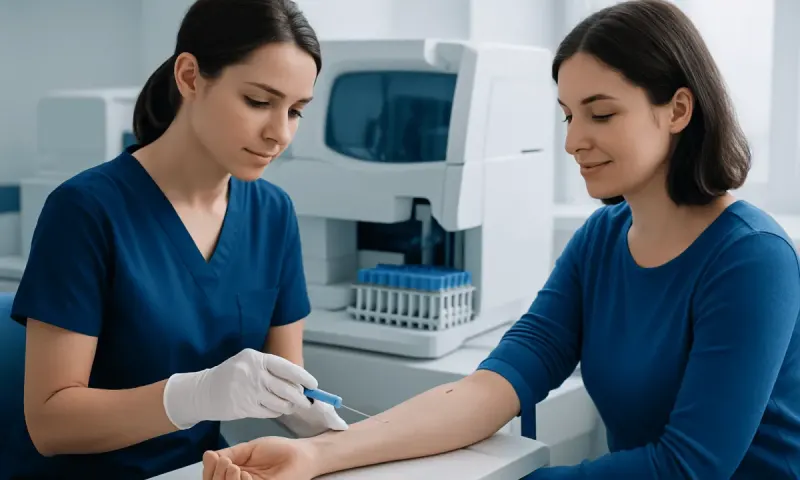
Testosterone is usually measured with a morning blood sample, when levels tend to be highest. If an initial result is low, testing is generally repeated on another morning to confirm the finding. Blood tests may also assess free testosterone in selected circumstances, as well as hormones that help identify whether the cause is testicular or pituitary-related.
Depending on symptoms and findings, clinicians may check blood count, blood sugar, cholesterol, thyroid function, liver and kidney function, prolactin, and other relevant tests. Bone density testing may be considered when there is prolonged testosterone deficiency, a low-trauma fracture, or other risk factors for osteoporosis.
A thorough evaluation is particularly important because tiredness, weight gain, and low mood are common symptoms of thyroid disease and other conditions. Identifying the underlying cause guides safer, more effective care.
Treatment options based on the cause
Treatment depends on the diagnosis, symptom severity, overall health, and personal priorities. If a contributing condition is identified, such as sleep apnea, depression, diabetes, obesity, thyroid disease, or medication-related effects, addressing that condition may be the most appropriate first step. Support for sexual health may also include assessment of cardiovascular risk and emotional or relationship factors.
Testosterone replacement therapy may be considered for adults with compatible symptoms and repeatedly confirmed low testosterone, after discussion of benefits, limitations, risks, and monitoring. It can be given in forms such as gels, injections, patches, or other preparations depending on local availability and individual needs. Treatment should be prescribed and monitored by a qualified clinician.
Testosterone is not a general anti-ageing treatment and should not be used solely for tiredness or age-related changes when blood levels are normal. It is generally avoided or delayed in certain situations, including active prostate or breast cancer, high red blood cell levels, untreated severe sleep apnea, and uncontrolled heart failure. A clinician will assess individual risks and may arrange prostate-related evaluation and blood monitoring where appropriate.
Testosterone can reduce sperm production, so alternatives may be considered for men who wish to preserve fertility. Specialist andrology assessment can help clarify hormonal, sexual, and reproductive health concerns and discuss suitable options.
Lifestyle and self-care that support hormone and overall health
Healthy daily habits can improve energy, sexual wellbeing, mood, sleep, and cardiometabolic health whether or not testosterone is low. For people carrying excess weight, gradual and sustainable weight loss can support testosterone levels and reduce risks linked to diabetes and cardiovascular disease. The aim is long-term health rather than rapid or restrictive dieting.
Regular physical activity is beneficial, particularly a combination of aerobic exercise and strength training suited to the individual’s fitness level. Adequate sleep matters because consistently short or disrupted sleep can affect hormone regulation and daytime functioning. Loud snoring, breathing pauses during sleep, or marked daytime sleepiness should be discussed with a clinician.
A balanced eating pattern, limiting heavy alcohol use, avoiding smoking, and managing long-term conditions are also valuable. Stress-reduction strategies, mental health support, and open communication with a partner can be important where symptoms affect mood or intimacy. Supplements marketed as “testosterone boosters” may be ineffective, contaminated, or unsafe, so they should not replace medical evaluation.
When to seek medical care
Medical advice is appropriate when symptoms persist for several weeks, affect daily life or relationships, or include lower sexual desire, erectile problems, low mood, reduced strength, or unexplained changes in body composition. A clinician can evaluate testosterone concerns without assumptions and look for common, treatable causes.
Prompt medical assessment is important for severe depression, thoughts of self-harm, a new breast lump, testicular pain or swelling, severe headaches with vision changes, or symptoms suggesting significant illness. Emergency care should be sought for immediate safety concerns, including thoughts of harming oneself or others.
People should also seek advice before using testosterone, anabolic steroids, or unregulated hormone products bought online. These products may affect fertility, blood counts, cholesterol, liver health, and other aspects of wellbeing. Acıbadem Health Point’s multidisciplinary specialists and JCI-accredited hospitals can assess hormonal and related health concerns for Myomectomy Recovery for International Patients: The Usual Travel Timeline" class="ahp-ilk">international patients when specialist care is needed.
Frequently asked questions
01Is menopausal in male a real medical condition?
“Menopausal in male” is not a formal medical diagnosis. It is commonly used to describe symptoms that may be related to low testosterone, ageing, health conditions, lifestyle factors, or emotional wellbeing. A medical assessment is needed to determine the cause.
02At what age does male menopause begin?
There is no single age at which men experience a menopause-like transition. Testosterone may gradually change with age, but the rate and significance vary widely. Symptoms should be evaluated rather than assumed to be caused by ageing.
03Can low testosterone cause erectile dysfunction?
Low testosterone can contribute to reduced sexual desire and may affect erections in some men. However, erectile dysfunction is often linked to blood vessel conditions, diabetes, medication effects, stress, anxiety, or relationship factors. Evaluation should consider all possible contributors.
04How is low testosterone diagnosed?
Diagnosis usually requires relevant symptoms together with consistently low testosterone shown on repeat morning blood tests. A clinician may order further hormone and general health tests to identify the cause. Testing during an acute illness may not reflect usual hormone levels.
05Is testosterone therapy safe for every man?
No. Testosterone therapy may be appropriate for selected people with confirmed deficiency, but it is not suitable for everyone. It requires individualized review, discussion of fertility plans, and ongoing monitoring for potential adverse effects.
06Can lifestyle changes improve testosterone levels?
Healthy weight management, regular exercise, adequate sleep, limiting heavy alcohol use, and treatment of health conditions can support testosterone and improve symptoms. Lifestyle changes may be especially helpful when low levels are associated with obesity, poor sleep, or chronic illness. They are beneficial even when testosterone treatment is not needed.
This article is for general information only and is not a substitute for professional medical advice. Please consult a qualified doctor about your individual situation.
Medical weight-loss options in Turkey — costs & eligibility
JCI-accredited · board-certified surgeons · reply within 24h
Add us as a Preferred Source to see more of our trusted health content across Google Search, AI Overviews and Discover.