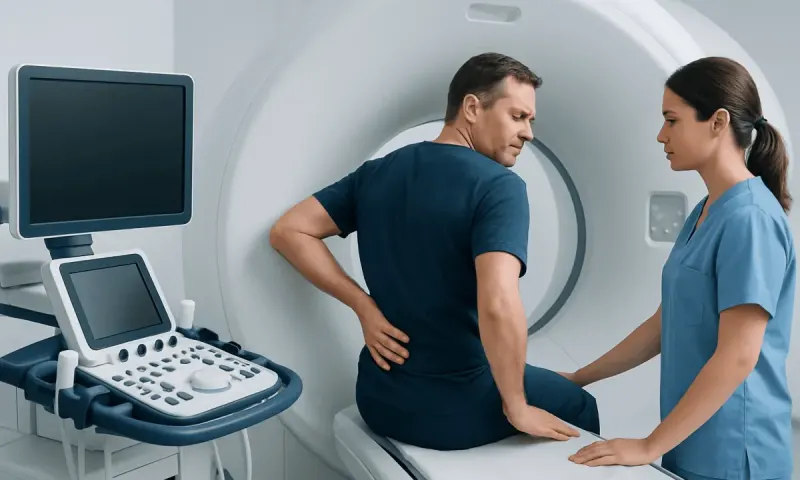
Back Tension Release for Tight, Aching Muscles
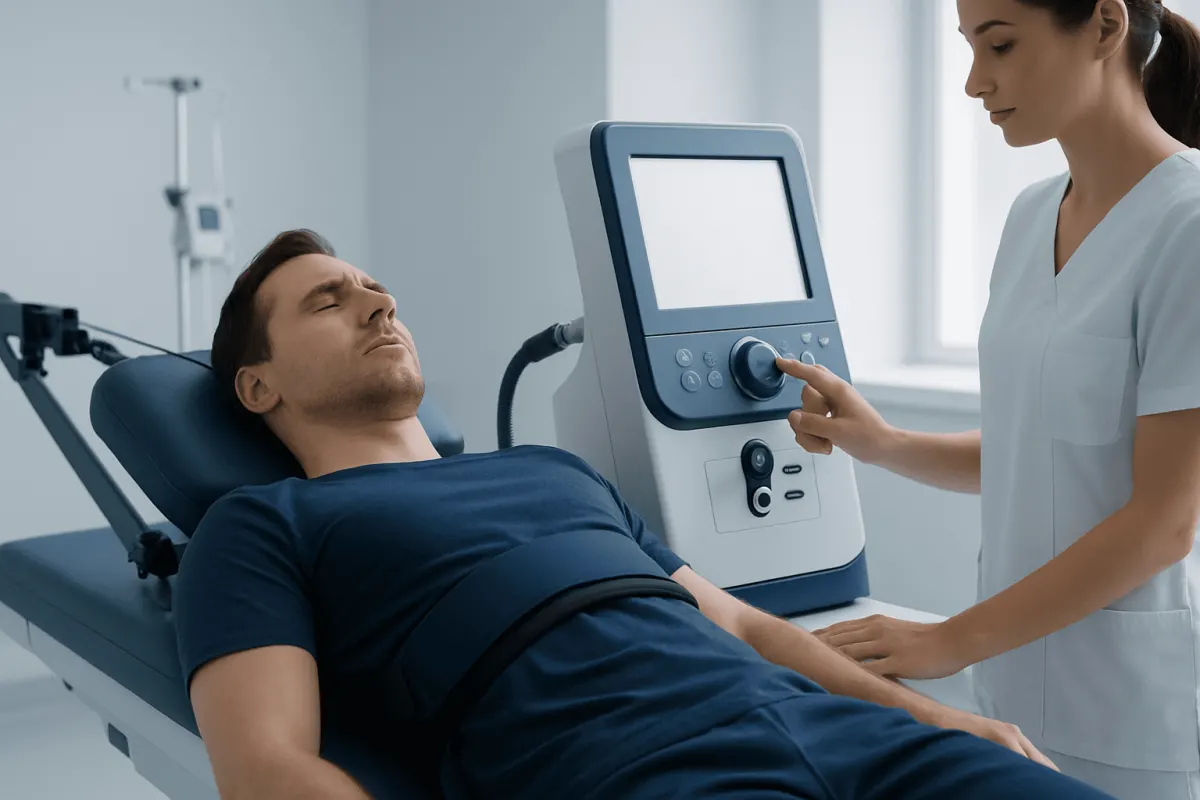
Back tension release is a broad term for clinical and self-care approaches that reduce painful muscle guarding, stiffness and movement restriction in the back. The most suitable approach depends on the cause of symptoms, ranging from posture-related muscle tension to a joint, nerve or spinal condition that needs medical assessment.
Back Tension Release Explained
Back tension release describes ways of reducing tightness, protective muscle spasm and restricted movement in the upper, middle or lower back. It is not one single medical procedure. For many people, it involves a structured plan of movement, physiotherapy, activity modification and pain management. In selected cases, a clinician may recommend an injection or another intervention when a specific source of pain has been identified.
The back tension release mechanism is often related to reducing muscle guarding and restoring normal movement. When pain, fatigue, stress or repetitive strain affects the back, muscles may remain contracted for longer than necessary. This can create aching, stiffness and a sense of limited mobility. Gradual movement and appropriate treatment can help interrupt this cycle without forcing painful movements.
Back tension is common and is often not dangerous, particularly when it follows an unfamiliar activity, a long period of sitting, or poor sleep. However, persistent or recurring symptoms deserve an assessment because back discomfort can also be associated with disc problems, arthritis, spinal narrowing, osteoporosis, nerve irritation or inflammatory conditions.
How Back Tension May Feel
Muscle-related back tension commonly causes a dull ache, tight band-like feeling, tenderness or stiffness that is worse after prolonged sitting, standing, lifting or repetitive work. Some people notice that symptoms ease with gentle walking, a warm shower, changing position or resting briefly. The location may be in the neck and shoulder area, between the shoulder blades, or in the lower back.
Symptoms can vary depending on the underlying structure involved. Nerve irritation may cause pain that travels into the buttock or leg, along with tingling, numbness or weakness. A clinician may consider conditions such as a herniated disc when leg symptoms, changes in reflexes or pain triggered by coughing and straining are present.
Keeping a brief record of when symptoms begin, what makes them better or worse, and whether pain travels to the limbs can help a healthcare professional evaluate the problem. It is also useful to note recent injuries, changes in exercise, work demands, sleep difficulties and any history of cancer, infection or osteoporosis.
Causes, Risk Factors and Candidacy for Treatment

Common contributors to back tension include repetitive lifting, sudden increases in training, insufficient recovery, prolonged computer or driving time, poor workstation set-up and reduced core or hip strength. Emotional stress can also influence muscle tension and pain sensitivity. These factors do not mean that symptoms are “all in the mind”; rather, physical and psychological factors can both affect how the nervous system and muscles respond to pain.
People are usually candidates for conservative back tension release when examination suggests a muscle or movement-related problem and there are no warning signs of serious illness. A clinician or physiotherapist may assess posture, movement, muscle strength, joint mobility, balance, nerve function and daily activities before recommending a plan.
A more invasive tension release procedure is not routinely needed for ordinary muscle tightness. Image-guided injections may be considered for carefully selected pain conditions, while surgery is generally reserved for a confirmed structural problem, such as significant nerve compression, that has not responded to appropriate non-surgical care or has caused progressive neurological impairment. Orthopedic assessment can help determine whether specialist treatment is appropriate.
What a Back Tension Release Procedure May Involve
The first step is a clinical evaluation. The healthcare professional asks about symptoms, medical history, work and activity demands, and any warning signs. A physical examination checks movement, strength, sensation and reflexes. Imaging is not always necessary for recent uncomplicated back pain, but X-rays, magnetic resonance imaging or other tests may be used when symptoms suggest a specific underlying condition.
For many patients, the procedure is a guided rehabilitation plan rather than an operation. A physiotherapist may use education, graded activity, manual techniques and an individualized exercise program. Manual therapy can include joint mobilization or soft-tissue work; it should be comfortable, adapted to the person and combined with active rehabilitation rather than used as the only treatment.
When a clearly defined pain generator is present, a specialist may discuss injection-based options. Depending on the diagnosis, these can include local anesthetic or anti-inflammatory medication delivered to a joint, irritated nerve region or other targeted area. The purpose is usually to reduce pain enough to support rehabilitation, not to replace strengthening and movement retraining.
If surgery is needed for a diagnosed spinal condition, the exact steps depend on the affected level and structure. A surgeon explains the expected goal, alternatives, anesthesia, recovery needs and possible complications before any decision is made. Surgical treatment is not a general solution for back muscle tightness alone.
Recovery Timeline and Expected Results
Recovery from uncomplicated back tension is often gradual. Some people feel improvement within days after reducing aggravating activity and beginning gentle movement, while others need several weeks of consistent rehabilitation. Temporary soreness can occur when returning to activity or starting new exercises, but worsening pain should be discussed with the treating clinician.
After manual therapy or a rehabilitation session, most people can return to light daily activities the same day. Following an injection, clinicians may advise a brief period of relative rest, followed by a planned return to activity. Recovery after spine surgery is longer and varies substantially according to the operation, overall health, job demands and whether nerves were affected before treatment.
Good results usually mean improved function: easier walking, sitting, sleep, work and daily movement, with less frequent or less intense pain. Complete and immediate removal of every sensation of tightness is not always realistic. Consistent exercise, pacing and attention to contributing factors are important for lasting progress.
Benefits, Risks and Back Tension Release Exercises
Potential benefits of a tailored back tension release plan include less stiffness, improved range of motion, better confidence with activity and reduced reliance on passive treatments. The most effective plan is individualized. It considers the person’s diagnosis, fitness, preferences and the movements that matter most in daily life.
Back tension release exercises often focus on gentle mobility, walking, breathing control, trunk endurance and hip strength. Examples may include comfortable pelvic tilts, supported knee-to-chest movements, thoracic extension exercises, shoulder-blade control and gradual core-stability work. A back tension release technique should never involve forcing through sharp pain, numbness or new radiating symptoms. A physiotherapist can select and progress exercises safely.
Risks are generally low with properly guided conservative care, although overly aggressive stretching, manipulation or rapid return to heavy lifting can aggravate symptoms. Injections may cause temporary discomfort, bleeding, infection, allergic reactions or, rarely, nerve-related complications. Surgery carries additional risks, including infection, blood clots, anesthesia-related problems, persistent symptoms and possible need for further treatment; these should be reviewed in detail with the surgical team.
- Begin with low-intensity movement and increase gradually.
- Use heat or cold only if it feels helpful and protect the skin from extreme temperatures.
- Avoid prolonged bed rest, which can increase stiffness and deconditioning.
- Follow post-procedure instructions exactly if an injection or surgery has been performed.
Prevention and Self-Care for Recurring Tension
Regular movement is one of the most practical ways to prevent recurrent back tension. Short walking breaks, changes of position and a gradual strengthening routine can be more helpful than trying to maintain a perfectly rigid posture. At a desk, the aim is a comfortable set-up that allows the screen, chair and keyboard to support neutral, relaxed working positions.
When lifting, people should keep objects close to the body, avoid twisting while carrying weight and ask for help with loads that are too heavy or awkward. Exercise plans should progress steadily rather than making large, sudden increases in duration or intensity. Adequate sleep, hydration and stress-management strategies may also support muscle recovery and pain coping.
For persistent symptoms, structured physical therapy and rehabilitation can address movement patterns, strength and return to daily activities. Acıbadem Health Point’s multidisciplinary specialists in JCI-accredited hospitals evaluate and treat back and spine concerns for international patients, with care plans based on the individual diagnosis.
When to Seek Medical Care
A medical appointment is appropriate when back tension lasts longer than a few weeks, returns repeatedly, limits work or sleep, or does not improve with sensible self-care. Assessment is also important when pain spreads into an arm or leg, or when there is persistent tingling, numbness or weakness.
Urgent medical care is needed after a significant accident or fall, or if back pain occurs with fever, unexplained weight loss, a history of cancer, severe unrelenting night pain, or new pain in a person at high risk of fracture. Emergency assessment is necessary for new loss of bladder or bowel control, numbness around the groin or inner thighs, or rapidly worsening leg weakness.
These symptoms do not always indicate a serious condition, but timely assessment helps clinicians identify problems that need prompt treatment. A qualified doctor can advise whether symptoms are likely to be muscular or whether testing and specialist care are needed.
Frequently asked questions
01What is back tension release?
Back tension release is a general term for treatments that aim to reduce back muscle tightness, pain and restricted movement. It may include guided exercise, physiotherapy, manual treatment, ergonomic changes and, in selected cases, medical procedures for a diagnosed pain source.
02Is a back tension release procedure surgery?
Usually, no. Most people with muscle-related back tension are treated without surgery through rehabilitation and gradual return to normal activity. Surgery may be considered only when a specialist identifies a specific structural spinal problem and non-surgical care is not sufficient or neurological symptoms are progressing.
03How long does it take for back tension to improve?
Mild muscle tension may begin to settle over days to a few weeks with gentle movement and appropriate self-care. Longer-standing symptoms can take more time, especially if work demands, poor sleep, deconditioning or an underlying spinal condition contribute. A clinician can reassess symptoms that are persistent or worsening.
04Can stretching release back tension?
Gentle stretching can help some people feel more comfortable, particularly when combined with walking and strengthening. Stretching should not be forced, and it should stop if it causes sharp pain, increasing numbness or pain that travels into the limbs. An individualized program is preferable for recurrent symptoms.
05Are back tension release exercises safe for everyone?
Simple, comfortable mobility exercises are safe for many people, but the right exercises depend on the cause of pain. People with recent injury, severe pain, osteoporosis, neurological symptoms or known spinal disease should seek professional guidance before beginning a new program.
06When is back pain an emergency?
Emergency assessment is needed for new bladder or bowel control problems, numbness around the groin, rapidly worsening weakness, or severe back pain following major trauma. Prompt medical care is also important if back pain occurs with fever, unexplained weight loss or other concerning systemic symptoms.
This article is for general information only and is not a substitute for professional medical advice. Please consult a qualified doctor about your individual situation.
Joint and spine care in Turkey — expert assessment & treatment
JCI-accredited · board-certified surgeons · reply within 24h
Add us as a Preferred Source to see more of our trusted health content across Google Search, AI Overviews and Discover.