Can Hot Showers Relieve Tension Headaches?
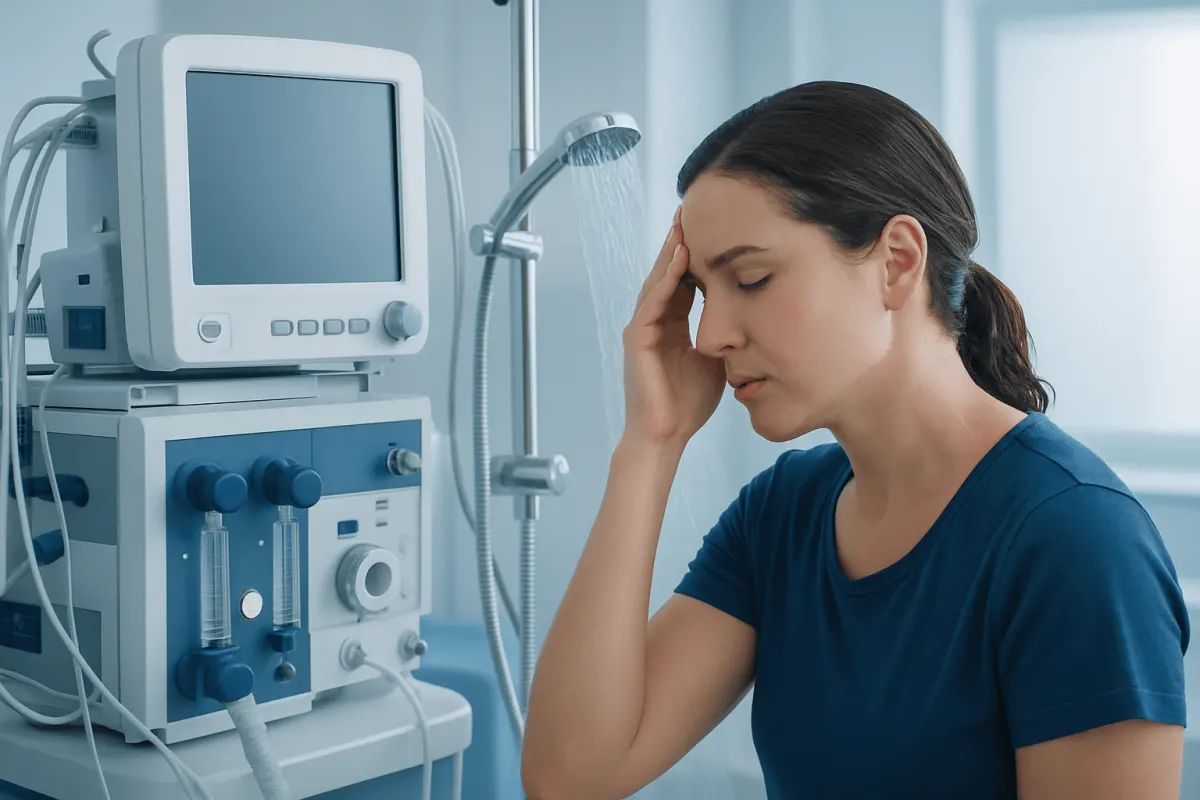
Hot showers may temporarily help some headaches, particularly those linked to tight neck and shoulder muscles, because warmth can promote relaxation. However, hot water, steam, dehydration, and overheating can trigger or worsen headaches in some people, especially those prone to migraine.
Do Hot Showers Help Headaches?
Hot showers can help some headaches, most often when muscle tightness in the neck, shoulders, or scalp is contributing to pain. Warm water may relax tense muscles and create a calming routine, which can provide short-term comfort. However, hot showers are not a proven treatment for all headache types, and they can make symptoms worse for some people.
For many people, an occasional mild headache is harmless and improves with rest, fluids, food if a meal was missed, or simple comfort measures. The response to a shower can offer a useful clue: soothing warmth may fit with tension-related discomfort, while worsening throbbing, nausea, light sensitivity, or dizziness may suggest that heat is not the right approach.
There is limited high-quality research specifically studying hot showers for headache relief. What is better understood is how heat affects the body: it can relax muscles, alter blood flow, lower stress sensations, and sometimes contribute to overheating or dehydration. A person should use this information as a gentle self-care option rather than as a substitute for medical evaluation when headaches are frequent, changing, or severe.
Why Warmth May Relieve Some Headaches
Tension-type headaches are commonly described as a pressing or tightening sensation on both sides of the head. They may occur alongside stiffness or tenderness in the neck, upper back, jaw, and shoulders. Stress, prolonged screen use, poor posture, fatigue, and clenching the jaw can all increase muscle tension, although the exact causes are often mixed.
A comfortably warm shower may loosen tight muscles and encourage a person to pause, breathe slowly, and rest. Heat can also feel soothing when a headache is associated with a cold environment or neck stiffness. Some people find that letting warm water run over the upper back and shoulders is more helpful than directing very hot water at the head.
The benefit is usually temporary. If headaches regularly return after a shower, or if muscle tightness is frequent, longer-term strategies may be more useful. These can include regular movement, stretching, ergonomic changes at work, sleep routines, stress management, and guidance from a healthcare professional or physiotherapist where appropriate.
- Use warm rather than very hot water.
- Keep the shower brief if heat causes light-headedness.
- Drink water before and after showering, particularly in hot weather.
- Stop if the headache, nausea, weakness, or dizziness becomes worse.
When a Hot Shower May Make a Headache Worse

Heat is not helpful for everyone. A hot shower may aggravate headache symptoms by raising body temperature, causing sweating, or contributing to fluid loss. Steam and poor bathroom ventilation may also make some people feel overheated or faint, particularly if they have not eaten, are dehydrated, have been exercising, or are unwell with a fever.
People with migraine may be especially sensitive to changes in temperature, humidity, strong scents, bright bathroom lighting, and warmth. Migraine often causes moderate to severe throbbing pain, frequently on one side of the head, and may occur with nausea, vomiting, sensitivity to light or sound, or visual symptoms. Heat may feel relaxing for one migraine episode but intolerable during another, so individual patterns matter.
Long hot showers can lower blood pressure temporarily in some people by widening blood vessels in the skin. This may lead to dizziness, blurred vision, weakness, or a feeling of near-fainting. Sitting down, turning the water cooler, leaving the steamy room carefully, and drinking fluids may help. A person who faints, has recurrent near-fainting, chest pain, or persistent dizziness should seek medical advice.
Cold therapy is sometimes preferred during migraine because a cool compress may reduce the sensation of pain and can feel more comfortable than heat. Neither heat nor cold works universally. The safer choice is the one that provides relief without worsening symptoms.
Headache Types and Clues to Notice
Headaches are symptoms rather than one single condition. Most are primary headaches, meaning the headache itself is the main condition. Tension-type headache and migraine are common examples. Headaches may also occur with viral illnesses, sinus symptoms, sleep disruption, medication overuse, eye strain, caffeine changes, hormonal shifts, high stress, or dehydration.
Tension-type headache often feels like a steady band, pressure, or tightness. Migraine commonly causes pulsating pain and can include sensitivity to light, noise, smells, or movement. Some people experience an aura before migraine, such as temporary visual disturbances, tingling, or speech changes. Cluster headache is less common and typically causes severe pain around one eye with symptoms such as tearing, redness, or a blocked or runny nose on the same side.
Sinus pressure is often assumed to explain pain in the forehead, cheeks, or around the eyes. However, many self-described sinus headaches are actually migraine. True sinus-related pain is more likely when there is significant nasal blockage or discharge, reduced smell, facial tenderness, and signs of infection. Persistent or recurrent facial pain should be assessed rather than repeatedly self-treated.
A headache diary can help identify patterns. It may include the time pain begins, location and type of pain, severity, duration, associated symptoms, sleep, meals, hydration, menstrual timing where relevant, stress, activity, medications, and whether a hot shower improved or worsened the episode. This information can make a medical consultation more productive.
Safe Self-Care for a Mild Headache
If a headache is mild, familiar, and has no warning signs, simple measures may be reasonable. Resting in a quiet, dim room, drinking water, having a balanced snack if meals were missed, and taking a break from screens can help. Gentle neck and shoulder movement may be useful when stiffness is present, as long as movement does not increase pain.
A warm shower, warm compress, or heated wrap can be tried for muscle-related discomfort. The heat should be comfortable rather than intense, and a person should avoid prolonged exposure to hot water. Those who are prone to dizziness should consider sitting, keeping the bathroom ventilated, and having someone nearby if they feel unwell.
Over-the-counter pain medicines may help some people when used according to the product label and a clinician’s advice. They are not suitable for everyone, including people with certain stomach, kidney, liver, heart, bleeding, or medication-related risks. Frequent use of pain relievers can itself lead to medication-overuse headaches, so recurrent headaches deserve a discussion with a doctor rather than repeated self-treatment.
Preventive habits can reduce the likelihood of headaches for many people. Regular sleep and meals, adequate fluids, physical activity, stress-reduction practices, and gradual changes in caffeine intake can all be helpful. The best approach depends on the person’s headache type and medical history.
When to Seek Medical Care
Most headaches are not dangerous, but certain symptoms require prompt medical assessment. A person should seek urgent care for a sudden, extremely severe headache that reaches maximum intensity quickly; a new severe headache after a head injury; or headache with fainting, confusion, seizure, fever with a stiff neck, weakness, numbness, difficulty speaking, new vision loss, or trouble walking.
Medical review is also important for a new or changing headache pattern, headaches that become more frequent or more severe, headaches that regularly wake a person from sleep, or headaches occurring during pregnancy or after giving birth. People over age 50 with a new headache, people with cancer or a weakened immune system, and those with high blood pressure or other significant health conditions should not ignore new persistent symptoms.
During an evaluation, a doctor will ask about headache timing, symptoms, triggers, medicines, family history, sleep, stress, and any recent illness or injury. They may perform a neurological examination, check blood pressure, and examine the eyes, neck, ears, and sinuses. Blood tests or imaging such as CT or MRI are not needed for every headache, but may be recommended when the history or examination suggests another cause needs to be ruled out.
Acıbadem Health Point’s multidisciplinary specialists and JCI-accredited hospitals can assess and treat headache conditions for international patients when medical evaluation is needed.
Finding the Approach That Works for You
Whether a hot shower helps depends on the cause of the headache and the individual’s sensitivity to heat. If warmth consistently eases neck tension without causing dizziness or worsening pain, a short warm shower can be one part of a self-care routine. It is not necessary to use very hot water to obtain a relaxing effect.
If showers consistently trigger throbbing pain, nausea, visual discomfort, flushing, or light-headedness, cooler water and a well-ventilated space may be more comfortable. For migraine-like symptoms, resting in a dark, quiet room and using a cool pack may be preferable. Avoiding known triggers where possible is generally more useful than relying on a single remedy.
Recurring headaches are treatable, and a clinician can help distinguish between tension-type headache, migraine, medication-related headache, and less common causes. A clear diagnosis supports a tailored plan that may include lifestyle measures, acute treatment, preventive treatment, physical therapy, or referral to a headache specialist.
Frequently asked questions
01Can a hot shower cure a headache?
A hot shower does not cure the underlying cause of a headache. It may temporarily reduce discomfort in some people, especially when neck and shoulder tension is involved. If headaches recur often, a healthcare professional can help identify the type of headache and appropriate treatment.
02Why does a hot shower sometimes trigger a migraine?
Migraine can be sensitive to heat, humidity, dehydration, bright lights, strong fragrances, and changes in body temperature. A very hot shower may combine several of these triggers. Keeping the water warm rather than hot and leaving the bathroom if symptoms begin may help.
03Is a cold shower better than a hot shower for headaches?
Neither is best for everyone. Warmth may be more comfortable for muscle tension, while a cool compress or cooler environment may feel better during migraine. A person should choose the option that reduces symptoms without causing shivering, dizziness, or worsening pain.
04Can dehydration after a shower cause a headache?
A shower itself does not usually cause meaningful dehydration, but long hot showers can contribute to sweating and overheating. This may worsen a headache in someone who is already dehydrated or has not eaten or drunk enough. Drinking water and avoiding excessive heat can reduce this risk.
05Should someone shower when they have a fever and headache?
A lukewarm shower may be comfortable for some people with a mild viral illness, but very hot water can increase discomfort or light-headedness. Rest, fluids, and monitoring symptoms are important. Medical advice is needed for severe headache, stiff neck, confusion, breathing difficulty, dehydration, or a fever that is concerning or persistent.
06When are frequent headaches a concern?
Frequent headaches should be discussed with a doctor, particularly if they interfere with work, sleep, school, or daily activities. Evaluation is also important when pain relievers are needed regularly, symptoms are changing, or migraine features such as nausea and light sensitivity are present. A headache diary can help guide the assessment.
This article is for general information only and is not a substitute for professional medical advice. Please consult a qualified doctor about your individual situation.
Hair transplant in Turkey — costs, graft counts & a free assessment
JCI-accredited · board-certified surgeons · reply within 24h
Add us as a Preferred Source to see more of our trusted health content across Google Search, AI Overviews and Discover.
More from the Health Library

What Medicine Is Good for Headaches? Choosing Treatment by Headache Type
Why Am I Getting Headaches Everyday All of a Sudden? Causes, Explanations, and Next Steps