Bone Health After 50: Risk Factors, Testing, and Fracture Prevention

Bone health after 50 becomes especially important because bones naturally lose strength with age, raising the risk of osteoporosis and fractures. Early risk assessment, healthy lifestyle habits, and timely testing can help protect mobility and independence.
Overview: Why Bone Health Matters After 50
Bone is living tissue that is constantly being broken down and rebuilt. In younger years, the body usually replaces bone faster than it loses it. With aging, this balance gradually changes, and bone loss can start to outpace bone formation. As a result, bones may become thinner, less dense, and more fragile over time.
After age 50, the risk of osteoporosis and fractures rises. This is particularly relevant for women after menopause because lower estrogen levels can speed up bone loss. Men are also affected, especially later in life, and are sometimes diagnosed only after a fracture occurs.
Bone weakness may not cause symptoms at first. Many people do not realize they have low bone density until they develop back pain from a spinal compression fracture, lose height, or break a hip, wrist, or other bone after a relatively small fall. This is why prevention and early assessment are so important.
Protecting bone health after 50 involves more than just calcium. It usually includes screening when appropriate, healthy eating, regular physical activity, avoiding tobacco, limiting excess alcohol, reviewing medications, and reducing fall risk. Services focused on bone health and preventive care can help guide these steps in a structured way.
Symptoms and Warning Signs of Weak Bones
Osteoporosis is often called a silent condition because bone loss itself usually does not hurt. In many cases, there are no obvious warning signs until a fracture happens. That is why people with risk factors should not wait for symptoms before asking about evaluation.
Possible signs that may suggest weakened bones include loss of height over time, a stooped posture, or sudden back pain that may relate to a small fracture in the spine. Some people notice that everyday movements become more uncomfortable after an unnoticed compression fracture.
Fractures linked to low bone density often occur in the hip, wrist, upper arm, pelvis, or spine. A fracture after a minor fall from standing height can be an important clue that the bones may be fragile. A previous fragility fracture significantly increases the risk of another fracture in the future.
Because symptoms can be subtle or absent, regular health review matters. A clinician may identify risk through age, family history, prior fractures, weight changes, long-term steroid use, menopause history, or conditions that affect nutrient absorption and hormone balance.
Main Risk Factors for Bone Loss and Fractures
Several factors affect bone health after 50. Age is one of the strongest. Women are at higher risk after menopause, but men can also develop osteoporosis. A small body frame, low body weight, family history of osteoporosis or hip fracture, and a personal history of previous fractures all increase concern.
Medical conditions can also weaken bones. These include hormone-related disorders, long-standing inflammatory diseases, chronic kidney disease, digestive conditions that reduce nutrient absorption, and endocrine problems such as hypothyroidism when thyroid balance is not well managed. Diabetes may also be associated with a higher fracture risk in some individuals, and broader assessment of type 2 diabetes or metabolic health may be relevant.
Certain medicines can contribute to bone loss, especially when used for a long time. Common examples include corticosteroids. Some treatments for seizures, breast cancer, prostate cancer, acid reflux, and other chronic conditions may also affect bone strength, depending on the person and duration of treatment.
Lifestyle factors matter as well. Smoking, heavy alcohol use, physical inactivity, poor protein intake, low calcium intake, inadequate vitamin D, and very low body weight can all reduce bone strength. Fall risk is equally important, because even mild bone loss becomes more dangerous when balance, vision, muscle strength, or home safety are poor.
- Older age
- Menopause or low sex hormone levels
- Previous low-trauma fracture
- Family history of osteoporosis or hip fracture
- Long-term steroid use
- Smoking and excess alcohol
- Low calcium or vitamin D intake
- Inactivity and poor balance
Testing and Diagnosis
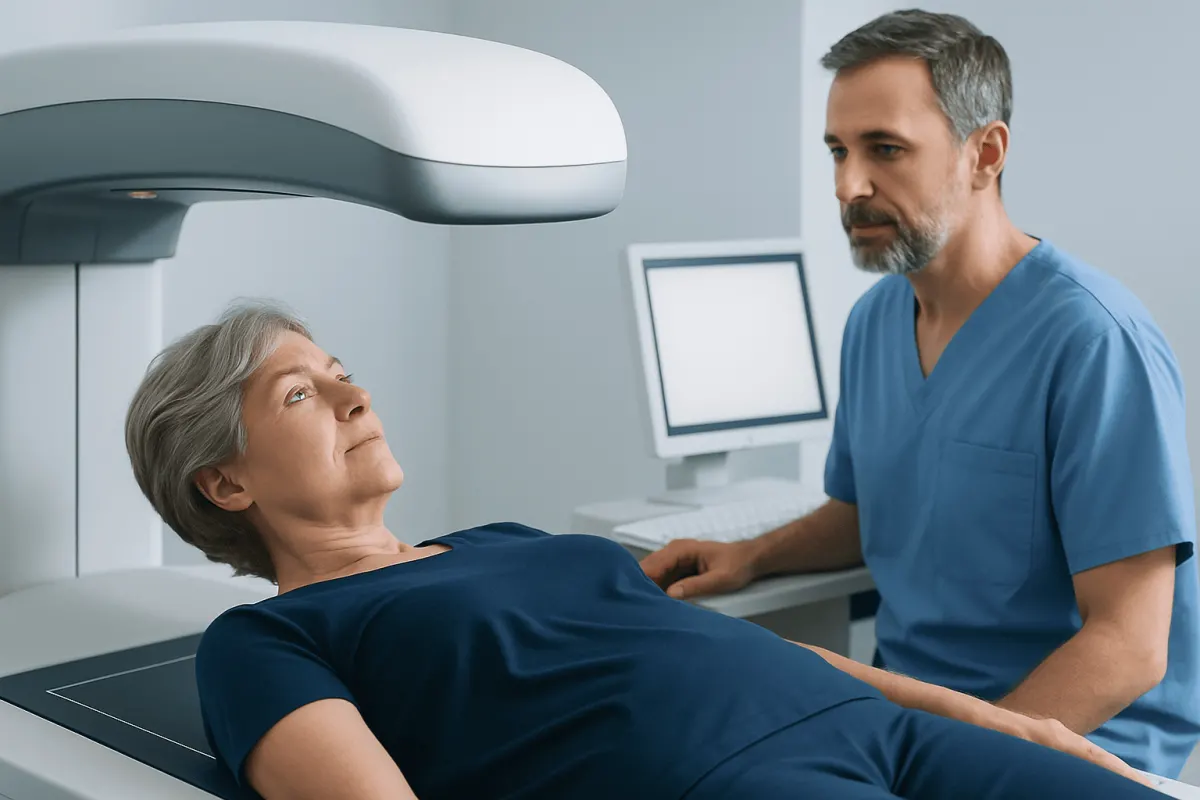
The main test used to evaluate bone density is dual-energy X-ray absorptiometry, often called a DXA or DEXA scan. It is a low-radiation imaging test that usually measures bone density at the hip and spine. The results help estimate fracture risk and determine whether bone density is normal, low, or in the osteoporosis range.
A doctor does not rely on the scan alone. Diagnosis and risk assessment also include age, fracture history, family history, medications, menopause status, nutrition, exercise habits, smoking, alcohol use, and other medical conditions. In some cases, a fracture risk calculator may be used to estimate the chance of major osteoporotic or hip fracture over time.
Blood and urine tests may be recommended to look for secondary causes of bone loss or to check related health issues. These can include vitamin D levels, calcium, kidney function, thyroid function, and markers that suggest hormone or absorption problems. Identifying an underlying cause is important because treatment may need to address both bone density and the contributing condition.
Screening recommendations vary by country and by individual risk. In general, women aged 65 and older are commonly screened, and younger postmenopausal women with risk factors may also need testing. Men are often considered for screening later in life or earlier if they have important risk factors such as steroid use, low body weight, or a prior fragility fracture.
Treatment Options for Low Bone Density and Osteoporosis
Treatment depends on the person’s fracture risk, test results, age, and overall health. The foundation usually includes adequate calcium intake, vitamin D support when needed, regular exercise, and fall prevention. These measures remain important whether or not medication is prescribed.
When fracture risk is high, doctors may recommend medication to slow bone breakdown or help build bone. Different drug classes are available, and the best choice depends on medical history, kidney function, prior fractures, and tolerance. Treatment decisions should always be individualized and reviewed regularly with a qualified clinician.
Follow-up is an important part of care. A repeat bone density test may be advised after a period of treatment or observation to see whether bone loss has stabilized or improved. Doctors may also review adherence, side effects, dental health considerations, and the ongoing need for medication.
Rehabilitation may be needed after a fracture, especially a hip or spinal injury. Pain management, safe movement, muscle strengthening, and balance training can help support recovery and independence. In selected cases, coordinated care through family medicine and specialists in aging and prevention may help patients manage both bone health and overall long-term wellness.
Prevention and Self-Care Strategies
Healthy daily habits can make a meaningful difference to bone strength. Weight-bearing exercise, such as walking, stair climbing, dancing, or gentle hiking, helps stimulate bones. Resistance training supports muscles that protect joints and improve stability. Balance-focused activities, such as tai chi or supervised strength and stability exercises, can reduce the risk of falling.
Nutrition is another key part of prevention. Adults over 50 should aim for enough calcium from food and, when needed, supplements recommended by a clinician. Vitamin D helps the body absorb calcium and supports muscle function. Good sources of calcium include dairy products, fortified foods, tofu made with calcium, and some leafy greens. Protein intake also matters because muscle and bone health are closely linked.
Treatment Options and Relapse Prevention" class="ahp-ilk">Smoking cessation and limiting alcohol are strongly encouraged. People who are underweight or have had unintentional weight loss should discuss this with a doctor, because low body weight can weaken bones and muscles. Broader healthy aging strategies, including review of body composition and healthy longevity habits, may be addressed through services related to longevity care.
Home safety can help prevent fractures. Supportive shoes, good lighting, handrails on stairs, grab bars in bathrooms, clutter-free walkways, and regular vision and hearing checks all reduce fall risk. It is also helpful to review medicines that may cause dizziness or sleepiness, especially in older adults.
When to See a Doctor
A person should speak with a doctor about bone health after 50 if they have gone through menopause, have had a fracture after a minor fall, or have risk factors such as long-term steroid use, smoking, low body weight, kidney disease, or a family history of hip fracture. Men should also seek advice if they have risk factors or notice height loss, back pain, or reduced strength and balance.
Medical review is especially important after any fragility fracture. Even if the injury seems to have healed well, the event may signal underlying osteoporosis that needs treatment to prevent another fracture. Early evaluation can reduce future risk and support mobility and confidence.
Anyone with persistent back pain, visible stooping, unexplained height loss, or repeated falls should not ignore these changes. These symptoms do not always mean osteoporosis, but they deserve timely medical assessment. Doctors may arrange imaging, blood tests, or bone density testing depending on the situation.
For people seeking international care, Acıbadem Health Point’s multidisciplinary specialists in JCI-accredited hospitals diagnose and treat bone loss, osteoporosis, and fracture-related concerns with individualized assessment and follow-up planning.
Frequently asked questions
01What is the difference between osteopenia and osteoporosis?
Osteopenia means bone density is lower than normal, but not low enough to meet the definition of osteoporosis. Osteoporosis is a more advanced loss of bone strength and is associated with a higher risk of fractures. A bone density test helps distinguish between them.
02Who should get a bone density test after 50?
Many women are screened at age 65, and some need testing earlier if they have important risk factors such as menopause, prior fracture, steroid use, or low body weight. Men may also need testing later in life or earlier if they have significant risk factors. The right timing is best decided with a doctor.
03Can osteoporosis be prevented?
Osteoporosis cannot always be fully prevented, but risk can often be reduced. Regular exercise, enough calcium and vitamin D, avoiding smoking, limiting excess alcohol, and managing medical conditions can all help protect bone health. Screening and treatment when appropriate are also important.
04Does a fracture after a small fall mean someone has osteoporosis?
Not always, but it is an important warning sign. A fracture after a low-impact fall may suggest fragile bones, especially in the hip, spine, wrist, or upper arm. A doctor may recommend bone density testing and further evaluation.
05What foods are good for bone health after 50?
Foods rich in calcium, protein, and other nutrients that support bone are helpful. Examples include milk, yogurt, cheese, fortified plant drinks, tofu made with calcium, beans, nuts, fish with edible bones, and some leafy greens. Vitamin D may come from sunlight exposure, fortified foods, or supplements if advised.
06Is walking enough to protect bones?
Walking is beneficial because it is a weight-bearing activity, and it also helps general fitness. However, bone health usually benefits most from a combination of weight-bearing exercise, resistance training, and balance work. Exercise plans should match the person’s age, fitness level, and fracture risk.
This article is for general information only and is not a substitute for professional medical advice. Please consult a qualified doctor about your individual situation.
Joint and spine care in Turkey — expert assessment & treatment
JCI-accredited · board-certified surgeons · reply within 24h
Add us as a Preferred Source to see more of our trusted health content across Google Search, AI Overviews and Discover.