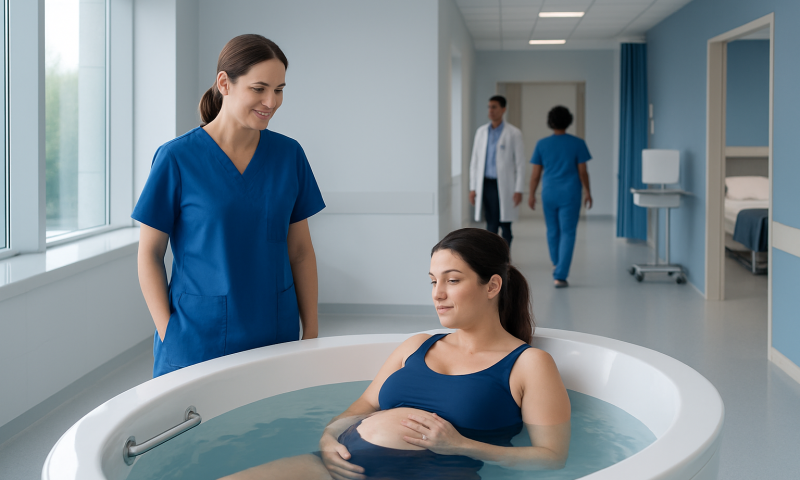
Back Hurts from Period: What You Need to Know

Key Takeaways
- Period-related back pain is common and often happens alongside menstrual cramps.
- Prostaglandins can make uterine contractions stronger and may trigger pain felt in the lower back.
- Pain that is severe, worsening, or different from a usual pattern should be assessed by a clinician.
- Home measures such as heat, movement, and rest can help many people feel better.
- Certain symptoms, including fever, heavy bleeding, or pain outside the period, deserve prompt medical attention.
When the back hurts from period, it is often linked to normal uterine cramping and hormone-driven changes that can refer pain into the lower back. Still, ongoing, severe, or one-sided pain may point to a condition that deserves medical evaluation.
Overview
If the back hurts from period, the most common reason is menstrual cramping. During menstruation, the uterus contracts to shed its lining, and those contractions can cause pain that is felt not only in the lower abdomen but also in the lower back, hips, and thighs.
This kind of pain is often temporary and predictable, appearing just before or during bleeding and then easing as the period progresses. For many people, it is uncomfortable but manageable with simple measures. For others, especially when pain is intense or changes over time, it can be a signal that another gynecologic condition is contributing.
Understanding the pattern matters. Pain that follows the same monthly rhythm is more likely to be related to the menstrual cycle, while pain that starts between periods, lasts longer than usual, or is accompanied by other symptoms may need a closer look from a doctor.
Symptoms
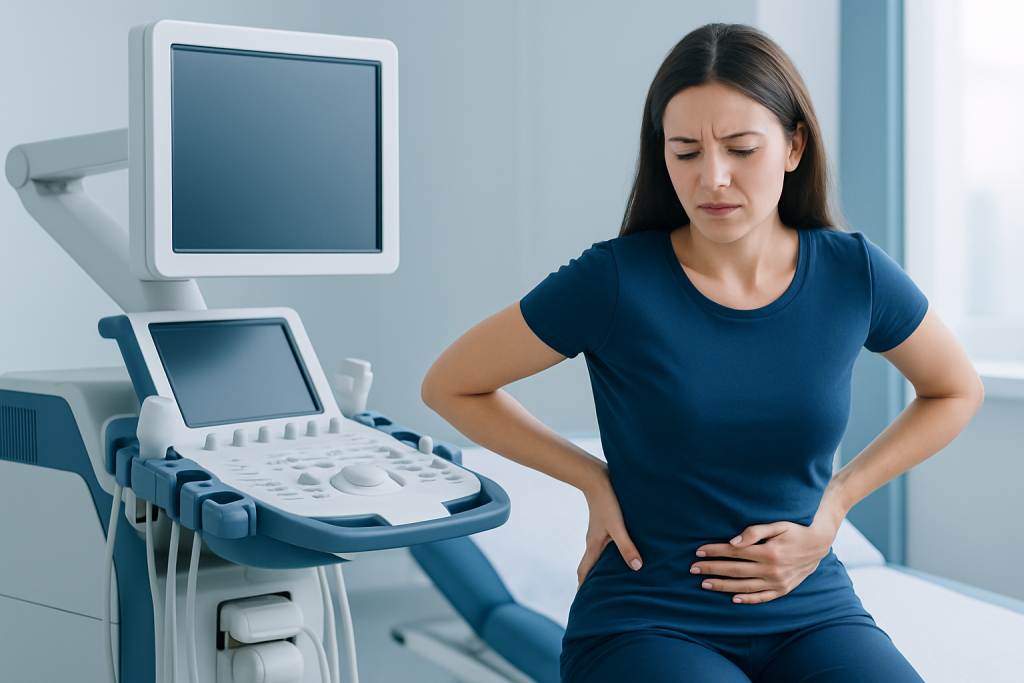
Period-related back pain usually sits in the lower back and feels dull, achy, cramping, or tight. It may come with lower abdominal cramps, pelvic pressure, bloating, fatigue, headache, or changes in bowel habits. Some people notice that the pain spreads to the thighs or is worse when sitting for long periods.
The timing can be just as important as the sensation. Many people feel the discomfort one or two days before bleeding starts, then during the heaviest flow days, and then it fades. In some cases, the pain peaks early in the period and gradually improves as hormone levels and uterine contractions settle.
Signs that suggest a less typical pattern include pain that is severe enough to interfere with daily life, pain on one side, pain during sex, pain between periods, or pain that steadily becomes worse from month to month. Those patterns do not automatically mean something serious, but they are worth medical review.
Causes & Risk Factors
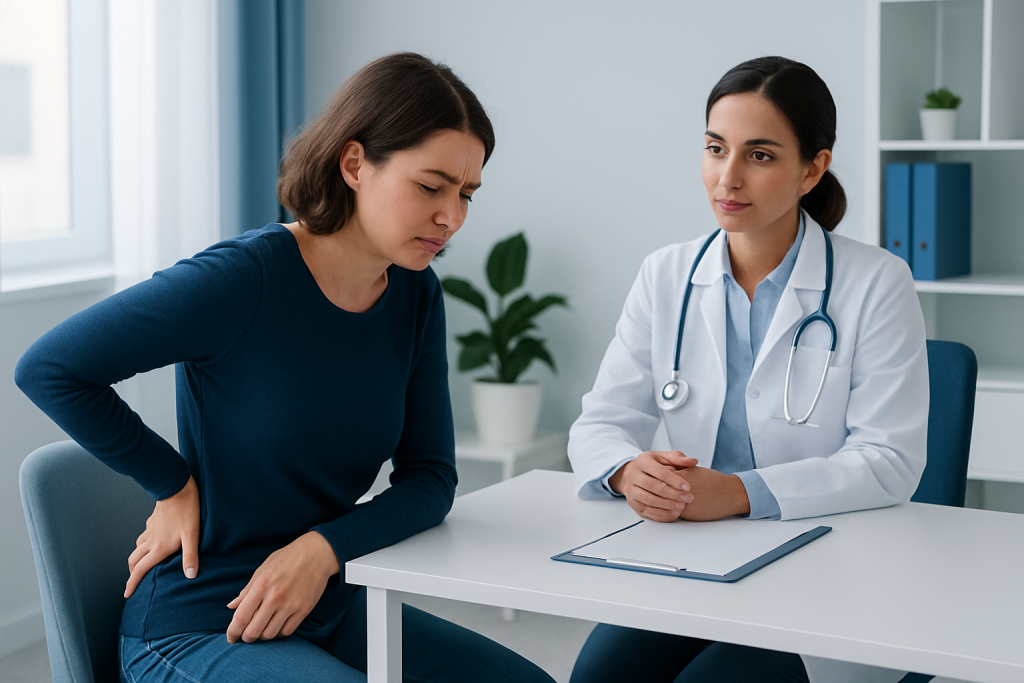
The most common cause is primary dysmenorrhea, which means menstrual pain without an underlying structural problem. In this setting, the body releases prostaglandins, hormone-like substances that help the uterus contract. Higher prostaglandin levels can lead to stronger cramping and referred pain in the lower back.
Secondary dysmenorrhea refers to menstrual pain caused by another condition. Endometriosis, adenomyosis, uterine fibroids, pelvic inflammatory disease, and ovarian cysts can all cause back pain during periods. These conditions may also bring heavier bleeding, pain during intercourse, fertility concerns, or pain that does not fully follow the menstrual cycle.
Risk can be higher in people who have a family history of painful periods, started menstruating at a younger age, have heavy or prolonged periods, or live with conditions that affect the pelvis. Stress and poor sleep do not cause the condition, but they can make pain feel harder to tolerate.
Diagnosis
Diagnosis usually begins with a careful conversation about the pain: when it starts, where it is felt, how long it lasts, and what makes it better or worse. A clinician may ask about the menstrual pattern, bleeding volume, contraception, sexual history when relevant, and any symptoms such as fever, discharge, nausea, or bowel changes.
A pelvic exam may be recommended depending on age, symptoms, and medical history. If the pain pattern suggests a possible underlying condition, tests such as a pregnancy test, blood work, urinalysis, pelvic ultrasound, or other imaging may be used to look for fibroids, cysts, or other causes. In some situations, additional evaluation by a gynecologist is the best next step.
The goal is not only to label the pain, but to understand its source. That helps guide treatment and avoids dismissing symptoms that are disrupting work, travel, school, or daily life.
Treatment Options
Treatment depends on whether the pain is typical menstrual cramping or linked to another condition. For primary dysmenorrhea, non-prescription anti-inflammatory medicines are often used, because they reduce prostaglandin production and may ease both cramps and back pain. A clinician can advise on whether these medicines are appropriate, especially for people with stomach, kidney, bleeding, or heart concerns.
Hormonal treatments may be recommended when pain is frequent, severe, or associated with heavy bleeding. Options can include certain birth control methods that reduce ovulation and lessen cramping. When an underlying condition such as endometriosis, fibroids, or infection is found, treatment is tailored to that diagnosis and may include medication, procedures, or surgery.
Supportive care also plays an important role. Heat therapy, gentle stretching, light walking, hydration, and rest can reduce discomfort. Some people find benefit from physical therapy, especially when pelvic floor tension or posture-related strain adds to the pain. For Myomectomy Recovery for International Patients: The Usual Travel Timeline" class="ahp-ilk">international patients, a clear plan for follow-up matters just as much as the initial evaluation, especially if treatment begins before returning home.
Acibadem Health Point’s multidisciplinary specialists and JCI-accredited hospitals diagnose and treat this condition for international patients, with care plans that can be coordinated across specialties when needed.
Prevention & Self-care
It is not always possible to prevent period back pain completely, but many people can make episodes milder. Keeping a simple menstrual diary can help identify patterns, such as whether pain is worse before the flow begins, after long sitting, or on the heaviest days.
Regular movement outside the painful days may also help the body cope better during the cycle. Stretching the lower back, hips, and pelvis, walking, and maintaining a comfortable sleep position may reduce muscle tension. During a painful period, a warm pad or bath can relax tight muscles and improve comfort.
Self-care works best when it is practical and consistent. That may include scheduling lighter duties on peak-pain days, staying hydrated, avoiding smoking, and using pain relief only as directed by a qualified clinician. If periods are causing frequent disruption, the next step is often not just more self-care, but a medical discussion about better cycle control.
When to See a Doctor
A doctor should be consulted when period-related back pain is severe, lasts beyond the period, keeps returning in a disabling way, or starts after years of mild or painless cycles. It is also important to seek evaluation if over-the-counter measures no longer help, because the pain pattern may be changing.
Prompt medical attention is especially important if the pain comes with fever, foul-smelling discharge, fainting, vomiting that prevents fluids, very heavy bleeding, pain with pregnancy possibility, or sudden sharp pain. These symptoms do not always mean an emergency, but they do deserve timely assessment.
For people traveling for care, it helps to bring a symptom log, prior test results, and a list of medicines or supplements. That makes it easier for a clinician to compare what is typical for the patient and decide whether short-term treatment, imaging, or specialist referral is the right next step.
Living With Period-Related Back Pain
Back pain during menstruation can be frustrating, but it is also a symptom that often has a clear explanation and workable treatment options. The most useful approach is to notice the pattern early, treat symptoms promptly, and seek evaluation when the pain becomes more intense or less predictable.
Many people improve with a combination of anti-inflammatory medicine, heat, movement, and a treatment plan tailored to the menstrual cycle. Others need a deeper look for endometriosis, fibroids, adenomyosis, or infection. Either way, the aim is the same: to help the patient feel more comfortable and function better across the month.
When symptoms interfere with travel, work, or family life, coordinated women’s health care can make the process smoother, from diagnosis to follow-up after treatment.
Frequently asked questions
01Why does my back hurt from my period?
Period pain can be felt in the back because uterine contractions and prostaglandins can refer discomfort beyond the pelvis. The lower back is a common place for that pain to show up. If the pattern is new, severe, or getting worse, a doctor should evaluate it.
02Is lower back pain during a period normal?
It is common and often part of menstrual cramps. Many people feel it on the same days as abdominal cramping or heavier bleeding. Normal does not always mean pleasant, though, and persistent severe pain should still be checked.
03What helps period back pain at home?
Heat, gentle movement, stretching, hydration, and rest often help. Some people also benefit from anti-inflammatory pain relief if a clinician says it is safe for them. A combination of methods is usually more effective than relying on one step alone.
04Could back pain during my period mean endometriosis?
It can, but it does not always. Endometriosis is more likely when the pain is severe, occurs outside the period, causes pain with sex or bowel movements, or gets worse over time. A gynecologic evaluation can help sort this out.
05When should I worry about period back pain?
Medical advice is important if the pain is sudden, severe, one-sided, associated with fever or unusual discharge, or linked to very heavy bleeding. Pain that interferes with daily activities or no longer responds to usual measures also deserves assessment.
06Can birth control help with menstrual back pain?
Yes, hormonal methods can reduce ovulation and make periods lighter and less crampy for some people. The best choice depends on health history, symptoms, and personal preferences. A clinician can explain the options and help decide whether they fit the situation.
This article is for general information only and is not a substitute for professional medical advice. Please consult a qualified doctor about your individual situation.
Persistent digestive symptoms? Get evaluated in Turkey
JCI-accredited · board-certified surgeons · reply within 24h
Add us as a Preferred Source to see more of our trusted health content across Google Search, AI Overviews and Discover.