Small Itchy Pimples: Possible Skin Causes and Care
Small itchy pimples are common and often occur when hair follicles become irritated or inflamed, sweat is trapped in the skin, or the skin reacts to a product or substance. Their appearance, location, timing, and associated symptoms can help distinguish acne-like conditions from rashes that need different care.
Overview: What Do Small Itchy Pimples Mean?
Small itchy pimples are raised spots that may be red, skin-colored, white-tipped, or filled with clear fluid or pus. They can appear anywhere on the body, although the face, chest, back, buttocks, thighs, arms, groin, and areas covered by tight clothing are common locations. The term “pimple” describes appearance rather than one specific diagnosis.
Many cases are mild and improve when the trigger is removed and the skin is treated gently. However, itching is less typical of ordinary acne than tenderness or soreness, so persistent itching may point toward inflamed hair follicles, sweat-related irritation, eczema or contact dermatitis, bites, or another skin condition.
Looking at the pattern is useful. A rash that begins after exercise, shaving, using a new lotion, wearing synthetic clothing, taking a hot bath, or spending time outdoors can offer important clues. A qualified clinician can confirm the cause when the spots do not settle, keep returning, or are accompanied by other symptoms.
How Different Skin Conditions Can Look
Ordinary acne develops when pores become blocked with oil, dead skin cells, and bacteria. It may cause blackheads, whiteheads, red bumps, and sometimes deeper painful lesions. Acne can itch occasionally, particularly when the skin is dry or irritated by products, but intense itchiness should prompt consideration of other causes.
Folliculitis is inflammation or infection around hair follicles. It often resembles a cluster of tiny pimples, sometimes with a small white head or hair in the center. The bumps can itch, sting, or feel tender, and commonly occur after shaving, sweating, friction, hot-tub exposure, or wearing tight clothing. More information about related acne concerns is available in acne care information.
Heat rash, also called prickly heat, occurs when sweat becomes trapped in blocked sweat ducts. It tends to cause many very small, itchy or prickling bumps in warm, humid conditions, especially in skin folds or beneath tight clothing. Contact dermatitis can also create pimple-like bumps, but it often causes patches of redness, dryness, scaling, burning, or itching after exposure to a fragrance, cosmetic, detergent, metal, plant, or other irritant.
Some other rashes can be mistaken for pimples. Insect bites may appear in groups and are often very itchy. Scabies can cause intense nighttime itching with small bumps, especially on the wrists, fingers, waistline, groin, or buttocks. A medical assessment is important if symptoms suggest an infection or if several household members are itchy.
Common Causes and Risk Factors

Friction, heat, moisture, and occlusive products are frequent contributors to small itchy pimples. Tight sportswear, helmets, backpacks, shaving, oily cosmetics, heavy moisturizers, and leaving sweaty clothing on after exercise can irritate follicles or trap sweat against the skin. People with curly or coarse hair may also experience ingrown hairs after shaving or hair removal.
Skin sensitivity can make reactions more likely. New skin-care products, sunscreens, perfumes, laundry products, fabric dyes, and topical medicines may cause an irritant or allergic reaction. A reaction may occur soon after first use or may develop after repeated contact with a product that had previously seemed tolerable.
Bacterial or yeast overgrowth may contribute to folliculitis in some people. Hot tubs that are not maintained properly can be associated with a temporary folliculitis-like eruption. Certain medicines, immune system conditions, diabetes, and long-term skin occlusion may increase susceptibility to skin infections, though most itchy bumps do not indicate a serious health problem.
Stress does not directly cause every rash, but it can worsen acne and itch by affecting sleep, skin picking, and inflammatory responses. Keeping a simple note of recent activities, products, medications, travel, and exposures can make it easier for a clinician to identify a likely trigger.
How a Clinician Diagnoses the Cause
A healthcare professional usually begins with a visual examination and questions about when the bumps started, where they appeared first, whether they itch or hurt, and what may have changed before the rash began. Questions may cover exercise, sweating, shaving, hot-tub use, close contacts with itching, new medicines, recent illness, and new personal-care or laundry products.
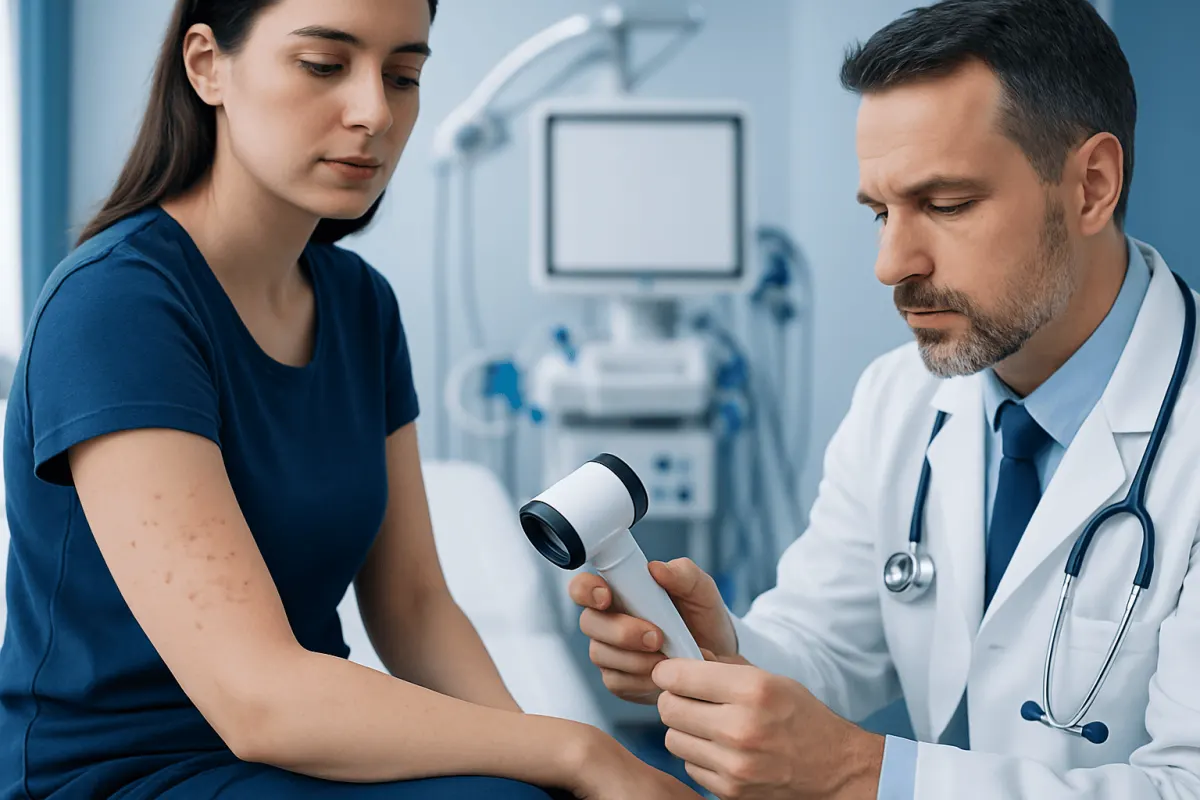
The distribution and shape of the spots are often highly informative. Acne commonly includes comedones, such as blackheads and whiteheads. Folliculitis tends to involve individual follicles, while contact dermatitis may form a more defined patch where the skin met an irritant or allergen. A clinician may use a dermatoscope or take photographs over time to assess progression.
Testing is not always necessary. If infection is suspected, a clinician may swab a pustule for laboratory testing. In selected cases, skin scraping, fungal testing, patch testing for allergies, or a small skin biopsy may be considered. These tests help avoid treating an acne-like rash with products that may aggravate its true cause.
Treatment Options and Practical Skin Care
Treatment depends on the underlying cause. For mild irritation or heat-related bumps, cooling the skin, wearing loose breathable fabrics, showering after sweating, and avoiding heavy or fragranced products may be enough. A gentle, fragrance-free cleanser and simple moisturizer can support the skin barrier without adding unnecessary irritation.
When folliculitis is mild, reducing friction and pausing shaving or waxing in the affected area may help. A clinician may recommend an antiseptic wash, a topical medicine, or other treatment based on whether bacterial, yeast-related, or noninfectious folliculitis is suspected. Antibiotics or antifungal medicines should only be used when clinically appropriate, as the wrong treatment may not help and can sometimes worsen irritation.
For acne-related lesions, non-comedogenic skin products and evidence-based topical acne treatments may be useful, but active ingredients can cause dryness or stinging. It is reasonable to introduce one product at a time and seek professional advice if the skin becomes more inflamed. Dermatology assessment can help tailor treatment when acne, folliculitis, eczema, or another condition is difficult to distinguish.
Itching can be managed by avoiding scratching, keeping fingernails short, and using cool compresses for short periods. Scratching or squeezing bumps can damage the skin, increase inflammation, and leave marks or scars. People should ask a pharmacist or doctor before using anti-itch creams, especially on the face, genital area, broken skin, or in children.
Prevention and Everyday Self-Care
Simple habits can reduce repeated outbreaks of small itchy pimples. Showering after exercise, changing out of damp clothes, washing workout garments between uses, and choosing loose, breathable fabrics can reduce sweat and friction. Keeping hair and hair products away from the forehead, neck, and back may also help people prone to acne-like bumps in these areas.
Use gentle, fragrance-free personal-care products when the skin is reactive. Patch testing a new product on a small area first may help identify irritation before it is used more widely. Avoid sharing razors, towels, or personal skin-care tools, and replace or clean items that repeatedly touch the skin, such as razor blades, pillowcases, makeup applicators, and sports equipment.
For shaving-related bumps, shaving in the direction of hair growth, using a clean sharp blade, applying a suitable shaving product, and not shaving too closely may be helpful. If bumps repeatedly follow hair removal, a clinician can discuss alternatives and assess for ingrown hairs or folliculitis.
Resist the urge to use multiple strong acne products, exfoliants, scrubs, or home remedies at once. Over-treating can disrupt the protective skin barrier and make redness, itching, and breakouts more noticeable. Consistent, gentle care is usually more useful than frequent product changes.
When to Seek Medical Care
Medical advice is appropriate when small itchy pimples last longer than a few weeks, repeatedly return, spread despite self-care, or interfere with sleep and daily comfort. A clinician should also review bumps that are painful, warm, draining pus, forming crusts, leaving scars, or affecting sensitive areas such as the eyes, face, genitals, or large areas of skin.
Prompt assessment is especially important if there is fever, feeling unwell, rapidly increasing redness, red streaks, significant swelling, or a painful lump under the skin. These symptoms can indicate an infection that may need treatment. People with diabetes, immune suppression, or a history of serious skin infections should seek advice earlier.
Emergency care is needed for trouble breathing, dizziness, widespread hives, or swelling of the lips, tongue, throat, or face, as these can be signs of a severe allergic reaction. Acıbadem Health Point’s multidisciplinary specialists and JCI-accredited hospitals can evaluate persistent or complex skin concerns for international patients.
Frequently asked questions
01Are small itchy pimples usually acne?
Not necessarily. Acne can be itchy, particularly if the skin is dry or irritated, but itch is also common with folliculitis, heat rash, contact dermatitis, bites, and other rashes. The presence of blackheads or whiteheads may support acne, while follicle-centered bumps or a clear exposure pattern may suggest another cause.
02Why do I get itchy pimples after sweating?
Sweat, heat, friction, and tight clothing can block sweat ducts or irritate hair follicles. This may cause heat rash or folliculitis-like bumps, particularly in skin folds, under sports clothing, or where equipment rubs the skin. Showering after exercise and changing promptly into dry, loose clothing may reduce recurrence.
03Can shaving cause small itchy pimples?
Yes. Shaving can irritate follicles, lead to ingrown hairs, or contribute to folliculitis, causing itchy or tender red bumps. Using a clean sharp razor, avoiding very close shaving, and shaving in the direction of hair growth may help.
04Should small itchy pimples be popped?
No. Popping or squeezing spots can increase inflammation, introduce bacteria, and raise the risk of dark marks or scarring. Gentle cleansing and cause-specific treatment are safer approaches.
05How long should I wait before seeing a doctor for itchy bumps?
A medical review is sensible if the bumps do not improve within a few weeks, recur often, spread, or become painful or pus-filled. Earlier assessment is recommended if there is fever, rapidly spreading redness, significant swelling, or if the person has a weakened immune system.
06Can a new skin-care product cause itchy pimples?
Yes. Cosmetics, sunscreens, moisturizers, fragrances, and hair products can irritate the skin or trigger allergic contact dermatitis. Stopping the suspected new product and using gentle fragrance-free alternatives may help, but persistent or severe symptoms should be assessed by a clinician.
This article is for general information only and is not a substitute for professional medical advice. Please consult a qualified doctor about your individual situation.
Hair transplant in Turkey — costs, graft counts & a free assessment
JCI-accredited · board-certified surgeons · reply within 24h
Add us as a Preferred Source to see more of our trusted health content across Google Search, AI Overviews and Discover.