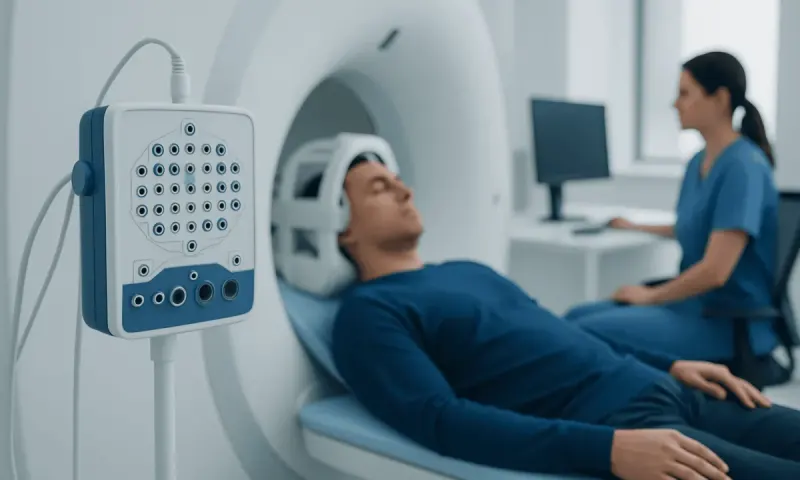
Autistic Test for Teens: What the Assessment Involves
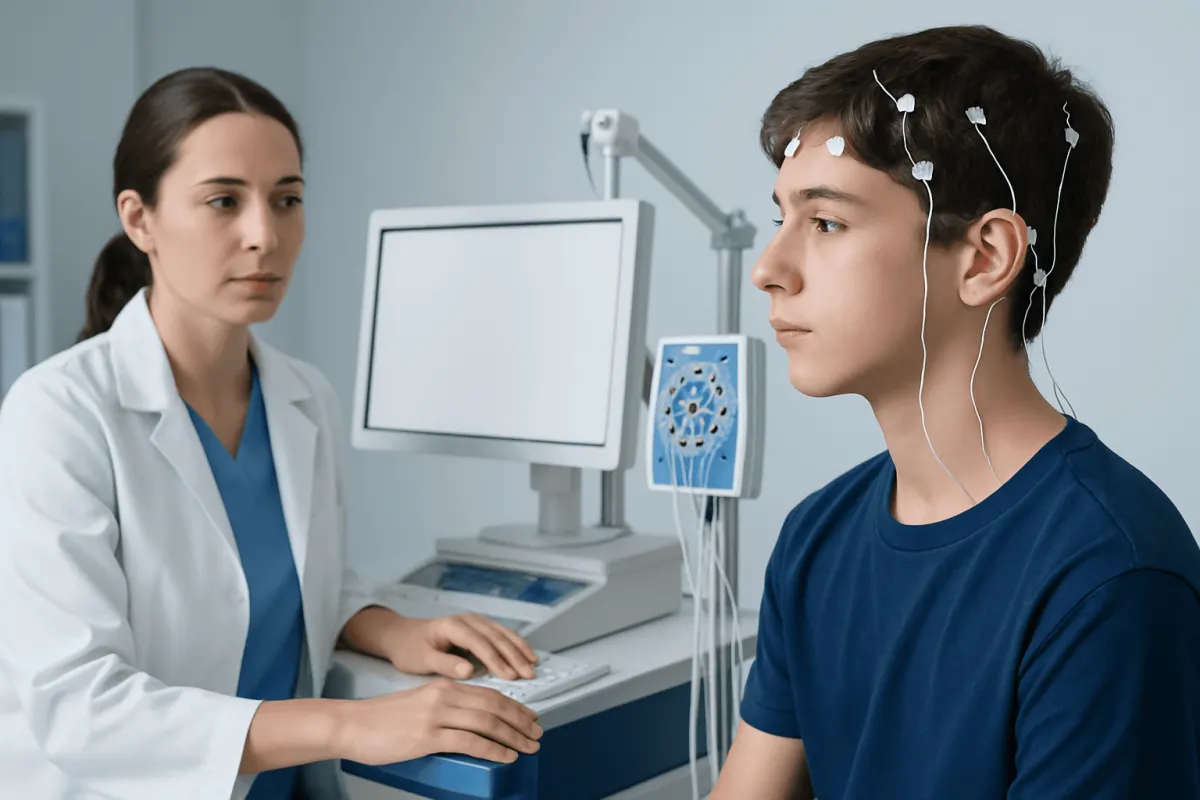
An autistic test for teens is a clinical assessment, not a single blood test, brain scan or online questionnaire. Qualified professionals combine the teenager’s developmental history, current strengths and challenges, structured observation, and information from family and school to determine whether autism spectrum disorder is the best explanation.
Overview: what is an autistic test for teens?
An autistic test for teens is a detailed developmental assessment used to find out whether a young person meets criteria for autism spectrum disorder (ASD). It is not one stand-alone test with a pass-or-fail result. Instead, trained clinicians consider a teenager’s communication style, social interaction, interests, routines, sensory experiences, daily functioning, and developmental history.
An assessment may be requested when a teenager has long-standing differences in social communication, finds change especially difficult, has intense interests, experiences sensory overload, or is struggling at school or in relationships. Some teens are assessed later because they have learned to mask or compensate for difficulties, or because their needs became clearer as social and academic demands increased.
The purpose is not to label normal differences or judge personality. A thoughtful assessment identifies strengths as well as support needs and can help the young person, family, and school make informed decisions. Autism can occur alongside other concerns, such as anxiety, attention-deficit/hyperactivity disorder, learning differences, sleep problems, or depression, which may also be considered.
What happens during an autism assessment?
The procedure varies by service, age, and individual needs, but it commonly begins with a referral or appointment with a pediatrician, child and adolescent psychiatrist, psychologist, neurologist, or specialist autism team. Clinicians should explain the process in advance, including who will attend, how long appointments may last, and how the teenager’s privacy will be handled.
Parents or caregivers are often asked about early development, language milestones, play, friendships, behavior, sensory preferences, health history, and family history. School reports, previous evaluations, and information from teachers may be useful because autism-related differences can appear differently at home and at school.
The teen usually has time to speak directly with a clinician. This may include conversation, questions about everyday experiences, and structured activities that allow the clinician to observe communication and social interaction. Standardized tools may support the assessment, but they do not replace professional judgment. Some services also assess language, learning, attention, emotional health, and adaptive skills such as organization and independent living.
A physical examination, genetic evaluation, hearing assessment, or other investigations may be suggested only when symptoms or medical history indicate that they could be helpful. No blood test, genetic test, or brain scan alone can confirm or rule out autism spectrum disorder.
Preparation, comfort and recovery after testing

There is usually no special physical preparation for an autistic test for teens. Bringing relevant school records, prior assessments, and a list of questions can help the appointment run smoothly. If the teen has specific communication preferences, sensory sensitivities, mobility needs, or needs breaks, families can tell the clinic beforehand.
It can be helpful for the teenager to know that the assessment is not an examination they can fail. They do not need to rehearse answers or behave in a particular way. Honest examples of what feels easy, difficult, confusing, stressful, or enjoyable in daily life are more useful than trying to give a “right” answer.
There is no physical recovery period after the assessment. However, talking about school difficulties, friendships, bullying, anxiety, or feeling different can be emotionally demanding. A quieter plan after the appointment, time to decompress, and reassurance that questions are welcome can be supportive. If difficult emotions continue or there are concerns about safety, a healthcare professional should be contacted promptly.
How long does it take to get results from an autism test?
Results from an autism test may be discussed on the day of the final appointment when the assessment is straightforward and all information is available. More often, the clinical team needs time to review observations, questionnaires, developmental history, school information, and any assessments completed by other professionals before reaching a conclusion.
A written report can therefore take from several days to several weeks, depending on the service and whether further appointments or specialist opinions are needed. Families can ask at the first appointment when feedback is likely, how the result will be communicated, and whether a written summary will be provided.
The feedback discussion should explain whether the teenager meets diagnostic criteria for ASD, what evidence informed the decision, and whether other conditions or support needs were identified. Even if autism is not diagnosed, the assessment can still clarify challenges and point toward useful support.
Understanding the results and next steps
A diagnosis of autism spectrum disorder describes a lifelong neurodevelopmental difference. It does not define the whole teenager or predict a fixed future. Autism is a spectrum: people can have different communication styles, sensory needs, strengths, and levels of support required in different environments and at different times.
Following a diagnosis, the clinician may recommend practical adjustments at home and school, support for communication or daily living skills, mental health care, or assessment for co-occurring conditions. It may be useful to share the report with appropriate school staff, with the teen’s permission and in line with local privacy requirements, so that reasonable supports can be considered.
Support planning should be individualized and collaborative. It should respect the teenager’s views, preferences, culture, identity, and goals, including goals related to education, friendships, independence, and future work. Families may also benefit from reliable autism education and parent or caregiver support.
Is there a cure for autism spectrum disorder?
There is no cure for autism spectrum disorder, and autism is not an illness that needs to be removed. It is a lifelong neurodevelopmental condition. The appropriate aim of care is to understand the person’s needs, reduce distress, support health and participation, and build on individual strengths.
Helpful interventions may address specific challenges, such as communication difficulties, sensory overload, anxiety, sleep concerns, learning needs, or trouble managing daily tasks. Approaches should be adapted to the teenager, respectful, evidence-informed, and focused on meaningful quality-of-life goals rather than attempting to change core identity.
Medication does not treat autism itself. A clinician may sometimes prescribe medication for a separate condition or a particular symptom, such as anxiety, depression, ADHD, severe sleep difficulty, or significant irritability, after a careful individual assessment. Benefits, possible side effects, and regular review are important.
Can mild autism live normal life?
Many autistic people who have lower day-to-day support needs attend school, form relationships, work, live independently, and pursue fulfilling interests. The phrase “mild autism” can be misleading, however, because a person who appears to cope well in one setting may experience substantial effort, fatigue, anxiety, sensory distress, or difficulty in another.
Rather than judging whether a life is “normal,” it is more useful to focus on whether the teenager has the understanding, accommodations, skills, and support needed to live safely and meaningfully. Needs can change during adolescence, examinations, transitions between schools, and entry into employment or higher education.
Early recognition and practical support can reduce avoidable stress. Examples may include clear communication, predictable routines where possible, extra time to process instructions, a quiet space, help with planning, and support for mental health. Independence is best encouraged gradually and according to the young person’s readiness and choices.
What are the treatment guidelines for autism spectrum disorder?
Treatment guidelines for autism spectrum disorder generally recommend an individualized plan developed with the teenager and family. The plan should be based on a comprehensive assessment of strengths, needs, preferences, communication abilities, physical health, mental health, education, and home environment. There is no single intervention that suits every autistic teen.
Guidelines commonly support practical educational adjustments, communication support when needed, structured help with daily living skills, and evidence-based psychological therapies for co-occurring anxiety, depression, or other mental health concerns. Therapies may need adaptation, for example by using clear language, visual supports, predictable sessions, and attention to sensory needs.
Care should also identify and address physical health issues, sleep difficulties, bullying, social isolation, and family stress. Clinicians should be cautious about interventions that promise to cure autism, make broad guarantees, or are not supported by credible evidence. Any treatment should have clear goals, regular review, and respect for the teen’s dignity and autonomy.
Acıbadem Health Point’s multidisciplinary specialists in JCI-accredited hospitals can assess autism-related concerns and help international patients access coordinated, individualized care when appropriate.
When to seek medical care
A parent, caregiver, or teenager can speak with a qualified healthcare professional when persistent social communication differences, sensory distress, rigid routines, school difficulties, anxiety, or challenges with daily functioning are affecting well-being. An assessment can also be appropriate when the teen recognizes autism traits in themselves and would like a clearer understanding of their experiences.
More urgent medical or mental health help is important if a teenager talks about self-harm or suicide, has seriously reduced eating or drinking, is unable to cope with basic daily activities, is experiencing severe distress, or is at immediate risk of harm. Local emergency services or an urgent mental health service should be contacted in an immediate crisis.
Families do not need to wait for a formal diagnosis to request support for school, sleep, anxiety, or other difficulties. A primary care clinician or school health professional can discuss appropriate referrals and practical next steps.
Frequently asked questions
01What is the best age for an autistic test for teens?
There is no single best age. Autism can be assessed whenever persistent developmental or social communication differences are affecting a young person’s life or when the teen wants answers about their experiences. Assessment during adolescence can be especially helpful when school, friendships, independence, or mental health needs are becoming more complex.
02Can an online autism quiz diagnose a teenager?
No. Online questionnaires may help someone recognize traits worth discussing, but they cannot diagnose autism spectrum disorder. A diagnosis requires a qualified clinician to review developmental history, current functioning, observation, and possible alternative or co-occurring conditions.
03Does a parent have to attend a teen autism assessment?
Parent or caregiver input is often very helpful because it provides information about early development and behavior across time. However, services should also listen directly to the teenager and consider their privacy, maturity, and preferences. Arrangements may differ depending on age, local consent laws, and the assessment setting.
04What if the assessment says my teen is not autistic?
A result that does not meet criteria for autism can still be useful. It may identify anxiety, ADHD, learning differences, language needs, or other factors contributing to difficulties. The clinician should explain the findings and recommend appropriate support or further assessment if needed.
05Can autism symptoms become more noticeable in adolescence?
Yes. Autism-related differences may become more noticeable when social expectations, academic workload, sensory demands, and need for independence increase. Some teenagers have also masked difficulties for years, which can be tiring and may contribute to stress or anxiety.
06Will an autism diagnosis affect a teenager’s future?
A diagnosis does not determine a teenager’s abilities, relationships, education, or future opportunities. For many people, it provides a useful explanation and opens access to accommodations and support. The most helpful plans focus on the individual’s goals, strengths, and practical needs.
This article is for general information only and is not a substitute for professional medical advice. Please consult a qualified doctor about your individual situation.
Explore treatments in Turkey — costs, top hospitals & a free quote
JCI-accredited · board-certified surgeons · reply within 24h
Add us as a Preferred Source to see more of our trusted health content across Google Search, AI Overviews and Discover.