Private Mental Health Care: Access, Assessment and Support
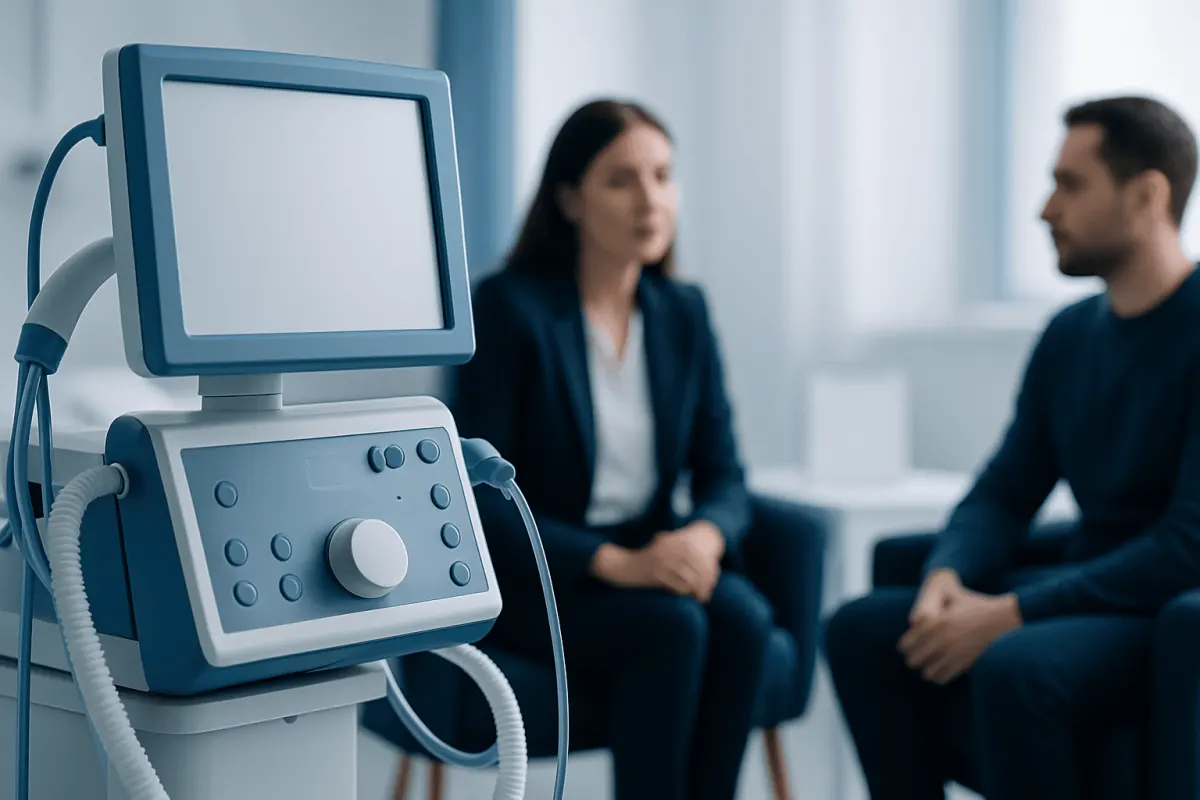
Private mental health care provides access to qualified professionals for assessment, therapy, medication management and, when needed, more intensive treatment. It may be paid for directly or through insurance, but the right service depends on a person’s symptoms, safety needs, preferences and local healthcare system.
Private mental health care: an overview
Private mental health care is healthcare delivered by independent clinicians, private clinics or private hospitals for emotional, behavioral and psychiatric concerns. It can include an initial psychiatric assessment, psychological assessment, talking therapies, medication review, follow-up care and coordinated treatment for people with more complex needs. Some people use these services through private mental health insurance, while others choose self-pay care.
The main purpose is not simply faster access. Good care involves a careful understanding of symptoms, physical health, family and personal history, current stresses, substance use, daily functioning and personal goals. A clinician should explain the available options, discuss potential benefits and limitations, and involve the person in decisions wherever possible.
Private care can work alongside primary care and public services. With consent, sharing relevant information between providers may improve safety and continuity, especially when medication is prescribed or when someone is receiving support from several professionals.
What services can private mental health care include?
Services vary by clinic and country, but private health care for mental health commonly starts with a consultation with a psychiatrist, psychologist or other licensed mental health professional. Psychiatrists are medical doctors who can assess mental health conditions, consider physical causes of symptoms and prescribe medication where permitted. Psychologists and psychotherapists provide assessment and evidence-based psychological therapies.
Treatment may include cognitive behavioral therapy, interpersonal therapy, family therapy, trauma-focused therapy, supportive counseling, medication management or a combination of approaches. The best approach depends on the person’s diagnosis, symptom severity, preferences, previous treatments and practical circumstances.
- Outpatient appointments for assessment, therapy and medication follow-up
- Day programs or intensive outpatient care for more frequent support
- Inpatient treatment when symptoms are severe or safety requires close monitoring
- Specialist care for conditions such as mood disorders, anxiety, eating disorders, addiction or neurodevelopmental concerns
A reputable provider will clarify professional credentials, confidentiality policies, emergency arrangements, estimated treatment frequency and how progress will be reviewed. People should feel able to ask what treatment is recommended, why it is being suggested and what alternatives are available.
Private mental health coverage and insurance considerations

Private mental health coverage differs substantially by insurer, plan type, employer arrangement and jurisdiction. A policy may cover psychiatric consultations, psychotherapy, inpatient admission, day treatment, medications or selected digital services. However, the number of covered sessions, network rules, referral requirements and authorization processes can differ even within the same insurer.
The statement that all private health insurance plans are required to cover care for mental health is not universally true. Legal protections and parity requirements vary by country and by plan. In the United States, some plans must provide mental health and substance-use benefits on terms comparable to medical and surgical benefits, but coverage is still shaped by the specific policy, provider network and applicable regulations.
Before arranging care, it is useful to contact the insurer directly and ask whether a clinician is in network, whether preauthorization is needed, which services are covered and whether there are limits on visits or hospital treatment. Private mental health insurance cost also varies according to the policy, region, age, benefit level and other factors; a clinic should avoid making assumptions about an individual’s out-of-pocket responsibility.
For self-pay care, patients can ask for transparent information about consultation fees, therapy frequency, cancellation policies and any expected assessments before treatment begins. Financial questions are practical and appropriate to raise early, but clinical urgency should not be delayed if someone is in immediate danger.
How mental health assessment and diagnosis work
A mental health assessment is a structured clinical conversation, not a single test. The clinician asks about current symptoms, when they began, how they affect sleep, work, relationships and daily activities, and whether there have been previous episodes or treatments. They may also ask about medical conditions, medications, alcohol or drug use, trauma, family history and sources of support.
Depending on the presentation, the clinician may recommend a physical examination, laboratory testing or consultation with another medical specialist. This is because sleep disorders, thyroid disease, neurological conditions, medication effects and substance use can sometimes contribute to changes in mood, thinking or behavior.
Diagnosis is based on recognized clinical criteria and professional judgment over time. It should lead to a useful care plan rather than a label alone. Symptoms can overlap between conditions, and a diagnosis may be refined as further information becomes available. People experiencing persistent low mood, intense worry or panic may benefit from evaluation for conditions such as depression or anxiety-related disorders.
Is there a psychology test that can detect mental health issues?
There is no single psychology test that can detect every mental health issue or provide a diagnosis on its own. Clinicians may use validated screening questionnaires to identify symptoms of depression, anxiety, trauma-related distress, attention difficulties, substance use or other concerns. These tools can be helpful starting points, particularly when symptoms are not easy to describe.
A positive screening result does not necessarily mean that a person has a mental disorder, and a negative result does not rule out a problem. Scores need to be interpreted alongside a clinical interview, medical history, cultural context and the person’s daily functioning. Some people may also undergo a more detailed psychological or neuropsychological assessment when there are questions about cognition, learning, personality or attention.
Online questionnaires can increase awareness, but they should not replace professional evaluation, especially when symptoms are severe, changing quickly or affecting safety. A qualified clinician can explain what a result means and whether further assessment or treatment is appropriate.
What is the 3 month rule in mental health?
The phrase “3 month rule” does not refer to one universal medical rule in mental health. It may be used informally in different settings to describe an insurer’s waiting period, a time limit for access to a particular service, a period of symptom monitoring, or an eligibility rule for a benefit. Its meaning depends on the healthcare system, policy or organization using the term.
Some mental health diagnoses include duration criteria in clinical classification systems. For example, clinicians may consider how long symptoms have been present when distinguishing between short-term reactions and more persistent disorders. This does not mean a person should wait three months before seeking support. Early assessment can be helpful whenever symptoms are distressing, persistent or interfering with daily life.
Anyone who has been told about a three-month requirement should ask the organization for the written policy and clarify whether it affects coverage, referral, treatment authorization or another administrative process. Safety concerns should always be addressed immediately, regardless of any coverage timeline.
What are the most serious mental disorders?
Severity is not determined by a diagnosis alone. A mental health condition may be considered serious when it causes marked distress, substantially affects work, study, relationships or self-care, involves loss of touch with reality, or creates a risk of self-harm, suicide or harm to others. The same diagnosis can affect different people in very different ways.
Conditions that may require specialist and sometimes urgent care include severe major depression, bipolar disorder during significant mood episodes, schizophrenia-spectrum and other psychotic disorders, severe eating disorders, substance-use disorders, post-traumatic stress disorder with major impairment and severe obsessive-compulsive disorder. These conditions are treatable, and early, comprehensive support can improve functioning and quality of life.
Care may involve therapy, medication, social support, family involvement and treatment of physical health needs. In some situations, a structured program or hospital-based care is recommended to provide close monitoring and stabilization. Decisions should be individualized and made with appropriately qualified professionals.
When to seek medical care
Medical care is appropriate when emotional or behavioral symptoms persist, worsen, cause distress or make everyday activities difficult. Examples include ongoing sadness, panic, severe worry, sleep disruption, changes in appetite, withdrawal from others, escalating substance use, troubling thoughts, unusually high energy with little sleep, or difficulty concentrating and functioning.
Urgent assessment is needed if a person has thoughts of suicide or self-harm, has a plan or intent to act on such thoughts, feels unable to stay safe, experiences hallucinations or fixed beliefs that others do not share, becomes severely confused, or cannot meet basic needs. In these situations, contact local emergency services, go to the nearest emergency department, or use a local crisis service. A trusted person should stay with the individual where possible.
Acıbadem Health Point’s multidisciplinary specialists and JCI-accredited hospitals can assess and treat mental health concerns for international patients, with care tailored to clinical needs. For non-urgent concerns, people can begin by speaking with a primary care clinician or a licensed mental health professional and arranging an appropriate assessment.
Where can I find free mental health services in NYC?
New York City residents may be able to access free or low-cost mental health support through NYC Well, a citywide service that offers confidential support and links to local resources. It can help people locate counseling, crisis support, peer services and referrals in multiple languages. In an immediate emergency, people should call 911 or go to an emergency department.
Other options may include community mental health centers, public hospitals, federally qualified health centers, nonprofit organizations, school or university counseling services, and programs funded through New York State or city agencies. Availability, eligibility and wait times can change, so it is helpful to confirm current information directly with the service.
People with health insurance can also contact their plan’s behavioral health number to ask about in-network clinicians, telehealth options and community services. Those seeking specialized support should explain their main concern when contacting a service so that they can be directed to the most appropriate level of care.
Frequently asked questions
01How do I choose a private mental health provider?
People can start by checking that the clinician is licensed and has relevant experience with their main concern. It is also reasonable to ask about the type of therapy offered, appointment availability, medication management, confidentiality and emergency support. A good therapeutic relationship matters, and a person may seek another qualified provider if the fit does not feel right.
02Can private mental health care provide both therapy and medication?
Yes. A private clinic may offer therapy, psychiatric assessment and medication management within one service, or coordinate care between separate professionals. Medication is only one possible treatment option and should be reviewed regularly for benefit, side effects and ongoing need.
03Does private mental health insurance cover therapy?
Some private mental health insurance plans cover therapy, but the details vary. A policy may limit the number of sessions, require use of network providers or request prior authorization. The insurer can confirm the benefits that apply to an individual plan.
04Do I need a referral for private mental health care?
Referral requirements depend on the country, insurer and provider. Some private clinicians accept self-referrals, while others may request a referral or medical information from a primary care doctor. A referral can be useful when there are physical health concerns, complex medications or a need for coordinated care.
05Can mental health conditions be treated successfully?
Many mental health conditions improve with appropriate treatment, support and follow-up. Treatment may involve therapy, medication, lifestyle support, family involvement or a combination of these approaches. Recovery is not always linear, but care plans can be adjusted as needs change.
06What should someone do if they are worried about a loved one’s mental health?
They can approach the person calmly, listen without judgment and encourage them to speak with a healthcare professional. If there is an immediate risk of self-harm, suicide, violence, severe confusion or inability to stay safe, emergency or crisis services should be contacted promptly. It is important not to leave someone alone if there is an imminent safety concern.
This article is for general information only and is not a substitute for professional medical advice. Please consult a qualified doctor about your individual situation.
Explore treatments in Turkey — costs, top hospitals & a free quote
JCI-accredited · board-certified surgeons · reply within 24h
Add us as a Preferred Source to see more of our trusted health content across Google Search, AI Overviews and Discover.