Arthralgia: Symptoms, Causes and Treatment

Key Takeaways
- Arthralgia is a symptom, not a disease, and it can arise from many different conditions.
- The pattern of pain, swelling, stiffness, and fever helps narrow down the cause.
- Diagnosis may include a physical exam, blood tests, and imaging studies.
- Treatment focuses on the underlying condition, plus safe pain relief and joint protection.
- People with severe swelling, fever, injury, or sudden loss of function should seek medical care promptly.
Arthralgia means joint pain, but it is not a diagnosis on its own. Understanding where the pain comes from, what it feels like, and what other symptoms appear alongside it helps doctors find the right cause and treatment.
Overview
Arthralgia is the medical term for pain in one or more joints. It can involve a small joint, such as a finger, or a larger weight-bearing joint like the knee, hip, or ankle. Because many different conditions can lead to joint pain, arthralgia is best understood as a signal that deserves attention rather than a diagnosis on its own.
For some people, the discomfort is brief and linked to overuse, strain, or a minor illness. For others, it is part of a longer pattern that includes stiffness, swelling, fatigue, or changes in how the joints move. The reason matters: a joint that simply hurts after activity is approached differently from a joint that is hot, swollen, and difficult to bend.
International patients often begin by trying to make sense of symptoms in daily life: a stiff knee after long flights, finger pain that makes luggage difficult to manage, or aching joints that do not improve with rest. A clear evaluation helps separate temporary irritation from inflammatory, mechanical, infectious, or autoimmune causes.
Symptoms
Arthralgia may feel sharp, aching, throbbing, burning, or like a deep soreness inside the joint. Some people notice pain only when they move, while others feel it even at rest. The pain may stay in one place or move from joint to joint over time.
Clues that help describe joint pain include whether the joint is swollen, warm, red, stiff, or limited in movement. Morning stiffness that lasts a long time can point toward inflammation, while pain that worsens with use may suggest wear-and-tear or mechanical strain. Some people also experience clicking, catching, or a sense that the joint is unstable.
Joint pain can be accompanied by symptoms outside the joints, such as fever, rash, tiredness, muscle aches, weight change, or eye irritation. These extra findings are important because they can point to infections, autoimmune diseases, crystal-related conditions, or other systemic problems.
- Localized pain in one joint or widespread pain in several joints
- Swelling, tenderness, warmth, or redness
- Stiffness, especially after rest or in the morning
- Reduced range of motion or difficulty bearing weight
- General symptoms such as fever, fatigue, or rash
Causes & Risk Factors

Arthralgia can come from many sources. The most common are overuse, minor injury, osteoarthritis, inflammatory arthritis, tendon or ligament strain, and viral illnesses. Less commonly, joint pain may be related to gout, Treatment Options" class="ahp-ilk">autoimmune disease, infection in the joint, or medication side effects.
Age, activity level, previous injuries, excess body weight, and family history all influence the risk of joint pain. Repetitive motion at work, sports training, long travel, and poor sleep can also make aches more noticeable. People with autoimmune conditions, metabolic disorders, or recent infections may have a higher chance of developing ongoing joint symptoms.
Because the list of causes is broad, doctors look beyond the joint itself. They ask about the timing of pain, whether symptoms move between joints, whether there is stiffness in the morning, and whether there have been recent infections, new medications, or changes in physical activity. That wider view often provides the best clue.
Common categories include:
- Mechanical: osteoarthritis, overuse, sprain, cartilage wear
- Inflammatory: rheumatoid arthritis, psoriatic arthritis, lupus
- Infectious: viral arthritis, septic arthritis, post-infectious pain
- Metabolic: gout and other crystal-related disorders
- Other: medication reactions, endocrine or autoimmune conditions
Diagnosis
Diagnosing the cause of arthralgia starts with a careful history and physical examination. A doctor will usually ask which joints hurt, how long the pain has been present, what makes it better or worse, and whether the joint looks swollen or behaves differently than before. The pattern of symptoms often matters more than the pain score alone.
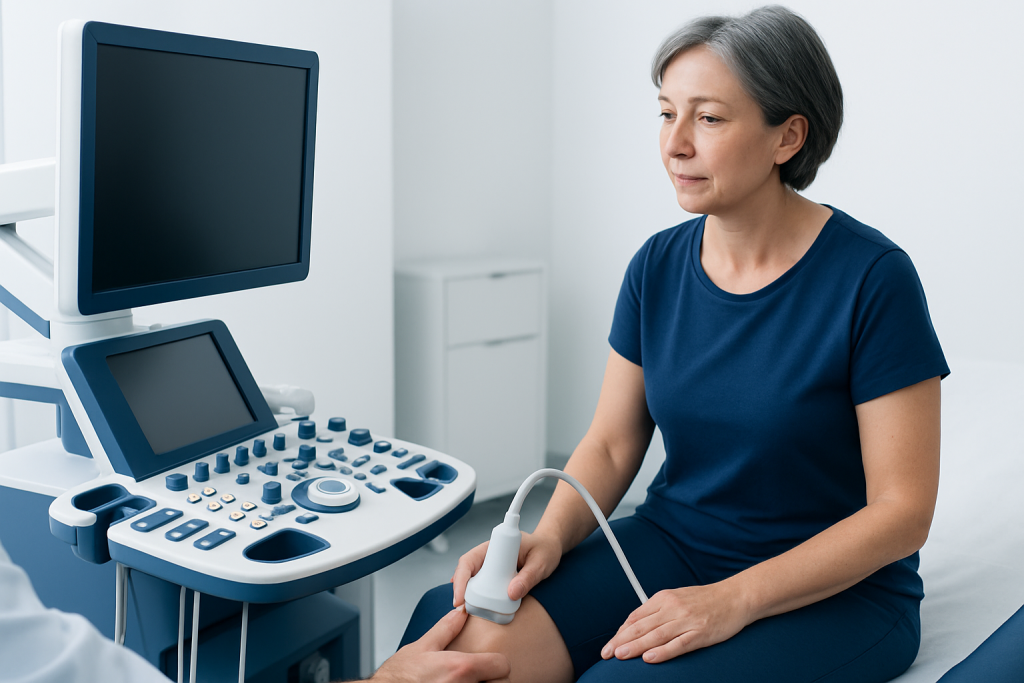
Depending on the findings, testing may include blood work to look for inflammation, infection, autoimmune activity, uric acid abnormalities, or other signs of illness. Imaging studies such as X-rays, ultrasound, or MRI may help evaluate bone, cartilage, soft tissue, or fluid in the joint. In certain situations, a doctor may recommend joint fluid analysis to rule out infection or crystal disease.
For travelers seeking care in another country, the diagnostic plan is often organized into a compact schedule so that consultation, imaging, and laboratory work can happen efficiently. Bringing prior records, medication lists, and any recent test results can make the evaluation smoother and reduce the chance of repeating unnecessary studies.
Useful questions during the assessment often include:
- Is the pain in one joint or several?
- Is there visible swelling, redness, or heat?
- Does stiffness improve with movement or worsen it?
- Have there been recent infections, injuries, or new medications?
- Are there symptoms such as fever, rash, or eye pain?
Treatment Options
Treatment depends on the cause, which is why identifying the underlying problem is so important. A joint that hurts because of overuse is managed differently from one affected by gout, autoimmune inflammation, or infection. Once the cause is clearer, the plan becomes more targeted and usually more effective.
For many people, initial care includes rest, temporary activity modification, ice or heat, gentle movement, and joint support when needed. Pain relief may be recommended, but the choice depends on the person’s medical history and the joint involved. If inflammation, infection, or an autoimmune disorder is present, treatment may include prescription medicines or other specialist therapies.
Doctors may also recommend physical therapy or rehabilitation to restore strength, flexibility, and function. This can be especially helpful after injury, prolonged inactivity, or surgery, and it is often valuable for patients who need to resume walking, lifting, or traveling comfortably after treatment.
Examples of treatment directions may include:
- Conservative care for strain, overuse, or mild degenerative pain
- Anti-inflammatory treatment when appropriate and safe
- Targeted therapy for gout, autoimmune disease, or infection
- Physical therapy to improve movement and support the joint
- Procedures or surgery in selected structural problems
Prevention & Self-care
Not every cause of arthralgia can be prevented, but joint-friendly habits can reduce stress on the body. Regular low-impact activity, maintaining a healthy weight, good posture, and balanced strength around the joints all help lower mechanical strain. Warm-up and cool-down routines are useful before sports or long periods of walking.
Self-care should be practical and safe. Many people benefit from pacing activities rather than pushing through pain, using supportive footwear, and avoiding sudden increases in exercise intensity. If a joint is already irritated, short periods of rest combined with gentle motion may be better than complete immobility, which can sometimes increase stiffness.
For people traveling for medical care, planning matters too. Comfortable shoes, manageable luggage, breaks during long journeys, and a clear plan for medications and follow-up can make recovery easier. If the joint problem is ongoing, keeping a simple symptom diary before the consultation can help the doctor see patterns that might otherwise be missed.
- Stay active with low-impact exercise when possible
- Protect joints during repetitive tasks or sports
- Use heat or cold based on what feels helpful and safe
- Follow treatment plans consistently, including rehabilitation
- Seek medical advice before starting new supplements or medications
When to See a Doctor
Medical evaluation is important if joint pain lasts more than a short period, keeps returning, or begins to interfere with walking, work, sleep, or daily tasks. Even when pain seems mild, ongoing symptoms can reveal an underlying condition that is easier to treat early.
Prompt care is especially important if a joint becomes very swollen, hot, red, or suddenly difficult to move, or if the pain follows an injury. Fever, unexplained weight loss, rash, significant fatigue, or pain in several joints at once also deserve attention. These features do not automatically mean something serious, but they do help guide the next steps.
People who are immunocompromised, have a history of autoimmune disease, or recently had an infection should be assessed without delay if the joint becomes acutely painful or swollen. In such cases, a timely examination can help protect joint function and avoid complications.
Acibadem Health Point’s multidisciplinary specialists and JCI-accredited hospitals diagnose and treat arthralgia for international patients, with coordinated care that supports evaluation, treatment, and follow-up planning.
Living With Arthralgia
Living with joint pain is often less about enduring discomfort and more about learning what the body is trying to communicate. The same word, arthralgia, can describe a short-lived ache after a long trip or the first sign of a chronic inflammatory condition. Clear observation, good documentation, and timely assessment make a real difference.
Many people do best when they combine practical self-care with a structured medical plan. That may include medication, rehabilitation, lifestyle changes, and periodic review, especially when symptoms change over time. The goal is not only pain relief, but also preserving movement, independence, and confidence in daily activities.
When care is needed across borders, continuity matters. Keeping records, knowing the diagnosis, and having a follow-up plan with a qualified doctor helps the recovery process continue smoothly after the trip home.
What Arthralgia Does Not Mean
Arthralgia means joint pain, but it does not automatically mean arthritis, injury, or a dangerous illness. It also does not tell the doctor which tissue is affected. Pain may come from the joint lining, cartilage, tendons near the joint, surrounding muscles, or from a body-wide condition that first appears in the joints.
This is why self-diagnosis can be misleading. Two people may describe the same pain very differently while having completely different causes. A professional assessment helps avoid unnecessary worry and ensures that treatment is matched to the real problem.
In many cases, the next step is straightforward: identify the pattern, rule out urgent causes, and build a plan that protects the joint while the underlying issue is addressed.
Frequently asked questions
01Is arthralgia the same as arthritis?
Not exactly. Arthralgia means joint pain, while arthritis means inflammation of a joint. A person can have arthralgia without arthritis, and doctors use the exam and tests to tell the difference.
02Can arthralgia go away on its own?
Sometimes it can, especially if it is related to a minor strain, overuse, or a short-lived viral illness. If the pain lingers, returns often, or comes with swelling or stiffness, it should be evaluated.
03What kind of doctor treats arthralgia?
The right doctor depends on the cause and the joint involved. Primary care doctors, orthopedists, rheumatologists, and rehabilitation specialists may all be involved in care.
04Does joint pain always mean a serious problem?
No. Many causes of arthralgia are manageable and not dangerous. Still, persistent or sudden joint pain should not be ignored because early evaluation can improve outcomes.
05What should a patient bring to the appointment?
It helps to bring a list of symptoms, current medications, prior test results, and information about previous injuries or diagnoses. Photos of visible swelling or rash can also be useful if symptoms change over time.
06Can lifestyle changes help with arthralgia?
Yes, especially when the pain is related to strain, posture, or arthritis. Gentle exercise, weight management, joint protection, and rehabilitation often support longer-term comfort and function.
This article is for general information only and is not a substitute for professional medical advice. Please consult a qualified doctor about your individual situation.
Joint and spine care in Turkey — expert assessment & treatment
JCI-accredited · board-certified surgeons · reply within 24h
Add us as a Preferred Source to see more of our trusted health content across Google Search, AI Overviews and Discover.