Are Colon Spasms Ever a Sign of Cancer?

Colon spasms are usually not a sign of cancer. They more often reflect temporary bowel irritation, constipation, food-related symptoms, infection, or a functional bowel condition, but new or persistent symptoms should be assessed when warning signs are present.
Are Colon Spasms Usually a Sign of Cancer?
Colon spasms are usually not a sign of cancer. The term commonly describes cramping, squeezing, or sharp discomfort caused by the muscular wall of the large intestine contracting. Many people experience this temporarily with gas, constipation, diarrhea, dietary changes, stress, or a sensitive bowel.
Colorectal cancer can sometimes cause abdominal discomfort or altered bowel habits, but spasms by themselves are not a reliable or common indicator. Concern is greater when cramping is new, does not settle, progressively worsens, or occurs with warning signs such as rectal bleeding, unexplained weight loss, ongoing fatigue, or a lasting change in stools.
A medical review can clarify the cause and help exclude conditions that need treatment. This is particularly important for people who are due for colorectal Colon Cancer Screening: Tests, Age, and Risk Factors" class="ahp-ilk">cancer screening or who have a personal or family history that raises their risk.
What People Mean by Colon Spasms
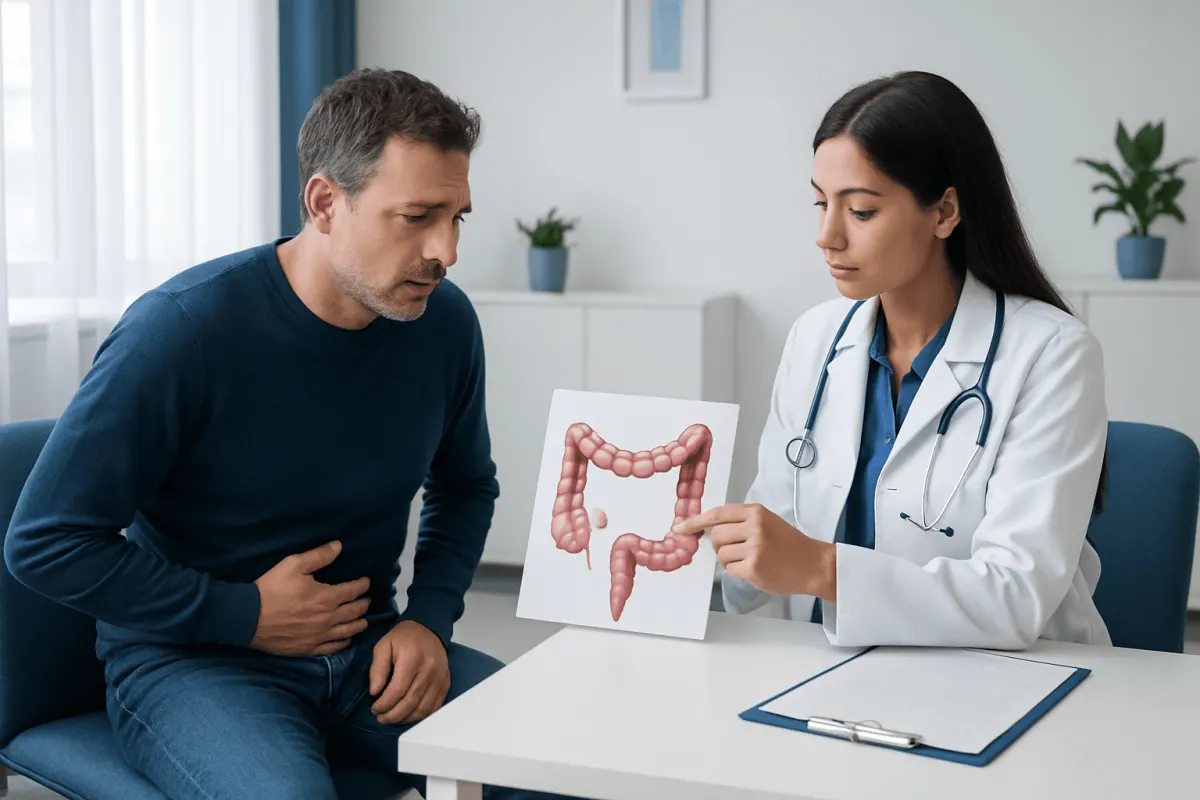
“Colon spasm” is not a precise diagnosis. It is a common way of describing lower abdominal cramps that may come and go, sometimes improving after a bowel movement or passing gas. The colon normally contracts to move stool and gas forward; these contractions may become more noticeable when the bowel is stretched, irritated, or sensitive.
The sensation can range from mild fluttering or pressure to painful cramping. It may occur with bloating, urgency to use the toilet, constipation, loose stools, or alternating bowel habits. Symptoms can be felt in different areas of the abdomen and do not always identify the exact part of the bowel involved.
In many cases, a pattern helps guide assessment. For example, discomfort that is recurrent and related to passing stool may occur with irritable bowel syndrome, while cramps with hard, infrequent stools may suggest constipation. A doctor considers the full pattern rather than relying on the word “spasm” alone.
Common Causes of Bowel Cramping
Common, non-cancerous explanations include constipation, trapped gas, short-lived viral or food-related gastroenteritis, and changes in usual eating or drinking habits. Large meals, fatty foods, alcohol, caffeine, sugar alcohol sweeteners, and foods that produce more gas can trigger symptoms in some people. Lactose intolerance or other food sensitivities may also contribute.
Irritable bowel syndrome (IBS) is another frequent cause. IBS is a disorder of gut-brain interaction in which the bowel can be unusually sensitive. It can cause recurring abdominal pain linked with constipation, diarrhea, or both, but it does not damage the bowel or turn into cancer. Inflammatory bowel disease, diverticular disease, pelvic conditions, and medication side effects are additional possible causes depending on the person’s symptoms.
Stress and anxiety can influence intestinal movement and pain sensitivity, even when there is no structural disease in the bowel. This does not mean the symptoms are imagined; it reflects the close communication between the brain and digestive tract. Keeping a brief record of food, symptoms, bowel movements, and medications can give a clinician useful information.
- Constipation or diarrhea
- Gas, dietary triggers, or food intolerance
- IBS and other disorders of gut-brain interaction
- Gastrointestinal infection or food poisoning
- Inflammation, diverticular disease, or medication effects
How Colon Cancer Symptoms Can Differ
Colorectal cancer may cause no symptoms at an early stage, which is why screening matters for eligible adults. When symptoms occur, they can overlap with common digestive conditions. Possible symptoms include rectal bleeding or blood mixed with stool, a persistent change in bowel habits, a feeling that the bowel does not empty fully, unexplained iron-deficiency anemia, fatigue, abdominal pain, or unintentional weight loss.
These signs do not automatically mean cancer. Hemorrhoids, anal fissures, infections, polyps, inflammatory bowel disease, and many other conditions can also cause bleeding or changes in stool. Still, it is important not to assume that bleeding is due to hemorrhoids without appropriate assessment, particularly if it is new or recurrent.
The overall context is important. A new and persistent bowel change in an older adult, symptoms that steadily progress, or symptoms in someone with a close relative affected by colorectal cancer should be discussed with a doctor. A history of colon polyps, inflammatory bowel disease, or certain inherited cancer syndromes may also change screening recommendations.
When to Seek Medical Care
Non-urgent medical advice is appropriate for cramping that lasts more than a few weeks, keeps returning, disrupts everyday life, or comes with a persistent change in bowel habits. A clinician can review symptoms, medicines, diet, medical history, and screening needs. Earlier assessment is sensible if the symptoms are new after midlife or there is a family history of colorectal cancer or advanced polyps.
Prompt medical care is needed for blood in the stool, black or tar-like stools, unexplained weight loss, unusual tiredness, persistent vomiting, fever with significant abdominal pain, or a new abdominal lump. Severe or rapidly worsening pain, a swollen abdomen with inability to pass stool or gas, fainting, or heavy bleeding should be assessed urgently.
It is especially important to seek review rather than self-treating for long periods when symptoms are changing. Most causes of cramps are manageable and non-cancerous, and timely evaluation provides reassurance as well as access to appropriate care if a condition is found.
How Doctors Evaluate Colon Spasms and Cancer Risk
A doctor will first ask about the location, timing, severity, and triggers of cramping, as well as stool frequency and appearance. They may ask about bleeding, appetite, weight changes, fever, fatigue, recent travel, dietary patterns, and medications. Personal history of polyps or bowel disease and family history of colorectal cancer are also relevant.
The assessment may include an abdominal examination and, when appropriate, a rectal examination. Blood tests can look for anemia, inflammation, infection, or other clues. Stool tests may be used to check for hidden blood or infection. These tests are selected based on the symptoms and are not required for every person with mild, short-lived cramps.
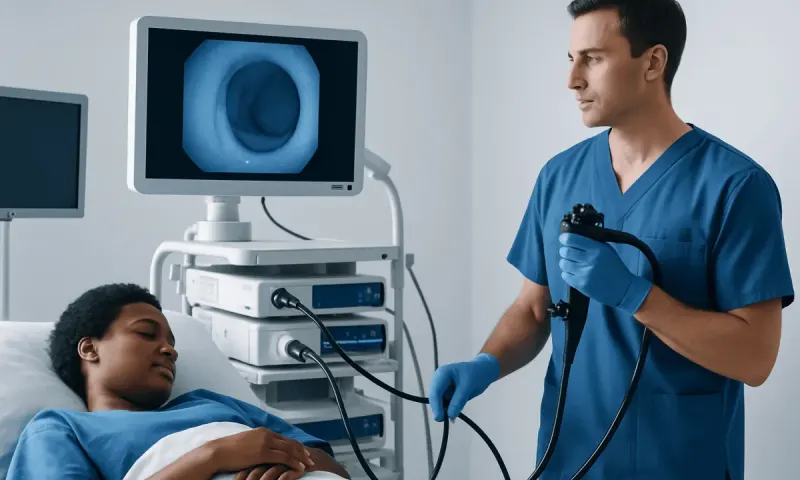
If symptoms, risk factors, or screening needs indicate further investigation, a clinician may recommend colonoscopy. This procedure allows the lining of the colon to be examined and enables removal or sampling of polyps when needed. Imaging studies may be considered in particular circumstances, such as suspected inflammation, obstruction, or another abdominal condition.
Colorectal cancer screening is different from testing symptoms, although the methods may overlap. People should ask their clinician when screening should begin and how often it is needed, as guidance varies according to age, country, test availability, and individual risk.
Relieving Mild Symptoms and Supporting Bowel Health
For mild cramps without warning signs, simple measures may help. Drinking enough fluids, gradually increasing fiber when constipation is present, maintaining regular physical activity, and allowing time for unhurried bowel movements can support regularity. A sudden large increase in fiber may worsen gas for some people, so gradual changes are generally more comfortable.
It may be useful to identify personal triggers by noting meals, stress, symptoms, and bowel patterns. Some people benefit from reducing foods that reliably worsen bloating or cramps. However, restrictive diets should be approached carefully, ideally with advice from a clinician or dietitian, to avoid unnecessary nutritional limitations.
Over-the-counter treatments may be appropriate for some causes, but the choice depends on whether constipation, diarrhea, gas, or another issue is present. A pharmacist or clinician can advise on safe options and possible interactions. Persistent or recurrent symptoms should not be managed solely with self-care without medical guidance.
Acıbadem Health Point’s multidisciplinary specialists and JCI-accredited hospitals can assess digestive symptoms and provide diagnostic and treatment planning for international patients when clinically needed.
Frequently asked questions
01Can colon spasms be the first sign of colon cancer?
Colon spasms alone are not usually the first or only sign of colorectal cancer. Cancer may cause cramping if it affects bowel function, but doctors are more concerned when cramps occur with bleeding, ongoing bowel habit changes, anemia, weight loss, or symptoms that progressively worsen. Screening can detect colorectal cancer before symptoms develop.
02What does a colon spasm feel like?
A colon spasm may feel like squeezing, pressure, sharp cramps, or waves of pain in the lower or central abdomen. It may occur with bloating, gas, urgency, constipation, or diarrhea. The feeling can vary substantially between people and does not by itself establish the cause.
03Can IBS cause severe colon spasms?
Yes. IBS can cause significant abdominal cramping and changes in bowel habits, even though it does not cause visible damage to the bowel. Symptoms often fluctuate over time and may be influenced by meals, stress, sleep, or infections. A clinician should confirm the diagnosis, especially if symptoms are new or warning signs are present.
04Should blood in the stool always be checked?
Yes, new, recurrent, or unexplained blood in the stool should be discussed with a healthcare professional. Common causes include hemorrhoids and anal fissures, but bleeding can also result from polyps, inflammation, or cancer. The color, amount, and accompanying symptoms help guide the urgency and type of evaluation.
05How long should colon cramps last before seeing a doctor?
Brief cramps that clearly improve after passing gas or stool may not need urgent assessment. Medical advice is appropriate if cramps persist for more than a few weeks, recur frequently, interfere with normal activities, or are accompanied by a lasting bowel change. Urgent assessment is needed for severe pain, significant bleeding, vomiting, fever, or inability to pass stool or gas.
06Can a colonoscopy find the cause of bowel spasms?
A colonoscopy can identify or rule out certain structural causes, including polyps, cancer, inflammation, and some bleeding sources. It is not always necessary for mild, typical symptoms of a functional bowel disorder, because these conditions may not cause visible changes in the colon. A doctor decides whether colonoscopy is appropriate based on symptoms, age, medical history, and screening status.
This article is for general information only and is not a substitute for professional medical advice. Please consult a qualified doctor about your individual situation.
Medical weight-loss options in Turkey — costs & eligibility
JCI-accredited · board-certified surgeons · reply within 24h
Add us as a Preferred Source to see more of our trusted health content across Google Search, AI Overviews and Discover.