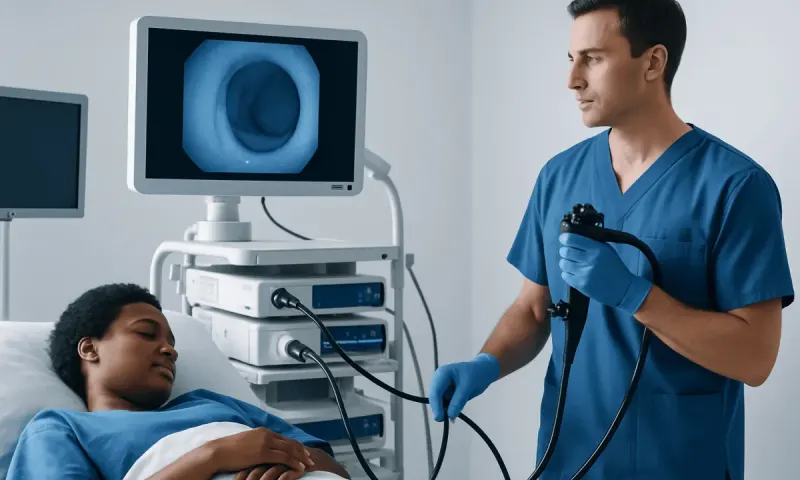
Chemo Belly: Managing Bloating During Treatment

Chemo belly is a non-medical term patients may use for abdominal bloating, discomfort, gas, nausea, or changes in bowel habits during chemotherapy. These symptoms are common and often treatable, but new, severe, or worsening abdominal symptoms should be discussed with the cancer care team.
What does chemo belly mean?
Chemo belly is an informal phrase for digestive symptoms that develop during or after chemotherapy. It may refer to bloating, a swollen or tight-feeling abdomen, cramping, gas, nausea, constipation, diarrhea, indigestion, or a sense that the stomach is unsettled. The phrase does not identify one specific medical problem.
Many people experience changes in the digestive system while receiving cancer treatment. Chemotherapy can affect rapidly dividing cells in the lining of the mouth and intestines, alter normal bowel movement, and change appetite and eating patterns. Medicines given alongside chemotherapy, including pain medicines, anti-nausea medicines, antibiotics, steroids, or iron, may also affect digestion.
Although chemo belly is often temporary and manageable, it should not simply be accepted as unavoidable. The oncology team can help determine whether symptoms are an expected treatment effect, a medicine-related issue, a dietary concern, or a sign of a complication that needs prompt care.
Why digestive symptoms can happen during chemotherapy
The digestive tract normally moves food, fluid, and gas forward through coordinated muscle contractions. Chemotherapy and related medicines can slow this movement, speed it up, or irritate the intestinal lining. When movement slows, constipation and trapped gas may cause bloating and discomfort. When it speeds up or the lining is irritated, loose stools, urgency, cramps, and dehydration can occur.
Nausea may lead a person to eat and drink less, which can make constipation more likely. Reduced activity, changes in routine, and low fiber intake can contribute as well. In contrast, suddenly increasing fiber or eating foods that commonly produce gas may worsen bloating for some people, especially when the bowel is already sensitive.
Not every abdominal symptom is directly caused by chemotherapy. Infection, food intolerance, reflux, an existing bowel condition, surgery, Colon Cancer Radiation: How It Works, Results and What to Expect" class="ahp-ilk">Cancer Radiation Treatment: Options and Outlook" class="ahp-ilk">radiation treatment, or the cancer itself may also play a role. This is why it is helpful to describe symptoms clearly rather than using the term chemo belly alone.
- Note whether symptoms began after a treatment session or a new medicine.
- Track bowel frequency, stool appearance, pain, nausea, and vomiting.
- Record changes in eating, drinking, and urination.
- Tell the care team about over-the-counter medicines, vitamins, herbal products, and supplements.
Common symptoms and what they may suggest

Chemo belly can feel different from person to person. Bloating may be mild fullness after meals, visible abdominal distension, or pressure from gas. Constipation often means fewer bowel movements than usual, hard stools, straining, or a feeling of incomplete emptying. Diarrhea involves loose or watery stools and may be accompanied by cramps, urgency, or fatigue.
Nausea, early fullness, heartburn, and reduced appetite may occur alongside bowel changes. Some people also notice that particular smells, foods, or large meals are harder to tolerate during treatment. These symptoms can affect nutrition, sleep, and quality of life, so they are important to report even if they seem minor.
The pattern can offer useful clues. Constipation that starts after opioid pain medicine or certain anti-nausea treatments may need a prevention plan. Diarrhea soon after treatment may reflect irritation of the bowel lining, but it can also be caused by infection, particularly if the immune system is weakened. A clinician should assess persistent, severe, or changing symptoms rather than relying on assumptions.
How the cancer care team evaluates chemo belly
Assessment usually begins with a conversation about the timing and severity of symptoms. The clinician may ask about the chemotherapy regimen, other medicines, past digestive conditions, recent antibiotic use, dietary changes, fluid intake, and whether the person has been able to pass stool and gas. A physical examination may include gently checking the abdomen for tenderness, swelling, or bowel sounds.
Depending on the symptoms, the care team may recommend blood tests to assess hydration, electrolytes, kidney function, or infection risk. Stool testing may be appropriate for persistent diarrhea or suspected infection. Imaging may be needed when there is significant distension, severe pain, vomiting, or concern about a blockage or another abdominal complication.
Patients should contact their oncology team before taking a new laxative, enema, anti-diarrheal medicine, probiotic, herbal preparation, or supplement. Some products are not appropriate during certain treatments, may interact with medicines, or may mask symptoms that need assessment. Safe treatment is tailored to the cause and to the person’s cancer plan.
Practical ways to manage mild symptoms
For mild symptoms that have been discussed with the oncology team, simple routines can often help. Small, frequent meals may be easier to tolerate than large meals. Eating slowly, limiting carbonated drinks, and avoiding foods that repeatedly trigger discomfort can reduce gas and fullness. A registered dietitian with oncology experience can help adapt meals without unnecessarily restricting nutrition.
Regular sips of fluid throughout the day can support hydration and bowel function, unless the medical team has advised fluid limits for another condition. Gentle movement, such as short walks if the person feels well enough, may also encourage normal bowel activity. Rest is important, but prolonged inactivity can contribute to constipation.
Diet choices should match the symptom. With constipation, the team may suggest fluids, gradual dietary fiber adjustments, activity, or prescribed bowel medicines. With diarrhea, they may recommend more fluid and electrolyte replacement, temporarily simpler foods, and specific medication if appropriate. People should avoid using anti-diarrheal medication on their own when diarrhea is severe, accompanied by fever or abdominal pain, or occurs during periods of low white blood cell counts.
Keeping a brief symptom diary can make appointments more productive. It can include the number and type of bowel movements, temperature if advised, food and fluid intake, medicines taken, pain level, and whether symptoms affect sleep or daily activities.
When to seek medical care
It is sensible to contact the cancer care team promptly for symptoms that are new, worsening, persistent, or preventing normal eating and drinking. The team should also be told about ongoing constipation, repeated diarrhea, significant bloating, or nausea that is not controlled by the prescribed plan. Early advice can prevent dehydration, poor nutrition, and unnecessary discomfort.
Urgent medical advice is needed for severe or increasing abdominal pain, a hard or markedly swollen abdomen, repeated vomiting, inability to keep fluids down, or inability to pass stool or gas with worsening discomfort. Fever or chills during chemotherapy should always be taken seriously because infection can become serious more quickly when immune defenses are reduced.
Other reasons for urgent assessment include blood in the stool, black tar-like stool, fainting, confusion, severe weakness, or signs of dehydration such as very little urine, dizziness, or a racing heartbeat. Patients should follow the emergency contact instructions provided by their oncology service, rather than waiting for the next routine appointment.
Supporting digestive health throughout treatment
Planning ahead can make digestive side effects easier to manage. Before treatment begins, patients can ask which bowel or stomach symptoms are common with their regimen, which medicines may cause constipation or diarrhea, and whom to call outside office hours. Keeping an up-to-date medicine list is especially useful when several specialists are involved.
Nutrition needs during cancer treatment are individual. The goal is usually to maintain enough calories, protein, fluids, and nutrients while choosing foods that are tolerable. Weight loss, difficulty swallowing, ongoing poor appetite, or repeated bowel symptoms are reasons to request support from the oncology team and a dietitian.
Acıbadem Health Point’s multidisciplinary specialists and JCI-accredited hospitals support international patients receiving evaluation and treatment for cancer-related symptoms. Care plans can be coordinated with the person’s oncology treatment, medical history, nutrition needs, and safety monitoring.
Chemo belly symptoms can be uncomfortable, but they are not something a patient has to manage alone. Clear communication with the care team helps identify the cause, relieve symptoms safely, and keep cancer treatment as comfortable and consistent as possible.
Frequently asked questions
01Is chemo belly a real medical diagnosis?
Chemo belly is not a formal medical diagnosis. It is a patient-used term that can describe bloating, cramps, gas, nausea, constipation, diarrhea, or other abdominal symptoms during chemotherapy. A clinician can help identify the specific cause and the safest way to manage it.
02How long does chemo belly last?
The duration depends on the treatment, the medicines used alongside it, and the underlying cause. Some symptoms improve within days after a treatment cycle, while others may recur or continue throughout treatment. Persistent or worsening symptoms should be reviewed by the oncology team.
03Can chemotherapy cause a swollen abdomen?
Yes, chemotherapy and supportive medicines can contribute to bloating or abdominal swelling through constipation, gas, changes in gut movement, or irritation of the digestive tract. However, marked or rapidly increasing swelling can have other causes. It should be assessed promptly, especially when accompanied by pain, vomiting, fever, or inability to pass stool or gas.
04What should a patient eat for chemo belly?
There is no single diet that suits everyone. Smaller meals, adequate fluids, and avoiding personal trigger foods may help with bloating or nausea, while diet changes for constipation and diarrhea differ. An oncology dietitian or cancer care team can provide advice based on the person’s symptoms and treatment.
05Should a patient take a laxative or anti-diarrheal medicine for chemo belly?
These medicines can be helpful in some situations, but they should be chosen with the oncology team. The right option depends on the cause of symptoms, other medicines, hydration status, and infection risk. Self-treating severe diarrhea or possible bowel obstruction can delay necessary care.
06When is abdominal pain during chemotherapy an emergency?
Severe, worsening, or persistent abdominal pain needs urgent medical advice, particularly with fever, repeated vomiting, a swollen or hard abdomen, blood in the stool, or inability to pass stool or gas. These symptoms may indicate a complication that requires prompt assessment. Patients should use the urgent contact pathway provided by their cancer team.
This article is for general information only and is not a substitute for professional medical advice. Please consult a qualified doctor about your individual situation.
Persistent digestive symptoms? Get evaluated in Turkey
JCI-accredited · board-certified surgeons · reply within 24h
Add us as a Preferred Source to see more of our trusted health content across Google Search, AI Overviews and Discover.