Is Colorectal Cancer the Same as Colon Cancer?
Colorectal cancer is an umbrella term for cancers that begin in the colon or rectum. Colon cancer affects the large intestine, while rectal cancer begins in the final section of the large intestine before the anus; they are closely related but may be assessed and treated differently.
Is colorectal cancer the same as colon cancer?
Not exactly. Colorectal cancer is the broader term for cancer that starts in either the colon or the rectum. Colon cancer is therefore a type of colorectal cancer, but the term colorectal cancer also includes rectal cancer.
Most new bowel symptoms are not caused by cancer. Changes in diet, constipation, infections, hemorrhoids, medicines, and common digestive conditions can all affect bowel habits or cause discomfort. However, symptoms that persist, recur, or occur with bleeding, unexplained weight loss, or anemia deserve medical review so that the cause can be identified.
The distinction between colon and rectal cancer matters because the organs sit in different locations and have different relationships with nearby tissues. Doctors use the tumor location, its stage, and its biology to plan the most appropriate tests and treatment.
Where the colon ends and the rectum begins
The colon and rectum are parts of the large intestine. After food is digested and nutrients are absorbed in the small intestine, the remaining material enters the colon. The colon absorbs water and helps form stool. It includes the ascending, transverse, descending, and sigmoid sections.
The rectum is the last portion of the large intestine. It stores stool before a bowel movement and connects to the anal canal. In clinical practice, cancer arising in the colon is called colon cancer, while cancer arising in the rectum is called rectal cancer.
Both cancers often start from abnormal growths called polyps in the lining of the bowel. Most polyps do not become cancer, but some types can change gradually over time. Finding and removing certain polyps during a colonoscopy is an important part of colorectal cancer prevention.
Symptoms: common concerns and important warning signs

Early colorectal cancer may cause no symptoms, which is one reason screening is valuable. When symptoms occur, they can overlap with many non-cancerous conditions. A short-lived change in bowel habits, mild abdominal discomfort, or occasional constipation is often related to everyday digestive causes.
Medical assessment is particularly important when symptoms do not settle or have no clear explanation. Possible signs of colorectal cancer include a persistent change in bowel habits, blood in or on the stool, darker or black stool, ongoing abdominal pain or bloating, a feeling that the bowel has not fully emptied, fatigue, or unexplained weight loss.
Bleeding from the rectum is often caused by hemorrhoids or anal fissures, especially when it is bright red. Still, it should not automatically be attributed to these conditions without appropriate assessment, particularly in people with new bleeding, a family history of colorectal cancer, or other warning symptoms.
- Persistent diarrhea, constipation, or narrower-than-usual stools
- Visible blood in stool or unexplained iron-deficiency anemia
- New fatigue, weakness, loss of appetite, or unintended weight loss
- Persistent cramping, pressure, pain, or a change in usual bowel function
Why colon and rectal cancers may be treated differently
Colon and rectal cancers share many features, including several risk factors and screening approaches. Yet a tumor’s exact location can affect the treatment pathway. Colon cancer is commonly treated first with surgery when it is localized and a person is fit for an operation. Additional medication may be considered depending on the stage and tumor characteristics.
Rectal cancer lies within the pelvis, close to structures that affect bowel, urinary, and sexual function. For this reason, detailed pelvic imaging is often especially important. Some people with rectal cancer may receive chemotherapy, radiation therapy, or both before surgery to shrink or control the tumor and improve local treatment planning.
Treatment is individualized. A multidisciplinary team may include gastroenterologists, colorectal surgeons, medical oncologists, radiation oncologists, radiologists, pathologists, specialist nurses, and dietitians. The aim is to treat the cancer effectively while supporting quality of life and preserving function whenever possible.
For more detailed information about the condition, readers can review colorectal cancer.
Risk factors and the role of screening
Age is an important risk factor for colorectal cancer, but it can occur in younger adults as well. Personal or family history of colorectal cancer or certain polyps, inflammatory bowel disease, inherited cancer syndromes, smoking, heavy alcohol use, low physical activity, obesity, and diets high in processed meat may raise risk.
Many people with colorectal cancer do not have a strong family history. This is why average-risk screening is recommended in many countries beginning in mid-adulthood, although the starting age, test choice, and repeat interval vary by country and individual risk. A clinician can advise which approach is appropriate.
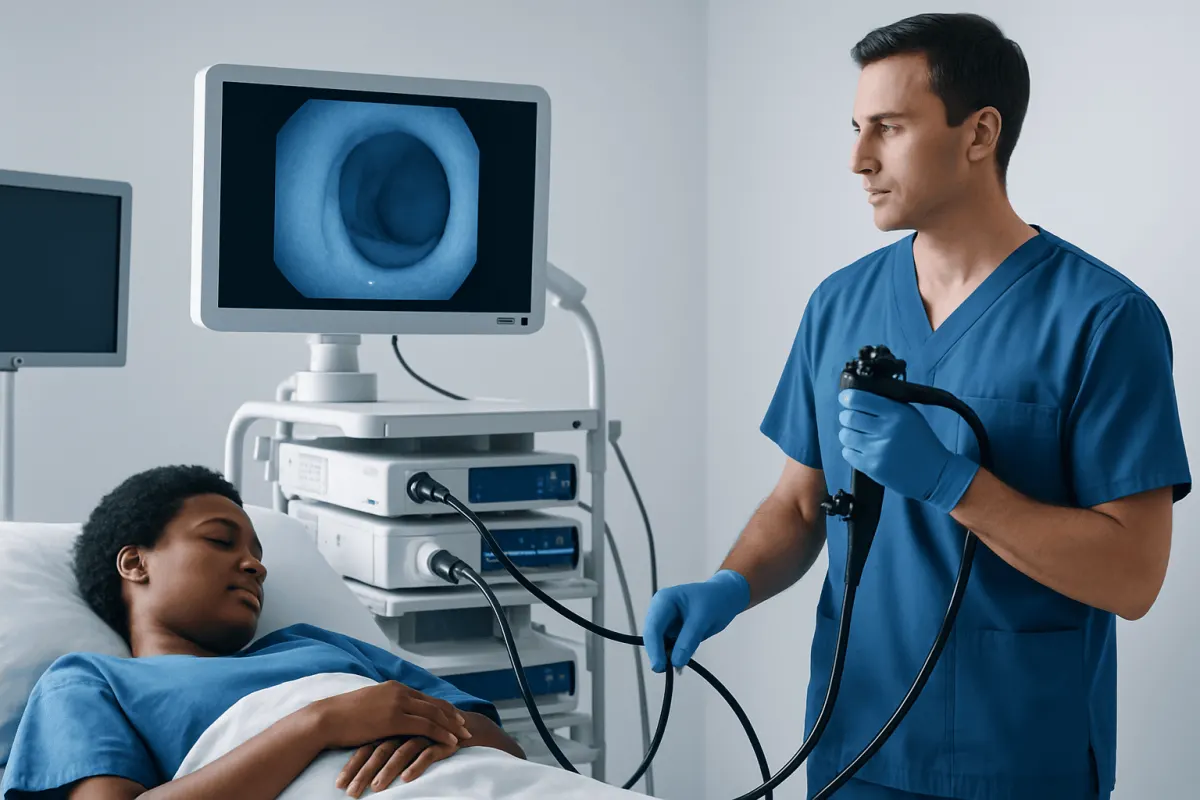
Screening methods may include stool-based tests and colonoscopy. A stool test can look for hidden blood or certain abnormal DNA changes. Colonoscopy allows a doctor to inspect the colon and rectum directly, take biopsies, and remove many polyps during the same procedure.
People with a first-degree relative affected by colorectal cancer, a personal history of certain polyps, or inflammatory bowel disease may need earlier or more frequent surveillance. Genetic counseling may be helpful when several relatives have related cancers or cancer occurred at a young age.
How doctors investigate possible colorectal cancer
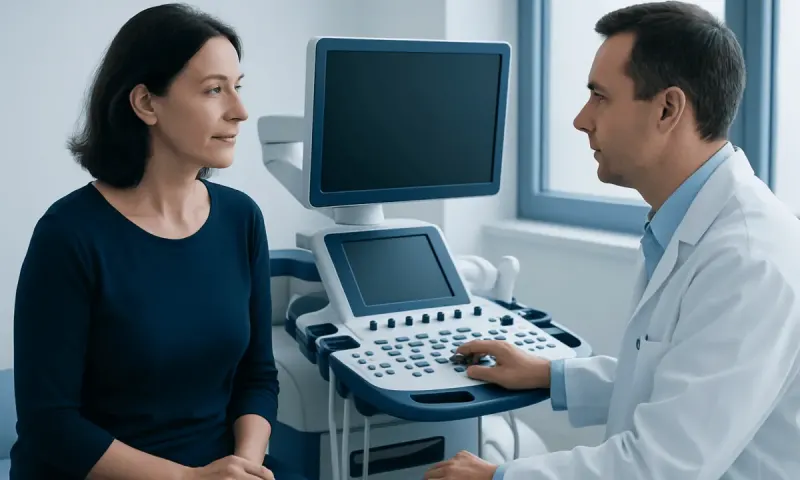
A doctor usually begins by discussing symptoms, medical history, medicines, and family history. They may perform an abdominal examination and, when appropriate, a rectal examination. Blood tests can check for anemia and other findings, but blood tests alone cannot diagnose or rule out colorectal cancer.
If symptoms or screening results suggest a concern, colonoscopy is commonly used to examine the bowel. During the procedure, a specialist may remove polyps or take small tissue samples. A pathologist examines the biopsy under a microscope to determine whether cancer is present and, if so, what type it is.
Once cancer is confirmed, imaging tests may be used to determine its stage, meaning the size and local extent of the tumor and whether it has spread. CT scans are often used for colon cancer staging, while MRI of the pelvis is especially valuable for many rectal cancers. Tumor testing may also identify features that help guide medication choices.
These steps can feel overwhelming, but they provide the information needed for a careful and personalized treatment plan. Not every person needs every test, and the care team should explain the reason for each recommendation.
Treatment options and supportive care
Treatment depends on whether the cancer is in the colon or rectum, its stage, its molecular features, and the person’s overall health and preferences. Surgery is a central treatment for many localized colon and rectal cancers. The surgeon removes the tumor along with a margin of healthy bowel and nearby lymph nodes when appropriate.
Some people may need chemotherapy before or after surgery, or as the main treatment for cancer that has spread. For rectal cancer, radiation therapy may be used alongside chemotherapy before surgery or in other selected situations. Targeted therapies and immunotherapy can be options for some advanced cancers based on specific tumor test results.
Supportive care is an important part of treatment at every stage. It can include help with nutrition, bowel changes, pain or nausea control, emotional wellbeing, rehabilitation, and management of a temporary or permanent stoma if one is needed. Patients should feel able to ask about expected benefits, possible side effects, and alternatives.
Acıbadem Health Point’s multidisciplinary specialists at JCI-accredited hospitals diagnose and treat colorectal cancer for international patients, coordinating investigation, surgery, oncology care, and follow-up when appropriate.
When to seek medical care
It is sensible to arrange a medical appointment for bowel symptoms that last more than a short period, return repeatedly, or interfere with daily life. This includes persistent changes in stool frequency or consistency, ongoing abdominal discomfort, rectal bleeding, or fatigue that does not have an obvious explanation.
Prompt medical attention is important for substantial rectal bleeding, black or tar-like stool, severe abdominal pain, fainting, marked weakness, or symptoms of bowel obstruction such as persistent vomiting and inability to pass stool or gas. These symptoms can have several causes and should be assessed without delay.
People who feel well should also discuss colorectal screening with a qualified clinician when they reach the recommended screening age in their country, or earlier if they have increased risk. Screening is designed to find changes before symptoms develop, when prevention or treatment may be more straightforward.
Frequently asked questions
01Is colon cancer considered colorectal cancer?
Yes. Colon cancer is included within the term colorectal cancer. Colorectal cancer refers to cancers that begin in the colon or the rectum.
02Is rectal cancer more serious than colon cancer?
Neither is automatically more serious than the other. Outlook depends mainly on the cancer stage, tumor biology, response to treatment, and a person’s overall health. Rectal cancer may require a different treatment approach because of its location in the pelvis.
03Can hemorrhoids cause symptoms similar to colorectal cancer?
Yes. Hemorrhoids can cause bright-red rectal bleeding, itching, or discomfort, and these symptoms are common. However, persistent or unexplained bleeding should be discussed with a doctor rather than assumed to be hemorrhoids.
04Does a normal stool test rule out colorectal cancer?
A normal stool test can be reassuring, but no screening test is perfect. A doctor may recommend colonoscopy or other evaluation if symptoms persist, there is significant family history, or other findings raise concern.
05What is the difference between a colonoscopy and colorectal cancer screening?
Colorectal cancer screening is the overall process of checking for cancer or precancerous changes before symptoms appear. Colonoscopy is one screening and diagnostic test that examines the colon and rectum directly and can allow removal of polyps.
06Can colorectal cancer be prevented?
Not every case can be prevented, but regular screening can detect and remove certain precancerous polyps. Avoiding smoking, limiting alcohol, staying physically active, maintaining a healthy weight, and following a balanced diet may also support risk reduction.
This article is for general information only and is not a substitute for professional medical advice. Please consult a qualified doctor about your individual situation.
Medical weight-loss options in Turkey — costs & eligibility
JCI-accredited · board-certified surgeons · reply within 24h
Add us as a Preferred Source to see more of our trusted health content across Google Search, AI Overviews and Discover.