Apply Toothpaste on Pimples: What You Need to Know

Key Takeaways
- Toothpaste is made for teeth, not facial skin, and is not a reliable pimple treatment.
- Any temporary drying effect can be outweighed by irritation, especially on sensitive or broken skin.
- Gentler options, such as acne washes or spot treatments with proven ingredients, are usually safer.
- Picking, scrubbing, and layering on home remedies can prolong healing and increase dark marks.
- A doctor can help if acne is painful, spreading, leaving scars, or not improving with basic care.
Applying toothpaste on pimples is not a recommended acne treatment. It may dry the spot briefly, but it can also irritate the skin and make redness, burning, or peeling worse.
Overview
When people ask whether they should apply toothpaste on pimples, the short answer is no. Toothpaste is designed to clean teeth, not to treat inflamed skin, and it can do more harm than good on a breakout.
The idea likely comes from the belief that toothpaste “dries out” a pimple. In practice, that drying effect is unpredictable, and the ingredients that make toothpaste effective in the mouth can be too harsh for the face. For anyone dealing with acne, the safer path is to use skin-specific products and, when needed, professional guidance.
This matters even more for people traveling for care or managing acne away from home, because a simple, low-risk routine is easier to continue consistently. Clear, practical skincare is usually more useful than an internet tip that may irritate the skin and leave a longer-lasting mark.
Symptoms and why toothpaste can make them worse
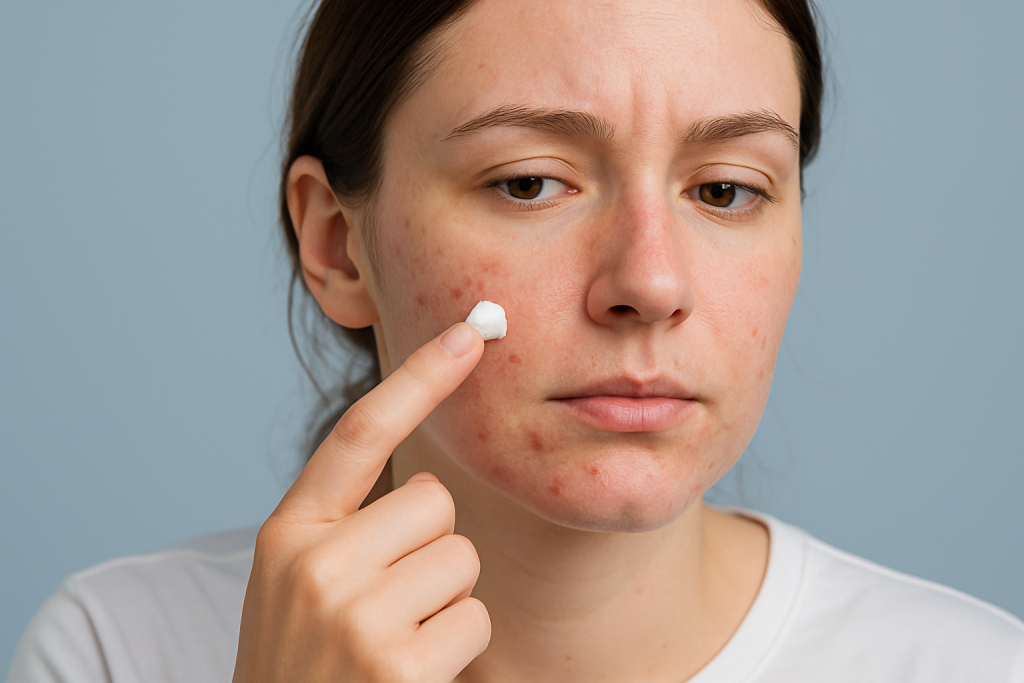
A pimple may appear as a small whitehead, a red bump, a deeper tender spot, or an inflamed lesion that feels sore to the touch. These are signs that the hair follicle and surrounding skin are already irritated. Adding toothpaste can increase that irritation rather than calm it.
Common reactions to toothpaste on facial skin include stinging, redness, dryness, tightness, flaking, and a burning sensation. Some people also develop contact dermatitis, which is an inflammatory skin reaction that can look like a rash around the treated area.
Even if the pimple seems flatter the next day, the skin barrier may still be stressed. That can delay healing, make the spot more noticeable, or increase the chance of post-inflammatory darkening, especially in deeper skin tones.
Causes and risk factors: why acne flares in the first place

Acne develops when pores become clogged with oil, dead skin cells, and bacteria, and then inflammation follows. Hormonal shifts, stress, certain cosmetics, sweating, and friction from helmets, masks, or tight clothing can all contribute to flare-ups.
Some people are also more likely to have sensitive skin, which makes harsh DIY remedies harder to tolerate. If a person already uses strong exfoliants, retinoids, or acne medications, adding toothpaste can compound dryness and irritation.
It is also worth noting that not every facial bump is acne. Folliculitis, perioral dermatitis, insect bites, or skin infections can resemble pimples but need different care. That is one reason self-treating with toothpaste is a poor substitute for an accurate diagnosis.
Diagnosis: knowing what kind of spot it is
Most mild acne can be recognized by its pattern: blackheads, whiteheads, papules, pustules, or deeper nodules along the face, chest, or back. A clinician will usually ask about the timing of breakouts, skin-care products, medications, menstrual patterns, and triggers such as stress or friction.
Diagnosis is typically based on a skin examination. In some cases, a doctor may look for signs that suggest a different condition, such as rosacea, eczema, or an infection. If acne is sudden, severe, or accompanied by other symptoms, further evaluation may be needed.
For patients seeking care internationally, a good consultation should include a plan that fits local product availability and follow-up needs after travel. The goal is not only to label the lesion, but also to choose a routine that can be maintained safely and realistically.
Treatment options: what works better than toothpaste
For occasional pimples, over-the-counter acne products are usually a better starting point than toothpaste. Ingredients commonly used for acne include benzoyl peroxide, salicylic acid, and adapalene, depending on skin type and tolerance. These are formulated for skin and have more predictable effects than home remedies.
Spot treatments can be helpful for isolated blemishes, but they should be used as directed and not layered with multiple irritating products at once. Gentle cleansing, non-comedogenic moisturizers, and sunscreen also support healing by protecting the skin barrier.
For more persistent acne, a doctor may recommend prescription topical treatments, oral medications, or a combination approach. Treatment choice depends on acne type, severity, scarring risk, and whether the person is pregnant, breastfeeding, or using other medicines.
- Use a mild cleanser twice daily or as advised.
- Avoid scrubbing, harsh toners, and repeated spot “home cures.”
- Do not squeeze pimples, which can worsen inflammation and scarring.
- Choose products labeled non-comedogenic when possible.
Prevention and self-care: keeping breakouts calmer
Good acne care is usually about consistency rather than aggressive treatment. A simple routine that cleanses, treats, and moisturizes the skin often works better than trying a new remedy every few days. Skin usually responds best when it is not being repeatedly stripped or irritated.
Useful habits include washing the face gently after sweating, avoiding touching the face, removing makeup before bed, and checking whether hair products or sunscreen are clogging pores. Managing stress, sleep, and diet patterns may also help some people, although these are not quick fixes on their own.
If a person is traveling for treatment or follow-up, packing familiar, non-irritating products can reduce setbacks. It helps to keep the routine simple so it can be continued across time zones, climates, and different water quality without confusing the skin.
When to see a doctor
Medical advice is a good idea if acne is painful, widespread, leaving marks, or affecting confidence and daily life. A doctor should also assess skin that becomes very red, swollen, warm, or develops crusting, because that may point to irritation or infection rather than routine acne.
People should seek evaluation if over-the-counter care has not helped after a reasonable trial, or if breakouts are leaving scars. Acne that begins suddenly in adulthood, worsens with menstrual changes, or comes with other hormone-related symptoms may need a more tailored workup.
Acibadem Health Point notes that its multidisciplinary specialists and JCI-accredited hospitals diagnose and treat acne and other skin conditions for international patients, with care plans designed for safe follow-up after travel. A qualified clinician can help distinguish acne from look-alike conditions and guide the most appropriate treatment.
Frequently asked questions
01Does applying toothpaste on pimples help them go away faster?
Usually, no. Toothpaste may make a pimple feel drier for a short time, but it does not treat acne in a reliable or skin-friendly way. In many people, it causes irritation that can make the spot look worse.
02Why does toothpaste sting when put on a pimple?
Facial skin is more delicate than the skin inside the mouth. Ingredients in toothpaste can irritate an already inflamed pimple, causing burning, redness, or peeling.
03What should be used instead of toothpaste for pimples?
A gentler acne product made for skin is a better choice, such as a cleanser or spot treatment with salicylic acid, benzoyl peroxide, or adapalene. A dermatologist or doctor can help choose the right option based on skin type and acne severity.
04Can toothpaste cause acne scars?
Toothpaste does not usually cause scarring directly, but irritation, picking, and prolonged inflammation can increase the chance of dark marks or scars. That is why it is better to avoid harsh home remedies on active pimples.
05Is toothpaste ever safe on skin?
Toothpaste is not intended as a facial treatment, and it is not a standard dermatology recommendation. Some people may tolerate it briefly, but tolerance does not mean it is helpful or safe for repeated use.
06When should acne be checked by a doctor?
Acne should be checked if it is painful, spreading, leaving scars, or not improving with basic over-the-counter care. A doctor can confirm the diagnosis and recommend a treatment plan that fits the person’s skin and overall health.
This article is for general information only and is not a substitute for professional medical advice. Please consult a qualified doctor about your individual situation.
Hair transplant in Turkey — costs, graft counts & a free assessment
JCI-accredited · board-certified surgeons · reply within 24h
Add us as a Preferred Source to see more of our trusted health content across Google Search, AI Overviews and Discover.