Anxiety Poop: Why Stress Can Change Bowel Movements
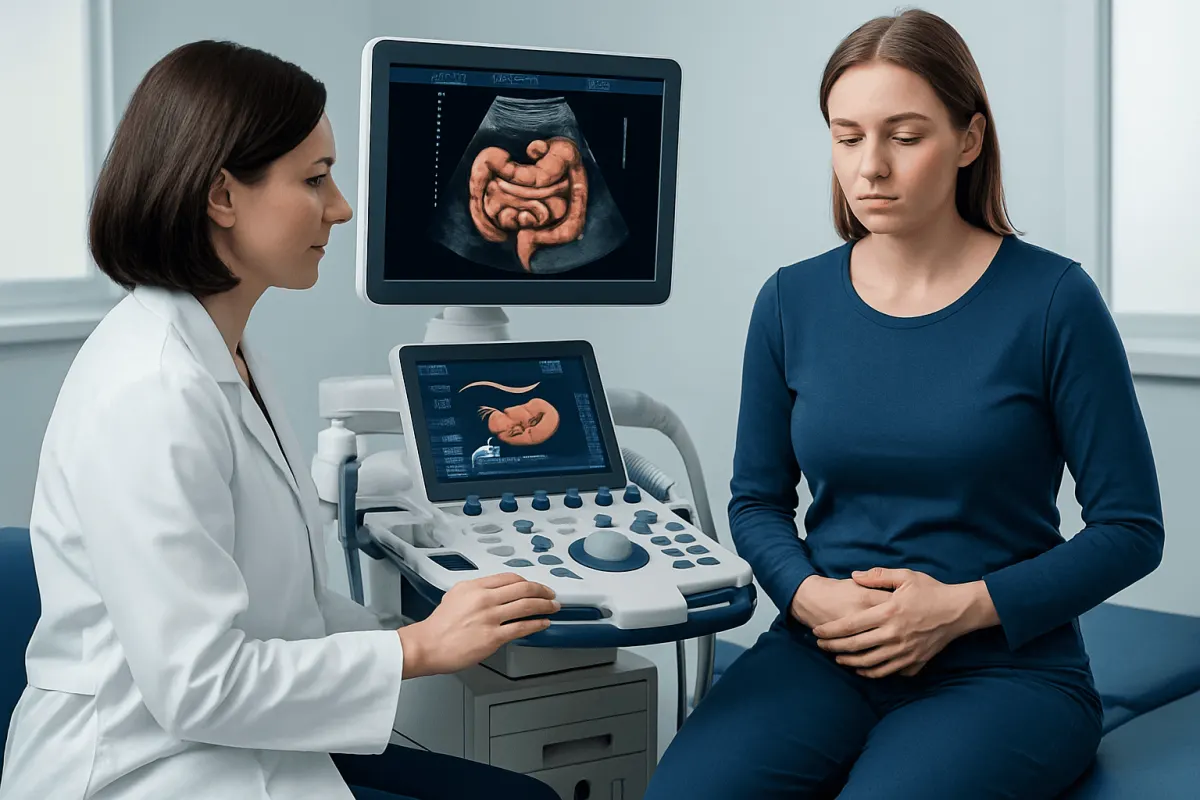
Anxiety poop is an informal term for bowel changes that occur during stress, worry or panic. The gut and brain communicate closely, so anxiety can speed up digestion and cause urgency, loose stools, cramping or, for some people, constipation.
What Does “Anxiety Poop” Mean?
Anxiety poop is an informal phrase for needing to have a bowel movement, often urgently, when a person feels anxious, stressed, nervous or frightened. It can involve loose stools, diarrhea, cramping, gas, nausea or a sudden feeling that the bathroom is needed. These symptoms are common and reflect the close communication between the digestive system and the brain.
During a stressful event, such as an exam, a work presentation, travel, a medical appointment or a difficult conversation, the body can shift into a protective stress response. This response may alter how quickly the intestines move and how sensitive the digestive tract feels. For many people, symptoms ease after the stressful situation passes.
Anxiety-related bowel changes are real physical symptoms, not something imagined or “all in the mind.” However, anxiety poop is not a medical diagnosis. Recurrent or disruptive bowel symptoms deserve thoughtful assessment, especially when they occur outside stressful periods or change a person’s usual pattern.
How Anxiety Changes the Digestive System
The digestive tract has its own extensive network of nerves, sometimes called the enteric nervous system. It communicates with the brain through nerves, hormones and immune signals. This two-way communication is known as the gut-brain connection. Emotional stress can therefore influence digestion, while ongoing digestive symptoms can also increase worry and distress.
When a person feels threatened or anxious, the body releases stress hormones and activates the “fight-or-flight” response. Blood flow, muscle activity and nerve signaling can shift. In the intestines, this may increase contractions and move stool through the colon more quickly. Because the bowel has less time to absorb water, stool may become softer or watery.
Stress does not affect everyone in the same way. Some people experience diarrhea and urgency, while others notice constipation, bloating or a sensation of incomplete emptying. Anxiety may also make normal gut sensations feel stronger, so mild movement or gas is experienced as pain, pressure or an urgent need to use the toilet.
Caffeine, alcohol, skipped meals, poor sleep and certain high-fat or highly spicy foods can intensify this response in some people. These factors do not necessarily cause anxiety poop on their own, but they can make an already sensitive digestive system more reactive during stressful times.
Common Symptoms and Patterns

Symptoms often begin shortly before, during or soon after an anxiety-provoking situation. A person may feel a sudden urge to pass stool, have looser or more frequent bowel movements, or develop lower abdominal cramps that improve after using the bathroom. Some people also experience nausea, a “butterflies” feeling, bloating, burping or loss of appetite.
The pattern can offer useful clues. Anxiety-related symptoms may be more noticeable on busy workdays, before social events, while traveling, or during periods of emotional strain. They may improve during relaxed periods, weekends or vacations. Keeping a brief record of symptoms, meals, sleep, stressors and bowel movements can help a clinician identify patterns without assuming that anxiety is the only cause.
Constipation can also be related to anxiety. Stress may disrupt normal routines, reduce physical activity, affect fluid intake or lead a person to delay going to the bathroom. In addition, pelvic floor muscles may tighten under stress, making it harder to pass stool comfortably.
Symptoms vary in severity. An occasional episode of stress-related urgency is usually not concerning. Frequent diarrhea, persistent abdominal pain, stool changes that continue for weeks, or symptoms that limit work, travel, sleep or eating should be discussed with a healthcare professional.
Could It Be IBS or Another Digestive Condition?
Anxiety can occur alongside digestive conditions rather than fully explain them. One common example is irritable bowel syndrome, or IBS. IBS is a disorder of gut-brain interaction that can cause recurring abdominal pain linked with diarrhea, constipation or both. Stress may worsen IBS symptoms, but IBS is not simply caused by anxiety.
Other possible explanations for diarrhea or changing bowel habits include viral or bacterial infections, food intolerance, medication effects, celiac disease, thyroid disorders, Ulcerative Colitis, and Flares" class="ahp-ilk">inflammatory bowel disease and problems with bile acid absorption. A clinician considers a person’s symptoms, medical history, diet, medicines, family history and any warning signs before deciding whether tests are needed.
It is particularly important not to label new symptoms as anxiety poop without considering other causes. For example, diarrhea after starting an antibiotic, after eating contaminated food, or during an illness may have a different explanation. Similarly, persistent constipation may need evaluation for dietary, medication-related, hormonal or structural causes.
When symptoms are recurrent but no serious disease is found, treatment may focus on the gut-brain connection. This can include dietary adjustments, symptom-directed medicines when appropriate, psychological therapies and practical approaches that reduce stress and improve daily routines.
Practical Ways to Manage Anxiety-Related Bowel Symptoms
Simple routine changes can help the digestive system become more predictable. Eating regular meals, drinking enough fluids and allowing time for a calm bathroom routine may reduce urgency or constipation. It can be helpful to avoid skipping meals before a stressful event, since hunger, excess coffee or large meals may worsen nausea and bowel discomfort.
People who notice a link between particular foods and symptoms can keep a food-and-symptom diary for a few weeks. Common triggers may include caffeine, alcohol, sugar alcohol sweeteners, greasy foods or very spicy meals, but triggers are individual. Restrictive diets should be approached carefully and ideally discussed with a doctor or registered dietitian so that nutrition remains adequate.
Stress-management strategies can support both mental and digestive health. Slow breathing, mindfulness exercises, progressive muscle relaxation, regular physical activity and consistent sleep can reduce the intensity of the stress response. Before a known trigger, such as travel or a presentation, some people benefit from arriving early, locating restrooms in advance and practicing a brief calming routine.
If anxiety is frequent or affects daily life, mental health support can be valuable. Cognitive behavioral therapy and other evidence-based talking therapies can help people understand the cycle between anxious thoughts, body sensations and avoidance. A clinician may also discuss treatment for anxiety when appropriate, based on the individual’s overall health and symptoms.
- Choose regular, balanced meals rather than fasting and then eating a large meal.
- Limit caffeine if it reliably increases urgency, shaking or palpitations.
- Stay hydrated, especially after loose stools.
- Use gentle movement, such as walking, to support bowel regularity and stress relief.
- Avoid using anti-diarrheal or laxative products repeatedly without medical advice.
When to Seek Medical Care
A person should arrange a medical assessment if bowel symptoms last longer than a few weeks, recur often, become more intense or interfere with normal activities. A doctor can help distinguish anxiety-related symptoms from a digestive disorder and recommend appropriate testing or treatment. This is especially helpful when symptoms begin for the first time later in adulthood or represent a clear change from the person’s usual bowel habits.
Urgent medical care is appropriate for blood in the stool, black or tar-like stool, severe or worsening abdominal pain, persistent vomiting, fever with significant diarrhea, fainting, confusion or signs of dehydration such as very little urine, marked dizziness or inability to keep fluids down. Unintentional weight loss, ongoing nighttime diarrhea, anemia, or a family history of colorectal cancer, inflammatory bowel disease or celiac disease should also be discussed promptly with a clinician.
People should seek support for anxiety as well as digestive symptoms. Panic attacks, severe worry, avoidance of work or social situations, trouble sleeping, or feeling unable to cope are valid reasons to speak with a healthcare professional. If someone feels at immediate risk of harming themselves, they should contact local emergency services or a crisis support service without delay.
Diagnosis and Support for Ongoing Symptoms
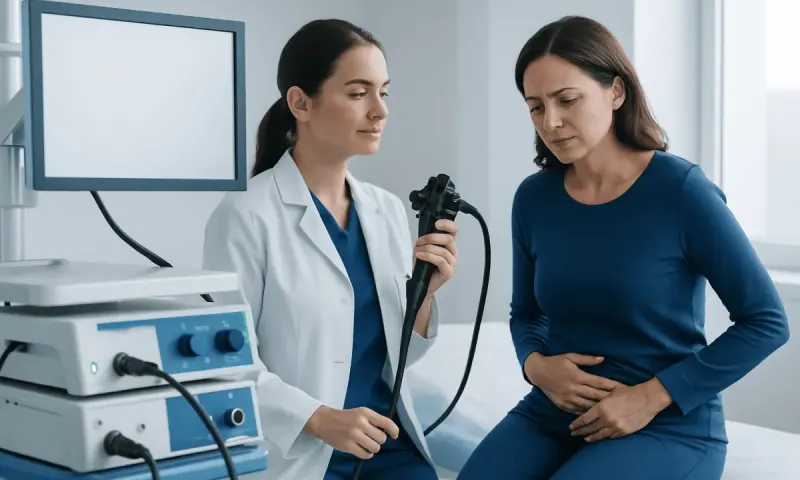
At an appointment, a clinician will usually ask about the timing and frequency of bowel symptoms, stool appearance, pain, diet, recent travel, infections, medicines, stress, sleep and family history. A physical examination may be performed. Depending on the symptoms, blood tests, stool tests, imaging or endoscopic examinations may be considered to rule out other conditions.
Many people do not need extensive testing when symptoms fit a functional gut disorder and there are no warning signs. The goal is not to dismiss symptoms, but to make a positive diagnosis based on a careful history and appropriate evaluation. Understanding the cause can reduce uncertainty, which itself may lessen anxiety-driven digestive symptoms.
A coordinated plan may include a primary care doctor, gastroenterologist, dietitian and mental health professional. Care can address bowel symptoms and anxiety together, because improvement in one often supports improvement in the other. Acıbadem Health Point’s multidisciplinary specialists and JCI-accredited hospitals can assess digestive and anxiety-related concerns for international patients when further evaluation is needed.
Most people can find strategies that make symptoms more manageable. Seeking advice early, noticing personal triggers and avoiding self-diagnosis when symptoms persist can help protect both digestive health and peace of mind.
Frequently asked questions
01Is anxiety poop a real medical problem?
Anxiety poop describes real bowel symptoms related to stress and the gut-brain connection. It is not a formal diagnosis, but the symptoms can be uncomfortable and disruptive. Persistent symptoms should be assessed rather than assumed to be caused by anxiety alone.
02Can anxiety cause diarrhea every day?
Anxiety can contribute to frequent diarrhea, especially during prolonged stress, but daily diarrhea needs medical review. A clinician can consider other causes such as infection, medication effects, food intolerance, IBS, celiac disease or inflammatory bowel disease. Seek care sooner if there is blood in the stool, dehydration, fever or weight loss.
03Why does anxiety make someone need the bathroom quickly?
Anxiety activates the body’s stress response, which can change intestinal movement and increase gut sensitivity. Faster movement through the colon leaves less time for water to be absorbed from stool. This can create urgency and loose bowel movements.
04Can anxiety cause constipation instead of diarrhea?
Yes. Stress can disrupt meal timing, sleep, hydration and activity, all of which affect bowel regularity. Anxiety may also cause muscle tension or make a person delay using the bathroom, contributing to constipation.
05What can someone do before a stressful event to prevent anxiety poop?
It may help to eat a familiar, balanced meal, avoid personal food triggers and limit caffeine or alcohol beforehand. Allowing extra time, using slow breathing and knowing where restrooms are located can reduce pressure. If symptoms are frequent, a clinician can suggest a more individualized plan.
06When is anxiety poop not normal?
Bowel symptoms should be evaluated if they are new, persistent, severe or affecting everyday life. Blood or black stool, severe pain, fever, dehydration, unexplained weight loss and diarrhea that wakes a person from sleep require prompt medical advice. These features may indicate a condition other than stress-related bowel changes.
This article is for general information only and is not a substitute for professional medical advice. Please consult a qualified doctor about your individual situation.
Persistent digestive symptoms? Get evaluated in Turkey
JCI-accredited · board-certified surgeons · reply within 24h
Add us as a Preferred Source to see more of our trusted health content across Google Search, AI Overviews and Discover.