How Anxiety Causes Chest Pain and When to Worry
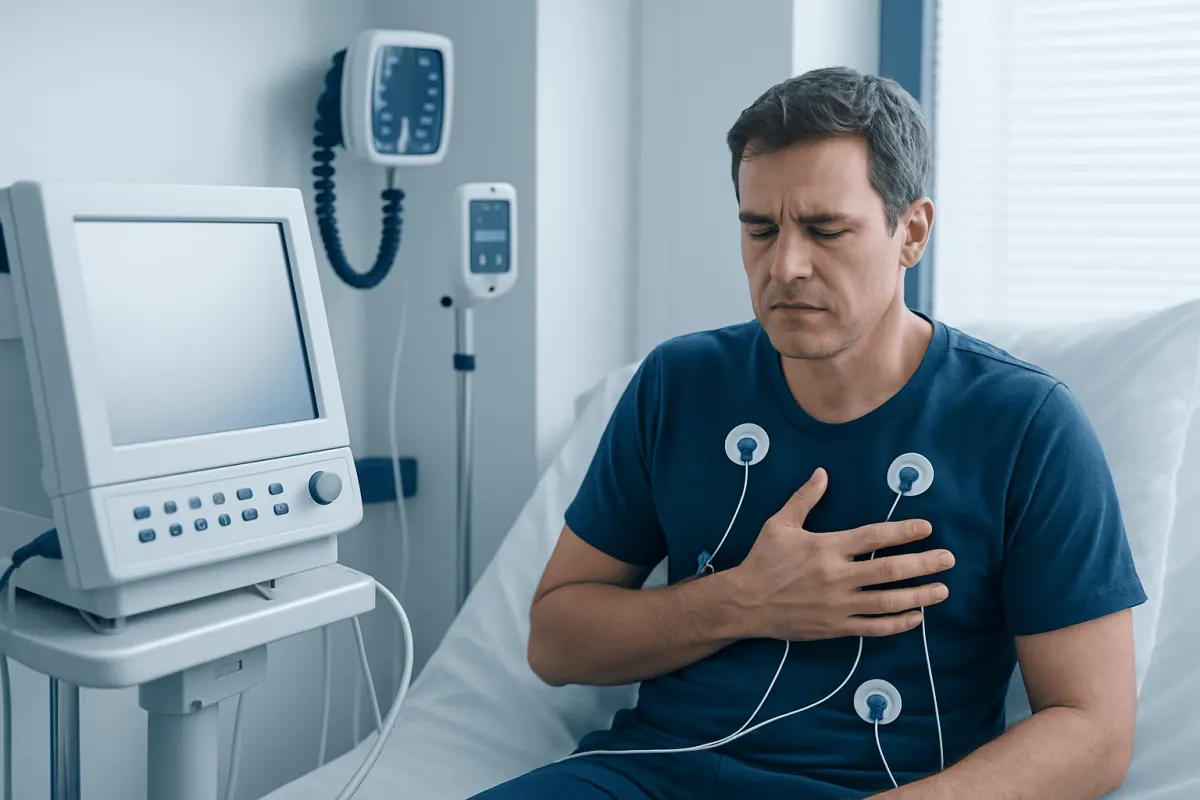
Your chest tightens, your heart races, and the first thought that hits you is: is this my heart? For a lot of people, that moment is anxiety at work — and it hurts just as much as any other pain.
Anxiety chest pain is often linked to muscle tension, fast breathing, and the body’s stress response. But chest pain should never be brushed aside without first thinking about possible heart, lung, digestive, or musculoskeletal causes.
Overview: Can Anxiety Cause Chest Pain?
Yes. Anxiety chest pain is a real physical symptom that can happen during periods of stress, ongoing anxiety, or a panic attack. It may feel sharp, stabbing, tight, aching, burning, or like pressure in the chest. For many people, the sensation is frightening because it can resemble symptoms of a heart problem.
Anxiety can trigger chest pain through several body changes at once. Stress hormones increase heart rate, tighten chest wall muscles, and alter breathing patterns. Fast or shallow breathing can lead to chest discomfort, lightheadedness, and tingling. These responses are part of the body’s normal “fight or flight” system, but they can be intense and uncomfortable.
Still, don’t assume anxiety is the answer. Heart disease, acid reflux, muscle strain and lung conditions can all feel similar. What helps is looking at the whole picture: what the pain feels like, when it starts, how long it lasts, what comes with it, and your age and health risks. If you’re unsure, get it checked.
What Anxiety Chest Pain Feels Like
People describe anxiety chest pain in different ways. It may be a brief, sharp pain in one area, a sense of pressure across the chest, soreness that worsens with movement, or a feeling of tightness that comes with a rush of fear. Some notice it mainly during a panic attack, while others feel it during ongoing stress without a clear trigger.
Other symptoms often happen at the same time. These can include a racing heartbeat, sweating, trembling, shortness of breath, dizziness, nausea, a lump in the throat, or numbness and tingling in the hands or around the mouth. When these symptoms peak quickly, the episode may be a panic attack rather than a heart attack, but the difference is not always obvious without assessment.
Several features may suggest anxiety as a contributor. The pain may begin during emotional stress, after upsetting thoughts, or in situations that trigger fear. It may improve when breathing slows or the person feels calmer. It can also come and go over minutes. However, overlap is common, so symptoms alone cannot always confirm the cause.
- Sharp, stabbing, or fleeting pain
- Tightness or chest pressure during stress
- Discomfort with fast breathing or hyperventilation
- Palpitations, trembling, or sweating
- Symptoms that improve as the episode settles
Common Triggers and Why It Happens

Anxiety chest pain usually reflects the body’s stress response rather than damage to the heart itself. When a person feels threatened or overwhelmed, the brain signals the release of adrenaline and related hormones. These increase heart rate and blood pressure temporarily, tighten muscles, and make breathing faster. Chest wall muscles may become sore or spasm, creating pain that feels alarming.
Hyperventilation is another common mechanism. Breathing too quickly can lower carbon dioxide levels in the blood, leading to chest tightness, dizziness, tingling, and a feeling of not getting enough air. This sensation may make the person even more anxious, which can create a cycle of worsening symptoms.
Typical triggers include panic disorder, generalized anxiety, major life stress, lack of sleep, caffeine, stimulant use, and health anxiety. For some people, previous chest pain episodes make them highly alert to body sensations, so even normal changes in heartbeat or breathing feel threatening. Physical deconditioning and poor posture can also add muscle tension that contributes to discomfort.
Chest pain may still have more than one cause. Anxiety can occur alongside coronary artery disease, reflux, or a musculoskeletal problem. That is why doctors often assess both emotional triggers and physical health, especially when symptoms are new or risk factors for heart disease are present.
Anxiety Chest Pain or Something Else?
Chest pain has many possible causes, and some need urgent treatment. Heart-related pain may feel like pressure, squeezing, heaviness, or fullness in the center of the chest. It can spread to the arm, back, neck, jaw, or upper stomach. Some people also have nausea, sweating, unusual fatigue, or shortness of breath. However, not everyone has the same pattern, especially women, older adults, and people with diabetes.
Other non-cardiac causes are also common. Acid reflux can cause burning pain behind the breastbone, especially after meals or when lying down. Inflammation of chest wall joints or strained muscles may cause pain that worsens with movement or pressing on the area. Lung conditions such as infection or a blood clot may cause chest pain with breathing, cough, or sudden breathlessness. Heart rhythm problems may also cause chest discomfort along with palpitations or faintness.
Here’s the tricky part: anxiety can mimic serious illness, and serious illness can trigger anxiety. A first episode of chest pain, chest pain during exercise, or pain associated with fainting or severe shortness of breath should not be self-diagnosed. A clinician may recommend tests such as an electrocardiogram, blood tests, or imaging to rule out urgent causes before concluding that anxiety is the main reason.
How Doctors Diagnose the Cause
Diagnosis starts with a careful history. A doctor will ask what the pain feels like, where it is located, how long it lasts, what triggers it, and whether there are associated symptoms such as palpitations, shortness of breath, sweating, reflux, cough, or fever. Medical history matters too, including anxiety or panic disorder, high blood pressure, diabetes, smoking, family history of heart disease, and any medicines or stimulants used.
The physical examination and initial tests help identify urgent problems. Depending on the situation, this may include blood pressure and oxygen measurement, an electrocardiogram, blood tests, chest X-ray, or other heart and lung tests. If symptoms suggest a structural or circulation problem, a person may be referred for cardiology evaluation or further testing.
If serious physical causes are excluded, the clinician may assess for anxiety, panic attacks, or related conditions. This does not mean you are imagining the pain. The pain is real — it is just being driven by the stress response rather than a dangerous blockage or injury. Clear explanation can itself be therapeutic, because understanding the symptom often reduces fear and repeated emergency visits.
Treatment and Self-Care for Anxiety Chest Pain
Treatment depends on the cause. When anxiety is contributing, care usually focuses on both symptom relief and long-term management of stress or panic. Short-term strategies may include slowing the breath, relaxing the shoulders and chest muscles, stepping away from a triggering situation, and using grounding techniques that shift attention away from catastrophic thoughts.
Longer-term treatment often involves psychotherapy, especially cognitive behavioral therapy, which helps a person identify anxiety patterns and respond differently to body sensations. Some people may benefit from medication prescribed by a qualified clinician, particularly if anxiety is frequent, severe, or linked to panic disorder or depression. Lifestyle measures such as regular sleep, exercise, limiting caffeine, and reducing nicotine can also help reduce episodes.
If symptoms remain unclear or risk factors are present, doctors may evaluate the heart more closely with tests such as an electrocardiogram or specialist review. When repeated episodes involve rapid heartbeat or unexplained palpitations, further rhythm assessment may be needed, and in selected cases specialists may discuss options through electrophysiology services. The goal is to make sure a serious condition is not being missed while also treating anxiety effectively.
At Acıbadem Health Point, our specialists work as a team in JCI-accredited hospitals, looking at both the physical and the psychological side of chest pain, so international patients get a clear diagnosis and a treatment plan that fits.
When to Seek Medical Care
Emergency care is important for chest pain that is sudden, severe, crushing, or persistent, especially if it occurs with shortness of breath, fainting, cold sweats, nausea, confusion, or pain spreading to the arm, back, neck, or jaw. These symptoms may signal a heart or lung emergency and should not be attributed to anxiety without assessment.
Non-emergency medical review is also a good idea if chest pain is new, repeatedly returns, happens during exercise, wakes a person from sleep, or occurs in someone with heart disease risk factors. It is also worth discussing if episodes are becoming more frequent, interfering with daily life, or causing avoidance behaviors.
Even if a doctor has already told you it’s anxiety, go back if the pattern changes. Pain that lasts longer than usual, feels stronger, or brings new symptoms with it deserves another look. Asking early is never wasted — it reassures you, rules out other conditions, and helps you get a better grip on the anxiety over time.
Frequently asked questions
01How long does anxiety chest pain usually last?
It can last from a few minutes to longer periods, depending on the trigger and whether the person is having a panic attack or ongoing stress. Some episodes come in waves and improve as breathing and muscle tension settle. Persistent or unusual chest pain should be assessed by a doctor.
02Can anxiety chest pain happen without feeling anxious?
Yes. Some people notice chest pain, palpitations, or shortness of breath before they consciously feel anxious. The body can enter a stress response quickly, and physical symptoms may be the first sign.
03Is anxiety chest pain on the left side?
It can be on the left side, in the center, or in a small, localized area. Location alone does not reliably distinguish anxiety from heart-related chest pain. That is why the full symptom pattern and personal risk factors matter.
04Does anxiety chest pain mean there is no heart problem?
Not always. Anxiety can cause chest pain, but it can also occur at the same time as a heart, lung, digestive, or muscle problem. A medical evaluation is important when symptoms are new, severe, or difficult to explain.
05What can help during an episode of anxiety chest pain?
Many people find it helpful to slow their breathing, sit upright, relax the chest and shoulders, and focus on a calm, steady exhale. Grounding techniques, stepping away from a stressful setting, and reminding themselves that symptoms can pass may also help. If there is any doubt about the cause, medical care is the safer choice.
06Can panic attacks cause chest pain that feels like a heart attack?
Yes. Panic attacks can cause intense chest tightness, palpitations, dizziness, sweating, and shortness of breath that feel very similar to a heart attack. Because the symptoms overlap, a clinician may need to rule out dangerous causes before confirming panic as the explanation.
This article is for general information only and is not a substitute for professional medical advice. Please consult a qualified doctor about your individual situation.
Persistent digestive symptoms? Get evaluated in Turkey
JCI-accredited · board-certified surgeons · reply within 24h
Add us as a Preferred Source to see more of our trusted health content across Google Search, AI Overviews and Discover.