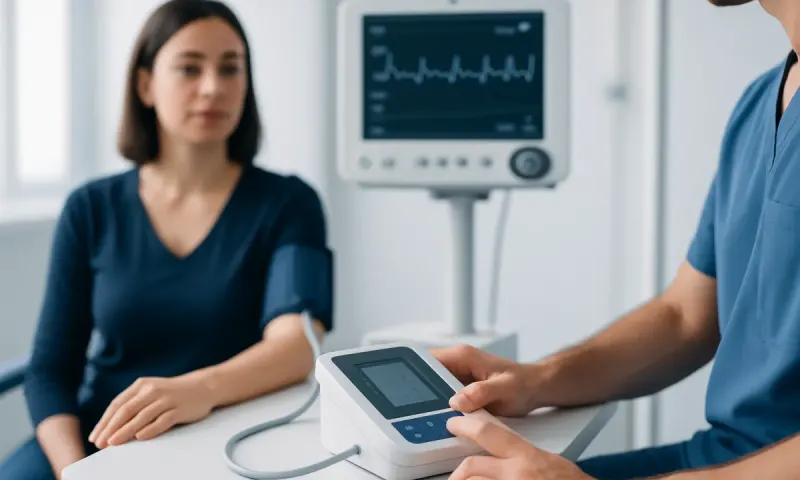
Why Blood Pressure Is Often Higher in the Morning
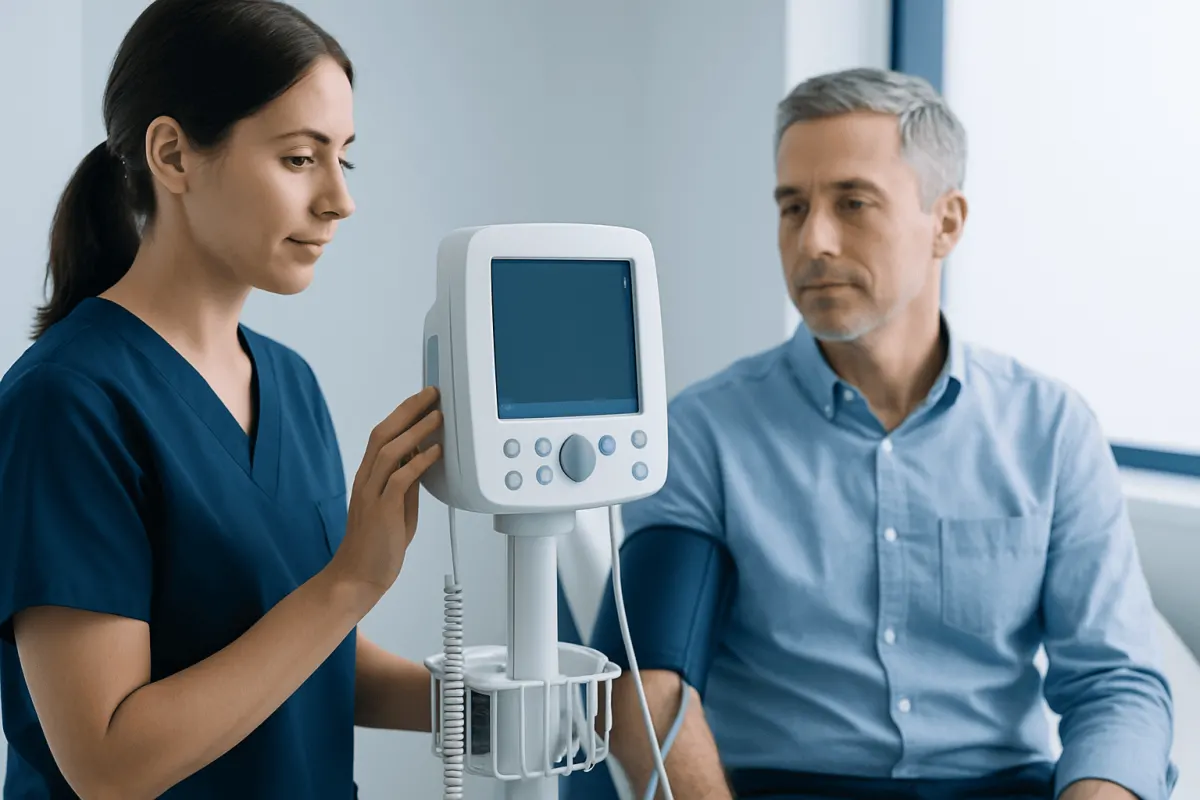
You wake up, put the cuff on before you’ve even had coffee, and the number is higher than you expected. That climb after waking is part of the body’s normal daily rhythm, and one higher morning reading on its own is not always a cause for concern.
What does deserve attention is a pattern: readings that stay elevated, especially when they’re measured correctly or come with symptoms. That’s the point to bring to a qualified doctor.
Is BP high in morning? The short answer
Yes, blood pressure can be higher in the morning. For many people, this reflects a normal daily pattern: blood pressure falls during sleep and begins to rise in the hours before waking, then continues to increase as a person gets up and starts the day. A mildly higher reading soon after waking is often harmless, especially if it is occasional and later readings are within the person’s usual range.
That said, blood pressure that is repeatedly high in the morning does matter. It may be a sign of undiagnosed high blood pressure, treatment that is not controlling blood pressure throughout the full day and night, poor sleep, or another contributing health condition. So don’t panic over one measurement. Check your blood pressure carefully over several days and take the record to a doctor.
See a doctor sooner if your morning readings stay in the high range, are creeping up over time, or come with chest pain, breathlessness, severe headache, weakness, speech difficulty, vision changes, or confusion. These symptoms need prompt assessment because they can sometimes signal a medical emergency.
Why blood pressure rises after waking
Blood pressure follows a 24-hour, or circadian, rhythm. During restful sleep, the heart rate and blood pressure usually decrease. Near waking, the body releases hormones such as cortisol and adrenaline, which help a person become alert. The nervous system also becomes more active, and blood vessels may narrow slightly. Together, these changes create the normal morning rise in blood pressure.
Getting out of bed, moving around, rushing to prepare for the day, talking, smoking, drinking coffee, and feeling anxious can all raise a reading temporarily. Even a full bladder can affect the result. This is why clinicians recommend measuring blood pressure before breakfast and before taking morning blood pressure medicines, after a period of quiet rest, unless a doctor has given different instructions.
Not everyone’s blood pressure pattern is the same. Some people do not have the expected fall during sleep, while others may have an exaggerated morning increase. These patterns cannot be reliably identified from one home measurement alone. Repeated home readings or 24-hour ambulatory blood pressure monitoring can give a clearer picture.
What can cause repeated high morning readings?
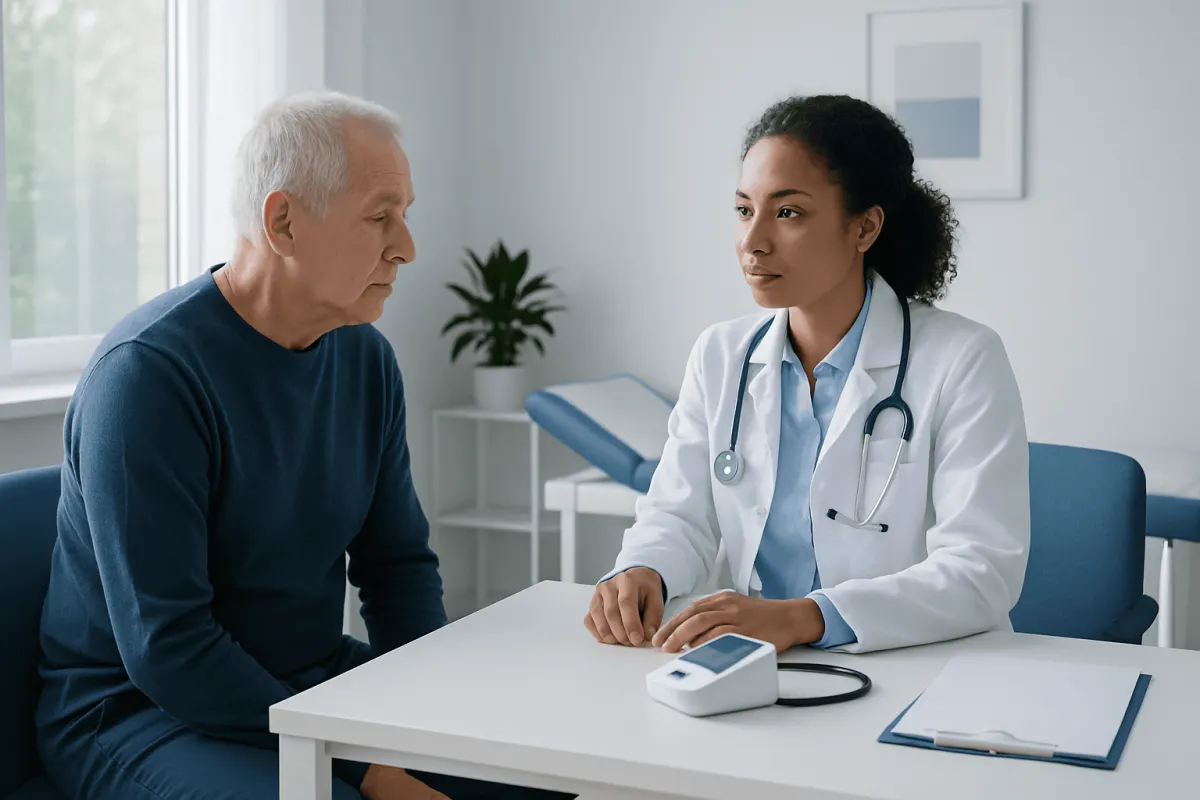
Repeated high blood pressure in the morning may occur when a person has hypertension that has not yet been diagnosed or is not fully controlled. High blood pressure often causes no noticeable symptoms, so regular measurements can be important even when a person feels well. A doctor may consider the morning pattern alongside readings taken at other times of day.
Sleep-related factors can also contribute. Short sleep, disrupted sleep, insomnia, and obstructive sleep apnea may affect the normal nighttime blood pressure dip and lead to higher readings after waking. Snoring, witnessed pauses in breathing, waking unrefreshed, morning headaches, and excessive daytime sleepiness are useful symptoms to mention during a medical appointment.
Other possible contributors include kidney disease, diabetes, thyroid disorders, chronic pain, stress, alcohol use, smoking, excess dietary sodium, and some medicines. Examples include certain anti-inflammatory pain medicines, decongestants, stimulant medicines, corticosteroids, and some hormonal treatments. A person should not stop a prescribed medicine independently; instead, they should ask a doctor or pharmacist whether it could affect blood pressure.
In people already being treated for hypertension, a morning pattern can occasionally suggest that treatment timing, medication choice, adherence, or the overall treatment plan needs review. This does not mean a person should change the time or dose of medicine on their own. Medication decisions should be individualized by the treating clinician.
How to measure morning blood pressure accurately
Accurate technique helps prevent unnecessary concern and gives a clinician more reliable information. A validated automatic upper-arm monitor is generally preferred over wrist or finger devices. The cuff should fit the upper arm correctly, as a cuff that is too small or too large can produce inaccurate results.
For a morning check, the person should empty their bladder, avoid exercise, smoking, caffeine, and food immediately beforehand, and sit quietly for at least five minutes. They should sit with their back supported, feet flat on the floor, legs uncrossed, and arm supported at heart level. Talking, scrolling on a phone, or measuring while rushed can raise the reading.
Take two readings about a minute apart and write down both, along with the date, time, medicines taken, and any symptoms you noticed. Measurements can be taken in the morning and evening for several days, following the doctor’s advice. The average pattern is usually more informative than any one number.
A doctor may recommend 24-hour ambulatory blood pressure monitoring. This portable device records blood pressure at regular intervals during normal daily activities and sleep. It can show whether blood pressure falls overnight as expected and whether elevated values are mainly in the morning, throughout the day, or in clinical settings only.
What a doctor may assess
A clinician will usually begin by reviewing home readings, measurement technique, symptoms, medical history, family history, sleep habits, lifestyle factors, and current medicines or supplements. Blood pressure may be checked more than once in the clinic because anxiety, pain, or recent activity can temporarily increase it.
If hypertension is suspected, the doctor may recommend home monitoring or ambulatory monitoring before confirming a diagnosis, depending on the circumstances. They may also assess overall cardiovascular risk by considering age, smoking status, cholesterol, diabetes, kidney health, and any history of heart or blood vessel disease.
Blood and urine tests may be used to look for conditions that can affect blood pressure or for signs that high blood pressure has affected organs such as the kidneys. An electrocardiogram, heart assessment, or sleep assessment may be appropriate for some people. The purpose is to understand the individual pattern and choose care that addresses possible contributing causes.
If hypertension is confirmed, management may include lifestyle changes, medication, or both. Effective care is based on a person’s full health picture, not solely on whether one reading was taken in the morning. Regular follow-up helps determine whether the plan is working safely and consistently.
Supporting healthy blood pressure throughout the day
Healthy daily habits can support blood pressure control and cardiovascular health. These include eating a balanced diet rich in vegetables, fruit, legumes, whole grains, and other minimally processed foods; limiting excess salt; staying physically active within individual ability; maintaining a weight that is appropriate for the person; and avoiding tobacco. Limiting alcohol can also help.
Sleep deserves attention as well. A regular sleep schedule, enough sleep, and medical assessment of possible sleep apnea can be important for people with persistent morning elevations. Stress-management practices, such as gentle activity, breathing exercises, or structured relaxation, may help some people lower stress-related blood pressure fluctuations.
People prescribed blood pressure medicine should take it exactly as directed, including on days when they feel well. Missing doses can lead to variable readings. Bring your home monitor to an appointment now and then so a healthcare professional can compare it with a clinical device and check you are using it correctly.
Acıbadem Health Point’s multidisciplinary specialists and JCI-accredited hospitals can assess and treat hypertension and related conditions for international patients. Individual evaluation is important because the best approach depends on the person’s readings, symptoms, health conditions, and medicines.
When to seek medical care
A non-urgent medical appointment is appropriate when home blood pressure readings are repeatedly above the target discussed with a clinician, when morning readings remain high over several days, or when a person is concerned about a new change in their usual pattern. It is especially important to seek advice sooner for people who are pregnant, have kidney disease, diabetes, heart disease, previous stroke, or known hypertension.
Urgent medical care is needed if a blood pressure reading is 180/120 mmHg or higher and remains this high when repeated after a few minutes of quiet rest. Emergency help should be sought immediately if this occurs with chest pain, severe shortness of breath, fainting, severe headache, new confusion, weakness or numbness on one side, trouble speaking, or sudden vision changes.
A high reading without symptoms is not always an emergency, but don’t brush it off either. The person should sit quietly, repeat the measurement using correct technique, and contact a healthcare professional promptly for guidance if the reading remains very high. They should not take extra medication unless specifically instructed to do so by a clinician.
Frequently asked questions
01Is it normal for blood pressure to be higher in the morning?
A rise in blood pressure after waking is common and is part of the body’s normal day-night rhythm. An occasional mildly higher morning reading is often not concerning, but repeated elevated readings should be reviewed with a doctor.
02What is the best time to check blood pressure in the morning?
Many clinicians recommend checking it after using the bathroom and sitting quietly for at least five minutes, before breakfast, caffeine, exercise, or smoking. If a person takes morning blood pressure medicine, they should follow their clinician’s instructions about whether to measure before taking it.
03Can anxiety cause high blood pressure in the morning?
Stress and anxiety can temporarily raise blood pressure by activating the body’s stress response. This is why it is important to rest quietly before measuring and to look at a series of readings rather than one isolated result.
04Can poor sleep raise morning blood pressure?
Yes. Poor-quality sleep, short sleep, and obstructive sleep apnea can interfere with the normal nighttime lowering of blood pressure. A person with loud snoring, breathing pauses during sleep, daytime sleepiness, or persistent morning headaches should discuss these symptoms with a doctor.
05What blood pressure reading is an emergency?
A reading of 180/120 mmHg or higher may represent a hypertensive crisis, particularly if it remains high on repeat measurement. Emergency care is needed immediately if it is accompanied by symptoms such as chest pain, shortness of breath, weakness, speech problems, confusion, or vision changes.
06Should a person take an extra blood pressure tablet for a high morning reading?
No, a person should not take an extra dose or change medication timing without medical advice. Taking more than prescribed can lower blood pressure too much or cause other side effects; a clinician can advise on the safest next step.
This article is for general information only and is not a substitute for professional medical advice. Please consult a qualified doctor about your individual situation.
Heart care in Turkey — expert evaluation and treatment
JCI-accredited · board-certified surgeons · reply within 24h
Add us as a Preferred Source to see more of our trusted health content across Google Search, AI Overviews and Discover.