Angina Is a Warning Sign of Reduced Blood Flow to the Heart

A tight, heavy feeling in your chest when you climb stairs or rush to catch a bus — is that something to worry about? Often, yes. That pressure or discomfort may be angina, which happens when your heart muscle is not getting enough oxygen-rich blood. Angina is not a disease itself. Think of it as a warning light: it often points to an underlying heart or blood vessel problem, and it should always be checked by a doctor.
Overview: What angina means
Angina is a term doctors use for chest discomfort caused by reduced blood flow to the heart muscle. Many people describe it as pressure, tightness, squeezing, heaviness, or burning in the chest. Although it may feel alarming, angina itself is a symptom rather than a disease, and it often signals that the heart is working harder than its blood supply can support.
In many cases, angina is linked to narrowed coronary arteries, the blood vessels that supply the heart. This often happens as part of coronary artery disease, where fatty deposits build up inside the artery walls. When the heart needs more oxygen during activity, stress, cold weather, or after a heavy meal, blood flow may not increase enough, and symptoms can appear.
Why does angina matter so much? Because it can be an early warning of a more serious heart problem. Some people have predictable symptoms that come on with exertion and settle with rest. Others notice symptoms that are new, more frequent, or happening at rest — and that can signal a more urgent situation. The pattern of your symptoms tells us a lot, and it helps guide both diagnosis and treatment.
Symptoms and the different types of angina
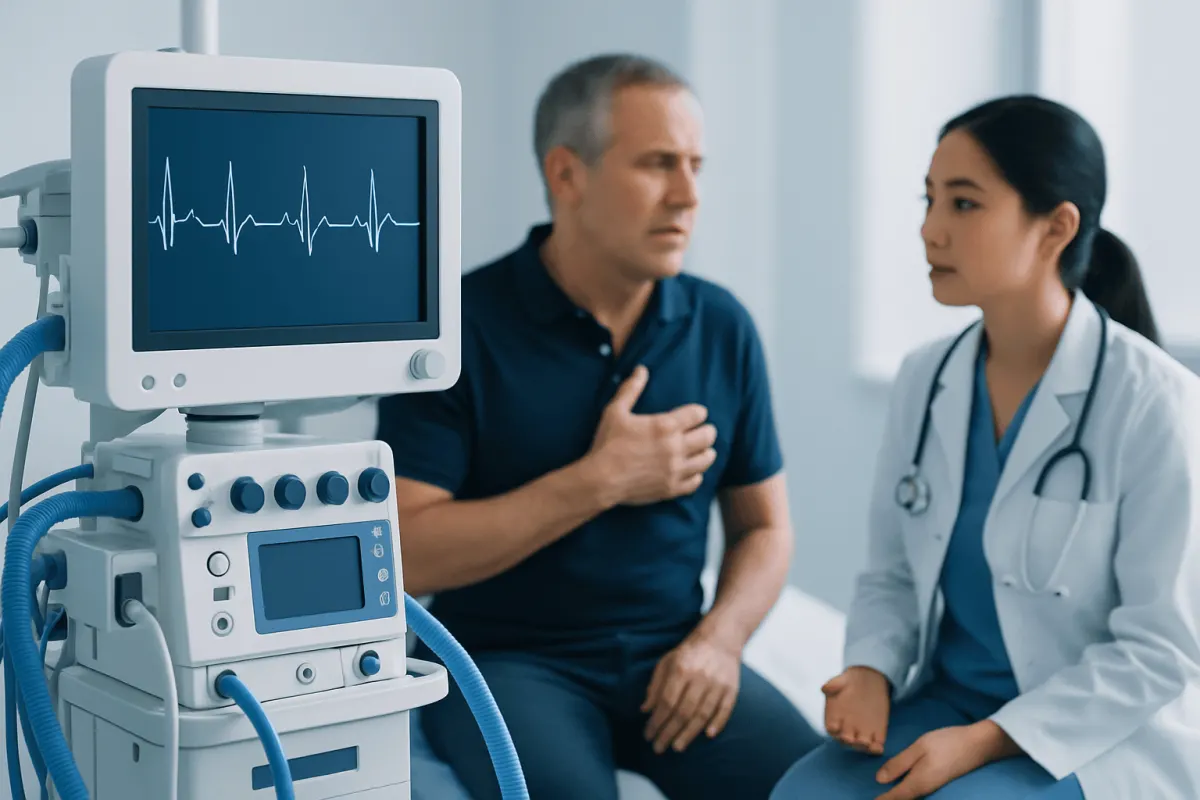
The classic symptom of angina is discomfort in the center or left side of the chest. It may spread to the arm, shoulder, neck, jaw, back, or upper abdomen. Some people also have shortness of breath, sweating, nausea, unusual fatigue, or lightheadedness. Angina may last a few minutes and often improves when the trigger stops or after medication prescribed by a doctor.
Doctors commonly describe several types of angina. Stable angina follows a pattern: it is usually triggered by physical activity or emotional stress and improves with rest. Unstable angina is less predictable and may happen at rest, last longer, or feel more intense than usual. This pattern needs urgent medical evaluation because it can be part of an heart attack or an impending one.
Variant angina, also called vasospastic angina, happens when a coronary artery suddenly tightens or spasms. Microvascular angina involves the heart’s smaller blood vessels and can be harder to detect on routine tests. Women, older adults, and people with diabetes may have less typical symptoms, such as breathlessness, fatigue, indigestion-like discomfort, or pain in the jaw or back rather than obvious chest pressure.
- Stable angina: predictable, often with exertion
- Unstable angina: new, worsening, or occurring at rest
- Variant angina: linked to artery spasm
- Microvascular angina: related to dysfunction in small vessels
Causes and risk factors

The most common cause of angina is a reduced supply of blood to the heart because the coronary arteries are narrowed. This narrowing is usually due to atherosclerosis, a process in which cholesterol, inflammatory material, and calcium build up in artery walls. Sometimes angina can also happen when the heart needs more oxygen than usual, such as during fever, anemia, fast heart rhythms, or uncontrolled high blood pressure.
Several factors increase the risk of angina and the heart disease behind it. These include smoking, high cholesterol, diabetes, high blood pressure, obesity, physical inactivity, chronic stress, and a family history of early heart disease. Age also matters, and risk tends to rise over time, especially in men and in women after menopause.
Some people have angina because of artery spasm, disease affecting very small blood vessels, or previous damage to the heart. Conditions such as chronic kidney disease, sleep apnea, and inflammatory disorders may also increase cardiovascular risk. Because chest symptoms can have many causes, a careful medical assessment is needed to determine whether the discomfort is coming from the heart or another source, such as the lungs, digestive system, or muscles and joints.
How doctors diagnose angina
Diagnosis begins with a detailed conversation about the symptoms. A doctor will ask what the discomfort feels like, how long it lasts, what triggers it, whether it improves with rest, and whether it spreads to other areas. The person’s age, medical history, medications, and risk factors also help estimate the likelihood that the symptoms are heart-related.
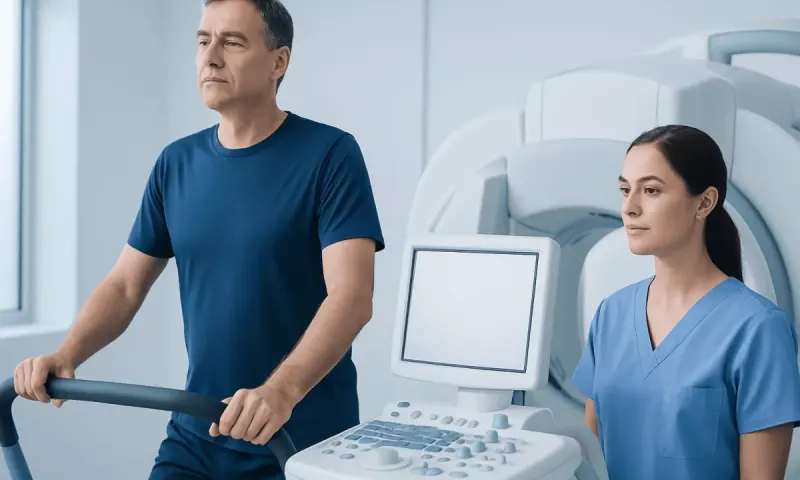
Initial testing often includes a physical examination, blood pressure measurement, and an electrocardiogram, also called an ECG. Blood tests may be done to look for signs of heart muscle injury, especially if symptoms suggest unstable angina or heart attack. Depending on the situation, doctors may recommend stress testing, echocardiography, coronary CT angiography, or invasive coronary angiography to understand how well blood is flowing to the heart.
These tests do more than confirm the diagnosis. They show us how severe the problem is and which treatment makes the most sense for you. In some patients, doctors may identify a blocked or narrowed artery that could benefit from coronary angiography and, when indicated, angioplasty and stent treatment. In others, symptoms may be managed mainly with medication and risk-factor control.
Treatment options and long-term management
Angina treatment aims to do three things: relieve symptoms, improve blood flow to the heart, and lower the risk of heart attack or other complications. Treatment is tailored to the person’s symptom pattern, test results, and overall health. Common medicines may include drugs that reduce the heart’s workload, improve blood flow, lower cholesterol, or help prevent blood clots. A doctor decides which treatment plan is safest and most effective.
If symptoms continue despite medication, or if testing shows significant narrowing in the coronary arteries, a procedure may be recommended. Some people benefit from catheter-based treatments to open narrowed arteries. Others with more widespread or complex blockages may be evaluated for coronary bypass surgery. The right option depends on the number of affected vessels, where the narrowing is located, and the person’s general condition.
Getting your symptoms under control is only half the job — what happens afterwards matters just as much. Follow-up care usually means regular checkups, keeping blood pressure and cholesterol in check, managing diabetes when needed, and support for lifestyle changes you can actually stick with. Together, these steps can reduce future episodes and protect your heart over time.
Prevention and self-care
Healthy daily habits are a core part of preventing angina and reducing the chance that it will worsen. Stopping smoking is one of the most effective steps a person can take. Regular physical activity, a heart-healthy eating pattern, maintaining a healthy weight, and managing stress also support better blood vessel health. Any exercise plan should be discussed with a doctor, especially after new or recent chest symptoms.
Take your prescribed medication exactly as directed, and keep your follow-up appointments. Skipping medicines for blood pressure, cholesterol, or diabetes can increase strain on the heart. People who have been prescribed medication for sudden angina episodes should understand when and how to use it and should speak to their doctor if it seems less effective than before.
Self-care does not mean toughing it out. If you have known angina, keep a simple record: what brings symptoms on, how often they happen, how long they last, and whether the pattern has changed. Those details help your doctor see whether things are stable or whether it’s time for a fresh evaluation.
- Do not smoke or use tobacco products
- Follow treatment plans for blood pressure, cholesterol, and diabetes
- Choose balanced meals low in excess saturated fat and salt
- Stay physically active within medically advised limits
- Seek prompt review if symptoms become more frequent or severe
When to seek medical care
Any new chest discomfort should be taken seriously, especially if it feels like pressure, heaviness, or squeezing. Medical care is needed urgently if symptoms happen at rest, last more than a few minutes, feel stronger than usual, or are accompanied by shortness of breath, sweating, nausea, faintness, or pain spreading to the arm, jaw, or back. These features can overlap with a heart attack and should not be ignored.
People who already have diagnosed angina should contact a doctor promptly if their symptoms are appearing with less activity, lasting longer, or becoming more frequent. A change in pattern can suggest unstable angina and may mean that blood flow to the heart has worsened. Early assessment can help reduce the risk of more serious events.
For people seeking coordinated care, Acıbadem Health Point’s multidisciplinary specialists in JCI-accredited hospitals evaluate chest pain and angina for international patients, using appropriate cardiac testing and treatment planning. Even so, sudden or severe symptoms should be treated as an urgent medical issue and assessed without delay.
Frequently asked questions
01Is angina the same as a heart attack?
No. Angina is chest discomfort caused by reduced blood flow to the heart, while a heart attack usually means part of the heart muscle is being damaged because blood flow is severely blocked. However, the symptoms can overlap, so new or worsening chest discomfort should be evaluated urgently.
02What does angina usually feel like?
Many people describe angina as pressure, tightness, squeezing, heaviness, or burning in the chest. It can also spread to the arms, neck, jaw, back, or upper abdomen and may come with shortness of breath or fatigue.
03Can angina happen without chest pain?
Yes. Some people, especially women, older adults, and people with diabetes, may have less typical symptoms such as breathlessness, nausea, unusual tiredness, or jaw and back discomfort. This is one reason unexplained exertional symptoms should be discussed with a doctor.
04Does stable angina always mean an emergency?
Stable angina is not always an emergency, but it should still be medically assessed and managed. It often follows a predictable pattern and improves with rest, yet it still indicates an underlying heart circulation problem that needs treatment and follow-up.
05Can angina be treated without surgery?
Yes, many people are treated effectively with medication, risk-factor control, and lifestyle changes. Procedures such as stenting or bypass surgery are considered when symptoms continue, test results show important blockages, or the heart's blood supply is significantly reduced.
06What can trigger an angina episode?
Common triggers include physical activity, emotional stress, cold weather, and heavy meals because these increase the heart's demand for oxygen. In some cases, angina can also occur at rest, especially when symptoms are unstable or when artery spasm is involved.
This article is for general information only and is not a substitute for professional medical advice. Please consult a qualified doctor about your individual situation.
Persistent digestive symptoms? Get evaluated in Turkey
JCI-accredited · board-certified surgeons · reply within 24h
Add us as a Preferred Source to see more of our trusted health content across Google Search, AI Overviews and Discover.