Anesthesia for Liposuction: Which Type Is Used?
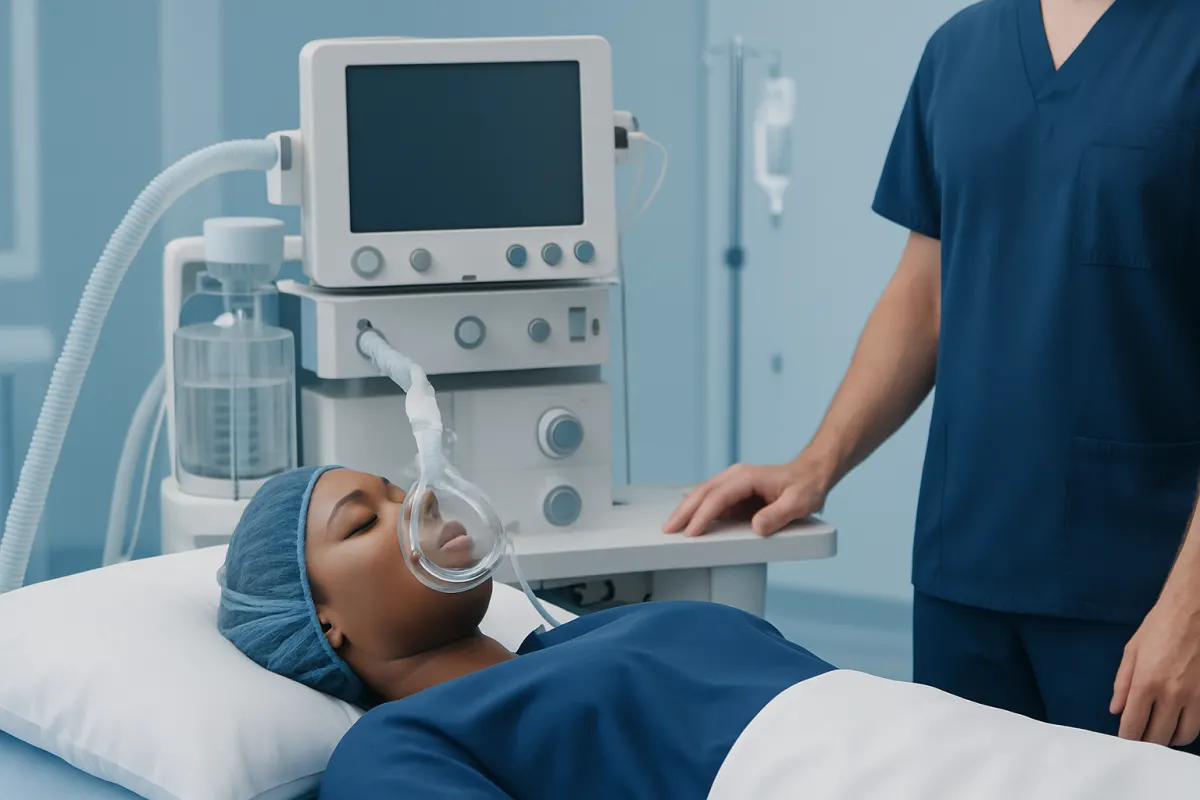
Anesthesia for liposuction is selected individually to keep the person comfortable while allowing the surgeon to perform the planned contouring safely. Options range from tumescent local anesthesia to sedation or general anesthesia, depending on the treatment areas, volume planned, overall health and whether other procedures are being performed.
Overview: What Anesthesia for Liposuction Involves
Anesthesia for liposuction prevents or reduces pain during the removal of localized fat deposits. The best type is not the same for every person. It is chosen after considering the size and number of areas being treated, the expected duration of surgery, medical history, medicines, previous reactions to anesthesia and the person’s preferences.
For many procedures, the surgeon first infiltrates the treatment area with a tumescent solution: a sterile fluid containing local anesthetic and medicines that constrict small blood vessels. This firms the fatty tissue, improves comfort and can reduce bleeding. The procedure may be carried out while the person is awake, with oral or intravenous sedation, or under general anesthesia.
Liposuction is designed to improve body contours in areas that have not responded as desired to stable-weight lifestyle measures. It does not treat obesity, replace nutrition or activity habits, or reliably improve health conditions linked to excess body weight. People considering liposuction treatment should have a detailed consultation with a qualified plastic surgeon and anesthesia professional.
How the Main Anesthesia Options Differ
Tumescent local anesthesia numbs the planned treatment area after the tumescent fluid is introduced through small incisions. A person remains awake and can communicate with the team, although they may feel pressure, movement or pulling sensations. This approach can be suitable for selected, smaller-volume procedures and may allow a shorter recovery from anesthetic effects.
Local anesthesia combined with sedation is another option. Sedation may help a person feel calm and drowsy, with little memory of the procedure, while local anesthetic continues to control pain in the treatment area. Sedation ranges from mild to deeper levels and requires appropriate monitoring by trained professionals.
General anesthesia causes a controlled state of unconsciousness and is delivered by an anesthesia team. It may be considered when several areas are being treated, the operation is expected to be longer, the person cannot comfortably tolerate an awake procedure, or liposuction is combined with another operation. General anesthesia requires fasting beforehand and a period of monitored recovery afterward.
- Local/tumescent anesthesia: often considered for limited areas and selected patients.
- Local anesthesia with sedation: may improve comfort while avoiding full unconsciousness.
- General anesthesia: may be appropriate for more extensive or combined procedures.
Candidacy and Pre-Anesthesia Assessment

Good candidates for liposuction are generally adults who are close to a stable weight, have localized fatty deposits, have realistic expectations and are sufficiently healthy for surgery. Skin elasticity also influences the visible result, because liposuction removes fat but does not necessarily tighten loose skin. A surgeon may discuss other approaches if skin laxity is a major concern.
Before surgery, the clinician reviews medical conditions such as heart, lung, kidney or liver disease; sleep apnea; diabetes; bleeding disorders; and past problems with anesthesia. It is important to mention all prescription medicines, over-the-counter products, supplements, allergies, nicotine use and recreational substances. Some medicines or supplements may need adjustment before surgery, but changes should only be made with advice from the prescribing clinician and surgical team.
The assessment also considers whether the person has symptoms or risk factors for obesity, as liposuction is not intended as a weight-loss treatment. In some cases, a clinician may recommend addressing medical conditions, smoking cessation, weight stability or other health factors before elective surgery. Pregnancy, active infection and uncontrolled medical illness may mean that surgery should be postponed.
Step by Step: What Happens During the Procedure
On the day of surgery, the team confirms the treatment plan, marks the planned contouring areas and reviews consent, fasting instructions and current health status. Monitoring equipment is used to track vital signs throughout the procedure. The anesthesia plan is then started, whether this involves local anesthesia, sedation or general anesthesia.
After the area is prepared and numbed, the surgeon makes small, strategically placed incisions. Tumescent fluid is introduced when used, and a thin tube called a cannula is inserted to loosen and remove fat using controlled movements and suction. The surgical team continuously considers fluid balance, comfort and safety during treatment.
Once the planned contouring is complete, the incisions may be left to drain briefly or closed, depending on the technique. Dressings and a compression garment are applied to help limit swelling and support the newly treated contours. After sedation or general anesthesia, the person stays in a recovery area until alert, stable and ready for discharge or further observation.
Most people need a responsible adult to take them home after procedures involving sedation or general anesthesia. Driving, operating machinery, drinking alcohol and making important decisions should be avoided until the anesthesia team’s recommended recovery period has passed.
Recovery Timeline and Expected Results
In the first several days, swelling, bruising, numbness, fluid drainage and soreness are common. The treating team provides individualized guidance on dressings, showering, pain relief, movement and compression garment use. Gentle walking is usually encouraged as advised, while strenuous exercise and heavy lifting should wait until the surgeon confirms that it is safe.
Many people can return to light daily activities within a few days, although this varies with the treatment extent, anesthesia type, physical demands of work and personal healing. Bruising often improves over the following weeks. Swelling resolves more gradually, so contour changes become clearer over weeks to months rather than immediately after surgery.
Removed fat cells do not typically return in the treated area, but remaining fat cells can enlarge with weight gain. Long-term contour maintenance therefore depends on stable weight, balanced eating patterns, regular movement and ongoing attention to general health. Results also depend on skin quality, the amount and location of fat removed, healing and the surgical plan.
Follow-up appointments allow the surgeon to assess healing, answer questions and identify concerns early. Acıbadem Health Point’s multidisciplinary specialists and JCI-accredited hospitals support diagnosis and treatment planning for international patients considering liposuction.
Benefits, Risks and Safety Considerations
The potential benefit of liposuction is improved contour in selected areas, such as the abdomen, thighs, hips, upper arms, back, chin or neck. For appropriate candidates, it can address localized fat that persists despite a stable lifestyle. However, the result is not a guarantee of a particular body shape, and unevenness or residual fullness may occur.
Every type of anesthesia has possible side effects and risks. Local anesthesia may cause temporary discomfort during injections or a sensation of pressure during surgery. Sedation and general anesthesia can cause temporary nausea, sore throat, drowsiness or dizziness. Rarely, more serious anesthesia-related complications can affect breathing, circulation or allergic responses, which is why trained anesthesia professionals, monitoring and suitable facilities are important.
Liposuction-specific risks include bleeding, infection, fluid accumulation, changes in skin sensation, contour irregularities, scarring, delayed healing and skin discoloration. More serious complications are uncommon but can include fluid imbalance, blood clots, fat embolism or injury to deeper structures. Risk can increase with extensive procedures, combined operations, certain health conditions, smoking and failure to follow preparation or aftercare instructions.
Safety begins with an honest assessment and a plan tailored to the individual. Patients should ask who will provide anesthesia, where the procedure will occur, how they will be monitored, what recovery support is available and which symptoms should prompt urgent contact after discharge.
Preparing Safely and Supporting Recovery
Preparation instructions should come directly from the surgical and anesthesia teams. They may include guidance about fasting, medicines, nicotine cessation, alcohol, supplements, transport home and arranging support during the first day or two. A person should not assume that a medicine is safe to continue or stop without checking, especially medicines for blood pressure, diabetes, blood thinning or mental health conditions.
After surgery, taking prescribed or recommended medicines exactly as directed, maintaining hydration as advised and wearing compression garments correctly can support healing. Keeping incisions clean and attending all planned reviews are also important. People should avoid smoking or nicotine exposure during healing because it can impair blood flow and wound repair.
A balanced diet, adequate protein intake where appropriate, restful sleep and gradual return to activity may support recovery. It is also helpful to remember that early swelling is not the final result. Comparing day-to-day changes can be misleading; recovery is usually assessed over a longer period at follow-up appointments.
When to Seek Medical Care
Contact the surgical team promptly for increasing rather than improving pain, rapidly expanding swelling, persistent vomiting, a fever or chills, worsening redness around an incision, foul-smelling drainage, or bleeding that soaks through dressings. These symptoms may need assessment, even if they occur after an initially uncomplicated recovery.
Seek emergency medical care immediately for chest pain, shortness of breath, fainting, confusion, coughing blood, one-sided leg swelling or severe weakness. These symptoms are not expected parts of recovery and require urgent evaluation.
People who have questions about their anesthesia recovery, including prolonged drowsiness, severe nausea or difficulty waking comfortably, should contact the anesthesia or surgical team. Early communication helps clinicians provide appropriate advice and determine whether an in-person examination is needed.
Frequently asked questions
01What type of anesthesia is best for liposuction?
The best anesthesia for liposuction depends on the areas being treated, the expected length of surgery, the amount of fat to be removed and the person’s health history. Tumescent local anesthesia may be suitable for some limited procedures, while sedation or general anesthesia may be appropriate for more extensive treatment. The decision should be made jointly by the surgeon, anesthesia professional and patient.
02Is a person awake during liposuction?
A person may be awake if liposuction is performed using tumescent local anesthesia alone. They may feel pressure or movement but should not feel sharp pain. With sedation, a person is usually very relaxed or sleepy, and with general anesthesia they are unconscious.
03How long does anesthesia for liposuction last?
The duration depends on the anesthesia method and the length of the procedure. Local numbness may last for several hours after tumescent anesthesia, while sedative and general anesthetic effects can cause drowsiness for the rest of the day. The care team will provide specific instructions about when it is safe to drive, work or resume normal activities.
04Is general anesthesia necessary for abdominal liposuction?
General anesthesia is not always necessary for abdominal liposuction. Some people may be treated with tumescent local anesthesia, with or without sedation, while others benefit from general anesthesia because of the planned extent of surgery or comfort needs. A preoperative assessment determines the safest practical option.
05How painful is recovery after liposuction?
Recovery is often described as soreness, tightness and bruising rather than severe pain, but experiences vary. Discomfort is usually greatest in the early days and gradually improves. The surgical team can recommend a safe, individualized pain-management plan and explain which symptoms are not typical.
06When will liposuction results be visible?
Initial contour changes may be noticeable after early swelling starts to settle, but the final appearance takes longer to develop. Swelling can continue to improve over several weeks to months. Follow-up visits help the surgeon assess healing and discuss the expected timeline for the specific treatment areas.
This article is for general information only and is not a substitute for professional medical advice. Please consult a qualified doctor about your individual situation.
Medical weight-loss options in Turkey — costs & eligibility
JCI-accredited · board-certified surgeons · reply within 24h
Add us as a Preferred Source to see more of our trusted health content across Google Search, AI Overviews and Discover.