How Much Is Abdominal Liposuction?
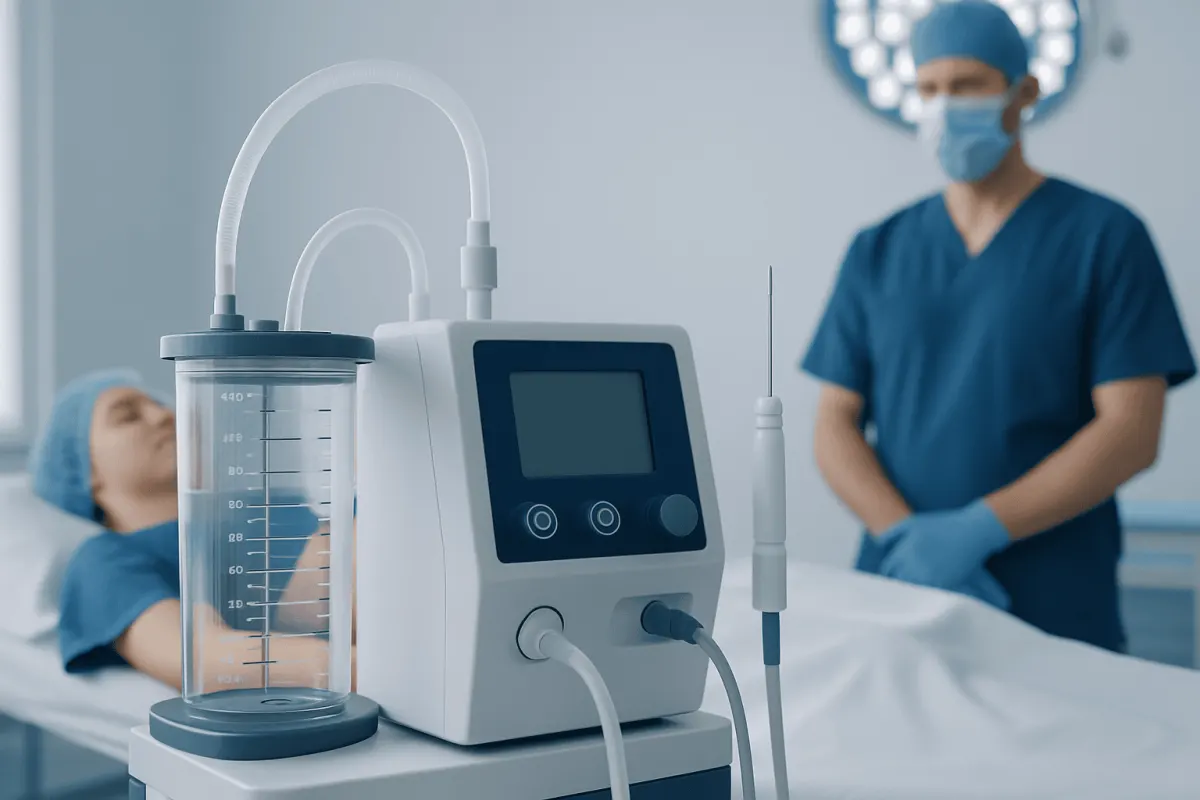
Abdominal liposuction is a body-contouring procedure that removes localized fat from the stomach area; its cost cannot be estimated reliably without an in-person assessment. A written treatment plan should explain the procedure, anaesthesia, facility charges, garments, follow-up care and any potential additional costs.
Overview: how much is abdominal liposuction?
How much is abdominal liposuction? There is no single medically reliable answer because the total price is individualized. It depends on how much of the abdomen is treated, whether nearby areas such as the flanks are included, the surgical method, the type of anaesthesia, the operating facility, the surgeon’s expertise, follow-up visits and recovery supplies.
Abdominal liposuction, also called stomach or tummy liposuction, is an elective body-contouring procedure. It removes fat cells through small incisions using a thin tube called a cannula. It is not a treatment for obesity, a substitute for healthy habits or a way to correct substantial loose skin or weakened abdominal muscles.
People comparing how much is abdomen liposuction should ask for an itemized written estimate rather than focusing only on an advertised starting price. The plan should clarify what is included, such as consultation, blood tests when needed, anaesthesia, facility use, compression garments, prescribed medicines and follow-up appointments. Learn more about liposuction treatment options.
What determines the cost of stomach liposuction?
The main cost driver is the extent of treatment. A small, localized lower-abdomen area generally requires a different amount of operating time and planning than contouring the upper and lower abdomen together with the waist or flanks. Prior surgery, scar tissue, skin quality and the amount and location of fat can also affect complexity.
Fees vary substantially between countries and cities due to local healthcare systems, staffing, operating standards and facility costs. Therefore, searches such as how much is abdominal liposuction in the Philippines, how much is abdominal liposuction UK or how much is stomach liposuction in South Africa cannot provide a useful universal figure. A consultation with a qualified plastic surgeon in the chosen location is the appropriate way to receive an accurate quote.
Other factors include whether local anaesthesia with sedation or general anaesthesia is appropriate, whether an overnight stay is advised, and whether combined procedures are being considered. Lower cost should not be the sole deciding factor: patients should prioritize an appropriately qualified surgeon, accredited facilities, clear safety standards and comprehensive aftercare.
- Areas and volume of fat planned for treatment
- Technique, operating time and anaesthesia requirements
- Surgeon, anaesthesia and facility fees
- Preoperative evaluation, garments, medicines and follow-up care
- Travel, accommodation and time away from work, if relevant
How abdominal liposuction works and who may be suitable

Liposuction works by loosening and suctioning selected fat cells from beneath the skin. The surgeon makes small, carefully placed incisions, introduces fluid to help reduce bleeding and ease fat removal, then uses a cannula to remove fat while shaping the area. Techniques differ, but the core goal is controlled contour improvement rather than maximum fat removal.
Suitable candidates are usually adults who are close to a weight they can maintain, have a localized area of fat that has not responded as desired to lifestyle measures, and have enough skin elasticity for the skin to adapt to the new contour. Non-smokers, or people able to stop nicotine use well before and after surgery, generally have lower risks of healing problems.
How much is abdominal liposuction for men may be influenced by the same factors as for women: treatment extent, body shape, skin elasticity and clinical complexity. Men may seek treatment of the abdomen and flanks for a more defined waistline, but suitability remains individual. A consultation should also identify whether concerns are more likely related to visceral fat, loose skin, hernias or muscle separation, which liposuction does not correct.
People with uncontrolled medical conditions, active infection, significant bleeding risks, unrealistic expectations or plans for major future weight change may be advised to postpone or avoid surgery. Pregnancy should be completed before elective abdominal contouring, and patients should discuss future pregnancy plans with their surgeon.
Step by step: what happens during the procedure
Before surgery, the clinical team reviews medical history, medications, allergies, smoking or nicotine use, previous operations and expectations. The surgeon examines the abdomen while standing, discusses likely contour changes and limitations, takes clinical photographs where appropriate, and marks the areas planned for treatment. Tests may be recommended according to age, health and the planned anaesthetic.
On the day of surgery, anaesthesia is administered as agreed in the treatment plan. Small incisions are made in discreet locations. A sterile solution is often introduced into the fatty layer, after which the surgeon uses a cannula to gently break up and remove targeted fat. The surgeon repeatedly assesses symmetry and contour throughout the operation.
Afterward, the incisions may be closed or left to drain briefly depending on the technique. A compression garment is usually fitted to support healing and reduce swelling. Many patients return home the same day with a responsible adult, while some may need observation based on their health, anaesthesia and procedure extent.
The exact operative approach and expected recovery should be explained by the treating surgeon. Combining liposuction with other operations can increase surgical time, recovery demands and the potential for complications, so it requires careful individualized planning.
Recovery timeline, benefits and possible risks
Early recovery commonly includes swelling, bruising, soreness, firmness and temporary numbness. These effects vary, and the abdomen may initially look uneven because swelling does not resolve at the same pace everywhere. Patients are usually encouraged to take short, gentle walks soon after surgery, while avoiding strenuous exercise and heavy lifting until their surgeon approves a gradual return.
Many people can resume light daily activities within days, but work and exercise timelines depend on the procedure and the person’s role and recovery. Compression garments are commonly worn for a period recommended by the surgeon. The early contour may be visible soon after surgery, but residual swelling can take weeks to months to settle; final results are assessed gradually.
Potential benefits include improved proportion and a smoother abdominal contour in appropriately selected people. The fat cells removed do not typically return in the treated area, but remaining fat cells can enlarge with weight gain. Stable body weight, nutritious eating, regular activity and avoidance of smoking help maintain results and support overall health.
All surgery carries risks. These include bleeding, infection, fluid collection, delayed healing, persistent numbness, skin changes, scarring, asymmetry, contour irregularities, need for revision and reactions to anaesthesia. Rarely, serious complications can occur. Following pre- and postoperative instructions and contacting the care team promptly about concerns can reduce avoidable risks.
How much does liposuction cost for my stomach?
The cost of liposuction for an individual stomach cannot be confirmed without assessment. A surgeon needs to determine whether treatment is limited to a small lower-abdominal deposit or includes the full abdomen and flanks, whether skin quality is likely to support a satisfactory result, and whether another procedure would better address the concern.
During a consultation, patients can ask for an itemized plan and whether it includes the surgeon’s fee, anaesthesia, operating room or hospital use, preoperative testing, compression garments, medications, scheduled follow-up and management of unexpected needs. They should also ask what happens if a revision becomes clinically appropriate, as policies vary.
It is helpful to compare like with like. A quote for a limited treatment under local anaesthesia may not be comparable with a quote for broader contouring under general anaesthesia in an accredited hospital. Decisions should be based on safety, qualifications, communication and appropriate care as well as overall cost.
What happens 10 years after liposuction?
Ten years after liposuction, the removed fat cells generally remain removed. However, the long-term appearance is influenced by natural ageing, changes in skin elasticity, pregnancy, hormone changes and weight fluctuations. Fat can accumulate in untreated areas or in remaining fat cells if body weight increases.
Some people remain pleased with their contour long term when they maintain a relatively stable weight and healthy lifestyle. Others may notice new looseness of the skin or changes in body shape over time. Liposuction does not stop ageing, prevent weight gain or strengthen abdominal muscles.
Ongoing discomfort, a firm lump, marked asymmetry or a late change in the treated area should be assessed by a qualified clinician rather than assumed to be a normal long-term effect. Maintaining routine preventive healthcare remains important after any cosmetic procedure.
Is abdominal liposuction worth it? What is cheaper, a tummy tuck or liposuction?
Whether abdominal liposuction is worth it is personal and depends on the person’s goals, anatomy, health, tolerance for recovery and understanding of what surgery can realistically achieve. It may be a reasonable option for someone with localized fat and good skin elasticity who wants contour refinement. It may be less suitable when the main issue is significant loose skin, stretched abdominal muscles or a large weight change.
A tummy tuck, also called abdominoplasty, removes excess skin and can repair separated abdominal muscles when indicated; it is a more extensive operation with a longer scar and recovery period. Liposuction usually involves smaller incisions and may have a shorter recovery, but it cannot provide the same skin removal or muscle repair. Read about abdominoplasty (tummy tuck) options.
Which is cheaper, a tummy tuck or liposuction cannot be answered consistently across settings. Because tummy tuck surgery is usually more extensive, its overall costs may differ from liposuction, but individual quotes vary widely. The best procedure is not necessarily the least expensive one; it is the option that safely matches the clinical problem and the patient’s goals.
Acıbadem Health Point’s multidisciplinary specialists and JCI-accredited hospitals assess and treat patients seeking abdominal contouring options, including international patients. A consultation can help determine whether liposuction, abdominoplasty, a staged approach or non-surgical weight-management support is most appropriate.
When to seek medical care
Anyone considering abdominal liposuction should arrange a consultation with a qualified plastic surgeon before making plans or deposits. A proper assessment is especially important for people with diabetes, heart or lung disease, a history of blood clots, sleep apnoea, bleeding disorders, previous abdominal surgery or regular use of medicines that may affect bleeding or healing.
After surgery, the patient should contact the surgical team urgently if they develop worsening rather than improving pain, fever, increasing redness or drainage from incisions, heavy bleeding, sudden marked swelling, chest pain, shortness of breath, fainting or one-sided leg pain and swelling. These symptoms need timely medical assessment.
Persistent abdominal enlargement, pain, a bulge or digestive symptoms should also be evaluated before pursuing cosmetic surgery, since they may have a cause that liposuction cannot address. Open discussion of concerns and medical history helps the clinician recommend safe, appropriate care.
Frequently asked questions
01How much is tummy liposuction?
Tummy liposuction has no standard price because the quote depends on the areas treated, procedure complexity, anaesthesia, facility, surgeon and aftercare. An in-person consultation is needed to determine whether liposuction is suitable and to provide an itemized estimate.
02How much is abdominal liposuction in the Philippines?
Costs in the Philippines vary between providers, cities, facilities and treatment plans, so an online figure may not represent the full cost of care. Patients should request a written estimate that explains included services, safety standards, anaesthesia and follow-up arrangements.
03How much is abdominal liposuction in the UK?
UK costs vary according to the surgeon, clinic or hospital, geographical location, anaesthesia and number of treatment areas. A consultation with an appropriately qualified surgeon is the safest way to receive a personalized, complete quote.
04How much is stomach liposuction in South Africa?
Stomach liposuction costs in South Africa differ by city, provider, procedure extent and the services included in the package. A patient should confirm whether the estimate includes theatre fees, anaesthesia, garments, follow-up and any necessary tests.
05Is liposuction a weight-loss procedure?
No. Liposuction is intended for localized body contouring and is not a treatment for obesity or a replacement for nutrition, physical activity or medically supervised weight management. People seeking substantial weight loss should discuss evidence-based options with a healthcare professional.
06Can abdominal fat come back after liposuction?
The specific fat cells removed from the treated area are permanently removed, but remaining fat cells can enlarge if weight increases. Weight gain may also become more noticeable in untreated areas, so long-term lifestyle habits matter.
This article is for general information only and is not a substitute for professional medical advice. Please consult a qualified doctor about your individual situation.
Medical weight-loss options in Turkey — costs & eligibility
JCI-accredited · board-certified surgeons · reply within 24h
Add us as a Preferred Source to see more of our trusted health content across Google Search, AI Overviews and Discover.