Arteries Carry Blood From the Heart and Can Narrow or Weaken

Every heartbeat pushes oxygen-rich blood out through your arteries — the blood vessels that carry it from your heart to your tissues and organs. Most of the time, you never think about them. But when arteries become narrowed, blocked, weakened, or inflamed, blood flow can drop, and serious problems may follow: heart attack, stroke, or circulation problems in the limbs.
Overview: what arteries are and why they matter
Arteries are blood vessels that carry oxygen-rich blood away from the heart to the brain, kidneys, digestive organs, muscles, skin, and other tissues. Their walls are strong and elastic so they can handle the pressure created when the heart pumps. Healthy arteries help every organ receive the oxygen and nutrients it needs to work normally.
Why does artery health matter so much? Because a narrowed, blocked, weakened, or inflamed artery can reduce blood flow or raise the risk of clotting or rupture. What you feel depends on which artery is affected — it can range from chest pain and leg discomfort to stroke or organ damage.
Arteries are different from veins. Arteries usually carry blood away from the heart under higher pressure, while veins return blood back to the heart under lower pressure. The main artery leaving the heart is the aorta, which branches into smaller arteries throughout the body, including the coronary arteries of the heart, carotid arteries in the neck, renal arteries of the kidneys, and arteries that supply the arms and legs.
Artery problems often develop slowly, so you may notice nothing at first. Knowing the basics helps you spot risk factors early, get care when you need it, and protect your heart and circulation for the long run.
Common artery conditions patients may hear about
The most common artery problem is atherosclerosis. This is the gradual buildup of fatty deposits, cholesterol, inflammatory cells, and scar tissue inside the artery wall. Over time, the artery becomes narrower and less flexible, making it harder for blood to pass through. Atherosclerosis can affect many parts of the body and is a major cause of heart attack and stroke.
When narrowed arteries affect the legs, the condition is called peripheral artery disease. This can cause leg pain when walking, slow-healing wounds, or a feeling of coldness in the lower limbs. If atherosclerosis affects the arteries that supply the heart, it may contribute to coronary artery disease, which can cause chest discomfort or shortness of breath.
Another important artery condition is an aneurysm, which is a weakened, bulging section of an artery wall. Aneurysms can occur in the aorta or in arteries elsewhere in the body. Some remain stable for years, while others enlarge and may require close monitoring or treatment.
Less often, an artery becomes inflamed, injured, or suddenly blocked by a clot. A sudden loss of blood flow is an emergency — without oxygen, tissue is damaged fast. Take any new, severe symptom seriously.
Symptoms of artery problems

Symptoms vary depending on which arteries are affected and how much blood flow is reduced. Some people have no symptoms at all until a problem becomes advanced. Others notice warning signs during activity, when the body needs more oxygen and the narrowed artery cannot keep up.
Possible symptoms include chest pressure or discomfort, shortness of breath, dizziness, fainting, severe fatigue, or pain in the arms, back, neck, or jaw. If arteries in the brain are affected, symptoms may include sudden weakness, facial drooping, confusion, trouble speaking, or vision changes. These can be signs of a stroke and need urgent medical care.
Reduced blood flow to the legs may cause cramping, aching, or heaviness when walking that improves with rest. Some people notice numbness, cold feet, color changes in the skin, or wounds that heal slowly. In more severe cases, there may be pain even at rest.
Symptoms can also depend on whether the issue is gradual or sudden. A slowly narrowing artery may cause mild or intermittent symptoms, while a suddenly blocked artery can cause abrupt, severe pain, pallor, weakness, or loss of function. Any sudden change in circulation should be assessed promptly.
Causes and risk factors
Many artery problems are linked to damage of the inner lining of the blood vessel over time. This damage can make it easier for cholesterol and inflammatory cells to collect in the wall, leading to plaque formation. As plaque grows, the artery can stiffen and narrow, and blood clots may form on top of the plaque.
Important risk factors include smoking, high blood pressure, high LDL cholesterol, diabetes, obesity, physical inactivity, and an eating pattern high in saturated fats, trans fats, salt, or highly processed foods. Age and family history also matter, and some people inherit a higher tendency toward artery disease.
Other contributors include chronic kidney disease, sleep apnea, long-term stress, and certain inflammatory or autoimmune conditions. In some patients, aneurysms are associated with longstanding high blood pressure, connective tissue disorders, or a family history of aneurysm.
Risk factors stack up. If you smoke and also have diabetes and high blood pressure, your chance of artery damage is much higher than with one risk factor alone. The good news? Many of these risks can be lowered with regular medical follow-up and healthy lifestyle changes.
How doctors diagnose artery disease
Diagnosis starts with a medical history and physical examination. A doctor may ask about chest symptoms, exercise tolerance, leg pain with walking, smoking history, diabetes, family history, or previous vascular problems. Blood pressure is checked, pulses are felt in different parts of the body, and the doctor may listen for abnormal blood flow sounds called bruits.
Blood tests can help identify related risks such as high cholesterol, diabetes, kidney disease, or inflammation. If leg artery disease is suspected, a simple comparison of blood pressure at the ankle and arm, called the ankle-brachial index, may be used to assess circulation.
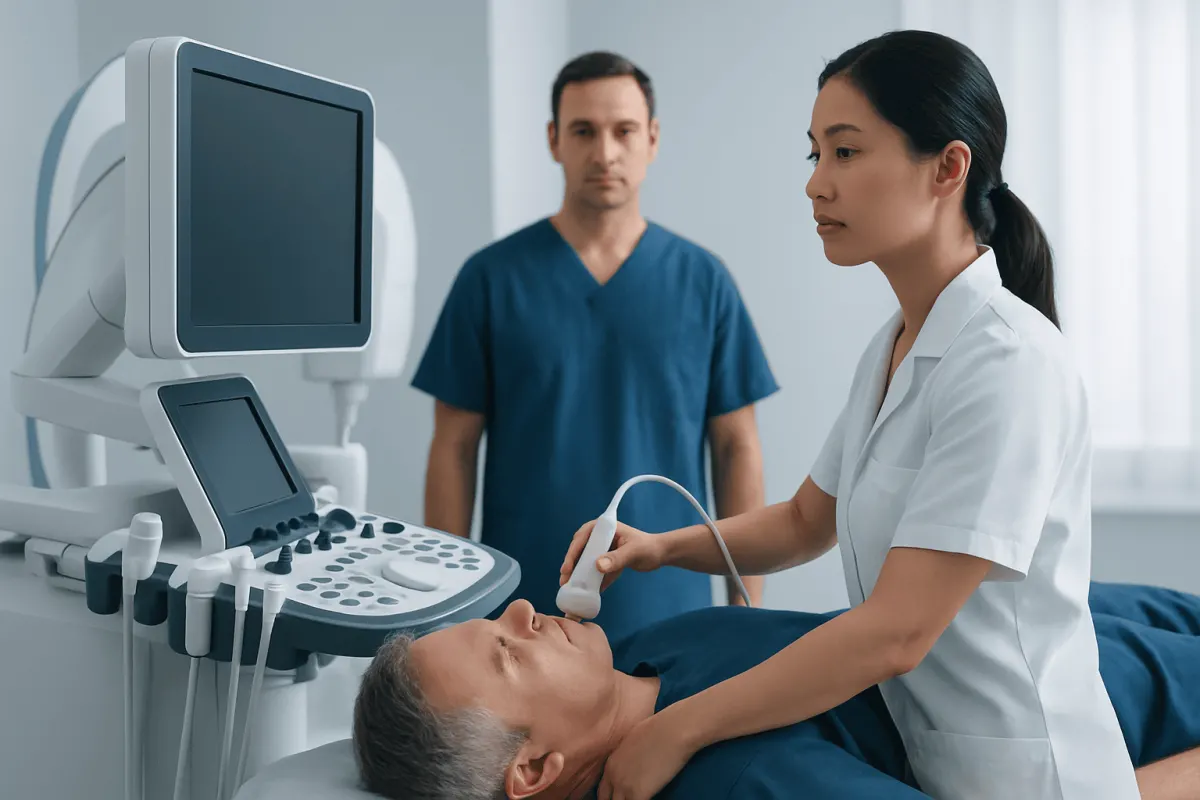
Imaging tests are often important. Doppler ultrasound can show blood flow and detect narrowing in many arteries. CT angiography or MR angiography can provide detailed images of the arteries and surrounding structures. In some cases, catheter angiography is used both to diagnose and to guide treatment procedures.
The choice of test depends on symptoms, the artery involved, and the person’s overall health. If heart-related artery disease is suspected, doctors may also use stress testing, echocardiography, or coronary imaging. In selected cases, evaluation may lead to specialized treatments such as angiography or angioplasty and stent treatment to restore blood flow.
Treatment options for artery conditions
Treatment depends on the location of the artery problem, how severe it is, and whether symptoms are stable or urgent. For many patients, the foundation of treatment is reducing cardiovascular risk. This often includes stopping smoking, improving diet, exercising regularly as advised, controlling blood pressure, managing blood sugar, and lowering cholesterol.
Medicines may be used to reduce clotting risk, control blood pressure, lower cholesterol, improve symptoms, or treat related conditions such as diabetes. The exact plan is individualized, and patients should use medications only as prescribed by their physician. Regular follow-up helps doctors see whether treatment is working and whether the condition is stable.
When an artery is significantly narrowed or blocked, minimally invasive procedures may help reopen it. These can include balloon angioplasty, stent placement, or other endovascular techniques. In some situations, surgery is more appropriate, especially for complex blockages or large aneurysms. For severe carotid artery narrowing in selected patients, options may include carotid endarterectomy.
If the problem involves the aorta or a major aneurysm, treatment may require careful imaging follow-up and, when needed, repair by experienced vascular or cardiovascular teams. Near the end of the care pathway, patients may benefit from multidisciplinary evaluation. Acıbadem Health Point’s multidisciplinary specialists and JCI-accredited hospitals diagnose and treat artery conditions for international patients when advanced assessment or intervention is needed.
Prevention and everyday self-care
Protecting artery health starts with everyday habits. Not smoking is one of the most important steps, because tobacco directly injures blood vessels and increases the risk of clotting. Regular physical activity, as approved by a doctor, supports blood flow, blood pressure control, and healthy weight management.
A heart-healthy eating pattern can also make a meaningful difference. Many doctors recommend meals centered on vegetables, fruits, whole grains, legumes, nuts, fish, and unsaturated fats, while limiting highly processed foods, excess salt, sugary drinks, and foods high in saturated or trans fats. For people with diabetes or high cholesterol, nutrition counseling can be especially helpful.
Patients should take prescribed medicines consistently and attend follow-up visits, even if they feel well. Checking blood pressure, cholesterol, and blood sugar regularly allows silent artery damage to be addressed early. Good sleep, stress management, and foot care are also important, especially for people with diabetes or poor leg circulation.
Self-care matters, but it doesn’t replace medical care. If you notice new symptoms, worsening exercise tolerance, chest discomfort, or changes in the color or temperature of a limb, talk to a healthcare professional. Acting early often prevents complications and protects your quality of life.
When to seek medical care
Patients should arrange medical evaluation if they have ongoing chest discomfort, leg pain when walking, slow-healing foot wounds, unusual shortness of breath, or risk factors such as diabetes, smoking, high blood pressure, or high cholesterol. Even mild symptoms can be important if they are new, persistent, or getting worse over time.
Urgent care is needed for signs of a heart attack or stroke. These may include chest pressure, sudden shortness of breath, pain spreading to the arm or jaw, sudden weakness on one side, trouble speaking, facial drooping, sudden severe headache, or sudden vision loss. These symptoms should not be ignored.
Immediate medical attention is also needed for sudden severe limb pain, a cold or pale arm or leg, sudden numbness, or a pulsing painful abdominal mass. Such symptoms may suggest an acute blockage or a serious artery emergency.
A prompt assessment can tell you whether your symptoms come from the arteries, the heart, the nerves, or something else. Getting checked early is the safest way to protect your circulation and avoid preventable complications.
Frequently asked questions
01What do arteries do in the body?
Arteries carry oxygen-rich blood away from the heart to the organs and tissues. This blood delivers oxygen and nutrients that cells need to function properly. Healthy arteries are essential for normal brain, heart, kidney, and muscle function.
02What is the most common problem that affects arteries?
Atherosclerosis is one of the most common artery problems. It happens when plaque builds up in the artery wall, making the vessel narrower and stiffer. Over time, this can reduce blood flow or increase the risk of a blood clot.
03Can artery disease develop without symptoms?
Yes, many artery conditions develop gradually and may not cause symptoms at first. Some people only learn they have a problem after routine testing or after symptoms appear during exercise. This is why risk factor screening and regular checkups are important.
04Are artery problems always related to the heart?
No, arteries are found throughout the body, so artery disease can affect many areas. It may involve the heart, brain, kidneys, intestines, or legs. The symptoms depend on where blood flow is reduced.
05Can lifestyle changes really improve artery health?
Yes, lifestyle changes can play a major role in protecting arteries and slowing disease progression. Stopping smoking, staying active, eating a balanced diet, and controlling blood pressure, cholesterol, and diabetes are all important. These steps often work best when combined with regular medical follow-up.
06When should someone worry about poor circulation?
Poor circulation should be assessed if it causes leg pain with walking, numbness, coldness, skin color changes, or wounds that do not heal. Sudden severe pain, weakness, or a pale and cold limb needs urgent care. Prompt evaluation can help prevent tissue damage.
This article is for general information only and is not a substitute for professional medical advice. Please consult a qualified doctor about your individual situation.
Heart care in Turkey — expert evaluation and treatment
JCI-accredited · board-certified surgeons · reply within 24h
Add us as a Preferred Source to see more of our trusted health content across Google Search, AI Overviews and Discover.