Anal Cancer: Symptoms, Causes and Treatment

Key Takeaways
- Anal cancer symptoms may include bleeding, pain, a lump, itching, or changes in bowel habits.
- These symptoms can also come from hemorrhoids, fissures, infections, or skin conditions, so assessment is important.
- Diagnosis usually starts with a physical examination and may include endoscopy, biopsy, and imaging.
- Treatment depends on the cancer’s stage and often involves a combination of radiation, chemotherapy, and sometimes surgery.
- Anyone with persistent or unexplained anal symptoms should speak with a qualified doctor, especially if symptoms worsen or do not improve.
Anal Breast Cancer Symptoms: Early Signs and Changes" class="ahp-ilk">cancer symptoms can overlap with common, less serious conditions, which is why persistent changes deserve medical attention. Early evaluation helps identify the cause and guide the most appropriate treatment plan.
Overview
Anal cancer is an uncommon cancer that begins in the tissues of the anal canal or the skin around the anus. Because the area is sensitive and many non-cancerous conditions can cause similar discomfort, the first signs are sometimes overlooked or mistaken for something more routine.
That overlap matters. A person may notice rectal bleeding after a bowel movement, ongoing soreness, itching, or a small lump and assume it is hemorrhoids or a fissure. While those are common explanations, persistent symptoms should be checked by a doctor so the real cause is not missed.
For international patients, this can become part of a practical decision: whether to seek a local evaluation first or arrange specialist care abroad if symptoms are complex, recurrent, or not improving. A careful medical review is the right starting point in either case.
Symptoms

Anal cancer symptoms can develop gradually and may be subtle at first. The most common early complaint is bleeding from the anus or rectum, especially when it happens repeatedly or without a clear reason.
Other possible symptoms include pain, pressure, a feeling of fullness, itching, discharge, or a lump near the anus. Some people notice that bowel movements become uncomfortable, narrow, or associated with a sensation that the bowel has not fully emptied.
Less specific changes can also occur. These may include swollen lymph nodes in the groin, increasing irritation of the skin around the anus, or a sore that does not heal. Because none of these signs confirms cancer on its own, the pattern, duration, and progression are important to mention during an evaluation.
- Rectal or anal bleeding
- Anal pain or pressure
- Itching or irritation that persists
- A lump, mass, or thickened area
- Discharge or mucus from the anus
- Changes in bowel habits or stool shape
Causes & Risk Factors

Anal cancer develops when cells in the anal region begin to grow in an abnormal and uncontrolled way. In many cases, infection with high-risk human papillomavirus (HPV) is a major contributing factor, although not everyone with HPV will develop cancer.
Risk is also influenced by several other factors, including a history of smoking, a weakened immune system, prior HPV-related disease, and certain chronic inflammatory or skin conditions. Age may play a role as well, since many cancers become more common over time.
It is helpful to think of risk factors as influences, not destiny. Having one or more risk factors does not mean a person has anal cancer, and not having obvious risk factors does not completely rule it out. That is why symptoms that persist are worth discussing with a clinician rather than self-treating for too long.
Diagnosis
Evaluation usually begins with a focused medical history and a physical examination. A doctor may inspect the area, perform a digital rectal exam, and check nearby lymph nodes to better understand what is causing the symptoms.
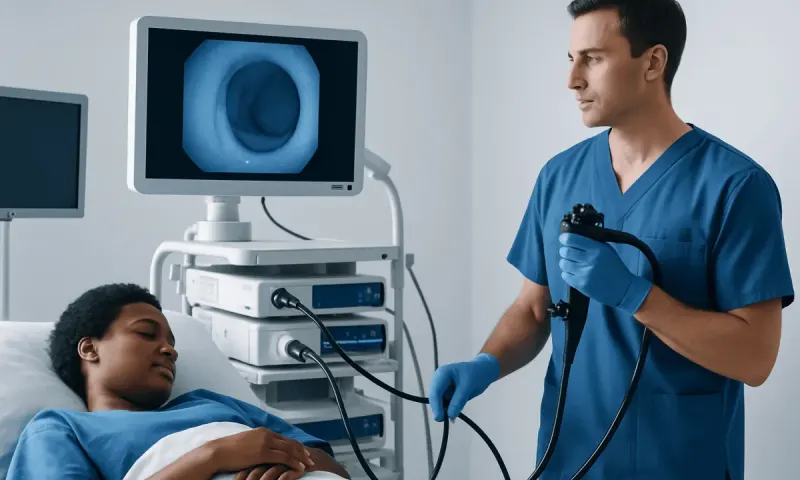
If something looks suspicious, further testing may include anoscopy or proctoscopy, which allow a closer view of the anal canal. A biopsy is typically needed to confirm whether abnormal tissue is cancerous and to determine the exact type of cells involved.
Once a diagnosis is confirmed, imaging tests such as MRI, CT, PET, or ultrasound may be used to assess the extent of disease and help with staging. For people considering treatment across borders, these results are central to planning care, coordinating travel, and deciding whether surgery, radiation, or chemotherapy is most appropriate.
Treatment Options
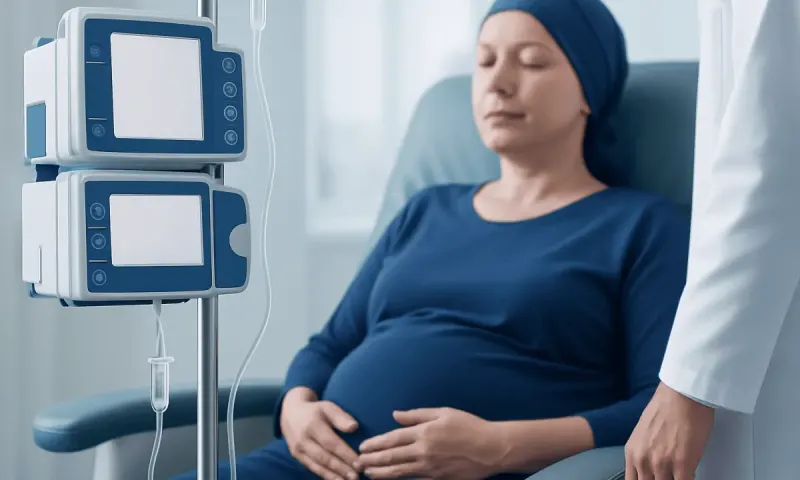
Treatment is individualized based on the cancer’s size, location, and stage, as well as the person’s overall health. In many cases, anal cancer is treated with a combination of chemotherapy and radiation therapy rather than surgery alone.
When treatment begins, the goal is to control the cancer while preserving anal function as much as possible. Surgery may still be needed in specific situations, such as when cancer returns, when it does not respond fully to initial treatment, or when a very small lesion is suitable for local removal.
Supportive care is an important part of the plan. Doctors may recommend ways to manage pain, skin irritation, bowel changes, fatigue, or nutritional concerns. For international patients, follow-up appointments and imaging schedules are usually discussed in advance so recovery can continue safely after returning home. At Acibadem Health Point, multidisciplinary specialists and JCI-accredited hospitals diagnose and treat anal cancer for international patients in a coordinated setting.
Prevention & Self-care
Not every case can be prevented, but some steps may lower risk or support earlier detection. HPV vaccination, when appropriate, is an important preventive measure because HPV plays a role in many anal cancers and other HPV-related diseases.
Not smoking is another practical step, since tobacco use is linked with a higher risk of several cancers. People with a history of HPV-related disease, immune suppression, or ongoing anal symptoms should keep regular medical follow-up and report new changes promptly.
Day-to-day self-care depends on the cause of symptoms and the treatment plan. Gentle hygiene, avoiding unnecessary irritation, staying hydrated, eating enough fiber if advised, and following the clinician’s instructions for skin care or bowel management can all help. Most importantly, symptoms should not be repeatedly assumed to be “just hemorrhoids” if they are not improving.
When to See a Doctor
Medical evaluation is appropriate when anal bleeding, pain, itching, discharge, or a lump lasts more than a short time or keeps returning. It is especially important to be seen if the symptoms are getting worse, if there is unexplained weight loss, or if bowel habits are changing in a persistent way.
A prompt visit is also wise if a person has a weakened immune system, a history of HPV-related disease, or a new sore that does not heal. These symptoms do not automatically mean cancer, but they do deserve a proper examination rather than watchful waiting alone.
For someone traveling for care, it is reasonable to gather prior test results, medication lists, and any photos or records of previous evaluations before the appointment. That makes it easier for the doctor to compare changes over time and choose the next step efficiently.
Living With the Diagnosis and Follow-up
After treatment, follow-up is not just a formality; it is where healing, symptom control, and cancer surveillance come together. Visits may include physical examinations, imaging, or endoscopic checks depending on the treatment received and the stage at diagnosis.
People often need time to adjust to changes in bowel comfort, skin sensitivity, energy levels, or emotional well-being. Clear communication with the care team helps, especially for those managing recovery from another country and needing a realistic plan for local follow-up once they return home.
Questions about work, travel, sexual health, and future screening are appropriate at this stage. A well-structured follow-up plan helps patients stay informed and reduces the chance that new symptoms are ignored or misread.
Frequently asked questions
01Are anal cancer symptoms the same as hemorrhoids?
They can look similar, especially when there is bleeding, itching, or discomfort. The difference is that anal cancer symptoms tend to persist, change over time, or come with a lump or non-healing sore, so a doctor should evaluate ongoing symptoms.
02Does anal bleeding always mean cancer?
No. Anal bleeding is often caused by hemorrhoids, fissures, irritation, or infection. Because bleeding can also be a sign of anal cancer, repeated or unexplained bleeding should be medically checked.
03What is the first test for suspected anal cancer?
A doctor usually starts with a physical examination and a careful look at the anal area. Depending on the findings, an anoscopy and biopsy may be needed to confirm the diagnosis.
04Can anal cancer be treated without surgery?
Yes, many patients are treated with chemotherapy and radiation rather than surgery alone. The best plan depends on the cancer’s stage, location, and response to treatment.
05Who is at higher risk for anal cancer?
People with HPV infection, a history of smoking, or a weakened immune system may have a higher risk. Prior HPV-related disease and some chronic anal or skin conditions can also increase risk.
06When should someone seek urgent medical advice?
Urgent attention is appropriate if bleeding is heavy, pain is severe, or symptoms are rapidly worsening. Even when symptoms are not urgent, persistent changes should be discussed with a doctor soon.
This article is for general information only and is not a substitute for professional medical advice. Please consult a qualified doctor about your individual situation.
Persistent digestive symptoms? Get evaluated in Turkey
JCI-accredited · board-certified surgeons · reply within 24h
Add us as a Preferred Source to see more of our trusted health content across Google Search, AI Overviews and Discover.