Am I a Candidate for Meniscus Tear Surgery?
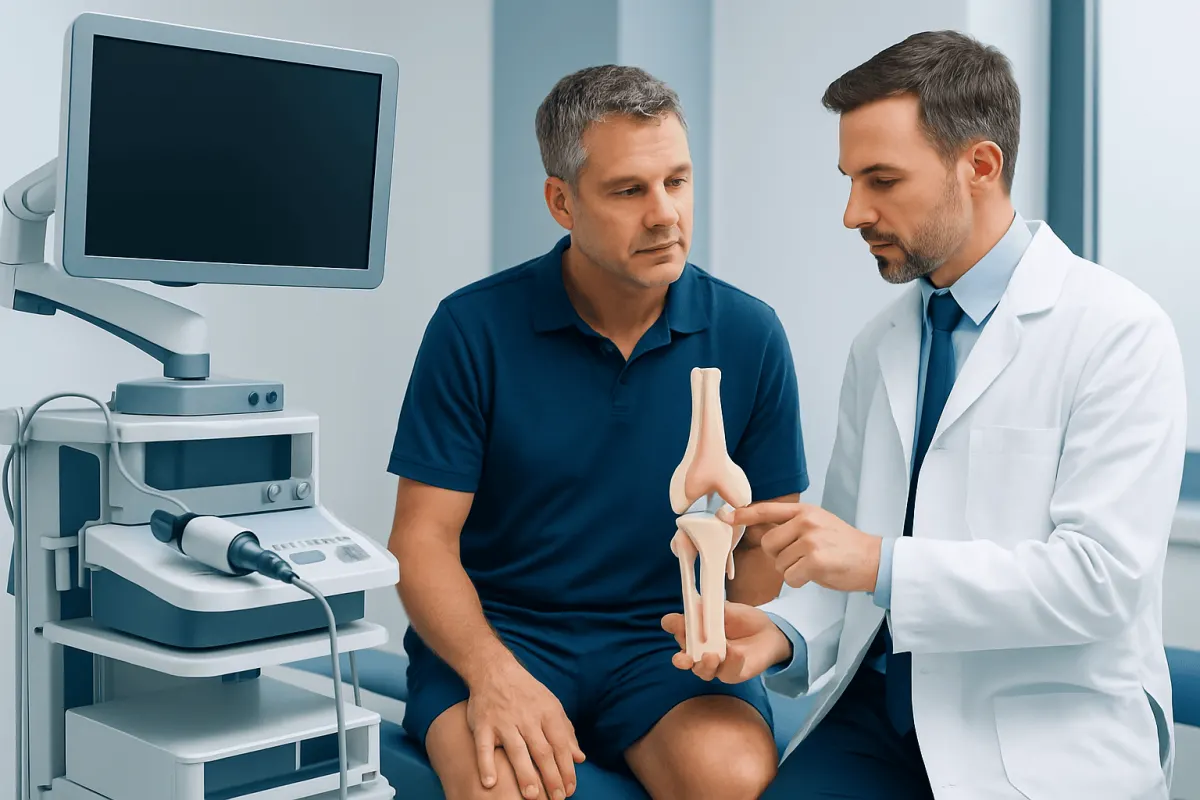
A person may be a candidate for meniscus tear surgery when a tear causes ongoing symptoms, mechanical knee locking, or reduced function despite appropriate non-surgical treatment. The decision depends on the tear pattern, its location, knee stability, overall joint health, activity needs, and personal health factors.
Overview: Who May Be a Candidate?
Am I a candidate for meniscus tear surgery? A person may be considered for surgery when a meniscus tear causes persistent pain, recurrent swelling, catching or locking of the knee, or meaningful limits on daily life after suitable non-surgical care. Surgery is also more likely to be considered when the tear is unstable, repairable, or associated with a recent knee injury such as an anterior cruciate ligament injury.
However, an MRI finding alone does not determine whether surgery is needed. Some meniscus tears, especially gradual degenerative tears seen with aging or osteoarthritis, may not be the main source of symptoms and can often be managed without an operation. A knee specialist weighs the scan alongside the person’s symptoms, examination, activity requirements, and the condition of the rest of the joint.
The aim is not simply to remove torn tissue. When surgery is appropriate, the surgeon generally tries to preserve as much functioning meniscus as possible because it cushions the knee and helps distribute load across the joint. Detailed information about the procedure is available through meniscus tear surgery.
Understanding the Meniscus and Why Tear Type Matters
Each knee has two menisci: the medial meniscus on the inner side and the lateral meniscus on the outer side. These crescent-shaped pads of cartilage help absorb shock, improve joint stability, and protect the joint surfaces. A tear may happen suddenly during a twist, pivot, or sports injury, or develop gradually as the tissue becomes less resilient over time.
Eligibility for surgery is strongly influenced by the tear’s pattern and position. The outer portion of the meniscus has a better blood supply and is sometimes called the red zone. Tears in this area may have a greater potential to heal after stitching. The inner portion has limited blood supply, so certain tears there are less likely to heal and may require a different approach if symptoms remain significant.
Specialists also consider whether a tear is displaced. For example, a flap or bucket-handle tear can sometimes move into the joint and prevent the knee from fully straightening. This type of mechanical blockage is different from general knee aching and can require more timely assessment. Meniscus symptoms may overlap with other causes of knee pain, including knee osteoarthritis, ligament injury, or cartilage damage.
Eligibility Criteria and Pre-Surgical Assessment

A person is more likely to be evaluated as a potential surgical candidate if symptoms continue despite a structured period of activity modification, physiotherapy, and other clinician-guided measures. The exact duration varies because urgent mechanical symptoms, an acute locked knee, or an associated ligament injury may change the timing of treatment.
Factors that may support surgery include a repairable tear in a vascular area, a recent traumatic tear, repeated locking or catching, loss of knee motion, persistent swelling, and difficulty returning to work, sport, or essential everyday activities. Younger age can be associated with better healing potential, but age alone does not decide eligibility. Overall tissue quality, tear characteristics, and joint health are more informative.
Factors that may make surgery less helpful include advanced widespread arthritis, a tear that is unlikely to be the source of symptoms, severe medical conditions that make anesthesia or surgery unsafe, or inability to follow the rehabilitation plan. These factors do not automatically exclude treatment; rather, they help the care team choose the safest and most useful option.
- Clinical history: injury mechanism, location of pain, locking, swelling, and activity limitations.
- Physical examination: knee movement, tenderness, stability, strength, and signs of other injuries.
- Imaging: X-rays may assess arthritis or alignment, while MRI can help identify the tear and associated damage.
- Health review: medications, smoking status, blood clotting risk, diabetes, prior surgery, and anesthesia considerations.
Completing a pre-assessment form can help organize medical history, imaging reports, and current symptoms before an orthopedic consultation. The final decision should always follow an individual examination and discussion with a qualified specialist.
How Meniscus Tear Surgery Works
Most procedures are performed with knee arthroscopy. The surgeon makes small incisions around the knee and inserts a thin camera, called an arthroscope, to inspect the joint. Small surgical instruments are introduced through additional openings. This approach allows the surgeon to confirm the tear pattern and assess the cartilage, ligaments, and other structures inside the knee.
When the tear is suitable for healing, the preferred option is often meniscus repair. The torn edges are positioned and secured with sutures or specialized fixation devices. Preserving the meniscus can support long-term knee function, but repaired tissue needs time and protection to heal.
When repair is not feasible, the surgeon may perform a partial meniscectomy, removing only the unstable damaged portion while preserving as much healthy tissue as possible. In select situations, other procedures may be discussed, especially if there is a significant ligament injury or another condition requiring treatment at the same time. The surgical plan may be adjusted based on the direct arthroscopic view of the meniscus.
What Happens During the Procedure and Recovery
Before surgery, the patient meets the anesthesia and orthopedic teams, reviews medications and fasting instructions, and confirms the treatment plan. Arthroscopic meniscus surgery is commonly performed under general or regional anesthesia. After the procedure, the knee is covered with dressings, and the patient receives instructions for pain control, wound care, movement, and follow-up.
Recovery depends mainly on whether the meniscus was repaired or trimmed. After a partial meniscectomy, weight-bearing and range-of-motion exercises may often begin relatively early, according to the surgeon’s instructions. Many people return to routine daily tasks within a few weeks, although return to heavier work and pivoting sports takes longer.
After a meniscus repair, the recovery period is usually more protective because the stitched tissue must heal. A brace, crutches, limits on weight-bearing, or limits on knee bending may be recommended for a period of time. Physiotherapy progresses from restoring knee motion and reducing swelling to rebuilding strength, balance, and sport- or work-specific control.
Return to running, jumping, turning sports, and physically demanding work should be based on healing, knee strength, movement quality, and the surgeon’s and physiotherapist’s assessment rather than a fixed calendar date. Attending follow-up appointments is important, as the rehabilitation plan may need adjustment.
Potential Benefits, Risks, and Non-Surgical Options
Potential benefits of appropriate surgery include relief of mechanical locking, improved knee movement, less pain related to an unstable tear, and a better chance of returning to valued daily or athletic activities. Repair may preserve meniscal tissue and is generally favored over removal whenever it is realistically expected to heal.
Like all operations, arthroscopy has risks. These can include infection, bleeding, blood clots, stiffness, nerve or blood vessel injury, anesthesia-related complications, ongoing pain or swelling, and failure of a repaired tear to heal. Removing meniscal tissue can also increase load on the joint, which is why surgeons aim to remove as little as possible when trimming is necessary.
Non-surgical care remains appropriate for many people. It may include tailored physiotherapy, temporary changes to activities that provoke symptoms, strengthening of the thigh and hip muscles, weight management when relevant, and clinician-recommended pain relief. An injection may be considered in selected circumstances, but it does not repair the meniscus and should be discussed in the context of the person’s overall diagnosis.
A shared decision is important. The most suitable approach considers what is seen on imaging, what is found clinically, the likelihood of meaningful improvement, recovery demands, and the person’s goals and preferences.
When to Seek Medical Care
Medical assessment is advisable for knee pain or swelling that does not improve, repeated catching or giving way, difficulty fully bending or straightening the knee, or symptoms that interfere with work, exercise, sleep, or normal walking. An orthopedic clinician can determine whether the symptoms are likely related to a meniscus tear or another knee condition.
More prompt evaluation is appropriate after a twisting injury if the knee is locked, cannot bear weight, appears deformed, or swells rapidly. Urgent medical care is needed if knee symptoms occur with fever, marked redness or warmth, severe calf swelling, chest pain, shortness of breath, or other signs of a possible infection or blood clot.
For international patients, Acıbadem Health Point’s multidisciplinary orthopedic specialists and JCI-accredited hospitals diagnose and treat meniscus injuries, with treatment plans guided by individual assessment. A consultation and pre-assessment process can help clarify whether surgery, rehabilitation, or another option is appropriate.
Frequently asked questions
01Does an MRI-confirmed meniscus tear mean surgery is necessary?
No. MRI can identify a tear, but treatment decisions depend on symptoms, the physical examination, tear pattern, knee stability, and overall joint health. Some tears cause little or no trouble and can be managed without surgery.
02What symptoms make meniscus surgery more likely to be considered?
Surgery may be considered for ongoing pain and swelling that limit function, repeated catching, true locking, or inability to fully straighten the knee. A displaced tear or a tear occurring with a ligament injury may also lead to a surgical discussion.
03Is meniscus repair better than removing the torn part?
When a tear is suitable for repair, preserving the meniscus is generally preferred because the meniscus helps protect the knee joint. Not all tears can be repaired safely or reliably, so the choice depends on tear location, pattern, tissue quality, and healing potential.
04How long does recovery take after meniscus tear surgery?
Recovery varies by procedure and individual circumstances. Partial meniscectomy often permits earlier walking and functional recovery, while meniscus repair typically requires a more gradual rehabilitation program to protect healing tissue. The surgeon and physiotherapist determine when higher-impact activities can resume.
05Can physiotherapy heal a torn meniscus?
Physiotherapy does not stitch the tear together, but it can reduce symptoms and improve knee strength, control, and function. It is often an important first-line treatment and remains essential after surgery.
06What should a patient bring to a meniscus surgery consultation?
Helpful information includes MRI images or reports, X-rays if available, a list of medications and medical conditions, details of previous knee injuries or operations, and a description of symptoms and activity limitations. This information supports a more individualized assessment.
This article is for general information only and is not a substitute for professional medical advice. Please consult a qualified doctor about your individual situation.
Joint and spine care in Turkey — expert assessment & treatment
JCI-accredited · board-certified surgeons · reply within 24h
Add us as a Preferred Source to see more of our trusted health content across Google Search, AI Overviews and Discover.