Compression Sleeves for Bursitis: Finding a Comfortable Fit
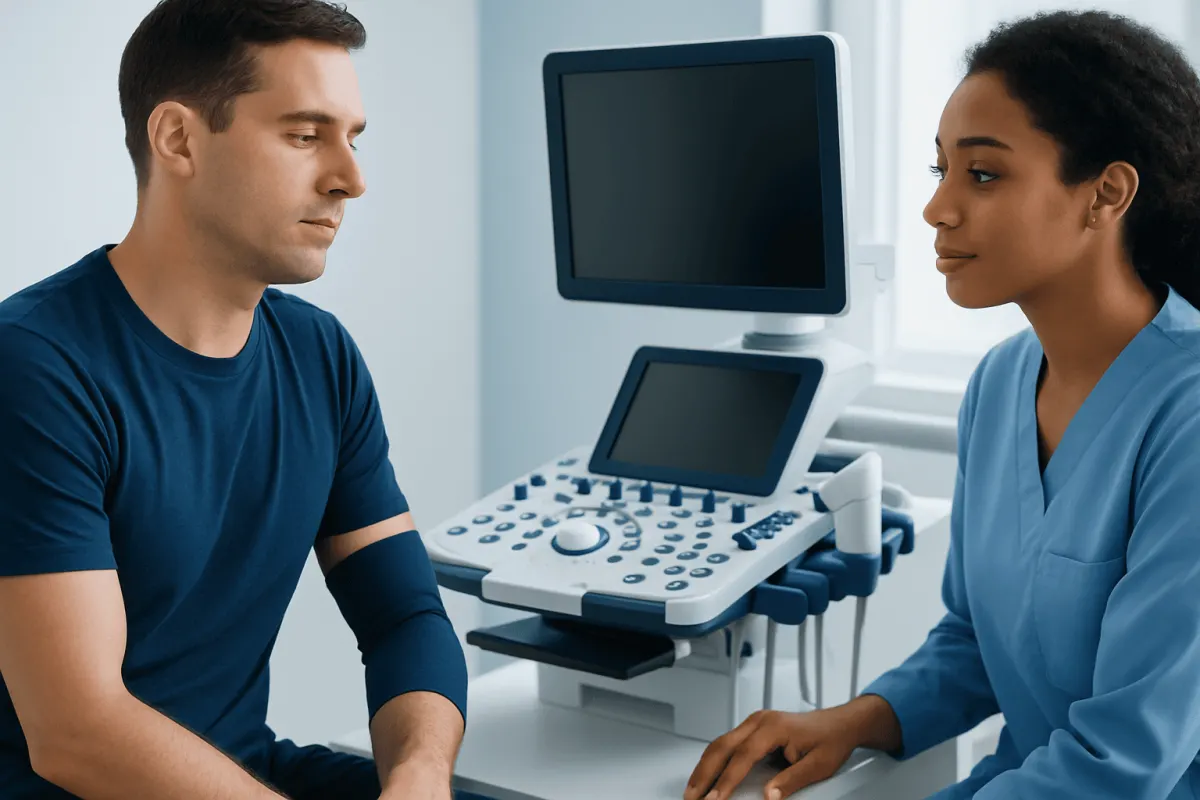
The best compression sleeve for bursitis is usually one that provides mild, even compression, fits comfortably, and does not press directly on a swollen bursa. Compression may support comfort during recovery, but it does not treat infection, remove fluid, or replace medical assessment when symptoms are severe or persistent.
Overview: Choosing a Compression Sleeve for Bursitis
The best compression sleeve for bursitis is one that provides light-to-moderate, comfortable support without constricting circulation or pressing hard on the painful swelling. A sleeve should feel snug but not tight: it should not cause numbness, tingling, coolness, skin discoloration, or increased pain. For many people, the most useful choice is a simple breathable, elastic sleeve in the correct size rather than a highly rigid or strongly compressive product.
Bursitis is inflammation of a bursa, a small fluid-filled sac that cushions tissues around joints. It often develops near the knee, elbow, shoulder, hip, or heel. Symptoms can include a tender lump or swelling, pain with movement or pressure, and stiffness. Bursitis may arise from repetitive movements, prolonged pressure, injury, inflammatory disease, or occasionally infection.
Compression is a supportive self-care measure, not a stand-alone treatment. It may help some people feel more comfortable while avoiding aggravating activities, using appropriate padding, and following medical advice. A clinician can help confirm whether the swelling is bursitis and rule out conditions requiring different care, such as joint injury, arthritis, gout, or infection.
How Compression Sleeves May Help
People often ask, “Do compression sleeves help with bursitis?” The answer is that they can help with comfort in selected cases, particularly when swelling is mild and the sleeve is not painful. Gentle external pressure may limit minor soft-tissue swelling, provide a sense of joint support, and reduce discomfort during light daily activity. It may also remind the wearer to avoid sudden or excessive movement while tissues settle.
However, compression does not directly heal an inflamed bursa, eliminate excess bursal fluid, or treat the cause of bursitis. A sleeve should be combined with practical measures such as temporary activity modification, avoiding kneeling or leaning on the affected joint, and using a protective pad where appropriate. Cold packs may help during short periods of acute soreness, provided they are wrapped to protect the skin.
A sleeve is not suitable as a way to “push down” a large bursal swelling. Excess pressure can make pain worse and may irritate sensitive skin. This is especially important when there is a visible, fluid-filled swelling at the tip of the elbow or the front of the knee.
How to Choose a Sleeve Safely

When selecting the best compression sleeve for bursitis, fit and material matter more than branding. Measure the limb according to the manufacturer’s instructions and choose a size that stays in place without rolling, pinching, or leaving deep marks. Breathable, moisture-wicking fabric may be more comfortable for longer wear, especially in warm conditions or for people with sensitive skin.
For the best compression sleeve for knee bursitis, a low-profile knee sleeve with evenly distributed compression is often more comfortable than a bulky brace. It should allow normal bending and should not have a firm ring, seam, or strap positioned directly over swelling in front of the kneecap. A separate kneeling pad may be more helpful than additional compression for people whose symptoms are triggered by work or hobbies that involve kneeling.
For the best compression sleeves for elbow bursitis, a soft sleeve can offer light support, but direct pressure over the elbow tip should be avoided. Many people do better with a padded elbow protector, particularly at night or when resting their elbow against surfaces. Avoid sleeves with tight edges that sit over the swollen bursa, since they can cause rubbing and skin irritation.
- Choose mild-to-moderate, even compression rather than very firm compression.
- Look for smooth seams and soft edges that will not rub the sore area.
- Consider washable, breathable materials to support skin hygiene.
- Use a sleeve only if it makes movement and daily tasks more comfortable.
- Ask a clinician or physiotherapist for guidance if there is significant swelling, diabetes, reduced sensation, or circulation problems.
Who May Benefit and Who Should Be Cautious
Is a compression sleeve good for bursitis? It may be reasonable for adults with mild, non-infectious bursitis who have been assessed or whose symptoms are clearly linked to temporary overuse or pressure. It can be particularly useful during brief periods of activity when gentle support feels reassuring. The person should still be able to move the joint normally and monitor the skin beneath the sleeve.
Compression should be used cautiously by people with peripheral artery disease, significant leg swelling from an undiagnosed cause, impaired sensation from neuropathy, fragile skin, active dermatitis, or a history of blood-clot-related symptoms. Anyone with diabetes or vascular disease should discuss compression use with a healthcare professional, especially if the sleeve is intended for the lower leg or knee.
It should not be used to delay care when bursitis may be infected. Infected bursitis can cause increasing warmth, redness, tenderness, fever, or drainage, and may need antibiotics or drainage. A clinician may examine the area and, in selected cases, take fluid from the bursa to identify infection or crystals.
Using a Compression Sleeve: A Practical Routine
Using a sleeve is not a medical procedure, but applying it correctly can reduce the chance of discomfort. First, inspect the skin for cuts, rash, drainage, or marked redness. Place the sleeve on clean, dry skin, smooth out folds, and ensure that the area of maximum swelling is not being sharply compressed by a seam, edge, or strap.
Wear it for a short trial during gentle activity, then remove it and reassess. If pain decreases or remains stable and the skin looks normal, it may be worn intermittently as tolerated. There is no single schedule that suits everyone; it is generally sensible to remove the sleeve for sleep unless a clinician specifically advises otherwise, and to take it off regularly to check the skin and circulation.
Recovery depends on the cause and location of bursitis. Mild irritation may improve over days to a few weeks when pressure and repetitive movements are reduced. Symptoms that persist, recur, or limit work, exercise, or sleep deserve assessment. A clinician may recommend targeted rehabilitation, medication when appropriate, or physical therapy and rehabilitation to restore movement and reduce strain on the joint.
Benefits, Limitations and Possible Risks
The potential benefits of a well-fitted sleeve include a feeling of stability, modest control of mild swelling, warmth, and improved confidence with daily movement. It can be a convenient option alongside rest from aggravating activities and protective padding. Its benefits should be judged by symptoms: the sleeve is useful only if it improves comfort without causing new problems.
Possible risks include skin irritation, pressure marks, chafing, overheating, and reduced circulation if the sleeve is too tight. It may also conceal changes in swelling or redness, making regular skin checks important. Stop using the sleeve if there is increasing pain, numbness, tingling, weakness, a pale or bluish color, unusual coldness, or a rash.
It is also important not to rely on a sleeve when a diagnosis is uncertain. Persistent swelling around a joint can have several causes, and some need specific treatment. If conservative care is not helping, a clinician can discuss options such as anti-inflammatory strategies, aspiration in selected circumstances, or treatment directed at an underlying inflammatory condition.
When to Seek Medical Care
Medical assessment is recommended if swelling is pronounced, persists beyond a short period of self-care, keeps returning, or interferes with normal joint movement. A doctor should also assess bursitis after a significant injury, particularly if the person cannot bear weight, straighten the joint, or use the limb normally.
Urgent evaluation is appropriate for fever, chills, rapidly worsening pain, spreading redness, marked warmth, drainage, or a feeling of being unwell. These symptoms can suggest infection and should not be managed with compression alone. People taking immune-suppressing medicines or those with diabetes should seek advice promptly if a joint area becomes red, hot, or swollen.
Acıbadem Health Point’s multidisciplinary specialists and JCI-accredited hospitals diagnose and treat joint and soft-tissue conditions for international patients. A qualified clinician can advise whether a compression sleeve is appropriate and create a plan that addresses the source of symptoms rather than only the swelling.
Frequently asked questions
01What is the best compression sleeve for bursitis?
The best choice is usually a breathable, correctly sized sleeve that provides gentle and even compression without pressing directly on the swollen bursa. It should not cause pain, numbness, skin discoloration, or deep marks. The ideal style differs by location, such as the knee or elbow, and by the amount of swelling.
02Do compression sleeves help with bursitis?
Compression sleeves may help some people by providing gentle support and reducing the feeling of mild swelling. They do not cure bursitis, remove bursal fluid, or treat infection. They work best as one part of a wider plan that includes avoiding the activity or pressure that triggered symptoms.
03What is the best compression sleeve for knee bursitis?
A simple, flexible knee sleeve with smooth seams and mild compression is often a practical option for mild knee symptoms. It should not have a tight strap or reinforced area pressing on swelling over the kneecap. For bursitis caused by kneeling, protective kneepads and avoiding direct pressure are especially important.
04Are compression sleeves safe for elbow bursitis?
A soft elbow sleeve may be safe if it feels comfortable and does not press tightly on the bony tip of the elbow. Because elbow bursitis often forms a prominent swelling, padding and avoiding leaning on the elbow may be more helpful than strong compression. Any redness, warmth, drainage, or fever needs prompt medical assessment.
05How long should a compression sleeve be worn for bursitis?
There is no universal wear time. A person can try it for short periods during daytime activity and remove it regularly to inspect the skin and check comfort. It is generally best not to wear it overnight unless a healthcare professional has recommended this.
06When should a person avoid using a compression sleeve?
A sleeve should be avoided or removed if it worsens pain, causes numbness or tingling, changes skin color, or irritates the skin. It should not be used as a substitute for medical care when there is fever, drainage, spreading redness, severe swelling, or suspected infection. People with circulation problems, reduced sensation, or diabetes should seek individualized advice first.
This article is for general information only and is not a substitute for professional medical advice. Please consult a qualified doctor about your individual situation.
Joint and spine care in Turkey — expert assessment & treatment
JCI-accredited · board-certified surgeons · reply within 24h
Add us as a Preferred Source to see more of our trusted health content across Google Search, AI Overviews and Discover.