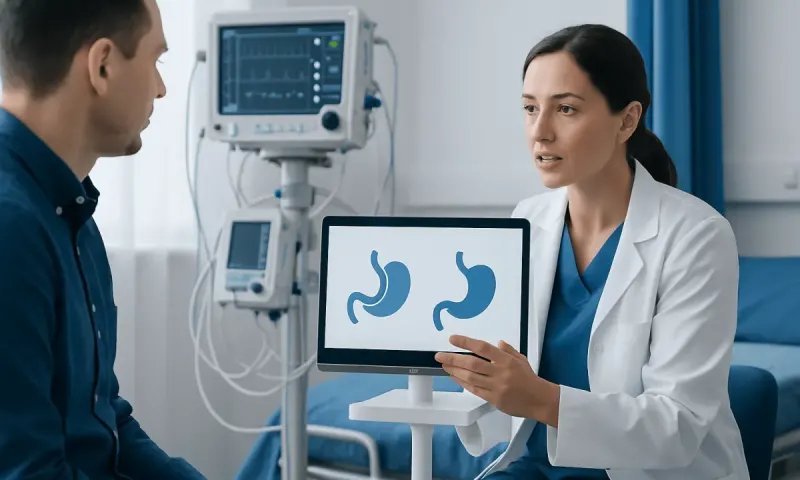
Am I a Candidate for Gastric bypass? Eligibility Criteria
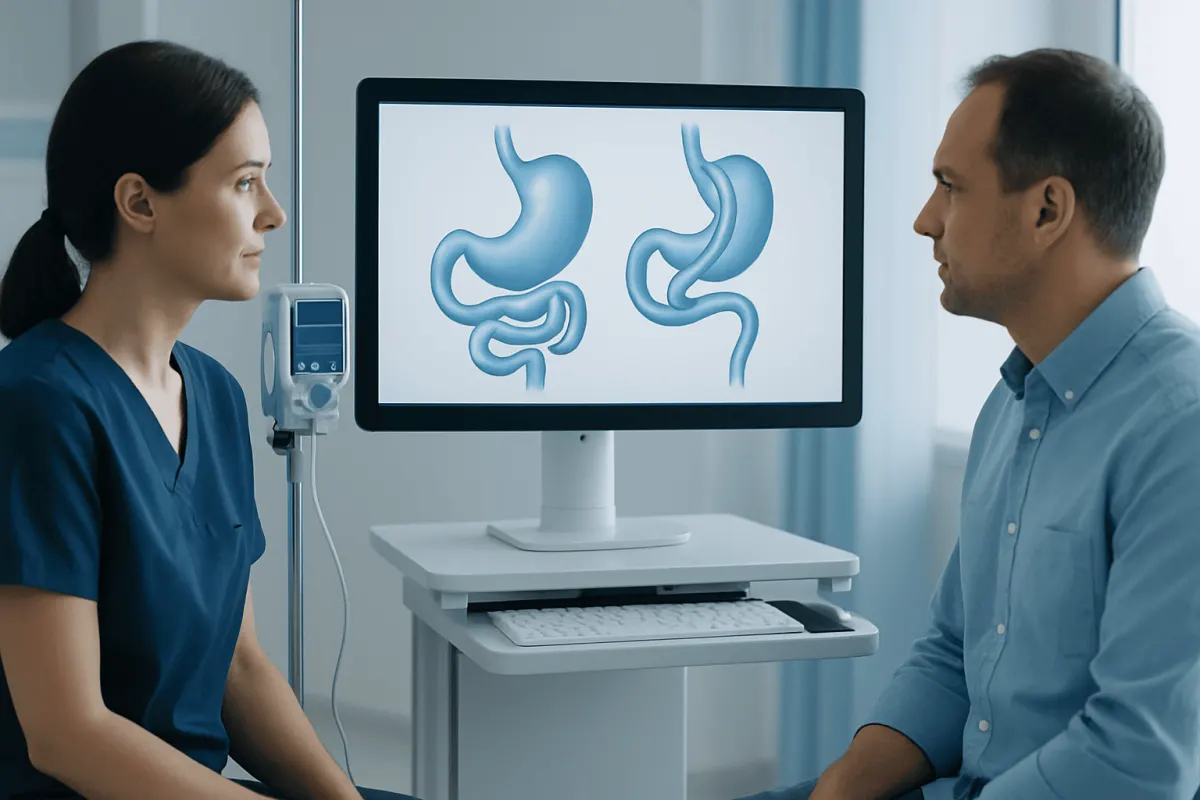
A person may be a candidate for gastric bypass if they have obesity that is affecting their health, have not achieved sufficient results with non-surgical care, and are ready for long-term nutritional and medical follow-up. Eligibility is decided individually after a detailed multidisciplinary assessment, rather than by weight or body mass index alone.
Am I a Candidate for Gastric Bypass?
A person may be a candidate for gastric bypass when obesity is contributing to health problems or daily limitations, non-surgical weight-management efforts have not provided enough lasting benefit, and they can commit to lifelong follow-up. The decision is not based on appearance or a single measurement; it considers overall health, eating patterns, previous treatments, expectations, and readiness for major lifestyle changes.
Gastric bypass, also called Roux-en-Y gastric bypass, is a type of bariatric surgery. It can support substantial, sustained weight loss and may improve obesity-related conditions such as type 2 diabetes, high blood pressure, obstructive sleep apnea, and fatty liver disease in appropriately selected patients. It is a serious operation and is usually considered as part of comprehensive medical care rather than as a stand-alone solution.
People considering surgery can learn more about the operation and discuss an individual assessment through gastric bypass treatment. A pre-assessment form can also help the bariatric team gather initial information about weight history, medical conditions, current medicines, and treatment goals before arranging a detailed consultation.
How Gastric Bypass Works
During gastric bypass, the surgeon creates a small pouch from the upper part of the stomach. This pouch holds much less food than the original stomach, helping a person feel full after smaller meals. The pouch is then connected to a lower section of the small intestine.
This rerouting means that food bypasses most of the stomach and the first part of the small intestine. In addition to restricting the amount of food eaten at one time, it changes gut hormones involved in appetite, fullness, blood sugar regulation, and metabolism. These combined effects can support weight loss and improve metabolic health.
Because part of the digestive tract is bypassed, the body may absorb less iron, calcium, vitamin B12, folate, and other nutrients. This is why prescribed supplements, regular blood tests, and ongoing nutritional review are necessary after surgery. Gastric bypass is usually performed using minimally invasive, or laparoscopic, techniques, although the safest approach depends on the individual clinical situation.
Eligibility Criteria and Pre-Surgery Assessment

Many clinical guidelines consider bariatric surgery for adults with a body mass index (BMI) of 40 or above, or a BMI of 35 or above with significant obesity-related conditions. In some circumstances, surgery may also be considered at lower BMI levels, especially when type 2 diabetes or metabolic disease is not adequately controlled with non-surgical treatment. Criteria can vary by country, health system, ethnicity, and personal clinical needs.
A bariatric team will usually review weight history, previous structured attempts at nutrition, activity, behavioral support, and medical weight management. They also assess conditions that may improve after weight loss, including type 2 diabetes, sleep apnea, high blood pressure, high cholesterol, joint disease, and gastroesophageal reflux symptoms. The aim is to determine whether the potential benefits outweigh the risks for that person.
Readiness is equally important. Candidates need to understand the required changes in portion sizes, food choices, eating pace, vitamin use, physical activity, and follow-up. A psychological or behavioral health assessment may explore emotional eating, binge-eating symptoms, depression, anxiety, substance use, social support, and ability to follow the post-operative plan. These assessments are supportive and help the team tailor care; they are not intended to judge a person.
- Age, general fitness for anesthesia, and previous abdominal operations may be reviewed.
- Blood tests can identify anemia, vitamin deficiencies, diabetes, liver concerns, or thyroid problems.
- Testing for sleep apnea, heart disease, stomach conditions, or other concerns may be recommended.
- Smoking or nicotine use should be addressed before surgery because it increases healing and ulcer risks.
Who May Need a Different Approach?
Gastric bypass is not the best option for every person with obesity. Some people may be better suited to another bariatric procedure, medical weight management, nutrition and behavioral support, or treatment of an underlying health condition. The choice depends on BMI, diabetes status, reflux symptoms, eating behavior, medication needs, prior surgery, and personal preferences.
Active untreated substance dependence, uncontrolled severe mental health symptoms, or an inability to participate in essential follow-up may mean that surgery should be delayed while appropriate care is arranged. Pregnancy is also not a time for bariatric surgery. People planning pregnancy after surgery need individualized advice, as nutritional monitoring is particularly important before and during pregnancy.
Severe heart, lung, liver, or kidney disease may increase operative risk and requires specialist review. A person does not have to manage every health issue alone before asking for help; rather, the bariatric team works with relevant specialists to make surgery as safe and suitable as possible. In some cases, improving nutrition, stopping nicotine use, treating sleep apnea, or optimizing diabetes control first can reduce risk.
What Happens During the Procedure?
Before surgery, patients commonly meet a surgeon, dietitian, anesthesiologist, and other clinicians as needed. They receive instructions about eating and drinking before the operation, medicines that may need adjustment, activity after surgery, and the planned follow-up schedule. The care team will also explain consent, possible alternatives, and individual risks.
Gastric bypass is performed under general anesthesia. In a typical Roux-en-Y procedure, the surgeon forms a small stomach pouch and connects it to a section of small intestine. A second intestinal connection allows digestive juices to join food farther along the digestive tract. The operation usually takes several hours, but timing varies with the surgical approach and individual circumstances.
After surgery, patients are monitored for pain control, hydration, breathing, early movement, and signs of complications. They begin with a staged nutrition plan, generally progressing from clear fluids to other liquids, smooth foods, soft foods, and then appropriately portioned solid meals under dietitian guidance. The exact plan and pace differ between patients and surgical programs.
Recovery Timeline, Benefits, and Long-Term Care
Hospital stay is often short after uncomplicated laparoscopic surgery, but recovery is individual. Light walking is encouraged soon after the procedure to support circulation and recovery. Many people gradually return to routine daily activities over the following weeks, while heavy lifting, strenuous exercise, and work duties may need to wait until the surgical team confirms it is safe.
Weight loss tends to occur most rapidly in the first months and then slows over time. Alongside weight change, some people see improvements in blood sugar, blood pressure, sleep apnea, mobility, energy, and quality of life. The degree of improvement differs between individuals, and some health conditions still require ongoing treatment or medication.
Long-term success depends on regular follow-up. Patients need lifelong nutritional supplements as prescribed, scheduled blood testing, protein-focused meals, adequate fluids, and a sustainable activity routine. Eating slowly, stopping when comfortably full, avoiding frequent high-sugar foods, and limiting alcohol are important because the digestive changes after surgery can alter tolerance and increase the risk of nutritional problems or dumping symptoms.
Risks, Side Effects, and When to Seek Medical Care
Like all major surgery, gastric bypass has risks. Early complications can include bleeding, infection, blood clots, leaks at surgical connections, breathing problems, or reactions to anesthesia. Later concerns can include ulcers, narrowing at a connection, gallstones, hernias, bowel obstruction, dumping syndrome, low blood sugar, weight regain, and vitamin or mineral deficiencies.
Dumping syndrome may cause symptoms such as cramping, nausea, diarrhea, sweating, dizziness, or a fast heartbeat after eating, particularly after sugary foods. It can often be reduced by following the recommended meal plan. Regular follow-up helps detect nutrition-related concerns such as anemia or low bone-supporting nutrients before they cause significant symptoms.
Urgent medical care is needed after surgery for severe or worsening abdominal pain, chest pain, shortness of breath, fainting, persistent vomiting, fever, rapid heartbeat, black stools, or inability to drink enough fluids. A person should also contact their clinical team promptly for ongoing difficulty swallowing, signs of dehydration, wound concerns, or symptoms that are worrying or do not improve.
Acıbadem Health Point’s multidisciplinary specialists and JCI-accredited hospitals provide assessment and treatment for international patients considering bariatric care. A qualified bariatric team can explain whether gastric bypass is appropriate and discuss alternatives based on the person’s health needs.
Frequently asked questions
01What BMI is needed for gastric bypass?
Gastric bypass is commonly considered for people with a BMI of 40 or above, or a BMI of 35 or above with significant obesity-related health conditions. Some people with a lower BMI and difficult-to-control type 2 diabetes or metabolic disease may also be considered. A bariatric specialist assesses eligibility individually.
02Do I have to try diet and exercise before gastric bypass?
Most bariatric programs review previous attempts at structured weight management, including nutrition changes, physical activity, behavioral support, and sometimes medication. Surgery is generally considered when these approaches have not achieved sufficient durable results. This does not mean a person has failed; obesity is a complex chronic health condition.
03Can gastric bypass help type 2 diabetes?
Gastric bypass can improve blood sugar control in many people with type 2 diabetes, partly through weight loss and changes in gut hormones. Some people need fewer diabetes medicines afterward, while others still need treatment. Medication adjustments should always be managed by the healthcare team.
04How long is recovery after gastric bypass?
Recovery varies, but many people return gradually to light daily activities within a few weeks after uncomplicated laparoscopic surgery. The diet progresses in stages over several weeks, and strenuous activity is delayed until the surgical team advises otherwise. Follow-up visits continue long term.
05Will I need vitamins after gastric bypass?
Yes. Gastric bypass reduces the absorption of several nutrients, so lifelong vitamin and mineral supplements are usually required. Regular blood tests help the clinical team adjust supplements and identify deficiencies early.
06Can I regain weight after gastric bypass?
Some weight regain can occur after any bariatric procedure, particularly over the longer term. Regular follow-up, nutrition support, physical activity, behavioral care, and treatment for medical or emotional factors can help address this. Weight regain should be discussed early with the bariatric team rather than managed alone.
This article is for general information only and is not a substitute for professional medical advice. Please consult a qualified doctor about your individual situation.
Medical weight-loss options in Turkey — costs & eligibility
JCI-accredited · board-certified surgeons · reply within 24h
Add us as a Preferred Source to see more of our trusted health content across Google Search, AI Overviews and Discover.