Roux-en-Y Gastric Bypass: Surgery and Recovery
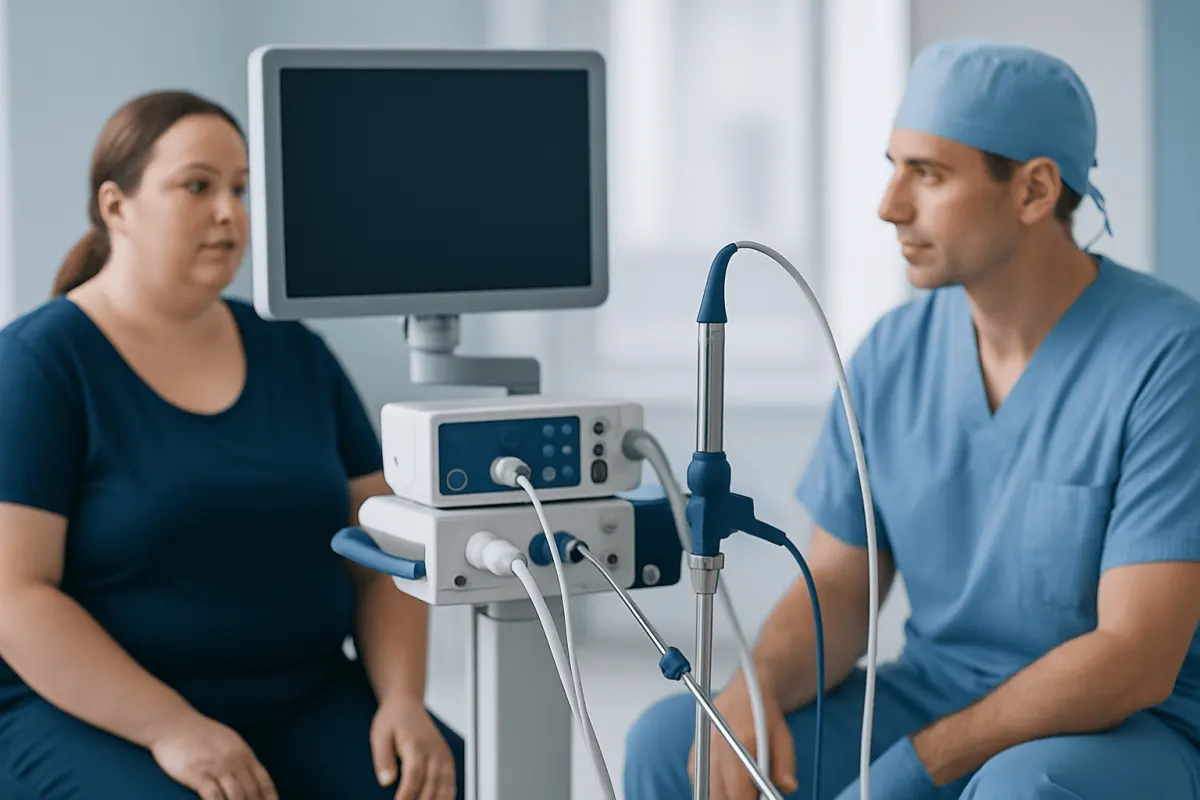
Roux-en-Y gastric bypass is a bariatric operation that reduces stomach capacity and changes part of the digestive pathway, helping people eat less and absorb fewer calories. It can be an effective option for selected adults with obesity when comprehensive non-surgical care has not provided sufficient benefit.
Roux-en-Y Gastric Bypass Overview
Roux-en-Y gastric bypass is a type of weight-loss surgery, also called bariatric surgery. It works by making the functional stomach much smaller and rerouting food past the first part of the small intestine. This helps people feel full after much smaller meals and changes gut hormones and digestion in ways that can support weight loss and metabolic health.
During the operation, the surgeon creates a small upper stomach pouch and connects it to a section of small intestine. Food then travels from this pouch into the newly connected bowel segment, while digestive juices join the food farther along the intestine. The rest of the stomach remains in the body but does not directly receive food.
Roux-en-Y gastric bypass is one of several surgical approaches used to manage obesity. It is a major operation rather than a quick solution, and its long-term results depend on ongoing eating habits, physical activity, mental wellbeing, follow-up appointments, and prescribed vitamin and mineral supplements. Gastric bypass surgery may be discussed within a broader, individualized bariatric care plan.
Who May Be a Candidate for Surgery?
People may be considered for Roux-en-Y gastric bypass when obesity is affecting health or quality of life and structured non-surgical weight-management efforts have not achieved adequate, sustainable results. Eligibility criteria vary by country, clinical guideline, and individual health profile. Body mass index, obesity-related conditions, previous medical care, and surgical risk are all considered.
Conditions that may influence the discussion include type 2 diabetes, obstructive sleep apnea, high blood pressure, fatty liver disease, high cholesterol, joint strain, and reflux symptoms. Some people may be offered surgery at lower body mass index thresholds when they have significant metabolic disease, particularly when diabetes is difficult to manage.
Assessment typically involves a bariatric surgeon, physician, dietitian, and often a mental-health professional. The team reviews medical history, medications, eating patterns, alcohol or tobacco use, readiness for lifelong dietary changes, and the ability to attend follow-up. Pregnancy plans, previous abdominal surgery, untreated eating disorders, and certain medical conditions may affect timing or suitability.
Gastric bypass is not appropriate for everyone. A specialist can explain whether another procedure or a non-surgical plan may be safer or more suitable. The decision should be shared, informed, and based on the person’s goals as well as the likely benefits and risks.
How Roux-en-Y Gastric Bypass Is Performed
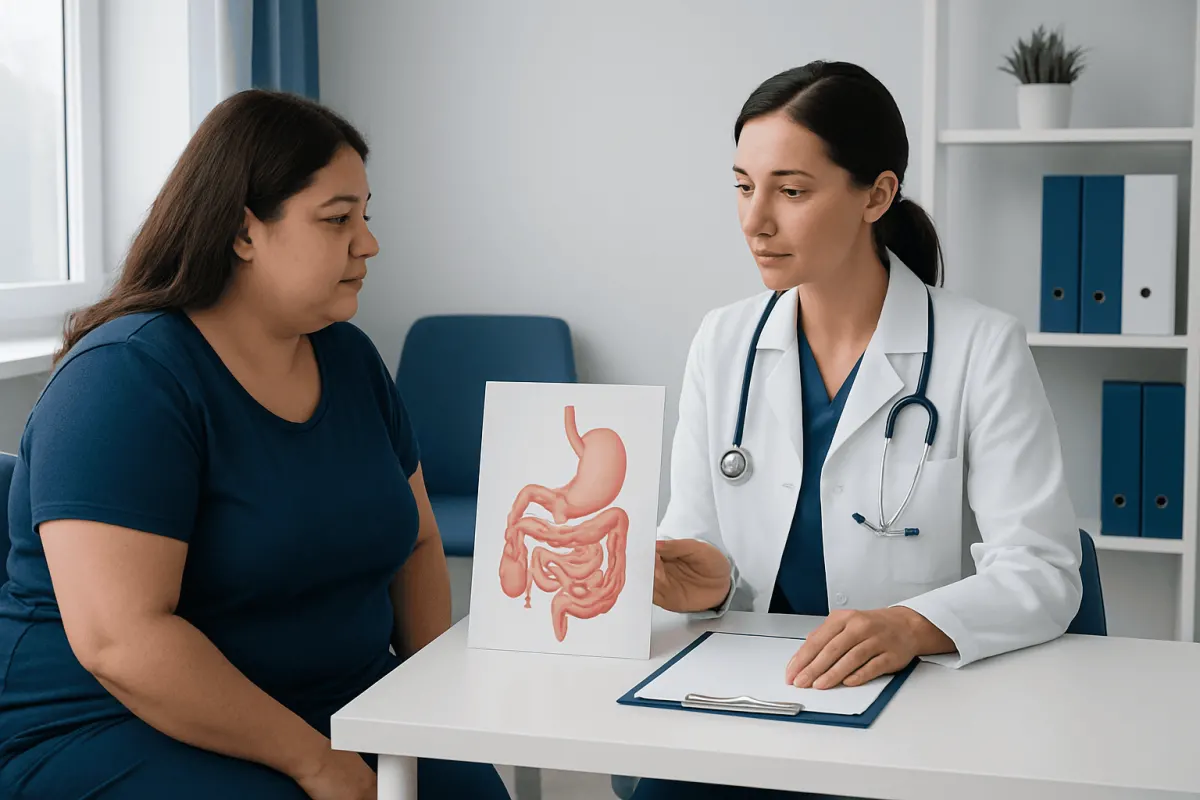
The procedure is usually performed under general anesthesia, commonly using minimally invasive keyhole techniques. Exact operative details differ between patients and surgical teams, but the core steps follow the same digestive reconstruction.
- Creating the pouch: The upper part of the stomach is divided to form a small pouch, usually capable of holding only a small amount of food initially.
- Dividing the small intestine: A section of small intestine is divided and brought up to the stomach pouch.
- Connecting the pouch and intestine: The surgeon creates a connection between the pouch and the intestinal segment, allowing food to bypass the larger stomach and upper small intestine.
- Restoring digestive flow: The bypassed intestinal segment is connected farther down so bile and pancreatic digestive juices can mix with food.
- Checking the connections: The surgeon checks for bleeding or leaks before completing the operation.
The length of surgery varies according to anatomy, prior operations, and other clinical factors. Hospital staff monitor pain control, breathing, circulation, hydration, and early mobility after surgery. Before discharge, the patient receives clear instructions about medications, wound care, fluids, diet stages, activity, and follow-up.
Benefits, Risks, and Long-Term Commitments
Roux-en-Y gastric bypass can lead to substantial weight loss and may improve or reduce the severity of obesity-related conditions, particularly type 2 diabetes, sleep apnea, high blood pressure, and abnormal blood lipids. Improvement is not guaranteed, and medication changes should only be made with guidance from the treating clinician.
As with any major operation, there are risks. Early complications can include bleeding, infection, blood clots, anesthesia-related problems, bowel obstruction, and leakage at a surgical connection. Later concerns may include ulcers, narrowing at a connection, gallstones, internal hernia, low blood sugar after meals, dumping syndrome, and weight regain. New, severe, or persistent abdominal symptoms should be assessed promptly.
Because food bypasses part of the digestive tract and meal portions are smaller, vitamin and mineral deficiencies can develop without regular supplementation and blood testing. Deficiencies may involve iron, vitamin B12, folate, calcium, vitamin D, and other nutrients. Long-term follow-up helps detect concerns before they become more serious.
Dumping syndrome can occur when food, especially sugar-rich food, moves rapidly into the small intestine. It may cause nausea, cramping, diarrhea, sweating, dizziness, or palpitations after eating. Choosing small, balanced meals and following the dietitian’s guidance can often reduce symptoms.
How Long Does It Take to Recover From Roux-en-Y Surgery?
Recovery from Roux-en-Y gastric bypass occurs in stages. Many people stay in hospital for a short period, depending on their recovery and local care pathway. Walking begins as soon as it is safe because gentle movement supports circulation, lung function, and bowel recovery.
At home, fatigue and soreness are common during the first several weeks. Many people return to light daily activities within about two to four weeks, although this varies with the type of work, surgical approach, overall health, and whether complications occur. Heavy lifting and strenuous exercise are usually restricted initially and should be resumed only when the surgical team advises.
Diet recovery is gradual. Patients commonly begin with clear fluids, then progress through full liquids, puréed foods, soft foods, and eventually small portions of regular textured foods. The schedule is individualized. Drinking enough fluid in small, frequent sips, meeting protein goals, and taking prescribed supplements are important throughout recovery.
Weight changes may be rapid early on, but recovery is not only about the scale. Follow-up visits assess healing, hydration, food tolerance, emotional adjustment, nutrition, and medications. Lifelong appointments and laboratory monitoring remain an important part of safe care.
Eating After Surgery: The 20-20-20 Rule and Food Choices
The “20-20-20 rule” is a commonly used practical reminder after gastric bypass, although individual programs may phrase it differently. It generally means taking about 20 minutes to eat a meal, chewing each bite around 20 times, and waiting around 20 minutes before deciding whether to have more. Eating slowly helps recognize fullness and may reduce discomfort, vomiting, or dumping symptoms.
Portion sizes are very small after surgery, especially in the early months. Meals generally emphasize protein first, followed by vegetables, fruit, and other nutrient-dense foods as tolerated. Patients are often advised to separate drinking from meals, because fluids taken with food may cause discomfort or make it easier to eat beyond comfortable fullness.
There is no single food that every person can “never” eat again after gastric bypass. However, some foods are best avoided or used only rarely because they can cause symptoms, interfere with nutritional goals, or contribute to weight regain. These commonly include sugar-sweetened drinks, large amounts of sweets, alcohol, high-fat fried foods, and foods that are dry, tough, or difficult to chew.
Carbonated beverages may be discouraged because they can cause bloating or discomfort. Tolerance varies, and foods that are well tolerated at one stage may not be tolerated at another. A bariatric dietitian can provide a personalized plan, including guidance for cultural preferences, vegetarian diets, allergies, and medical conditions.
How Big Is Your Stomach After a Roux-en-Y Gastric Bypass?
After Roux-en-Y gastric bypass, the part of the stomach that receives food is a small pouch, not the full original stomach. In the early period after surgery, it holds only a small volume, often described as a few tablespoons to a small cup depending on the stage of recovery and the surgical technique.
The remainder of the stomach is not removed in a standard Roux-en-Y procedure. It stays inside the body and continues to produce digestive secretions, but food no longer passes through it in the usual way. The small pouch and the intestinal rerouting together contribute to earlier fullness and altered digestion.
Over time, the pouch and its outlet can adapt somewhat, and the amount a person can comfortably eat may increase. This is expected to a degree, but regular meals, mindful eating, and follow-up with the bariatric team remain important for maintaining health and weight-related outcomes.
Acıbadem Health Point’s multidisciplinary specialists at JCI-accredited hospitals evaluate and treat bariatric surgery candidates, including international patients, with coordinated surgical, nutritional, and follow-up care.
When to Seek Medical Care
Before surgery, medical advice is important for anyone considering bariatric surgery, especially if they have diabetes, heart or lung disease, sleep apnea, digestive conditions, or take medicines that may need adjustment. A clinician should also be consulted before pregnancy or when planning pregnancy after bariatric surgery.
After gastric bypass, urgent medical assessment is needed for severe or worsening abdominal or chest pain, repeated vomiting, inability to keep fluids down, fever, fainting, shortness of breath, a fast heartbeat, black stools, vomiting blood, or swelling and pain in one leg. These symptoms do not always indicate a serious complication, but they should not be managed without medical advice.
Patients should contact their bariatric team for persistent reflux, trouble swallowing, ongoing diarrhea, symptoms of dehydration, unexpected weakness, numbness or tingling, or difficulty meeting food and fluid needs. Regular monitoring can identify nutritional deficiencies and other concerns even when symptoms are mild or absent.
Frequently asked questions
01How long does it take to recover from Roux-en-Y surgery?
Many people return to light everyday activities within two to four weeks, but full recovery varies by health status, work demands, and the presence of complications. Dietary progression, nutritional monitoring, and adjustment to new eating habits continue for months and require lifelong follow-up.
02What is the 20-20-20 rule for eating after gastric bypass surgery?
The 20-20-20 rule commonly means taking about 20 minutes to eat, chewing bites about 20 times, and waiting around 20 minutes before considering more food. It encourages slower eating, better recognition of fullness, and less discomfort after meals. Individual instructions from the bariatric team should take priority.
03What can you never eat again after gastric bypass?
There is no universal list of foods that every person can never eat again. However, sugary drinks, large quantities of sweets, alcohol, fried foods, and poorly chewed tough foods are often avoided or limited because they may cause symptoms or undermine nutritional and weight-management goals. Food tolerance is individual and can change over time.
04How big is your stomach after a Roux-en-Y gastric bypass?
The new stomach pouch is very small and initially holds only a small amount of food. The larger part of the original stomach remains in the body but is bypassed from the normal food pathway. Capacity can adapt over time, which is why eating habits and follow-up remain important.
05Is Roux-en-Y gastric bypass reversible?
Reversal may be technically possible in selected circumstances, but it is complex and not routinely performed. The decision depends on the reason for reversal, anatomy, nutritional status, and risks of another operation. A specialist bariatric surgeon should assess persistent complications or concerns.
06Will vitamins be needed after Roux-en-Y gastric bypass?
Yes. Lifelong vitamin and mineral supplementation is generally required because the procedure reduces food intake and changes nutrient absorption. The exact supplements and blood-test schedule should be individualized by the bariatric team.
This article is for general information only and is not a substitute for professional medical advice. Please consult a qualified doctor about your individual situation.
Medical weight-loss options in Turkey — costs & eligibility
JCI-accredited · board-certified surgeons · reply within 24h
Add us as a Preferred Source to see more of our trusted health content across Google Search, AI Overviews and Discover.