

Am I a Candidate for Gastric band? Eligibility Criteria
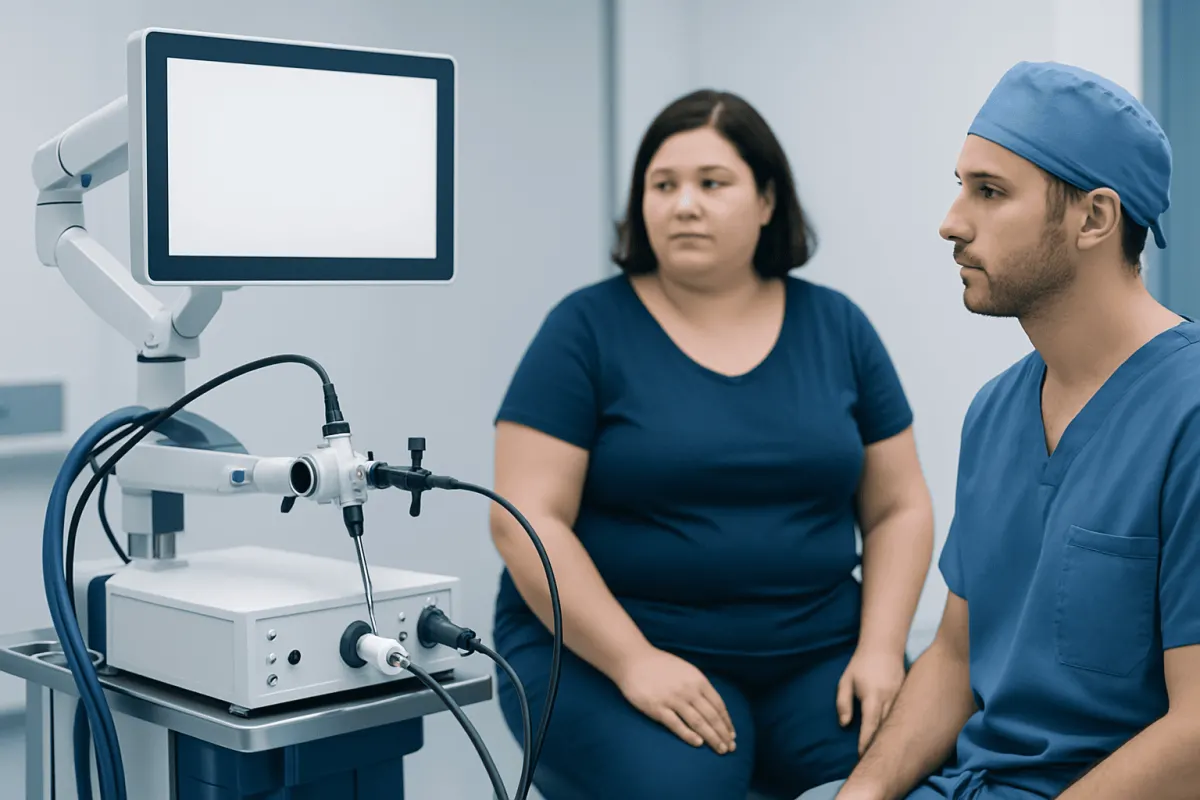
A person may be a candidate for gastric band surgery if they have obesity that has not improved with non-surgical treatment, are medically fit for surgery, and can commit to long-term dietary changes and follow-up. Eligibility is individualized: a bariatric team considers body mass index (BMI), weight-related health conditions, eating patterns, mental health, previous treatments, and personal goals.
Am I a Candidate for Gastric Band?
A person may be a candidate for gastric band surgery if they have obesity that has not responded sufficiently to structured lifestyle treatment, meet medical eligibility criteria, and are ready for regular long-term follow-up. The decision is not based on BMI alone: a bariatric team also reviews overall health, eating habits, previous weight-management efforts, surgical risk, and the ability to follow the required plan after surgery.
Adjustable gastric banding is one type of bariatric surgery. It can support meaningful weight loss for selected patients, but it requires active participation and ongoing band adjustments. A specialist assessment is essential because another procedure, non-surgical weight-management program, or medical treatment may be more suitable for some individuals.
People considering this option can learn more about gastric band surgery and use a pre-assessment form or consultation to discuss their individual eligibility with a qualified bariatric team.
How Gastric Band Surgery Works
Gastric band surgery involves placing a soft, inflatable silicone band around the upper part of the stomach. This creates a small upper pouch and a narrow passage to the rest of the stomach. Food still follows its normal route through the digestive system, but the smaller pouch helps a person feel full after eating a smaller amount.
The band is connected by tubing to a small access port placed beneath the skin of the abdomen. After healing, the care team can add or remove sterile fluid through the port to adjust how tight the band is. These adjustments are designed to balance appetite control, comfort, adequate nutrition, and the ability to swallow foods safely.
Unlike procedures that remove part of the stomach or reroute the intestines, the gastric band does not permanently alter the digestive tract. It can be removed if medically necessary, although removal does not automatically reverse weight changes or resolve complications. It is important to understand that the band is a tool, not a standalone solution; eating patterns, activity, sleep, and follow-up care remain central to outcomes.
Who May Be Eligible for a Gastric Band?

Eligibility criteria vary by country, clinical guideline, and individual circumstances. In general, bariatric surgery may be considered for adults with a BMI of 40 or above, or a BMI of 35 or above alongside health conditions linked to obesity, such as type 2 diabetes, obstructive sleep apnea, high blood pressure, Liver Disease: Symptoms, Causes and Treatment" class="ahp-ilk">fatty liver disease, or joint problems. In carefully selected cases, people with a lower BMI and poorly controlled metabolic disease may also be assessed by a specialist service.
In addition to weight-related criteria, suitable candidates are usually able to undergo anesthesia and laparoscopic surgery safely. They should understand the procedure, attend scheduled appointments, follow guidance about food texture and portion size, take recommended supplements or medicines, and contact the team if symptoms develop. A history of serious attempts at non-surgical weight management is usually considered as part of the assessment.
Readiness matters as much as medical measurements. The team will discuss whether the person can eat slowly, chew thoroughly, avoid overeating, limit high-calorie liquids, and make gradual activity changes. They will also consider whether there is a reliable support network and practical ability to attend follow-up visits, which are especially important with an adjustable band.
- Obesity with clinically significant health effects or difficulty achieving durable weight loss through non-surgical care
- Understanding of the benefits, limitations, and need for lifelong follow-up
- Willingness to make sustained nutrition, activity, and behavior changes
- Medical fitness for surgery following an individualized risk assessment
When Gastric Band May Not Be the Best Option
Gastric banding is not appropriate for everyone. Certain conditions affecting the esophagus or stomach may make it unsuitable, including significant swallowing disorders, severe reflux in some cases, large hiatal hernia, or particular previous upper gastrointestinal operations. The surgeon may recommend additional testing if symptoms such as persistent heartburn, regurgitation, or difficulty swallowing are present.
Untreated substance use disorder, an active eating disorder, or poorly controlled serious mental health symptoms may need treatment and support before bariatric surgery is considered. This is not intended to exclude people from care. Rather, it helps ensure that surgery is undertaken when it can be as safe and beneficial as possible.
Pregnancy is not a time to undergo weight-loss surgery, and people planning pregnancy should discuss timing, contraception, nutrition, and follow-up with their bariatric and obstetric teams. Some people may be better served by another bariatric procedure or a comprehensive non-surgical approach, particularly if they need greater metabolic benefit or are unlikely to attend frequent adjustment appointments.
What Happens During Assessment and the Procedure?
A bariatric assessment commonly includes a detailed medical history, physical examination, BMI and weight history review, blood tests, and screening for obesity-related conditions. Patients may meet a surgeon, dietitian, physician, psychologist or mental health professional, and anesthesiologist. Depending on symptoms and history, tests of the stomach or esophagus may be recommended.
The team also reviews daily eating habits, medications, alcohol and tobacco use, sleep, mobility, and previous attempts at weight loss. This evaluation is not a test of willpower. Its purpose is to identify risks, address health needs before surgery, and create a realistic long-term care plan. Smoking cessation is usually advised well before surgery because smoking can increase surgical and healing risks.
Gastric band placement is usually performed under general anesthesia using keyhole, or laparoscopic, surgery. The surgeon makes several small abdominal incisions, positions the band around the upper stomach, and places the access port beneath the skin. The operation generally takes a relatively short time, but the exact approach and length of hospital stay depend on the person’s health and the surgical plan.
After surgery, the band is generally left uninflated initially to allow healing. Adjustments begin later, based on recovery, hunger, weight trends, and any swallowing or reflux symptoms. Each adjustment should be directed by the bariatric team rather than attempted outside clinical care.
Recovery, Expected Benefits, and Possible Risks
Many patients begin with fluids after surgery and progress gradually through pureed, soft, and regular textured foods according to their clinical team’s plan. Temporary discomfort around the incision sites, tiredness, and changes in eating tolerance can occur during early recovery. Returning to light daily activities often happens gradually, while strenuous activity and work plans should be discussed with the surgeon.
Potential benefits include reduced food intake, gradual weight loss, and improvement in some obesity-related health conditions. Results vary considerably. They depend on the degree of band adjustment, food choices, physical activity, follow-up attendance, and individual health factors. Weight loss may be slower or less predictable than with some other bariatric procedures, and some patients later require band removal or conversion to another operation.
Possible complications include nausea, vomiting, reflux, difficulty swallowing, food intolerance, port or tubing problems, infection, band slippage, enlargement of the upper stomach pouch, or erosion of the band into the stomach. Nutritional problems can also develop if food intake is too limited or poorly balanced. Regular clinical follow-up helps identify concerns early and supports safe adjustments.
Patients should follow the eating and monitoring plan carefully, including advice about protein intake, hydration, vitamins, and blood tests. New or worsening symptoms should not be managed by simply changing food intake without medical advice, especially if they are persistent.
Long-Term Self-Care After Gastric Banding
Long-term success with gastric banding relies on habits that protect both health and the device. Meals are usually small, eaten slowly, and chewed thoroughly. Patients are often advised to stop eating at the first sign of fullness and to avoid drinking with meals when directed, as this can affect comfort and food passage. A dietitian can tailor guidance to cultural preferences, medical conditions, and nutritional needs.
Regular movement, adequate sleep, stress management, and ongoing support for emotional eating can all contribute to weight-management goals. Follow-up appointments allow the team to assess weight trends, review symptoms, check nutritional status, and make carefully planned band adjustments. Keeping these appointments remains important even after a person reaches a stable weight.
Acıbadem Health Point’s multidisciplinary specialists and JCI-accredited hospitals assess and treat bariatric conditions for international patients, with individualized planning before and after surgery. A specialist-led pre-assessment can help clarify whether gastric banding is appropriate or whether another pathway would better support long-term health.
When to Seek Medical Care
Anyone considering a gastric band should arrange a consultation with a qualified bariatric surgeon or weight-management service rather than relying on BMI alone. Medical review is particularly important for people with diabetes, sleep apnea, heart or lung conditions, digestive symptoms, previous abdominal surgery, or concerns about eating behavior or mental health.
After gastric band surgery, urgent medical advice is needed for severe or persistent abdominal or chest pain, repeated vomiting, inability to swallow liquids, fever, shortness of breath, black stools, signs of dehydration, or redness and discharge around a wound. These symptoms do not always indicate a serious complication, but they require prompt assessment.
Less urgent but persistent reflux, regurgitation, night cough, trouble swallowing, frequent vomiting, or an unexpected inability to tolerate food should also be reported to the bariatric team. Early review can allow safe adjustments and reduce the chance of ongoing problems.
Frequently asked questions
01What BMI is needed to qualify for gastric band surgery?
Many bariatric programs consider surgery for people with a BMI of 40 or higher, or 35 or higher with important obesity-related health conditions. However, BMI is only one part of the decision, and criteria can vary by guideline, country, and individual health needs. A bariatric specialist can explain the criteria that apply to the individual.
02Can someone with a BMI below 35 have a gastric band?
In selected circumstances, bariatric surgery may be considered for people with a lower BMI, especially when type 2 diabetes or another metabolic condition is difficult to control. This requires careful specialist assessment. Gastric banding specifically may or may not be the preferred procedure in this situation.
03Is gastric band surgery reversible?
The band can usually be removed surgically because it does not involve removing stomach tissue or bypassing the intestine. However, removal is still an operation and may be needed because of complications, inadequate benefit, or a change to another bariatric procedure. Weight regain can occur after removal if other long-term supports are not in place.
04How long does recovery from gastric band surgery take?
Recovery differs between individuals, but many people start light activities soon after laparoscopic surgery and gradually increase activity over the following weeks. Dietary progression begins with liquids and advances in stages under the bariatric team’s guidance. The band is often adjusted after initial healing rather than immediately after surgery.
05Will a gastric band cure diabetes or high blood pressure?
Weight loss after bariatric treatment can improve type 2 diabetes, blood pressure, sleep apnea, and other weight-related conditions for some people. Results are individual, and medicines may still be needed. Ongoing monitoring with the person’s usual medical and bariatric teams is important.
06Why are follow-up visits essential after gastric banding?
The band may need adjustments to support weight loss while avoiding excessive restriction, vomiting, reflux, or swallowing difficulties. Follow-up also includes nutrition checks, symptom review, and support for eating and activity habits. Missing visits can make complications or nutritional concerns harder to detect early.
This article is for general information only and is not a substitute for professional medical advice. Please consult a qualified doctor about your individual situation.
Medical weight-loss options in Turkey — costs & eligibility
JCI-accredited · board-certified surgeons · reply within 24h
Add us as a Preferred Source to see more of our trusted health content across Google Search, AI Overviews and Discover.


