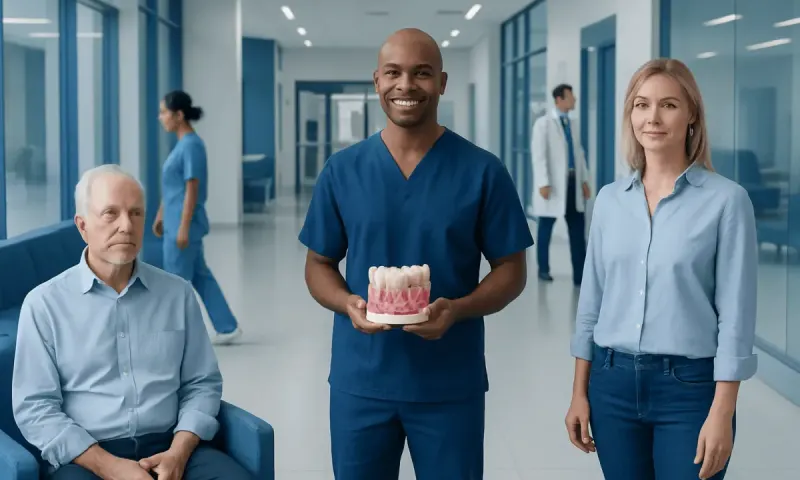
Am I a Candidate for Dental implants? Eligibility Criteria
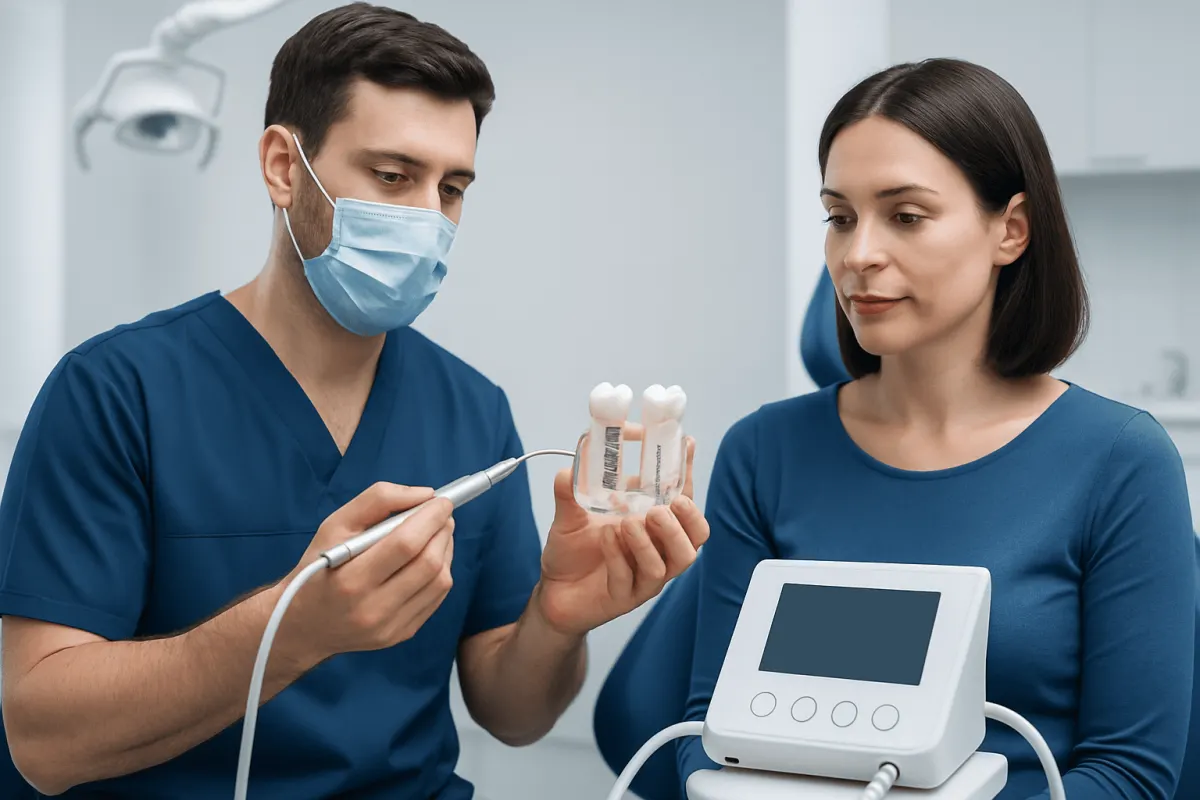
Most people who are missing one or more teeth may be candidates for dental implants if their mouth is healthy enough to heal and support an implant. A dentist evaluates jawbone, gums, medical history, medicines, bite, and personal goals to create a safe, individual treatment plan.
Overview: Who May Be Eligible for Dental Implants?
Am I a candidate for dental implants? Many adults with one or more missing teeth can be candidates when they have healthy gums, enough jawbone to support the implant or a suitable option for rebuilding bone, and medical conditions that are well managed. Eligibility cannot be confirmed from symptoms alone: a dental examination, X-rays or 3D imaging, and a review of health history are needed to determine whether implants are appropriate.
A dental implant is a small biocompatible post placed in the jawbone to replace a missing tooth root. After it heals and bonds with the bone, it may support a single crown, a bridge, or a full-arch denture. This can help restore chewing function, speech, appearance, and stability for people who have lost teeth.
Implant treatment is individualized. Some people can proceed directly to implant placement, while others first need treatment for gum disease, extraction-site healing, bone grafting, or changes to a denture plan. For a broader explanation of the treatment, patients can review dental implant treatment options before arranging a professional assessment.
How Dental Implants Work
Natural teeth are held in the jaw by roots. When a tooth is lost, the bone in that area can gradually shrink because it no longer receives normal chewing stimulation. An implant is placed into the jawbone where the root was, or in a carefully planned nearby position. Over time, bone grows closely around the implant in a process called osseointegration.
Once the implant is stable, the dentist attaches a connector, often called an abutment, and then the visible restoration. A crown replaces one tooth; an implant-supported bridge can replace several teeth; and a fixed or removable implant-supported denture can restore many or all teeth. The number and position of implants depend on bone anatomy, bite forces, and the restoration being planned.
Unlike a removable denture, an implant is anchored in the jaw. However, implants are not natural teeth and still require daily plaque control and regular professional follow-up. The tissues around implants can become inflamed if bacterial plaque accumulates, so long-term maintenance is an important part of treatment success.
Dental Implant Candidacy: What Dentists Assess
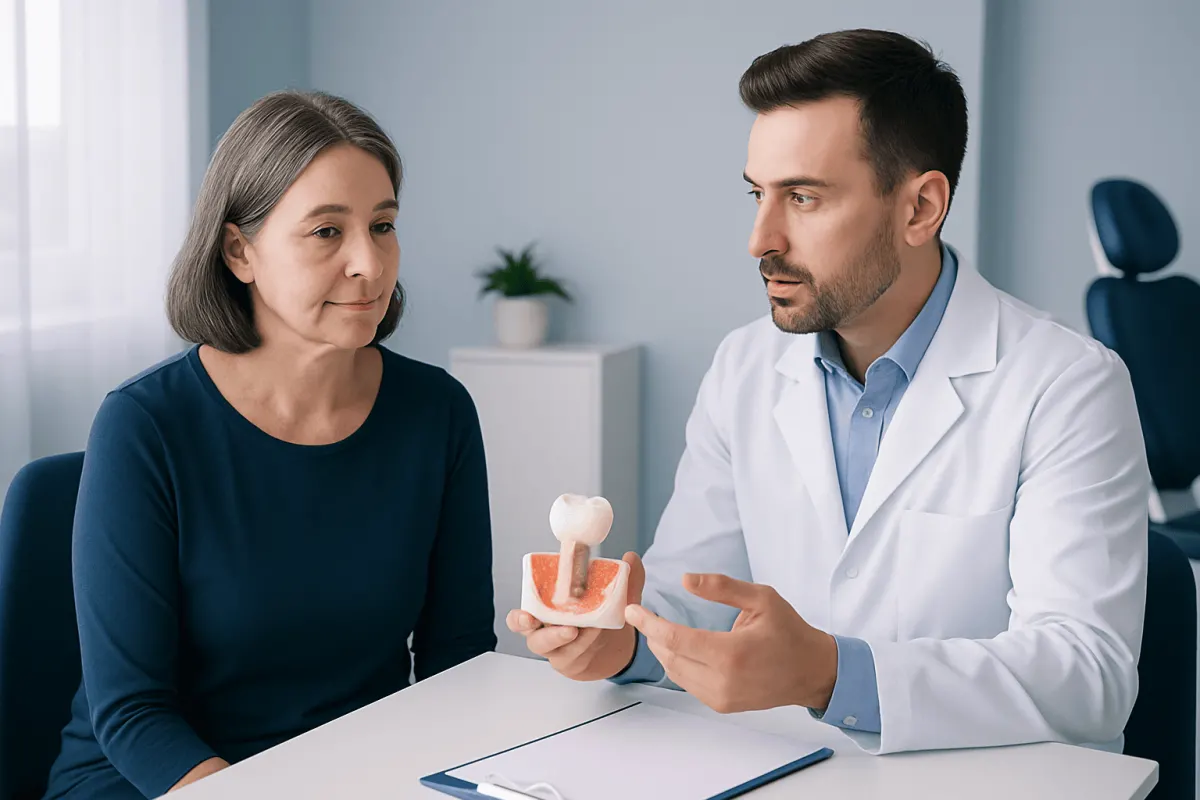
A suitable candidate usually has a fully developed jaw, missing or unsalvageable teeth, and a desire for a fixed or more stable tooth replacement. There is no universal upper age limit. Older adults may be eligible when their health and healing capacity support treatment, while younger people generally need to wait until jaw growth is complete.
During the pre-treatment assessment, the dental team evaluates the gums, remaining teeth, bite, jaw joints, oral hygiene routine, and amount and quality of bone. Cone-beam CT or other imaging may be used to map the jawbone and identify vital structures, such as nerves and sinus spaces. This planning helps determine the safest implant position and whether additional procedures may be useful.
Medical history matters because healing and infection risk can be affected by conditions such as diabetes, immune-system disorders, osteoporosis, bleeding disorders, or previous radiation treatment involving the head and neck. Medicines also need review, including blood-thinning medicines and some treatments that affect bone metabolism. These factors do not automatically exclude implants, but they may require coordination with the patient’s physician or changes to the plan.
- Healthy gums or gum disease that can be successfully treated
- Enough jawbone, or a realistic option for bone regeneration
- Good daily oral hygiene and commitment to follow-up visits
- Well-controlled medical conditions and an appropriate healing profile
- A bite and tooth-replacement plan that protects the implant from excessive force
Factors That May Delay or Change Treatment
Active periodontal disease should be treated before implants are placed. Gum infection can lead to bone loss around natural teeth and may increase the risk of inflammation around implants. A dentist may recommend professional cleaning, periodontal treatment, improved home care, and a period of stability before moving forward.
Limited bone volume does not always mean implants are impossible. Bone grafting, sinus lift procedures in the upper back jaw, or a different implant design or placement strategy may be considered. Whether these choices are appropriate depends on imaging findings, overall health, treatment goals, and the clinician’s assessment.
Smoking and nicotine use can impair wound healing and are associated with a higher risk of implant complications. Heavy teeth grinding or clenching can place extra force on implants, but it can often be managed with careful bite planning and a protective night guard when indicated. Poorly controlled diabetes, ongoing substance use, or inability to maintain oral hygiene may mean treatment should be delayed until these issues are addressed.
People who are pregnant, receiving intensive cancer treatment, or recovering from major illness may need to postpone elective implant surgery. A personalized pre-assessment form can help the dental team collect relevant medical and dental information before a consultation, but it does not replace an in-person examination.
What Happens During the Dental Implant Procedure?
Planning begins with a consultation, oral examination, scans, photographs, and discussion of goals. The dentist confirms which teeth need replacement, assesses gum and bone health, and explains suitable restoration choices. If a damaged tooth must be removed, the implant may sometimes be placed at the same visit; in other cases, a healing period is recommended first.
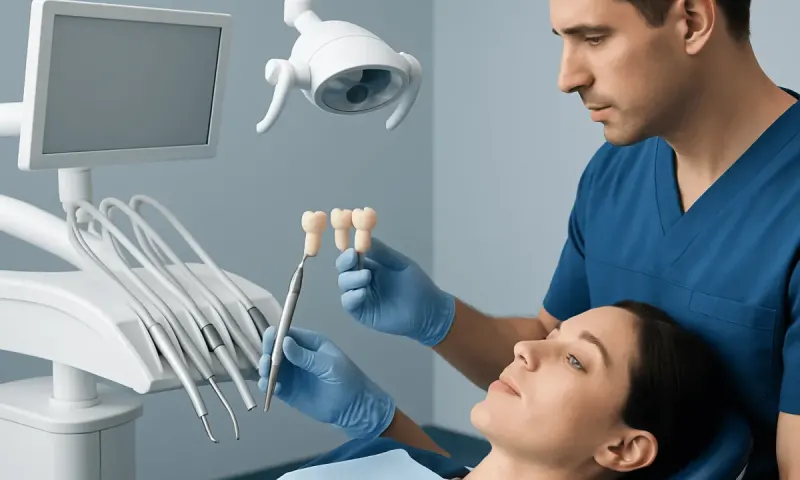
During implant placement, local anesthesia is commonly used to numb the area. Depending on the person’s needs and the planned procedure, sedation may also be discussed. The dentist makes a small opening in the gum, prepares the bone precisely, places the implant, and closes or shapes the gum around it. Patients are given instructions for pain control, eating, cleaning, and follow-up.
Healing and bone integration take time. In some cases, a temporary tooth can be used during this period, but immediate loading is not suitable for everyone. When the implant has integrated sufficiently, the final crown, bridge, or denture is designed to fit the gums, surrounding teeth, and bite. The final restoration phase may involve several visits to refine comfort and appearance.
Recovery Timeline, Benefits, and Possible Risks
After surgery, mild swelling, tenderness, bruising, or minor bleeding can occur for several days. Most people return to routine daily activities relatively soon, although the dental team may advise avoiding strenuous exercise briefly and choosing softer foods while the surgical site heals. The exact recovery period depends on the number of implants, whether grafting was performed, and individual healing.
Bone integration often takes several months, although timelines vary. Attending follow-up visits is important because the dentist checks healing, gum health, bite pressure, and restoration fit. Good home care includes brushing carefully, cleaning between teeth or around the implant as instructed, and attending regular professional maintenance appointments.
Potential benefits include a stable replacement for missing teeth, improved chewing comfort, preservation of jawbone stimulation in the implant area, and avoidance of preparing neighboring teeth for a conventional bridge in some situations. Potential risks include infection, delayed healing, gum recession, implant failure to integrate, injury to nearby anatomical structures, sinus-related complications in the upper jaw, and mechanical issues with the crown or bridge. Careful planning reduces risks but cannot eliminate them completely.
Prevention and Long-Term Self-Care
Long-term implant health depends on regular oral hygiene. Patients should brush twice daily with a suitable toothbrush and toothpaste, clean between teeth and around implant-supported restorations using tools recommended by their dentist, and attend routine examinations and cleanings. The best cleaning approach differs for a single implant crown, bridge, or full-arch restoration.
Stopping smoking or nicotine use, controlling diabetes and other long-term health conditions, and following dietary advice during healing can support recovery. If a person grinds or clenches their teeth, a dentist may recommend a night guard to protect both natural teeth and implant restorations.
To reduce the likelihood of future tooth loss, it is helpful to seek prompt care for bleeding gums, persistent tooth pain, loose teeth, or broken restorations. Implant care is lifelong: regular review can identify inflammation or bite changes early, when they may be easier to manage.
When to Seek Medical Care
Anyone considering dental implants should arrange a dental consultation rather than relying on a general checklist alone. An earlier assessment is particularly helpful for people with loose teeth, painful chewing, bleeding gums, recurrent dental infections, or difficulty wearing dentures. These concerns may need treatment before implant planning can begin.
After implant surgery, patients should contact their dental team if pain, swelling, or bleeding becomes worse rather than gradually improving; if they develop fever, pus, persistent numbness, or a loose implant or restoration; or if they have difficulty swallowing or breathing. Severe swelling with breathing difficulty requires urgent emergency care.
Acıbadem Health Point’s multidisciplinary dental specialists and JCI-accredited hospitals can assess and treat dental implant needs for international patients. A consultation allows the team to review imaging, health history, and treatment goals and provide an individualized recommendation.
Frequently asked questions
01Can anyone get dental implants?
Not everyone is ready for implants immediately, but many adults can become suitable candidates with proper preparation. The dentist considers gum health, bone support, medical conditions, medicines, smoking status, oral hygiene, and bite forces before recommending treatment.
02Can dental implants be placed if there is not enough jawbone?
Sometimes, yes. Depending on the location and amount of missing bone, a dentist may discuss bone grafting, sinus augmentation, or a different implant plan. Imaging is needed to determine whether these options are appropriate.
03Does diabetes prevent dental implant treatment?
Diabetes does not automatically prevent implant treatment. Well-managed diabetes may allow normal planning, while poorly controlled blood sugar can increase the risk of delayed healing and infection, so medical optimization is important.
04How long does a dental implant take from start to finish?
The timeline varies widely. Some patients need only implant placement and restoration, while others need tooth extraction, gum treatment, or bone grafting first. Healing between surgical and restoration stages often takes several months.
05Are dental implants painful?
Implant placement is usually performed with local anesthesia, so the area should be numb during the procedure. Temporary soreness and swelling afterward are common and can usually be managed with the aftercare plan provided by the dental team.
06Can smokers have dental implants?
Smokers may still be assessed for implants, but smoking and nicotine use can increase the chance of healing problems and implant complications. Reducing or stopping nicotine use before and after treatment is strongly encouraged.
This article is for general information only and is not a substitute for professional medical advice. Please consult a qualified doctor about your individual situation.
Explore treatments in Turkey — costs, top hospitals & a free quote
JCI-accredited · board-certified surgeons · reply within 24h
Add us as a Preferred Source to see more of our trusted health content across Google Search, AI Overviews and Discover.