Am I a Candidate for Dental bridge? Eligibility Criteria
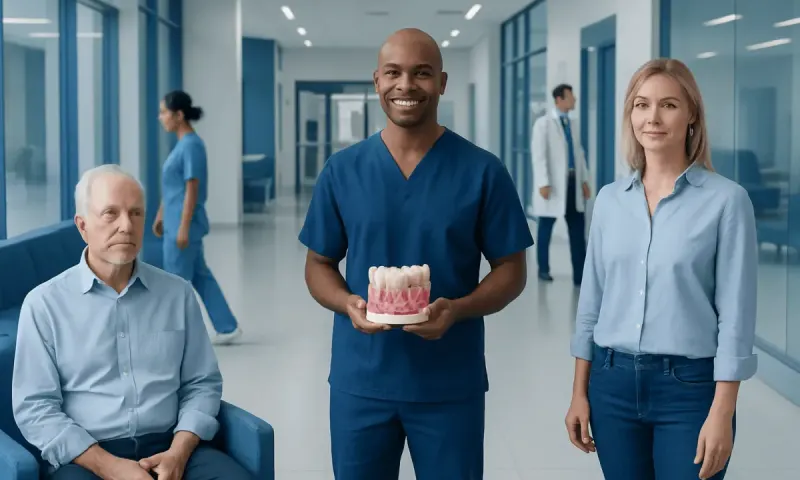
A person may be a candidate for a dental bridge when they have one or more missing teeth and healthy, stable teeth or implants that can support the restoration. A dentist confirms eligibility by checking gum health, bite alignment, bone support, oral hygiene and the cause of tooth loss.
Am I a Candidate for a Dental Bridge?
People who are asking, “am I a candidate for dental bridge?” are often suitable if they have one or more missing teeth and have healthy gums plus stable teeth or implants that can support a replacement tooth. A bridge may be considered when the missing tooth affects chewing, speech, confidence, bite balance or the position of nearby teeth.
Eligibility is not based on the gap alone. A dentist assesses the health of the remaining teeth, the amount of bone and gum support, the bite, signs of tooth grinding, and daily oral hygiene. The underlying reason for tooth loss is also important, as active decay, infection or gum disease should be managed before a long-term restoration is made.
A bridge is one way to replace missing teeth; other options can include a removable partial denture or implant-supported replacement. Learn more about dental bridge treatment and discuss which approach fits the person’s oral health, expectations and treatment goals.
How a Dental Bridge Works
A dental bridge is a fixed restoration designed to fill a space left by a missing tooth or teeth. It usually includes a replacement tooth, called a pontic, and one or more supporting components. The bridge is attached to natural teeth on either side of the gap, or to dental implants placed in the jaw.
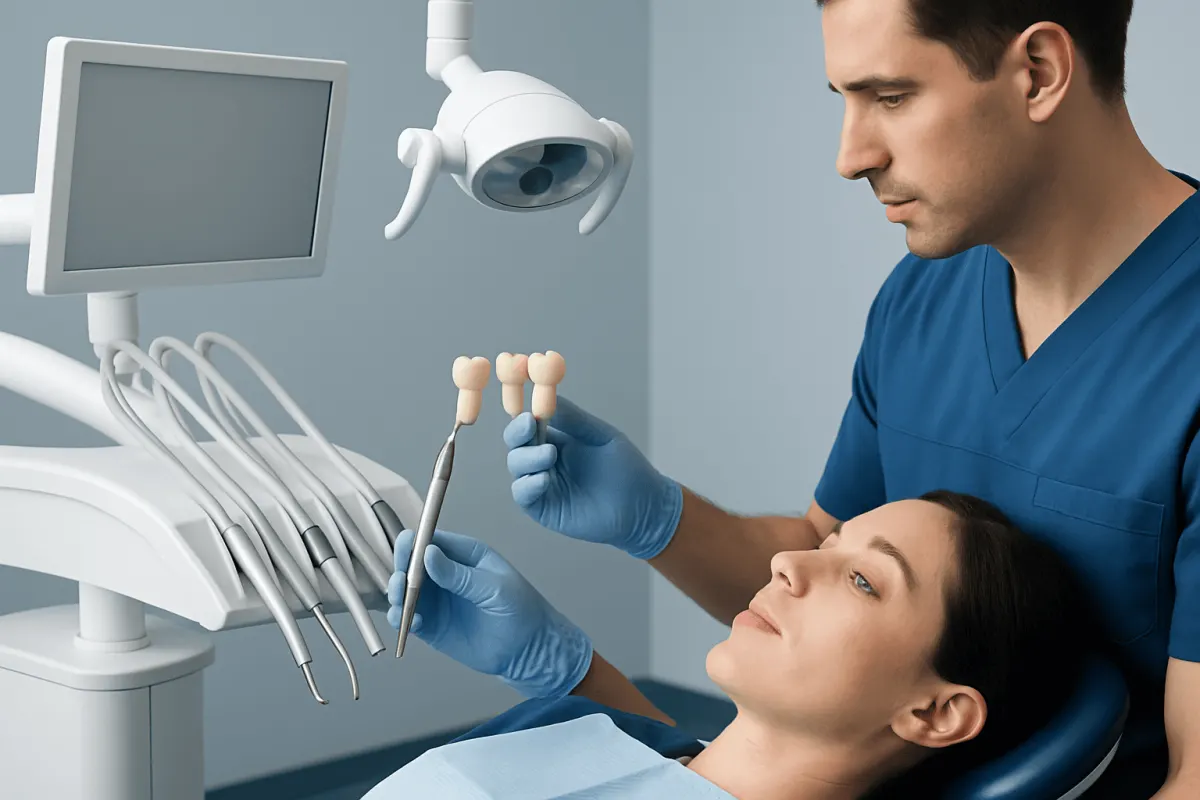
In a traditional bridge, the supporting teeth are shaped to receive crowns. The crowns and replacement tooth are connected as one custom-made piece. Other designs may be used in selected situations, including cantilever bridges supported from one side or resin-bonded bridges that attach to the back of a neighboring tooth. The best design depends on the location of the gap, bite forces and condition of surrounding teeth.
By restoring the gap, a bridge can help distribute chewing forces, reduce drifting of nearby teeth and support clearer speech. It also restores the visible outline of the smile. However, it does not prevent gum disease or decay on the supporting teeth, so ongoing home care and dental monitoring remain essential.
Eligibility Criteria: What Dentists Look For

A suitable candidate generally has healthy gum tissue and enough support around the potential anchor teeth or implants. Supporting natural teeth should be free from untreated infection and should have sufficient structure to hold crowns safely. If a tooth has a large filling, crack, root canal treatment or reduced bone support, the dentist will evaluate whether it can reliably carry the extra load.
Good oral hygiene is particularly important. Plaque can collect around bridge margins and under the replacement tooth, raising the risk of cavities and gum inflammation if cleaning is difficult. A person does not need perfect teeth to be considered, but they should be able and willing to maintain daily brushing and use cleaning aids recommended by the dental team.
The dentist also checks the bite. Heavy clenching or grinding can place significant pressure on a bridge, and an uneven bite may shorten its lifespan or cause discomfort. A night guard, bite adjustment or treatment for jaw symptoms may be advised in some cases. People with uncontrolled medical conditions may need their general health stabilized or coordinated care before treatment.
- One or more missing teeth with a stable space for replacement
- Healthy or treatable gums and adequate support around anchor teeth or implants
- Strong enough neighboring teeth, or appropriately placed implants, to support the bridge
- A manageable bite and a plan for teeth grinding if present
- Commitment to routine hygiene and dental follow-up
When a Bridge May Need to Wait or May Not Be the Best Option
A bridge may be delayed when there is active gum disease, untreated tooth decay, dental infection, significant gum recession or unstable oral hygiene. Treating these concerns first protects the long-term health of the mouth and helps the dentist choose a more predictable restoration. Missing teeth caused by trauma may also require time for healing before a definitive bridge is fitted.
Some people have supporting teeth that are too weak, loose or heavily damaged to carry a traditional bridge. Others may have a long gap where the biting load would be excessive, especially at the back of the mouth. In these situations, an implant-supported bridge, a different restorative design or a removable option may be more appropriate.
Gum disease deserves careful attention because it can affect the tissues that hold teeth in place. If there is bleeding, swelling, bad breath, loose teeth or bone loss, evaluation and periodontal treatment may be needed before replacement planning. A dentist may recommend alternatives such as dental implants when they are clinically suitable and align with the patient’s needs.
What Happens During the Dental Bridge Procedure?
The first step is a detailed consultation. The dentist examines the teeth and gums, reviews medical and dental history, and may take X-rays or digital scans. This assessment helps identify infection, bone changes, tooth cracks and bite concerns that are not always visible during a routine visual examination. It also allows the person to ask questions and complete a pre-assessment form when offered by the clinic.
For a conventional bridge, the supporting teeth are prepared under local anaesthetic by carefully reshaping the outer surface for crowns. The dental team then takes impressions or digital scans so the laboratory can create a bridge that fits the bite and matches neighboring teeth. A temporary bridge may be placed to protect prepared teeth while the final restoration is being made.
At the fitting visit, the dentist checks the bridge’s fit, color, contact points and bite before securing it. Minor bite adjustments may be made so chewing feels balanced. The dentist explains how to clean around and beneath the bridge, and follow-up visits may be recommended to check comfort and gum response.
Benefits, Risks and Recovery Timeline
A bridge can restore the ability to chew more comfortably, support speech and improve the appearance of a gap. It may also help prevent adjacent teeth from moving toward the empty space. For many people, treatment is completed over a small number of appointments, although the schedule varies according to the bridge type, dental laboratory process and any preparatory treatment required.
After tooth preparation, temporary bridge placement or final cementation, mild sensitivity to temperature or pressure can occur for a short time. Gums may feel tender around the treated teeth, particularly while adapting to a new restoration. Most people return to usual daily activities the same day, but it can take days to weeks to become fully accustomed to the feel of the bridge and to new cleaning techniques.
Possible complications include sensitivity, bite discomfort, loosening or damage to the bridge, decay around the supporting teeth, gum inflammation and, less commonly, injury to the nerve within a prepared tooth. A bridge can also chip or fracture under excessive force. Prompt review of persistent pain, a loose bridge, a cracked restoration or a bite that feels uneven can help prevent further problems.
Caring for a Dental Bridge and Protecting Oral Health
Daily cleaning is essential because food debris and plaque can collect beneath the artificial tooth and where the bridge meets natural teeth. Brushing twice daily with fluoride toothpaste is important, and the dental team may recommend floss threaders, interdental brushes, water flossers or other tools to clean under the bridge effectively. The right method depends on the bridge design and the size of the spaces around it.
Regular dental check-ups allow early detection of gum inflammation, decay, bite changes and wear. A balanced diet, limiting frequent sugary foods and drinks, and avoiding tobacco support oral and gum health. People who clench or grind their teeth should ask whether a protective night guard is appropriate.
Avoid using teeth to open packages or bite very hard objects, as this can damage both natural teeth and restorations. If the bridge feels rough, loose or uncomfortable, it should be assessed rather than adjusted at home. Acıbadem Health Point’s multidisciplinary dental specialists at JCI-accredited hospitals can assess missing teeth and plan treatment for international patients.
When to Seek Medical Care
A dental appointment should be arranged if a tooth is missing, loose, broken or painful, or if chewing has become difficult. Timely assessment can identify whether a bridge is appropriate and can help address the reason for tooth loss before it affects nearby teeth and gums.
More urgent dental care is appropriate for facial swelling, fever, pus, severe tooth pain, uncontrolled bleeding, trauma to the mouth or difficulty swallowing or breathing. These symptoms may indicate an infection or injury requiring prompt professional evaluation. Emergency services should be contacted if breathing is affected.
People considering a bridge should also seek a review if they notice bleeding gums, persistent bad breath, gum recession, a changing bite or teeth that seem to be moving. A qualified dentist can explain candidacy, alternatives and the steps needed to prepare the mouth for restoration.
Frequently asked questions
01Can anyone with a missing tooth get a dental bridge?
Not everyone is immediately eligible, but many people can be considered after a dental assessment. The gums, nearby teeth, bite and cause of tooth loss must be evaluated first. Any active decay, infection or gum disease usually needs treatment before bridge placement.
02Do the teeth next to a dental bridge need to be healthy?
For a traditional bridge, neighboring teeth need enough strength and support to hold crowns and withstand chewing pressure. Teeth with large fillings or previous treatment may still be usable in some circumstances, but this depends on their remaining structure and bone support. A dentist will assess each potential supporting tooth carefully.
03Is a dental bridge painful to have fitted?
Local anaesthetic is typically used during preparation of supporting teeth, so the procedure should be comfortable. Some temporary sensitivity or gum tenderness can occur afterward. Persistent or severe pain should be reviewed by the dentist.
04How long does it take to get used to a dental bridge?
Many people adapt within several days, although adjustment can take a few weeks. The bridge may initially feel unfamiliar when chewing or speaking. If it continues to feel high, loose or uncomfortable, the dentist can check the bite and fit.
05Can a dental bridge be used if I grind my teeth?
It may be possible, but teeth grinding can increase the risk of wear, chipping or fracture. The dentist will assess the severity of grinding and bite forces before recommending a bridge. A night guard or other measures may help protect the restoration.
06How should a dental bridge be cleaned?
The bridge should be brushed twice daily with fluoride toothpaste, including along the gumline. Cleaning beneath the artificial tooth is also important and may require floss threaders, interdental brushes or another tool recommended by the dentist. Regular check-ups help ensure the supporting teeth and gums remain healthy.
This article is for general information only and is not a substitute for professional medical advice. Please consult a qualified doctor about your individual situation.
Explore treatments in Turkey — costs, top hospitals & a free quote
JCI-accredited · board-certified surgeons · reply within 24h
Add us as a Preferred Source to see more of our trusted health content across Google Search, AI Overviews and Discover.