Allergic Shiners Link Dark Under-Eye Circles to Nasal Allergy

Do you look in the mirror during pollen season and see shadows under your eyes that no amount of sleep seems to fix? Those bluish or dark circles may be allergic shiners.
They are dark or bluish under-eye circles linked to nasal allergies — not a dangerous disease on their own. They usually happen when allergy-related swelling and congestion affect blood flow around the eyes and nose. The good news: they often improve once the underlying allergy is treated.
What allergic shiners are
Allergic shiners are dark under-eye circles that develop because of ongoing nasal allergies. In simple terms, allergy-related congestion can slow normal blood drainage in the small veins around the eyes and nose. This makes the skin under the eyes look darker, often with a blue, purple, or gray tint.
They are most often seen in people with allergic rhinitis, also called hay fever. Children can develop them, but adults can too. The appearance may become more noticeable during allergy seasons or after exposure to triggers such as dust, pollen, pet dander, or mold.
The name sounds dramatic, but allergic shiners are usually harmless in themselves. Think of them as a visible sign of inflammation and congestion, not an eye disease. Because dark circles can have several causes, though, a doctor may need to confirm that allergies are really behind them.
Why they happen
The skin beneath the eyes is thin, so changes in blood flow are easier to see there than in many other parts of the body. When the lining of the nose becomes inflamed from allergies, tissues inside the nose can swell. This swelling may partly block normal venous drainage from the area around the eyes, making blood pool slightly in the small vessels below the lower eyelids.
That pooled blood can create a shadowed or bruised appearance. In addition, repeated rubbing of the eyes, frequent sneezing, poor sleep due to nasal blockage, and chronic inflammation may all make the discoloration stand out more. Some people also naturally have more visible under-eye pigmentation, which can make allergic shiners easier to notice.
Allergic shiners go hand in hand with allergic rhinitis, but allergies are not always the culprit. Other nose and sinus problems, including chronic inflammation or infection, can create a similar look. That is why your doctor will want the fuller story of your symptoms.
Symptoms and related signs

The main feature is dark discoloration under both eyes, often appearing as shadows or a tired-looking area beneath the lower eyelids. The color may be bluish, purple, brown-gray, or simply darker than the surrounding skin. It can become more obvious when allergy symptoms are active.
People with allergic shiners often have other signs of nasal allergy at the same time. These may include:
- Stuffy or runny nose
- Sneezing
- Itchy nose, eyes, or throat
- Watery or red eyes
- Postnasal drip
- Mouth breathing, especially at night
- Tiredness from poor sleep
Some people also develop a horizontal crease on the nose from repeatedly pushing the nose upward, sometimes called the “allergic salute.” Others may have puffiness around the eyes or eczema-like skin irritation. If under-eye discoloration appears with facial pain, fever, or thick discolored nasal drainage, another problem such as sinusitis may need to be considered.
Risk factors and other possible causes of dark circles
Anyone with nasal allergies can develop allergic shiners, but they may be more common in people with chronic or poorly controlled symptoms. Seasonal pollen allergies, indoor allergens such as dust mites, mold exposure, and pet dander are frequent triggers. A family history of allergies, asthma, or eczema can also increase the chance of allergy-related symptoms.
However, dark circles under the eyes are not always allergic shiners. Common non-allergic causes include genetics, natural skin tone variation, aging-related thinning of the skin, lack of sleep, dehydration, eczema, and irritation from frequent rubbing. In some people, shadowing from facial anatomy makes the area look darker even when there is no inflammation.
Less commonly, doctors may consider anemia, thyroid disease, chronic sinus disease, or certain skin conditions if the pattern is unusual or persistent. This is especially important if the discoloration is mainly on one side, starts suddenly, or comes with swelling, pain, vision changes, or general illness.
How doctors diagnose allergic shiners
Diagnosis usually begins with a medical history and physical examination. A doctor will ask when the dark circles appeared, whether they change with allergy seasons, and what other symptoms are present. Questions about sneezing, nasal blockage, itchy eyes, sleep quality, family history, home environment, and exposure to pets or dust can help identify the cause.
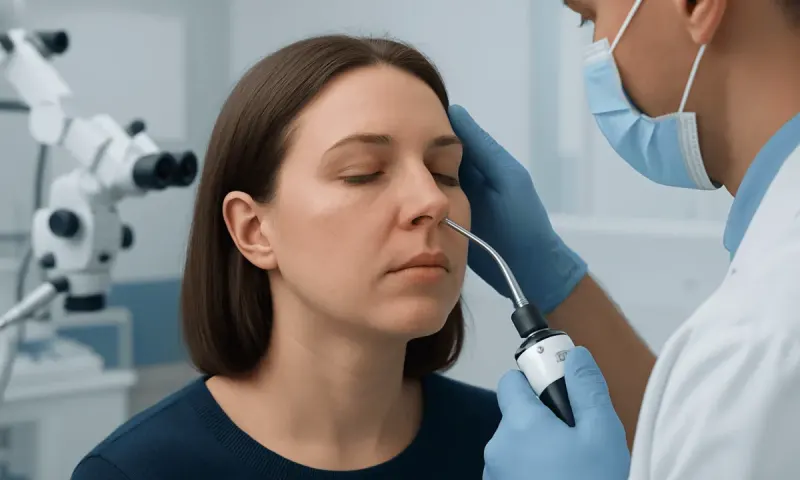
During the examination, the doctor may look at the nasal passages, eyes, skin, and under-eye area. Signs of allergy can include pale or swollen nasal lining, watery eyes, or evidence of repeated eye rubbing. In many cases, this is enough to suspect allergic shiners as part of an allergy picture.
If symptoms are ongoing, more testing may be appropriate to identify triggers or rule out other conditions. Depending on the person, clinicians may recommend allergy evaluation, laboratory tests, or imaging when sinus disease is suspected. If nasal blockage is significant or persistent, assessment by an ENT specialist may be useful, and some people may benefit from ENT evaluation and treatment.
Treatment options and what helps them fade
The most effective way to improve allergic shiners is to treat the underlying allergy and reduce nasal congestion. This usually means avoiding known triggers when possible and using doctor-recommended allergy treatment. As inflammation settles and nasal drainage improves, the under-eye discoloration often becomes less noticeable.
Common treatment approaches may include saline nasal rinses, non-sedating antihistamines, and intranasal corticosteroid sprays when prescribed or recommended by a clinician. Some people also benefit from eye drops for itchy, watery eyes. For persistent or clearly trigger-related symptoms, doctors may discuss formal allergy care, including allergy diagnosis and management.
Supportive skin-care measures can help the area look better, even though they do not fix the root cause. Cool compresses may reduce puffiness. Gentle moisturizers can protect irritated skin, and avoiding rubbing is important because rubbing can worsen both inflammation and pigmentation. If sinus or structural nasal issues are contributing, targeted treatment may be needed rather than cosmetic measures alone.
Do not expect them to disappear overnight — there is no quick fix. Improvement comes gradually, and it depends on how well the nasal allergy is controlled. In people whose symptoms are linked to chronic Deviated Septum, Turbinates, or Both?" class="ahp-ilk">nasal obstruction or another condition, doctors may investigate further and tailor treatment accordingly.
Prevention and self-care
Prevention centers on reducing exposure to allergy triggers and keeping symptoms under good control. For pollen allergies, this may include closing windows during high-pollen periods, showering after outdoor exposure, and washing bedding regularly. For indoor allergies, steps such as dust control, good ventilation, and limiting mold exposure may help.
Healthy daily habits can also make under-eye discoloration less noticeable. Adequate sleep, hydration, and gentle skin care support the delicate area under the eyes. People who wear eye makeup or skin products should choose formulas that do not irritate the skin, especially if eczema or sensitivity is present.
Rubbing darkens and inflames the skin, so tackle the itch early instead of reaching for your eyes and nose again and again. If symptoms keep returning despite self-care, a medical review can identify missed triggers or another underlying issue. In some cases, broader support from specialists in immunology and allergy-related care may be appropriate.
When to seek medical care
Medical advice is recommended if under-eye darkening is persistent, bothersome, or associated with frequent nasal allergy symptoms. Evaluation is also sensible when over-the-counter measures do not help, when symptoms disturb sleep, or when a child has ongoing mouth breathing or snoring.
Prompt assessment is more important if the discoloration is only on one side, appears suddenly, or comes with swelling, pain, fever, shortness of breath, wheezing, vision changes, or severe facial pressure. These features can suggest a different condition that needs attention.
A qualified doctor can confirm whether allergies are the cause and put together a safe treatment plan. If you need specialist evaluation, Acıbadem Health Point’s multidisciplinary specialists and JCI-accredited hospitals diagnose and treat allergy and ENT-related conditions for international patients.
Frequently asked questions
01Are allergic shiners dangerous?
Allergic shiners themselves are usually not dangerous. They are generally a sign of nasal congestion and inflammation related to allergies rather than a serious eye problem. A doctor should assess them if they are new, one-sided, painful, or associated with other concerning symptoms.
02Do allergic shiners mean someone definitely has allergies?
No. Allergies are a common cause, but dark circles under the eyes can also come from genetics, tiredness, skin irritation, eczema, aging, or sinus problems. Diagnosis depends on the full pattern of symptoms, not the under-eye appearance alone.
03How long do allergic shiners last?
They can last as long as allergy-related congestion and inflammation continue. In seasonal allergies, they may improve when pollen exposure drops. In year-round allergies, they may persist until triggers are reduced and treatment becomes effective.
04Can allergic shiners happen in children?
Yes. Children commonly develop allergic shiners, especially if they have allergic rhinitis, nasal blockage, or frequent eye rubbing. If a child has chronic mouth breathing, poor sleep, or persistent nasal symptoms, a pediatric or ENT evaluation may be helpful.
05Will treating allergies make allergic shiners go away?
Often, yes, but improvement may take time. When allergy symptoms are controlled, swelling and congestion around the nose and eyes usually lessen, which can make the discoloration fade. Some residual darkness may remain if genetics or skin pigmentation also play a role.
06What is the difference between allergic shiners and ordinary dark circles?
Allergic shiners are specifically linked to allergy-related nasal congestion and often appear with sneezing, stuffy nose, and itchy eyes. Ordinary dark circles may be due to skin tone, facial anatomy, lack of sleep, aging, or other non-allergic causes. The presence of allergy symptoms helps distinguish them.
This article is for general information only and is not a substitute for professional medical advice. Please consult a qualified doctor about your individual situation.
Explore treatments in Turkey — costs, top hospitals & a free quote
JCI-accredited · board-certified surgeons · reply within 24h
Add us as a Preferred Source to see more of our trusted health content across Google Search, AI Overviews and Discover.