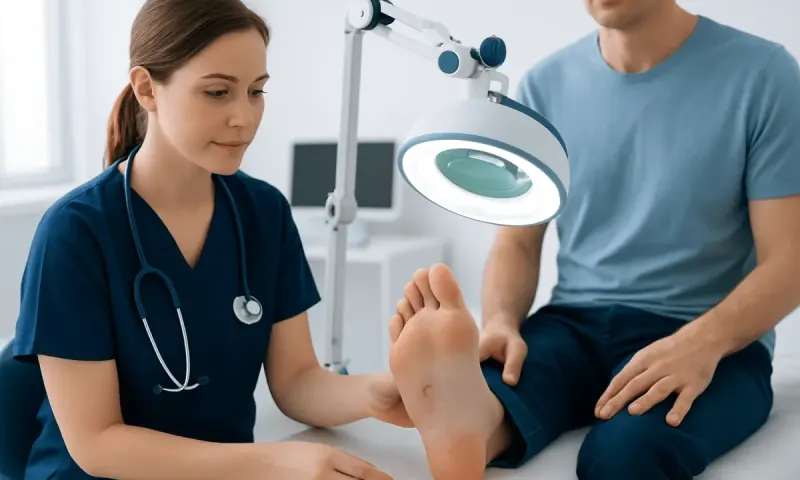
Ear Piercing Allergy: Symptoms, Causes, and Care
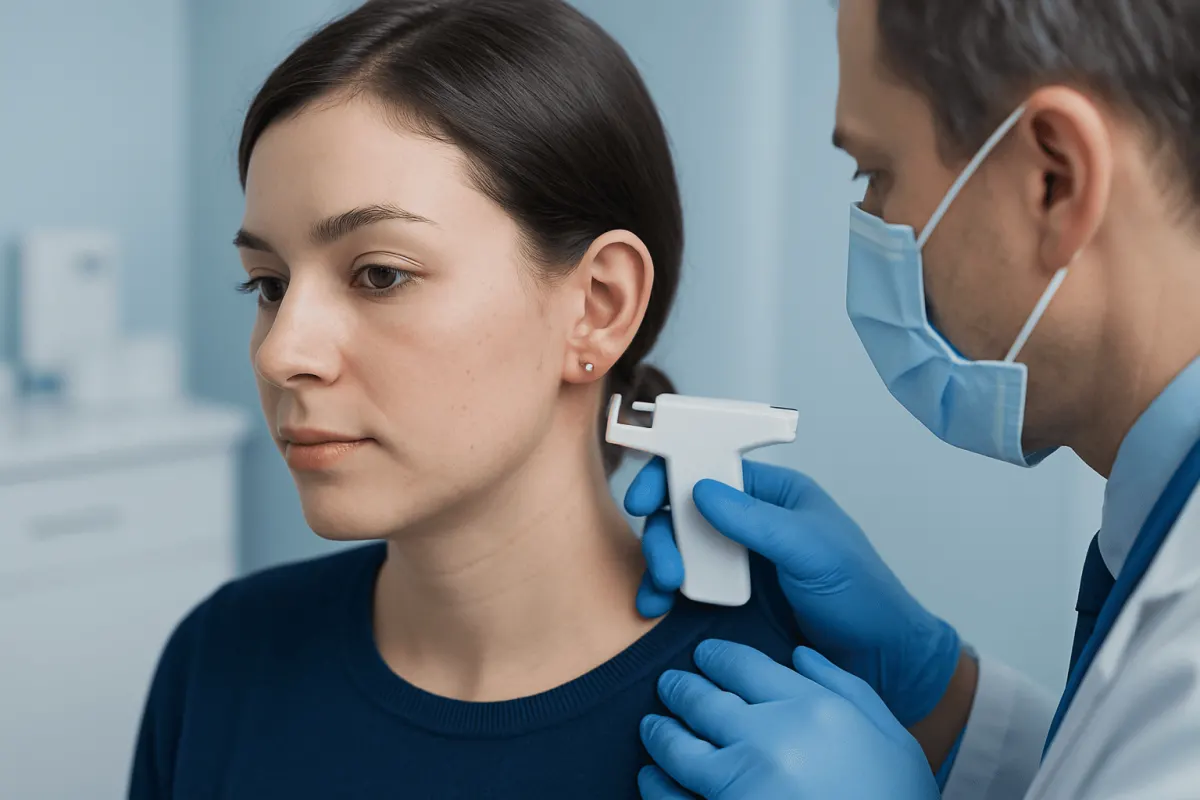
An ear piercing allergy is most often a form of allergic contact dermatitis, commonly triggered by nickel or other metals in earrings. It can cause itching, redness, dryness, swelling, or a weeping rash, and it usually improves when the trigger is removed and the skin is cared for appropriately.
Ear Piercing Allergy: An Overview
An ear piercing allergy is a skin reaction that develops when the immune system becomes sensitive to a substance touching the skin around a piercing. The most frequent trigger is nickel, a metal that may be present in inexpensive jewelry, plated jewelry, earring backs, posts, clasps, and even some surgical-style items if their composition is uncertain. This reaction is known as allergic contact dermatitis.
Symptoms may begin within hours to days after wearing a particular earring, although they can also appear after repeated exposure over time. A person can develop nickel sensitivity at any age, including after having worn certain jewelry without problems in the past. The reaction is not contagious and is not caused by poor hygiene.
It is important to distinguish allergy from normal short-term irritation after a new piercing and from infection. These conditions can look similar, and more than one may occur at the same time. A healthcare professional can help clarify the cause when symptoms are significant, recurrent, or not settling after the suspected trigger is removed.
What Does an Allergic Reaction to Earrings Look Like?
Ear piercing allergy commonly affects the skin directly touching the jewelry. The earlobe or skin around the piercing may itch, sting, become red or darker than usual, swell mildly, feel dry, or develop scaling and cracks. Some people notice tiny fluid-filled bumps, crusting, or clear fluid from inflamed skin. The rash can spread slightly beyond the piercing site if the allergen contacts nearby skin.
Allergic contact dermatitis is often more itchy than painful. Symptoms may come and go with jewelry use, improving after earrings are removed and returning when the same pair is worn again. Earrings worn only occasionally can still trigger a reaction in someone who has become sensitized to a metal.
In contrast, infection is more likely to cause worsening tenderness, throbbing pain, warmth, expanding redness, thick yellow or green drainage, or a feeling of being unwell. A newly pierced ear can be mildly tender and swollen during normal healing, but rapidly increasing symptoms should not be assumed to be an allergy.
- Common allergy clues: itch, dry rash, scaling, small blisters, recurrent symptoms with certain jewelry.
- Possible infection clues: increasing pain, heat, spreading redness, pus, fever, or swollen lymph nodes.
- Possible irritation clues: soreness from tight backs, friction, pressure during sleep, or frequent handling.
Why Ear Piercings Cause Allergies

Nickel is the leading cause of metal-related allergic contact dermatitis worldwide. It is used in alloys because it is durable and inexpensive, and it may be hidden beneath a thin coating of gold, silver, or another metal. As plating wears away, nickel-containing metal underneath can contact the skin. Sweat and moisture may increase the release of nickel from some alloys.
Other possible allergens include cobalt and chromium, which may be present in metal alloys. Reactions may also be caused by ingredients in hair products, cosmetics, fragrance, cleansing products, or aftercare solutions that touch the ears. Less commonly, the issue is sensitivity to a component of the jewelry material rather than the metal itself.
A fresh piercing creates a break in the skin barrier, which may make sensitization more likely when unsuitable jewelry is used during healing. Repeated contact with an allergen trains the immune system to react, so symptoms can become more noticeable with future exposure. Having eczema or a history of sensitive skin may make irritation easier to develop, but anyone can develop a contact allergy.
How Ear Piercing Allergy Is Diagnosed
Diagnosis usually begins with a clinical history and an examination of the ear and surrounding skin. A clinician may ask when the rash started, whether it follows use of specific earrings, whether the piercing is new, and what products are applied to the area. Bringing the jewelry or a list of its materials, if available, can be useful.
When nickel or another contact allergy is suspected but the trigger is unclear, a dermatologist may recommend patch testing. Small amounts of common allergens are placed on the skin under adhesive patches and checked over several days. Patch testing does not involve testing directly inside the piercing; it helps identify delayed skin allergies in a controlled way.
Testing is especially useful for repeated or widespread rashes, reactions that do not improve despite avoiding suspected jewelry, or cases where workplace or cosmetic exposures may also be involved. If there are signs of infection, the clinician may assess whether additional treatment or, in selected cases, a sample of drainage is needed.
Treatment Options and Practical Skin Care
The most important first step is to stop wearing the jewelry believed to be causing the reaction. For a fully healed piercing, removing the earring can reduce ongoing exposure. A person should avoid repeatedly inserting and removing different earrings while the skin is inflamed, as friction and handling can worsen irritation. If the piercing is new, it is best to seek professional advice before removing jewelry, because the opening may close and because infection needs to be considered.
Gentle care can support healing. The area may be rinsed with clean water and carefully patted dry. Fragranced products, alcohol, hydrogen peroxide, harsh antiseptics, and unnecessary topical products may irritate damaged skin. A clinician or pharmacist can advise whether a short course of an appropriate anti-inflammatory cream is suitable; this should be used as directed and not relied on if infection is suspected.
Once the rash has settled, many people tolerate jewelry made from materials with low nickel release, such as implant-grade titanium, niobium, or high-quality nickel-free options. Some people also choose certain solid gold pieces, but gold purity and alloy composition matter, and plated jewelry may expose underlying metals as it wears. Reputable jewelry suppliers should be able to provide clear information about materials.
Persistent dermatitis may need assessment by a dermatologist. Treatment focuses on identifying the allergen, restoring the skin barrier, managing inflammation safely, and preventing repeated exposure. If a person has a confirmed contact allergy, they may also need to consider metal exposure from watches, belt buckles, clothing fasteners, eyeglasses, or personal devices.
Prevention and Choosing Safer Earrings
Prevention is mainly about reducing contact with triggering materials, especially during the healing period after a piercing. Choosing jewelry from a reliable provider and asking about the exact material is more useful than relying only on labels such as “hypoallergenic,” which do not always guarantee that a product is nickel-free or suitable for every person.
For a new piercing, follow the aftercare plan provided by the qualified piercing professional or healthcare team. Keep hands clean before touching the ear, avoid unnecessary twisting or rotating of the jewelry, and reduce pressure from headphones, helmets, or sleeping directly on the pierced side. Hair products and cosmetics should be kept away from the healing site where possible.
For established piercings, use earrings with smooth surfaces and backs that are not overly tight. Remove jewelry if itching or redness starts, and note which pair was worn so that it can be avoided in the future. People with a known nickel allergy can consider discussing their options with a dermatologist before having additional piercings.
Skin reactions that resemble an ear piercing allergy can also occur with other accessories and metal items. Learning the confirmed allergen through patch testing, when appropriate, can help a person make practical choices beyond earrings and reduce repeated flare-ups.
When to Seek Medical Care
Medical assessment is advisable if symptoms do not improve after removing the suspected trigger, if the rash repeatedly returns, or if there is uncertainty about whether the problem is allergy, irritation, or infection. A doctor can evaluate the piercing, recommend appropriate treatment, and arrange dermatology review or patch testing when needed.
Prompt care is important for increasing pain, marked swelling, warmth, spreading redness, thick discharge, fever, or redness extending beyond the ear. These signs can indicate infection. Cartilage piercings, including those on the upper ear, deserve particular caution because cartilage infections may damage ear shape if not treated promptly.
Emergency care may be needed for trouble breathing, wheezing, faintness, swelling of the lips, tongue, or face, or widespread hives after an exposure. These are not typical features of localized contact dermatitis but may signal a severe allergic reaction. Acıbadem Health Point’s multidisciplinary specialists and JCI-accredited hospitals can assess skin reactions and piercing-related complications for international patients.
Frequently asked questions
01Can an ear piercing allergy develop years after a piercing?
Yes. A person may develop sensitivity after repeated exposure to nickel or another allergen, even if they previously wore similar earrings without obvious difficulty. Symptoms may first become noticeable when a jewelry coating wears down or when a different alloy is worn.
02How can someone tell whether an earring reaction is allergy or infection?
Allergy often causes itching, a dry or blistering rash, and symptoms that recur with particular jewelry. Infection is more likely to cause worsening pain, warmth, increasing swelling, spreading redness, pus, or fever. Because the two can overlap, a clinician should assess concerning or persistent symptoms.
03What earrings are best for someone with nickel allergy?
Many people with nickel allergy choose implant-grade titanium, niobium, or carefully sourced nickel-free jewelry. Material claims can vary, so it is helpful to buy from a reputable seller that provides clear information about composition. A dermatologist can offer individualized advice after confirmed allergy testing.
04Should earrings be removed if a new piercing looks infected?
A person should seek medical advice rather than automatically removing jewelry from a new piercing. Removing it may allow the channel to close and can complicate drainage or treatment decisions. Urgent assessment is particularly important for painful or swollen cartilage piercings.
05Can gold earrings still cause an allergic reaction?
Yes. Gold jewelry may contain other metals in its alloy, and gold-plated jewelry can expose underlying metals as the coating wears. The term “gold” alone does not confirm that an item is free from nickel or other allergens.
06Will an ear piercing allergy go away permanently?
The skin flare usually improves after the allergen is avoided and the inflammation is treated appropriately. However, once a person has developed a contact allergy, sensitivity can persist, and symptoms may return with future exposure to the same substance. Avoiding the confirmed trigger is the most reliable long-term approach.
This article is for general information only and is not a substitute for professional medical advice. Please consult a qualified doctor about your individual situation.
Explore treatments in Turkey — costs, top hospitals & a free quote
JCI-accredited · board-certified surgeons · reply within 24h
Add us as a Preferred Source to see more of our trusted health content across Google Search, AI Overviews and Discover.