Alcohol Dehydration: Symptoms, Recovery, and Risks
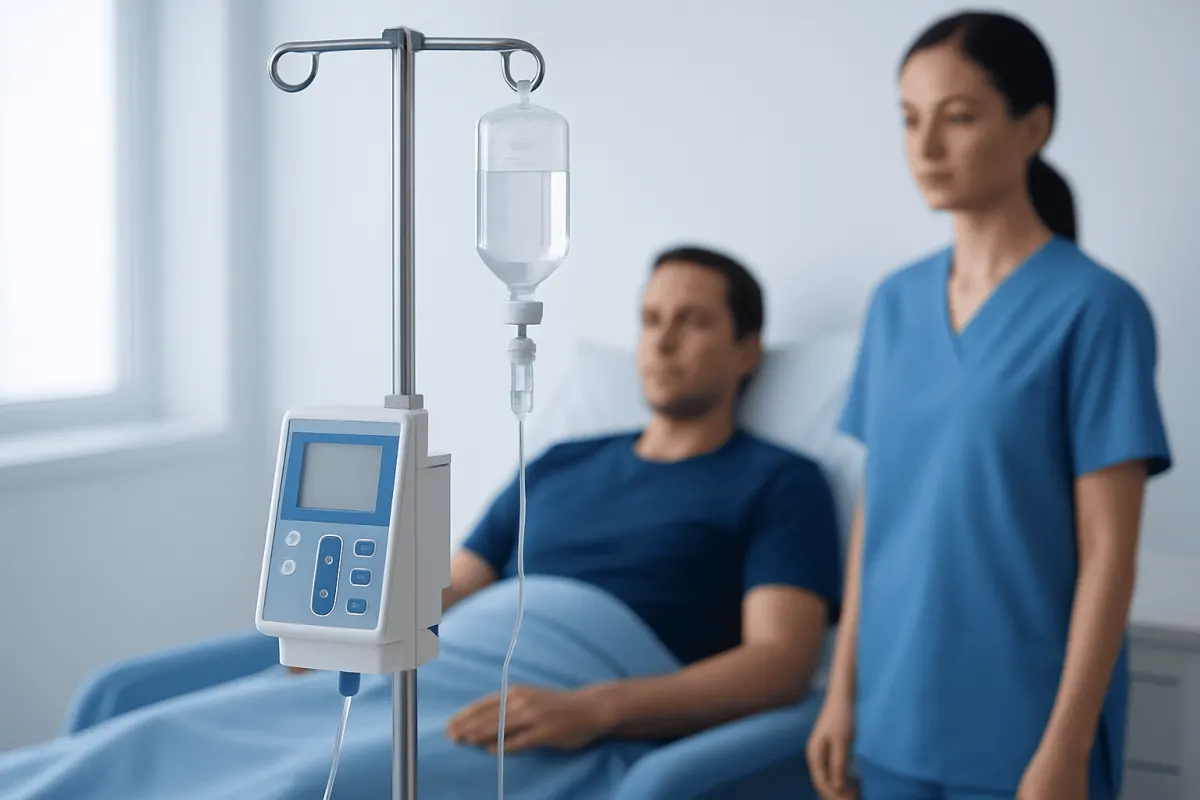
Alcohol dehydration occurs because alcohol can increase urine production while drinking may also reduce normal fluid intake. It can contribute to thirst, dry mouth, headache, fatigue and dizziness, but not every symptom after alcohol use is caused by dehydration alone.
Alcohol dehydration: the evidence-based explanation
Alcohol dehydration is fluid loss that may occur after drinking alcohol, particularly when alcohol intake is high, fluids are not replaced, or vomiting and sweating occur. Alcohol can make the kidneys produce more urine, so the body may lose water and electrolytes more quickly than usual. This is one reason people may feel thirsty or notice darker urine after drinking.
Dehydration can contribute to some hangover symptoms, including headache, tiredness, dry mouth and light-headedness. However, a hangover is not simply dehydration. Alcohol also affects sleep, the stomach, blood sugar regulation, inflammatory pathways and the brain, which is why drinking water alone may not prevent or cure all symptoms.
The effects vary widely between individuals. The amount and speed of alcohol consumption, body size, food intake, warm environments, physical activity, medicines and health conditions can all influence the likelihood and severity of dehydration.
How alcohol changes fluid balance
The body normally uses a hormone called vasopressin, also known as antidiuretic hormone, to signal the kidneys to conserve water. Alcohol temporarily suppresses this signal. As a result, the kidneys may release more urine, especially while blood alcohol levels are rising.
More frequent urination does not always mean clinically important dehydration, but it can lead to fluid loss when it is combined with limited water intake. Drinking alcohol over several hours, spending time in heat, dancing or exercising, or using saunas can increase this risk because sweating also removes water and salts.
Alcohol may also irritate the digestive system. Nausea, vomiting and diarrhea can further reduce fluid and electrolyte levels. These symptoms are more concerning when a person cannot keep liquids down, has a chronic illness, or is older, pregnant, or taking medicines that affect blood pressure, kidney function or fluid balance.
Drinks containing water, such as beer or wine, still contain alcohol and can still increase urine output. Their fluid content does not make them a dependable hydration strategy.
Possible signs of dehydration after drinking

Mild alcohol dehydration may cause thirst, a sticky or dry mouth, reduced urination, urine that is darker yellow than usual, tiredness, headache or mild dizziness. These symptoms can overlap with the effects of alcohol itself, lack of sleep, missed meals or a hangover.
More significant dehydration may involve marked weakness, dizziness when standing, a rapid heartbeat, confusion, very little urine, or inability to tolerate fluids. It is not safe to assume that all severe symptoms after alcohol are due to a hangover. Alcohol poisoning, injury, low blood sugar, medication effects and other illnesses can look similar and need prompt assessment.
Urine color can offer a rough clue, but it is not a diagnostic test. Some vitamins, foods and medicines can change urine color, and pale urine does not always prove that a person is adequately hydrated. How the person feels, their ability to drink, and the presence of warning signs are equally important.
- Thirst and dry lips or mouth
- Headache or fatigue
- Light-headedness, especially on standing
- Less frequent urination or dark yellow urine
- Muscle cramps or general weakness, particularly after sweating or vomiting
Who may be at greater risk
Anyone can become dehydrated after drinking alcohol, but risk increases when alcohol is consumed quickly or in large amounts. Binge drinking is especially risky because it can lead to substantial fluid loss while also impairing judgment, making it less likely that someone will drink water, eat, rest or recognize a developing medical problem.
Hot weather, air travel, high altitude, prolonged physical activity and crowded indoor settings can add to fluid loss. People who have vomiting or diarrhea, fever, diabetes, kidney disease, liver disease, heart conditions or gastrointestinal disorders may need more individualized advice from a clinician.
Older adults may be more vulnerable because thirst sensation can be reduced and medicines may affect fluid balance. People using diuretics, certain blood pressure medicines, laxatives or medicines that cause drowsiness should ask their doctor or pharmacist about alcohol safety. Alcohol can interact with many prescription and non-prescription medicines.
Pregnant people should avoid alcohol, as no known safe amount of alcohol has been established during pregnancy. Children and adolescents should not drink alcohol; suspected alcohol ingestion in a child requires urgent medical guidance.
Safe ways to rehydrate and recover
For mild symptoms, the most helpful approach is to stop drinking alcohol and take small, regular sips of water or another non-alcoholic fluid. A person who has been sweating heavily, vomiting or having diarrhea may benefit from an oral rehydration solution, which contains water, salts and glucose in proportions designed to support absorption.
Eating a light meal or snack, when tolerated, may help restore energy and provide some salt and carbohydrates. Foods such as soup, yogurt, fruit, toast, rice or eggs may be easier to tolerate than rich or greasy foods. Rest is also important because alcohol can disrupt sleep even when it initially causes drowsiness.
It is best to avoid drinking more alcohol to “treat” a hangover. This may temporarily mask symptoms but can prolong alcohol exposure, worsen dehydration and delay recovery. Large amounts of caffeine are also not a reliable solution; moderate caffeine is tolerated by many people, but it may worsen palpitations, anxiety, stomach upset or sleep disruption.
Pain medicines require care after alcohol. Some medicines can irritate the stomach or increase bleeding risk, while others may be unsafe for the liver when combined with alcohol. A pharmacist or doctor can advise on the safest option for an individual, especially if they have liver disease, stomach ulcers, kidney problems or take regular medicines.
Preventing alcohol dehydration
The most effective prevention is to avoid alcohol or limit intake. If an adult chooses to drink, pacing alcohol, eating beforehand or while drinking, and alternating alcoholic drinks with water or non-alcoholic beverages can reduce the chance of fluid depletion. These measures reduce risk but do not make drinking risk-free.
Planning ahead is particularly important in warm weather or during events that involve prolonged standing, dancing or activity. A person should take breaks, seek cooler surroundings, drink non-alcoholic fluids and avoid combining alcohol with dehydration-promoting circumstances such as intense exercise or a sauna.
There is no proven supplement, sports drink, IV infusion or “hangover cure” that reliably prevents all alcohol-related symptoms. Commercial products may be unnecessary and may not be appropriate for everyone, especially people with heart, kidney or metabolic conditions. Ordinary fluids, food, sleep and time are often the safest foundations of recovery.
For people who regularly feel unable to limit drinking, experience withdrawal symptoms, or have alcohol-related problems at home, work or in relationships, confidential medical support can help. Alcohol use disorder is a treatable health condition, and early discussion with a qualified professional can be an important first step.
When to seek medical care
Urgent medical care is needed if a person is difficult to wake, confused, has slow or irregular breathing, bluish or pale skin, repeated vomiting, a seizure, loss of consciousness, chest pain, severe abdominal pain, or signs of a serious injury. These can be signs of alcohol poisoning or another emergency, not merely dehydration. Emergency services should be contacted immediately.
A person who is unconscious or very drowsy should not be left alone. They should be placed on their side if possible to reduce choking risk if vomiting occurs. Do not give alcohol, coffee, food, medication or large amounts of fluid to someone who is not fully alert or cannot swallow safely.
Medical advice is also appropriate for persistent vomiting, inability to keep fluids down, ongoing severe dizziness, very little urination, symptoms lasting longer than expected, or concerns in a person with diabetes, kidney disease, liver disease, heart disease or pregnancy. Evaluation may include checking hydration, blood sugar, electrolytes and other possible causes of symptoms.
Acıbadem Health Point’s multidisciplinary specialists and JCI-accredited hospitals assess alcohol-related health concerns and dehydration complications for international patients when medical evaluation is needed.
Frequently asked questions
01Does alcohol really dehydrate the body?
Yes. Alcohol can increase urine production by reducing the action of a hormone that normally helps the kidneys retain water. The effect is more likely to cause meaningful dehydration when drinking is heavy, fluid intake is low, or vomiting, diarrhea, heat or sweating are also present.
02Can drinking water prevent a hangover?
Drinking water can help reduce dehydration, but it cannot fully prevent a hangover. Hangovers are influenced by alcohol’s effects on sleep, the nervous system, the stomach, inflammation and metabolism as well as fluid balance. Limiting or avoiding alcohol remains the most reliable prevention.
03What is the best drink for alcohol dehydration?
Water is appropriate for many people with mild symptoms. If vomiting, diarrhea or substantial sweating has occurred, an oral rehydration solution may be helpful because it replaces both fluid and electrolytes. Someone who cannot keep fluids down should seek medical advice.
04How long does alcohol dehydration last?
Mild dehydration may improve over several hours with rest, fluids and food as tolerated. Recovery can take longer after heavy drinking, poor sleep, vomiting or continued fluid loss. Persistent or worsening symptoms should be assessed by a healthcare professional.
05Is dark urine always a sign of dehydration after alcohol?
Dark yellow urine can suggest concentrated urine and possible dehydration, particularly when it occurs with thirst and reduced urination. However, vitamins, foods, medicines and medical conditions can also change urine color. It should be interpreted alongside other symptoms.
06Should a person use an IV drip for a hangover?
IV fluids are not routinely necessary for a typical hangover in a person who can drink and keep fluids down. They may be used in medical settings when a clinician identifies significant dehydration, persistent vomiting or another concern. Unsupervised IV treatment can carry risks and should not replace medical evaluation.
This article is for general information only and is not a substitute for professional medical advice. Please consult a qualified doctor about your individual situation.
Persistent digestive symptoms? Get evaluated in Turkey
JCI-accredited · board-certified surgeons · reply within 24h
Add us as a Preferred Source to see more of our trusted health content across Google Search, AI Overviews and Discover.