Dental Implant Companies: How to Compare Options
Dental implant companies may offer different systems and care models, but successful treatment depends most on careful assessment, skilled planning, healthy healing and consistent follow-up. A dental implant replaces a missing tooth root with a biocompatible post that supports a crown, bridge or denture after it integrates with the jawbone.
Overview: What dental implant companies provide
Dental implant companies develop and manufacture the implant components used to replace missing teeth, including the implant post, connecting part called an abutment, and supporting tools for clinicians. The treatment itself should be planned and delivered by a qualified dental team, often involving a restorative dentist or prosthodontist, oral and maxillofacial surgeon, periodontist and dental laboratory. Choosing treatment should focus on the clinician’s assessment, the quality of planning and follow-up care rather than a brand name alone.
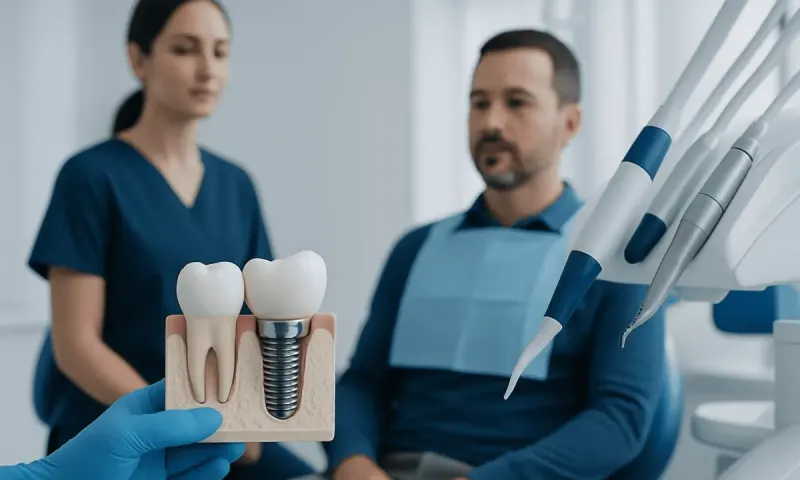
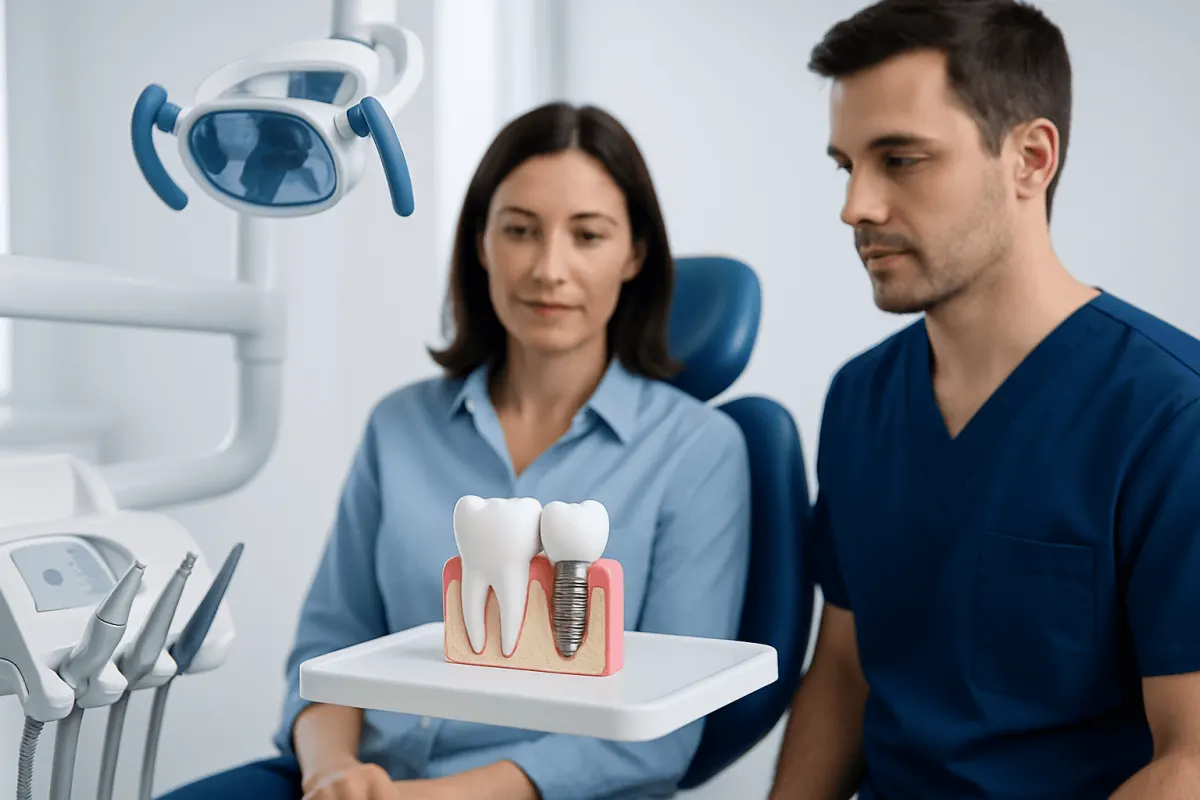
A dental implant is a small, usually titanium post placed into the jawbone to act like a tooth root. Following healing, it can support a single crown, a bridge replacing several teeth, or a full-arch prosthesis. This approach can improve chewing, speech and appearance while helping preserve the bone that normally receives stimulation from natural tooth roots.
Implants are not the only option for a missing tooth. A conventional bridge or removable denture may be appropriate depending on oral health, the number and location of missing teeth, bone volume, medical history and personal preferences. An individual consultation allows the dental team to explain the expected benefits, limitations and maintenance needs of each option.
How dental implants work and who may be a candidate
After placement, the jawbone gradually heals around the implant surface through a process called osseointegration. This stable biological connection enables the implant to bear the forces of biting and chewing. Once healing is adequate, the dentist attaches an abutment and a custom restoration designed to match the shape, bite and color of nearby teeth.
Many adults with one or more missing teeth may be candidates, provided their gums are healthy or can be treated and there is sufficient bone to support the implant. A dental examination and imaging are essential because they show bone height and width, the location of nerves and sinuses, and the condition of neighboring teeth. Three-dimensional imaging may be used when detailed surgical planning is needed.
Some factors require added preparation or may affect suitability. These include untreated gum disease, active dental infection, significant bone loss, smoking or nicotine use, poorly controlled diabetes, certain medications affecting bone metabolism, past radiation to the jaws and conditions that affect healing. Age alone does not usually rule out treatment, but growing jaws in children and adolescents generally require a different approach.
- Healthy gums and good daily plaque control help protect implant tissues.
- Bone grafting or sinus-lift procedures may be considered if bone support is limited.
- Chronic health conditions should be reviewed with the patient’s doctor and dental team before surgery.
Dental implant procedure: step by step

The dental implant procedure begins with a detailed consultation. The team reviews symptoms, medical and dental history, medications, bite alignment and oral hygiene habits. Clinical photographs, digital scans, X-rays and, when appropriate, cone-beam CT imaging help guide a precise treatment plan. Any decay, gum disease or infection is usually treated before implant placement.
During surgery, local anesthetic is commonly used to numb the area. Sedation may be an option for some people, depending on the procedure, anxiety level and medical suitability. The clinician makes a small opening in the gum, prepares the implant site in the jawbone and places the implant. The gum is then closed or a small healing cap may remain visible. For selected cases, a temporary tooth can be fitted on the same day, but this is not appropriate for every patient.
If a tooth needs to be removed, implant placement may occur at the same appointment or after a healing period. Where bone is insufficient, grafting may be done before or alongside implant placement. These choices are individualized: immediate treatment can reduce the number of procedures for suitable patients, while staged care may provide safer healing in areas with infection, limited bone or complex anatomy.
After the implant has integrated with bone, the final restoration is planned and made. The dentist takes impressions or digital scans, checks the bite and fits the crown, bridge or denture. Patients considering dental implant treatment should ask how the surgical and restorative phases will be coordinated, as both are important to comfort, function and long-term maintenance.
Dental implant recovery timeline and expected results
The dental implant recovery process has both an early soft-tissue healing phase and a longer bone-healing phase. Mild swelling, tenderness, bruising or minor bleeding can occur during the first few days. These effects usually improve steadily with the aftercare plan provided by the dental team. Cold compresses, soft foods, careful oral hygiene and prescribed or recommended pain relief can help when appropriate.
For many people, the dental implant procedure recovery time for everyday comfort is about one to two weeks. Sutures, if used, may dissolve or be removed at a follow-up visit. However, osseointegration takes much longer, often several months. The exact dental implant recovery timeline depends on the jaw area, bone quality, whether a tooth was extracted, whether grafting was needed, the type of restoration and general health.
The main dental implant recovery stages include initial clotting and gum healing, early bone repair, osseointegration and placement of the final restoration. During this time, the team may advise avoiding pressure on the implant site, particularly if a temporary restoration is present. Follow-up appointments are used to monitor healing and identify concerns early.
When implants heal well and are cared for consistently, they can provide a stable, natural-looking replacement for missing teeth. They do not decay like natural teeth, but the surrounding gums and bone remain vulnerable to inflammation. Daily cleaning around the restoration and regular professional reviews are therefore essential for lasting results.
How painful is dental implant surgery recovery?
Dental implant surgery is performed with effective local anesthesia, so pain should not be felt during placement, although pressure or vibration may be noticeable. After the numbness wears off, most people describe discomfort as mild to moderate and manageable with the aftercare measures recommended by their clinician. The amount of discomfort varies with the number of implants, location, complexity of surgery, need for grafting and individual pain sensitivity.
Swelling often reaches its peak within the first two to three days and then settles. A soft diet may be more comfortable initially, and patients should avoid chewing directly on the operated area. The dental team may recommend specific pain-relief medicines based on the person’s health history and other medications; it is important not to exceed label directions or combine medicines without professional advice.
Severe pain, swelling that worsens after several days, fever, pus, persistent numbness or bleeding that does not stop with the clinician’s instructions is not expected recovery. These symptoms should prompt contact with the treating dental team. Early review can help determine whether there is infection, a bite-related problem or another issue requiring care.
What I wish I knew before dental implants?
Before dental implants, it helps to understand that treatment is a process rather than a single appointment. Even when the surgical placement is brief, planning and bone healing take time. If grafting, gum treatment or tooth extraction is needed, the overall timeline may be longer than expected, but these steps can help create a more stable foundation for the final result.
Implants require lifelong care. A crown on an implant needs brushing, cleaning between teeth or under bridges as advised, and regular professional assessment. Individuals with a history of gum disease are especially important to monitor because inflammation around implants, called peri-implant disease, can progress with few early symptoms.
Patients should also know that an implant is not identical to a natural tooth. It does not have the same periodontal ligament or sensation, and it may need maintenance over time. The crown, bridge, screws or denture components can wear, loosen or require repair. Asking about the proposed restoration, expected maintenance, temporary tooth options and contingency plans can support informed decisions.
It is useful to discuss health factors openly, including smoking or vaping, diabetes control, teeth grinding, osteoporosis medicines and previous dental treatment. A night guard may be recommended for people who clench or grind their teeth, helping reduce excess forces on teeth and implant restorations.
How many days should I rest after a dental implant?
Many patients can rest on the day of surgery and return to light daily activities within one to two days, provided they feel well and their work is not physically demanding. The dental team may advise taking more time after multiple implants, bone grafting, sinus procedures, sedation or complicated extraction. Individual recovery should guide the return to normal routines.
Strenuous exercise, heavy lifting and activities that raise blood pressure are often avoided for several days because they may increase bleeding, swelling or throbbing. The clinician will give personalized instructions based on the extent of surgery. Resting with the head slightly elevated, eating cool soft foods and avoiding alcohol, smoking and vigorous rinsing in the early period may support uneventful healing.
Most people do not need prolonged bed rest. However, it is important not to mistake a quick return to routine for complete implant healing. The implant still needs months to integrate with bone, so dietary restrictions and advice about loading the implant should be followed until the dentist confirms that it is safe to progress.
Risks, prevention and when to seek medical care
Dental implants have important potential benefits, including fixed tooth replacement, improved chewing ability, better support for facial structures and avoidance of preparing adjacent healthy teeth for a conventional bridge. Risks can include infection, bleeding, sinus involvement for upper-jaw implants, nerve irritation in the lower jaw, damage to nearby structures, implant movement, gum recession and failure of the implant to integrate with bone. Careful imaging, planning and follow-up reduce but cannot eliminate these risks.
The number one reason dental implants fail is often described as poor osseointegration, meaning the implant does not establish a stable bond with the surrounding bone. This can be influenced by infection, inadequate bone support, early excessive pressure on the implant, smoking or nicotine exposure, uncontrolled systemic illness and surgical or prosthetic factors. Later failure may result from peri-implantitis, an inflammatory condition involving infection and bone loss around an implant.
Prevention focuses on excellent plaque control, professional maintenance, a balanced diet during healing, tobacco and nicotine avoidance, and management of health conditions such as diabetes. Patients should attend recommended reviews even when the implant feels comfortable, because gum inflammation and bone changes can be detected before they become advanced.
When to seek medical care: Patients should contact their dental team promptly for increasing rather than improving pain or swelling, fever, discharge, persistent bleeding, a loose implant or restoration, a bite that suddenly feels wrong, or numbness that continues beyond the expected anesthetic effect. Emergency medical assessment is appropriate for difficulty breathing or swallowing, rapidly spreading facial or neck swelling, or signs of a severe allergic reaction. Acıbadem Health Point’s multidisciplinary specialists and JCI-accredited hospitals can assess and treat dental implant needs for international patients.
Frequently asked questions
01How long does the dental implant procedure take?
Surgical placement of a single implant may take about one to two hours, but the appointment length varies with anatomy and whether extraction or grafting is needed. The full treatment timeline is usually longer because the implant needs time to integrate with bone before the final crown, bridge or denture is fitted.
02Can dental implants be placed immediately after a tooth extraction?
In selected cases, an implant can be placed at the time of extraction. This depends on bone quality, gum condition, the absence of significant infection, implant stability and the ability to position the implant safely. A dentist or oral surgeon can determine whether immediate placement is appropriate.
03What should a person eat after dental implant surgery?
Soft, cool or lukewarm foods are generally easier during the first days, such as yogurt, eggs, soups that are not hot, mashed vegetables and smoothies without using a straw if advised. Hard, crunchy, sticky or very hot foods should be avoided until the dental team confirms it is safe to resume them. Chewing away from the surgical site may improve comfort.
04Can smoking affect dental implant healing?
Yes. Smoking and other nicotine products can reduce blood supply to oral tissues and interfere with healing, increasing the risk of infection, poor bone integration and longer-term implant problems. Stopping nicotine use before and after treatment is strongly encouraged, and support for quitting can be discussed with a healthcare professional.
05How can someone tell if a dental implant is failing?
Possible signs include ongoing or increasing pain, swelling, bleeding around the implant, pus, gum recession, a loose implant or restoration, or discomfort when biting. Some early problems may have few symptoms, which is why follow-up visits and X-rays when clinically indicated are important. A loose implant should be assessed promptly rather than ignored.
06Do dental implants need special cleaning?
They need consistent daily cleaning, although the exact tools depend on the type of restoration. A dentist or hygienist may recommend a soft toothbrush, interdental brushes, floss designed for bridges or water-cleaning devices. Regular professional cleaning and monitoring are important because implants can develop gum and bone inflammation.
This article is for general information only and is not a substitute for professional medical advice. Please consult a qualified doctor about your individual situation.
Explore treatments in Turkey — costs, top hospitals & a free quote
JCI-accredited · board-certified surgeons · reply within 24h
Add us as a Preferred Source to see more of our trusted health content across Google Search, AI Overviews and Discover.