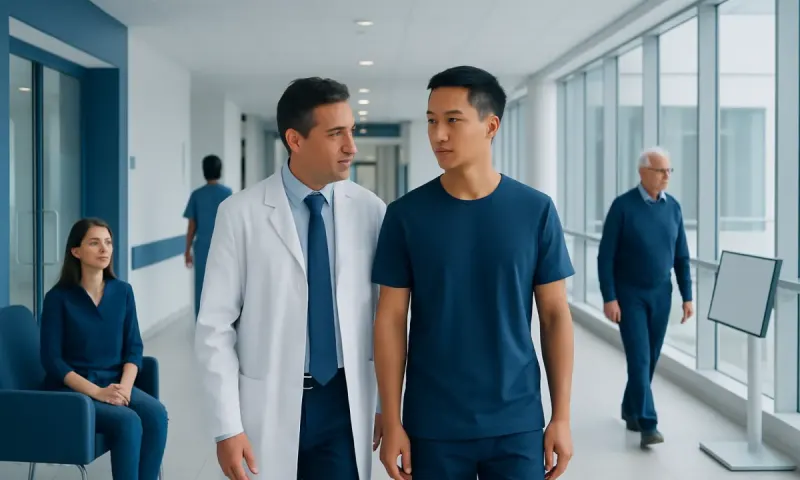
Aesthetic Scalp Surgery Recovery: Swelling, Sutures, and Scar Maturation

Aesthetic scalp surgery recovery is usually gradual and manageable, with most early symptoms improving over days to weeks and scars continuing to mature for months. Knowing what is normal after surgery can help patients care for the scalp confidently and recognize when medical advice is needed.
Overview of Aesthetic Scalp Surgery Recovery
Aesthetic scalp surgery recovery follows a predictable healing pattern, although the exact timeline depends on the procedure performed, the length and location of the incision, individual skin characteristics, and general health. Procedures on the scalp may be done to improve contour, reduce visible scars, revise previous surgery, or address aesthetic concerns related to the hair-bearing scalp. People recovering from aesthetic scalp surgery often notice swelling, tenderness, crusting, and a feeling of tightness at first.
The scalp has a rich blood supply, which usually supports healing well, but it can also mean that swelling and bruising appear quickly. Because the scalp is closely connected to the forehead and around the eyes, swelling may seem more noticeable than expected during the first few days. This can be uncomfortable, but it is often temporary and improves steadily with time.
Recovery is not only about the skin closing. Under the surface, tissues need time to settle, inflammation has to calm, and the scar must gradually remodel. Even when the incision looks healed on the outside, deeper healing continues for weeks to months. For this reason, surgeons usually recommend patience with appearance changes and regular follow-up visits.
What Swelling, Discomfort, and Early Healing Can Feel Like
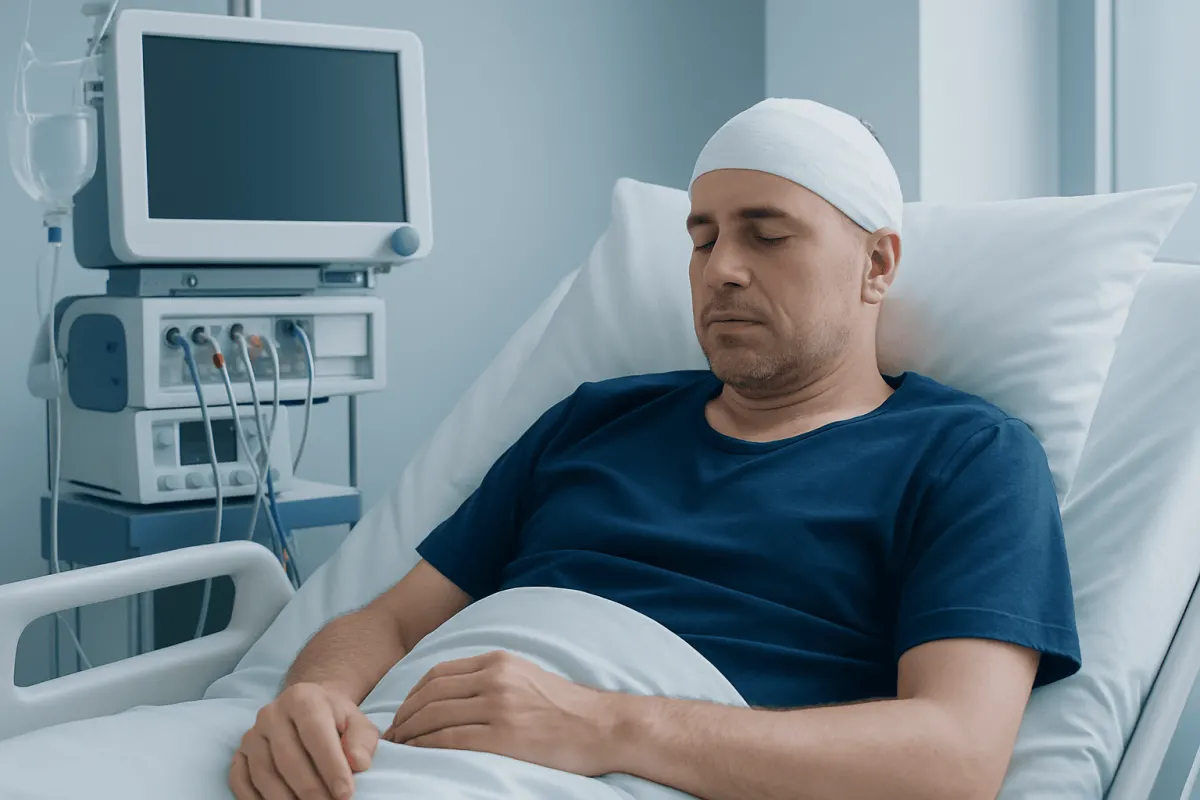
In the first several days after surgery, swelling is one of the most common concerns. It may affect the scalp itself or move downward toward the forehead because of gravity. Some patients also have mild bruising, itching, numbness, or a pressure-like sensation. These symptoms are typically most noticeable early on and then improve gradually.
Discomfort after scalp surgery is often described as soreness, tightness, or sensitivity rather than severe pain. The scalp contains many nerves, so even minor procedures can feel tender. Temporary numbness or tingling around the incision can also occur as small sensory nerves recover. These altered sensations often lessen over time, though the pace varies from person to person.
Normal early healing signs may include:
- mild to moderate swelling
- light spotting on dressings in the first day or two
- tenderness or a pulling sensation
- itching as the incision begins to heal
- temporary numbness near the surgical area
Patients should remember that the scalp can look uneven before it looks better. A slightly raised incision, mild firmness under the skin, or crusting along the wound edges does not always mean a problem. However, symptoms that become more intense instead of gradually better deserve medical review.
Sutures, Staples, and Wound Care

After aesthetic scalp surgery, the incision may be closed with sutures, staples, or a combination of techniques. The surgeon gives specific instructions about when the area can be washed, how to clean it, and whether dressings should remain in place. Following these steps carefully helps lower the risk of irritation and infection while supporting a neater scar.
Patients are often advised to keep the scalp clean and dry at first, then begin gentle washing once cleared by the surgical team. Harsh rubbing, scratching, hair products, hair dye, and heat styling near the incision are usually avoided until healing is further along. If dried blood or crusting forms, it should not be picked off. Gentle cleansing as directed is safer than trying to remove it aggressively.
Sutures or staples may stay in place for several days to a few weeks depending on the procedure and healing progress. Removal is generally done during follow-up appointments, where the doctor also checks for edge separation, fluid buildup, or irritation. People who are prone to thicker scars, such as keloid scars, should mention this early so scar-prevention planning can begin as soon as appropriate.
Good wound care also includes avoiding pressure and friction on the healing scalp. Hats, pillows, helmets, or hair accessories should be used only if approved and comfortable. If the procedure was combined with nearby facial work, such as a brow lift, the surgeon may give additional instructions about sleeping position and activity limits.
Scar Maturation: Why the Scar Changes Over Time
Scar maturation is the long remodeling phase that begins after the incision closes. Many patients expect the scar to look final within a few weeks, but this is rarely the case. In the early stage, a scar may look pink or red, slightly raised, firm, or shiny. Over time, it often becomes flatter, softer, and less noticeable.
This process can take several months and sometimes longer. The pace depends on age, skin type, genetics, sun exposure, smoking, tension on the wound, and whether there has been any irritation or infection. On the scalp, visibility of the scar also depends on hair density, the direction of hair growth, and the exact surgical technique used.
Scar care recommendations vary, but commonly include protecting the area from sunlight, avoiding trauma, and using only surgeon-approved products. If the scar becomes thick, itchy, widening, or remains very raised, the doctor may discuss additional measures. In some cases, people seeking cosmetic improvement after injury or previous operations may also have concerns related to burns or other older scars that affect healing expectations.
It is helpful to think of scar healing as a gradual cosmetic refinement rather than a single event. What is seen at six weeks is not the same as what will be seen at six months. Regular follow-up lets the surgeon monitor this process and advise whether massage, silicone-based care, or other scar-management options are suitable.
Factors That Affect Recovery Time
Recovery time varies because each scalp procedure is different. A smaller scar revision usually heals faster than a larger contouring or reconstructive procedure. The amount of tissue movement, bleeding during surgery, and the presence of hair follicles around the incision can all influence healing. Individual factors such as diabetes, poor nutrition, smoking, and some medications may slow recovery.
Hair and scalp habits also matter. Frequent coloring, tight hairstyles, scratching from dandruff or itching, and early return to strenuous exercise can irritate the wound. People who have had previous trauma, prior surgery, or skin conditions may need more time and closer observation. Even stress and lack of sleep can affect how the body heals.
In some patients, swelling lasts longer than expected because of fluid retention or because the operation involved broad undermining of scalp tissue. Mild asymmetry, temporary contour irregularities, or delayed return of normal sensation may still fall within a normal healing range. A surgeon will usually judge recovery by the overall trend toward improvement, not by one symptom alone.
When aesthetic scalp surgery is part of broader facial or reconstructive planning, healing can be influenced by nearby procedures as well. For example, those having scar revision after facial trauma may have more complex tissue healing needs than someone having an isolated cosmetic correction.
Treatment of Common Recovery Concerns
Most routine recovery concerns are managed with practical aftercare and observation. Surgeons often recommend keeping the head elevated, using prescribed or approved pain relief, and avoiding heavy lifting or bending in the early phase to help reduce swelling. Cold compresses may be advised in some cases, but only if specifically recommended and kept away from direct pressure on the incision.
If the wound appears dry, irritated, or crusted, the answer is not usually stronger self-treatment. Instead, patients should use the cleansing and ointment plan provided by their surgical team. Over-the-counter creams, herbal products, or unapproved antiseptics may cause irritation and should not be applied without guidance. If signs of problematic scarring develop, treatment may include silicone-based therapy, steroid injections, laser options, or scar revision in selected cases.
Occasionally, patients need follow-up procedures to refine scar appearance or address contour concerns once the tissues have fully settled. This is more common when surgery is performed for complex aesthetic correction or after previous operations. In selected settings, surgeons may also discuss options used in broader cosmetic scar care, such as scar-focused skin treatments, when they are appropriate for the patient’s skin and healing stage.
For international patients or those seeking coordinated plastic surgery care, Acıbadem Health Point’s multidisciplinary specialists in JCI-accredited hospitals diagnose and treat scalp and scar concerns with individualized aftercare planning.
Self-care, Activity, and Prevention of Complications
Good self-care can make recovery smoother. Patients are commonly advised to sleep with the head elevated, avoid smoking, stay hydrated, eat enough protein, and protect the incision from accidental bumps or scratching. Gentle movement is usually encouraged, but strenuous exercise, contact sports, heavy lifting, and activities that increase pressure in the head are often limited for a period set by the surgeon.
Hair care should be resumed slowly. Shampooing, combing, and drying the hair should be gentle, and chemical treatments are usually postponed until the incision is stronger. Sun protection is especially important because fresh scars can darken or remain more noticeable if exposed to ultraviolet light. When the surgeon allows it, loose head coverings or shade can help protect the area.
To lower the chance of complications, patients should not remove crusts, trim hair too close to the incision, or stop prescribed medication without advice. Missed follow-up appointments can delay detection of problems such as infection, wound separation, or abnormal scar growth. People who have had other cosmetic procedures, such as aesthetic neck contouring, may already be familiar with the importance of careful activity restrictions and scar protection.
Prevention is mainly about reducing stress on the healing tissues and giving the body time to recover. Even when the scalp feels better quickly, the deeper layers are still repairing. Respecting the recovery timeline often leads to a more comfortable experience and a better cosmetic result.
When to See a Doctor During Recovery
Many symptoms after scalp surgery are expected, but some changes should prompt contact with a doctor. Warning signs include increasing rather than improving pain, rapidly expanding swelling, significant bleeding, pus-like drainage, foul odor, spreading redness, fever, or the wound edges opening. These symptoms do not always mean a serious problem, but they need prompt assessment.
Patients should also seek advice if they notice a fluid-filled bulge, persistent numbness that worries them, severe itching with rash after using a product, or a scar that becomes increasingly thick and hard. Concerns about hair loss along the incision line or delayed healing are also worth discussing. Early review can often prevent a smaller issue from becoming more disruptive.
Follow-up is an essential part of treatment, not an optional extra. A surgeon can tell the difference between normal healing variation and a true complication more reliably than self-checking alone. Whenever there is uncertainty, it is reasonable to contact the surgical team and ask for guidance.
Frequently asked questions
01How long does aesthetic scalp surgery recovery usually take?
Early recovery often takes a few days to a few weeks, depending on the size and type of surgery. However, scar maturation and final cosmetic settling commonly continue for several months.
02Is swelling normal after scalp surgery?
Yes, mild to moderate swelling is common after scalp surgery, especially during the first days. It may extend toward the forehead because of gravity and usually improves gradually.
03When are scalp sutures or staples removed?
The timing varies by procedure and the surgeon's technique. Many patients have removal or assessment within days to a couple of weeks, but the exact schedule should come from the treating team.
04Will the scar on the scalp fade completely?
Most scalp scars improve over time and often become flatter, softer, and less noticeable. Complete disappearance is not guaranteed, and the final appearance depends on factors such as hair coverage, skin type, and scar tendency.
05Can hair grow back through the surgical scar?
Hair growth through a scar depends on whether hair follicles were preserved and how the incision healed. Some scars are hidden well by surrounding hair, while others may have a thin line with reduced hair growth.
06What activities should be avoided after aesthetic scalp surgery?
Patients are often advised to avoid heavy lifting, strenuous exercise, contact sports, and anything that rubs or pressures the scalp until cleared by the surgeon. Hair dye, harsh styling products, and aggressive brushing are also usually delayed.
07When should someone call the doctor after scalp surgery?
A doctor should be contacted if there is increasing pain, marked redness, fever, bad-smelling drainage, heavy bleeding, or sudden swelling. It is also sensible to ask for advice if the wound opens or the scar seems to be thickening unusually.
This article is for general information only and is not a substitute for professional medical advice. Please consult a qualified doctor about your individual situation.
Hair transplant in Turkey — costs, graft counts & a free assessment
JCI-accredited · board-certified surgeons · reply within 24h
Add us as a Preferred Source to see more of our trusted health content across Google Search, AI Overviews and Discover.