Plastic Surgery for Men: Options and Recovery
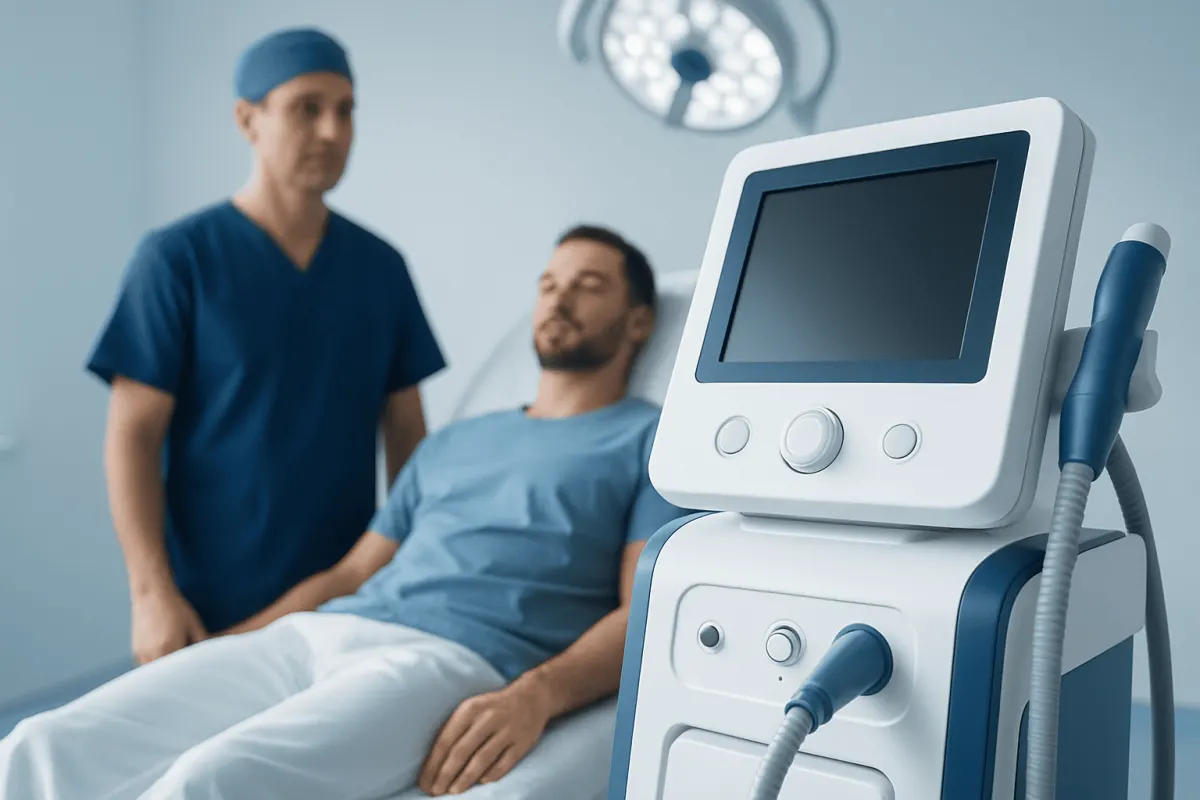
Plastic surgery for men includes surgical procedures that alter or restore facial or body features, often to address aging, excess breast tissue, body contours, or concerns following weight change. The best approach depends on the person’s health, anatomy, goals, and willingness to follow a realistic recovery plan.
Overview: What Is Plastic Surgery for Men?
Plastic surgery for men refers to reconstructive and cosmetic operations tailored to male facial and body anatomy, skin quality, hair patterns, and aesthetic goals. Some procedures restore function or appearance after injury, disease, congenital differences, or major weight loss. Others are elective and aim to reduce features a person finds bothersome, such as drooping eyelids, a prominent nose, excess chest tissue, loose skin, or localized fat that does not respond to lifestyle changes.
There is no single “male look” or ideal result. A careful plan focuses on the individual’s proportions and priorities while preserving natural-looking features. For example, facial surgery may aim to maintain a stronger brow and jawline, while body contouring may consider the distribution of fat and muscle over the chest and abdomen.
Safe care starts with an in-person assessment by a qualified plastic surgeon. The surgeon should explain expected benefits, visible scars, limitations, recovery demands, and the possibility that aging, weight changes, or natural healing may affect the long-term result.
Common Procedures and How They Work
Some of the most frequently requested cosmetic procedures for men involve the face, chest, abdomen, and hair-bearing areas. Eyelid surgery can remove or reposition excess skin and fat around the eyes. Rhinoplasty reshapes the nose for appearance, breathing, or both. Facelift and neck procedures reposition deeper facial tissues and remove or redistribute excess skin to address laxity in the lower face and neck.
Body procedures may include liposuction, which removes selected pockets of fat through small incisions using a cannula. It is not a treatment for obesity or a substitute for sustained weight management. Men with enlarged breast tissue may benefit from gynecomastia surgery, which can remove glandular tissue, fat, and sometimes excess skin when clinically appropriate.
For people with substantial skin laxity after major weight loss, procedures such as abdominal contouring or chest reshaping may be considered. A surgeon may also recommend non-surgical treatments for selected concerns, but these generally cannot produce the same degree of tissue repositioning or skin removal as surgery.
- Facial procedures: eyelid surgery, rhinoplasty, facelift, neck lift, chin or jawline surgery.
- Body procedures: liposuction, abdominal contouring, male breast reduction, arm or thigh contouring.
- Reconstructive procedures: surgery after trauma, skin cancer treatment, congenital differences, or significant weight changes.
Candidacy and Planning Before Surgery

A good candidate for plastic surgery is generally in stable overall health, understands the recovery process, and has realistic goals. The person should be able to arrange time away from work or strenuous activities, follow wound-care instructions, attend follow-up appointments, and have support at home when needed. Smoking and nicotine use can impair circulation and wound healing, so a surgeon may require stopping nicotine products before and after surgery.
During consultation, the surgical team reviews medical conditions, medications, allergies, prior operations, alcohol and tobacco use, and any history of blood clots or abnormal scarring. Photos and physical examination help assess skin elasticity, tissue thickness, facial balance, and body proportions. In some cases, laboratory tests, imaging, or clearance from another specialist may be needed before anesthesia.
It is important to discuss motivation openly. Surgery may improve a specific physical concern, but it cannot guarantee confidence, relationship changes, career outcomes, or relief from broader emotional distress. People who feel pressured by others, are experiencing major instability, or have concerns about body image should discuss these issues with their doctor before deciding on treatment.
What Happens During the Procedure?
The details of plastic surgery for men depend on the operation, but the process usually follows a similar sequence. Before surgery, the surgeon confirms the plan, marks relevant areas on the skin when appropriate, and reviews consent. Anesthesia may be local anesthesia with sedation, regional anesthesia, or general anesthesia, depending on the procedure and its extent.
During surgery, the surgeon places incisions in locations chosen to balance access with scar concealment. Tissue may be removed, reshaped, lifted, or repositioned. Liposuction uses a thin tube to remove fat, while facial procedures may adjust deeper layers as well as skin. When necessary, drains may be placed temporarily to reduce fluid buildup. Incisions are then closed with sutures, skin adhesive, or dressings.
Many operations are performed as day surgery, while larger or combined procedures may require observation or an overnight stay. The surgical team provides written instructions on medications, dressings, bathing, sleeping positions, activity limits, and warning signs. Following these instructions closely supports safer healing and helps protect the result.
Recovery Timeline, Results, Benefits and Risks
Recovery is gradual rather than immediate. In the first few days, discomfort, swelling, bruising, tightness, and fatigue are common. Depending on the procedure, patients may wear compression garments, facial dressings, or supportive bandages. Early walking is often encouraged to support circulation, but exercise, lifting, and contact activities must be delayed for the period recommended by the surgeon.
Many people can return to desk-based work and social activities within one to two weeks after smaller procedures, although visible bruising or swelling may last longer. Larger body-contouring operations can require several weeks before routine activities feel comfortable. Swelling can continue to settle over months, and scars usually mature slowly over many months to a year or more. Final results should therefore be judged only after adequate healing.
Potential benefits include improved proportion, less excess tissue, improved fit of clothing, and correction of a specific structural concern. Risks vary by operation but can include bleeding, infection, delayed healing, fluid collections, changes in sensation, scarring, contour irregularities, asymmetry, blood clots, anesthesia-related complications, and dissatisfaction with the aesthetic result. Revision surgery is sometimes needed.
Patients should contact the surgical team promptly if they develop worsening pain, rapidly increasing swelling, heavy bleeding, fever, spreading redness, shortness of breath, chest pain, or one-sided leg swelling. These symptoms need timely medical assessment.
Is Plastic Surgery Worth It for Men?
Plastic surgery may be worthwhile for a man when the concern is clearly defined, the expected improvement is realistic, and the person accepts the recovery, scars, costs, and potential risks. Satisfaction is often more likely when the decision is personal rather than driven by pressure from social media, a partner, family, or workplace expectations.
A detailed consultation is the best way to weigh value for an individual. The surgeon can explain what surgery can reasonably change, what it cannot change, whether a less invasive option is suitable, and how long healing may take. Looking at appropriately consented before-and-after examples of patients with similar anatomy can help clarify expectations.
It is reasonable to take time before committing to an elective operation. Seeking a second opinion can also be helpful, particularly for extensive surgery, revision surgery, or when the recommended plan does not feel clear.
What’s the Hardest Plastic Surgery to Recover From?
There is no single procedure that is hardest for every person, because recovery depends on the extent of surgery, general health, pain sensitivity, support at home, and whether several procedures are combined. However, large body-contouring operations after major weight loss, extensive abdominal procedures, combined operations, and some reconstructive surgeries often involve longer recovery periods than smaller facial procedures.
These operations may require drains, compression garments, careful wound care, restricted movement, and more time away from physically demanding work. They can also involve larger scars and a higher chance of wound-healing concerns because larger areas of tissue are treated.
Combining procedures may reduce the number of separate anesthetics, but it can also increase operative time and recovery demands. A surgeon should assess whether combining operations is appropriate based on the patient’s health and the planned treatment.
How Painful Is Plastic Surgery Recovery? When to Seek Medical Care
Plastic Scalp Surgery Recovery: Swelling, Sutures, and Scar Maturation" class="ahp-ilk">surgery recovery is usually uncomfortable rather than continuously severe, but the experience differs widely by operation and person. Tightness, pressure, soreness, swelling, and bruising are common. Pain is generally most noticeable in the first few days and then improves, although certain movements or sleeping positions may remain uncomfortable for longer.
The surgical team creates an individualized pain-management plan, which may include prescribed medicines, non-prescription options when safe, elevation, cold packs where advised, compression, and gradual movement. Patients should not take additional medicines, supplements, or herbal products without checking with their clinician, as some can increase bleeding risk or interfere with anesthesia and healing.
Medical care should be sought urgently for trouble breathing, chest pain, fainting, confusion, uncontrolled bleeding, or sudden marked swelling. The surgeon should be contacted promptly for fever, increasing redness or drainage from an incision, pain that is worsening rather than improving, persistent vomiting, or concerns about a wound. Acıbadem Health Point’s multidisciplinary specialists and JCI-accredited hospitals can assess and treat plastic surgery needs for international patients.
What Surgery Do Men Get the Most?
The most common procedures requested by men vary by country, age group, and whether non-surgical treatments are included. Frequently sought surgical procedures include eyelid surgery, nose reshaping, liposuction, male breast reduction, and facial rejuvenation procedures such as facelift or neck lift. Hair restoration procedures are also commonly discussed, though they involve a different surgical approach.
Men often seek treatment for concerns that become more noticeable with age, weight change, genetics, or injury. Eyelid surgery may be considered for excess upper-lid skin, while male breast reduction may be appropriate for persistent breast enlargement. This condition, known as gynecomastia, can have hormonal, medication-related, weight-related, or other causes, so medical evaluation may be important before cosmetic treatment.
The most suitable procedure is not necessarily the most common one. A personalized assessment helps determine whether surgery is indicated, which technique is safest, and what result can be expected for the individual.
Frequently asked questions
01Is plastic surgery worth it for men?
Plastic surgery can be worthwhile when it addresses a specific concern, aligns with the person’s own goals, and the expected benefits outweigh the recovery and risks. A consultation with a qualified plastic surgeon helps clarify realistic outcomes, scars, alternatives, and whether surgery is suitable.
02What’s the hardest plastic surgery to recover from?
Extensive body-contouring procedures, larger abdominal operations, reconstructive surgery, and combined procedures may involve the most demanding recoveries. They can require longer activity restrictions, wound care, compression garments, and time for swelling and scars to settle.
03How painful is plastic surgery recovery?
Most people experience soreness, tightness, swelling, and bruising, particularly in the first days after surgery. Pain levels vary by procedure and individual, but the surgical team can provide a tailored plan to manage discomfort safely.
04What surgery do men get the most?
Common surgical requests among men include eyelid surgery, rhinoplasty, liposuction, male breast reduction, and facial or neck rejuvenation surgery. The best choice depends on health, anatomy, and the concern being treated rather than popularity.
05How long does it take to recover from plastic surgery for men?
Smaller procedures may allow a return to desk work within one to two weeks, although swelling and bruising can remain visible. More extensive body procedures may require several weeks of restricted activity, and final results can take months as swelling resolves and scars mature.
06Are the risks of plastic surgery different for men?
The main surgical and anesthesia risks are similar for men and women, including bleeding, infection, scarring, fluid collections, and healing problems. However, skin thickness, hair-bearing skin, tissue distribution, medical history, and smoking or nicotine use can affect planning and recovery.
This article is for general information only and is not a substitute for professional medical advice. Please consult a qualified doctor about your individual situation.
Hair transplant in Turkey — costs, graft counts & a free assessment
JCI-accredited · board-certified surgeons · reply within 24h
Add us as a Preferred Source to see more of our trusted health content across Google Search, AI Overviews and Discover.