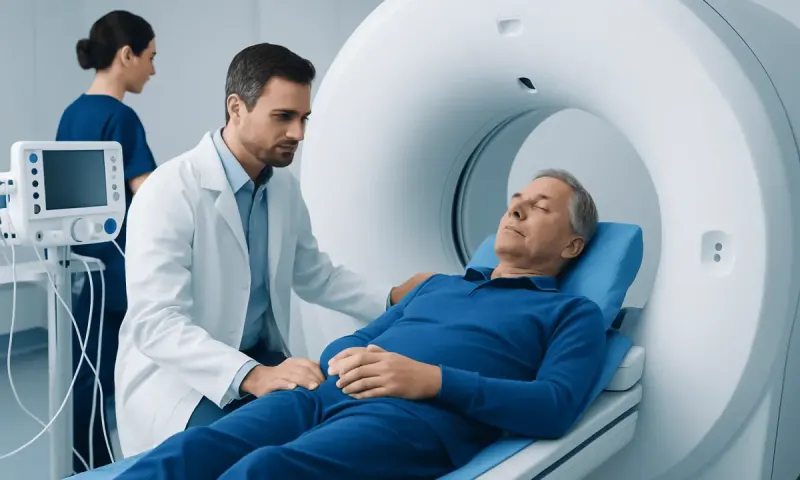
ADT for Prostate Cancer: How Hormone Therapy Helps
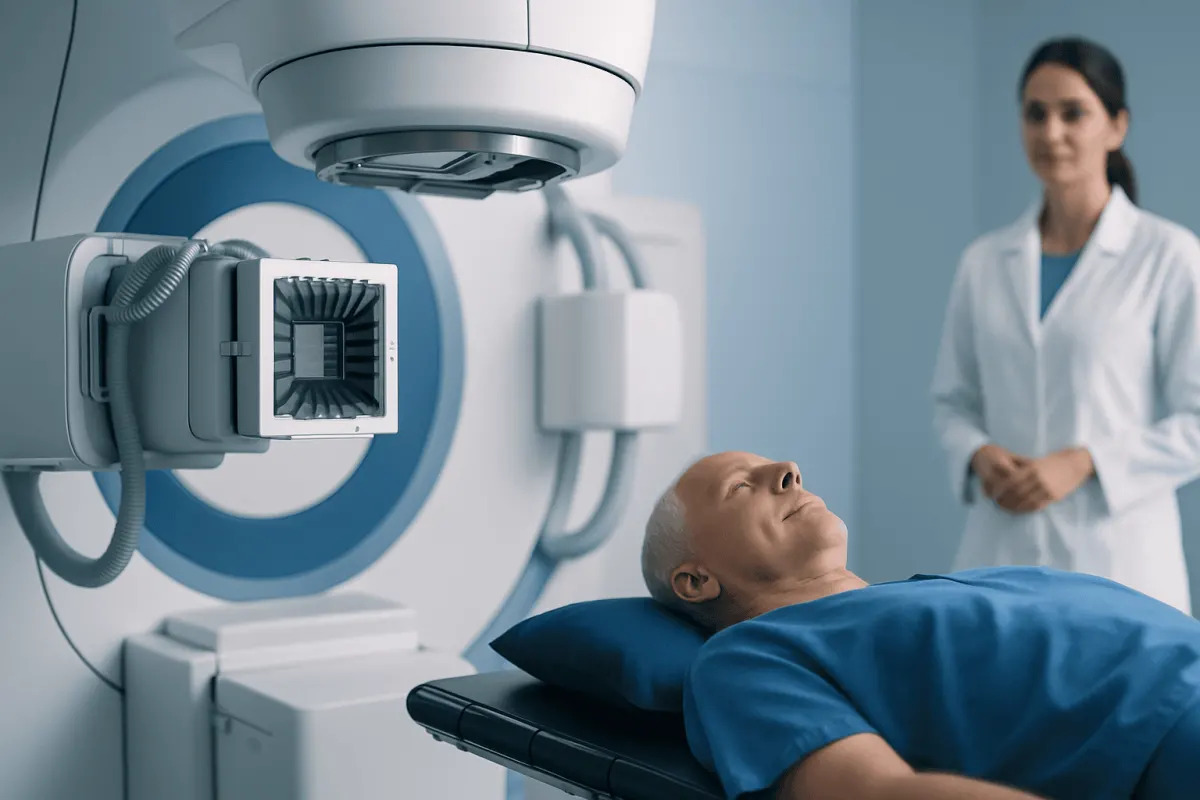
ADT for prostate cancer, also called androgen deprivation therapy, reduces the effect of testosterone that can help prostate cancer cells grow. It may be used with radiation therapy, before or after other treatments, or to control cancer that has returned or spread.
What does ADT mean in prostate cancer?
ADT for prostate cancer means androgen deprivation therapy. It is a form of hormone treatment that lowers testosterone levels or blocks testosterone from stimulating prostate cancer cells. Testosterone is an androgen, a hormone that can encourage many prostate cancers to grow.
ADT can be given as injections or implants that reduce testosterone production, as tablets that block androgen activity, or less commonly through surgery to remove the testicles. It is often combined with other treatments rather than used alone. The right approach depends on the cancer’s risk group, stage, PSA level, scan findings, previous treatments and the person’s general health.
Hormone therapy is not chemotherapy. It works by changing the hormonal environment around cancer cells. In many people, it lowers PSA levels and controls cancer for a substantial period, although cancer can eventually adapt and grow despite low testosterone.
When is hormone therapy used for prostate cancer?
Hormone therapy may be recommended at several points in prostate cancer care. For some people with high-risk or locally advanced cancer, ADT is used with radiotherapy because lowering testosterone can make Cancer Radiation Treatment: Options and Outlook" class="ahp-ilk">radiation treatment more effective. The planned duration varies, from a shorter course around radiotherapy to longer-term treatment in selected situations.
ADT is also commonly used when prostate cancer has spread beyond the prostate, including to lymph nodes, bones or other organs. In this setting, it is often the foundation of treatment and may be combined with newer hormone-blocking medicines, chemotherapy, radiotherapy for particular areas, or other treatments.
After surgery or radiotherapy, a rising PSA may indicate biochemical recurrence. ADT is one possible option, but not every rising PSA requires immediate hormone therapy. The timing depends on how quickly PSA is rising, the original cancer features, imaging results, symptoms and whether local salvage treatment remains possible. Learn more about prostate cancer and the factors that shape individual treatment planning.
What stage of prostate cancer requires hormone treatment?

There is no single stage at which every person automatically needs hormone treatment. ADT is most often considered for high-risk localized cancer treated with radiotherapy, locally advanced cancer that extends beyond the prostate, cancer that has returned after initial treatment, and metastatic prostate cancer.
Early, low-risk prostate cancer is often managed with active surveillance, surgery or radiotherapy without ADT. In contrast, when cancer has spread to distant sites, hormone therapy is usually an important part of care because it treats cancer cells throughout the body rather than one area alone.
For intermediate-risk disease, the role of ADT varies. Some people receiving radiotherapy may benefit from a short course, while others may not need it. A urologist, radiation oncologist and medical oncologist can explain the expected benefit and potential side effects in the context of the individual pathology report and imaging findings.
How ADT is given and monitored
Most ADT is delivered with medicines that signal the body to stop producing testosterone or prevent testosterone from activating prostate cancer cells. Depending on the medicine, treatment may be given as a regular injection, a small implant placed under the skin, tablets, or a combination of these. Surgical removal of the testicles is a permanent way to lower testosterone but is less commonly chosen.
Monitoring usually includes PSA blood tests, testosterone measurements in some circumstances, review of symptoms and regular checks for treatment effects. Imaging may be used when symptoms change, PSA behavior raises concern or clinicians need to assess the extent of disease. For cancer that has spread, care may include systemic chemotherapy or other medicines in addition to ADT.
Doctors also monitor bone, heart and metabolic health because long-term testosterone suppression can affect these areas. The treatment plan may change over time as the cancer response, side effects and personal priorities change.
Side effects of hormone therapy and supportive care
Because ADT lowers testosterone, it can cause hot flushes, tiredness, reduced sexual desire, erectile difficulties, mood changes and loss of muscle strength. Some people notice weight gain, breast tenderness or enlargement, and changes in concentration. The nature and intensity of side effects differ between individuals and may depend on how long treatment continues.
Longer-term ADT can contribute to thinning of the bones, increased body fat, changes in blood sugar or cholesterol, and a higher risk of cardiovascular problems in people with existing risk factors. These possible effects are a reason for regular medical follow-up, not a reason to stop treatment without discussing it with the treating team.
Helpful measures may include regular weight-bearing and resistance exercise, a balanced eating pattern, not smoking, limiting alcohol, adequate sleep and attention to emotional wellbeing. Clinicians may recommend bone-density testing, vitamin and mineral assessment, or medicines to protect bone health when appropriate. Sexual health support, counselling and treatment for troublesome hot flushes may also be available.
How long does it take for prostate cancer to spread to the bones?
There is no fixed timetable for prostate cancer to spread to the bones. Many prostate cancers grow slowly and may never spread, while higher-grade or aggressive cancers can progress more quickly. The time course depends on the cancer’s grade, stage, PSA pattern, genetic features, response to treatment and whether treatment is started promptly when needed.
Bone spread is more likely in advanced or recurrent prostate cancer than in disease confined to the prostate. PSA alone cannot confirm that cancer has reached the bones. Modern imaging, such as PSMA PET scanning, bone scanning, CT or MRI, may be used when the clinical situation suggests metastatic disease.
Persistent new bone pain, especially back, hip or rib pain, should be reported to a doctor, although pain has many causes other than cancer. Urgent assessment is important for new weakness or numbness in the legs, difficulty walking, or loss of bladder or bowel control, as these symptoms can sometimes indicate pressure on the spinal cord.
What does a rising PSA after prostatectomy and radiation therapy mean?
A rising PSA after both prostatectomy and radiation therapy can suggest recurrent prostate cancer, but interpretation requires careful review by the treating specialist. After the prostate has been surgically removed, PSA is generally expected to become very low. A confirmed increase on repeat testing may be described as biochemical recurrence.
The PSA level itself matters, but the speed of change is also important. A PSA that doubles quickly may warrant earlier investigation than a very slow rise. Doctors consider pathology results, the time since treatment, previous radiation fields, current symptoms and scans before deciding whether observation, further imaging, hormone therapy, clinical trials or another treatment is appropriate.
Not every PSA result reflects the full picture. Repeating the test in the same laboratory and discussing trends rather than a single value can help avoid unnecessary conclusions. A specialist may recommend advanced imaging to look for a site of recurrence that could be treated directly.
Can I get a Blue Badge if I have prostate cancer?
In the United Kingdom, having prostate cancer does not automatically qualify someone for a Blue Badge. Eligibility is based on how a condition affects mobility, ability to walk safely, or the need to travel while receiving certain treatments, rather than on the diagnosis alone.
A person may be eligible if cancer, treatment side effects or another health condition causes substantial and lasting difficulty walking, severe pain when moving, breathlessness, or a need for frequent access to a vehicle. The application process is handled by the local council, which may ask for information about mobility and supporting medical evidence.
Rules and assessment processes can vary across the UK, so it is sensible to check current guidance from the relevant local authority. A cancer nurse, GP, hospital social worker or benefits adviser may be able to help with the application and supporting documentation.
When to seek medical care
People receiving ADT should contact their cancer team if they develop troubling treatment effects, such as severe fatigue, distressing mood symptoms, chest pain, shortness of breath, leg swelling, or symptoms that significantly affect everyday life. New or worsening urinary symptoms, unexplained weight loss, persistent pain or a clear change in general wellbeing should also be discussed.
Urgent medical assessment is needed for sudden leg weakness, numbness around the groin or buttocks, new difficulty passing urine, or loss of bladder or bowel control. These symptoms can have several causes, but they require prompt evaluation to rule out spinal cord compression or another urgent problem.
Acıbadem Health Point’s multidisciplinary specialists and JCI-accredited hospitals assess and treat prostate cancer for international patients, with treatment plans based on pathology, imaging, PSA trends and individual goals.
Frequently asked questions
01Is ADT a cure for prostate cancer?
ADT is usually used to control prostate cancer rather than cure it when used on its own. However, when combined with radiotherapy for certain high-risk or locally advanced cancers, it can improve the chance of long-term disease control. The expected aim of treatment should be discussed with the cancer team.
02How quickly does ADT lower PSA?
PSA often starts to fall within weeks to months after effective ADT begins, but the pattern varies between people. Doctors also consider testosterone levels, symptoms and imaging where needed. A falling PSA is encouraging, but it is only one part of monitoring treatment response.
03Can prostate cancer grow despite hormone therapy?
Yes. Some prostate cancers eventually learn to grow despite very low testosterone levels, a state called castration-resistant prostate cancer. Further treatments may still be available, including newer hormone-targeting medicines, chemotherapy, targeted treatments, radiopharmaceuticals or clinical trials, depending on the situation.
04Can I stop hormone therapy if my PSA becomes low?
A low PSA does not automatically mean ADT should be stopped. The decision depends on why treatment was started, whether disease is localized or metastatic, the length of planned treatment and the person’s response and side effects. Some people may be considered for intermittent treatment, but this should only be done under specialist supervision.
05Does hormone therapy cause erectile dysfunction?
ADT commonly reduces sexual desire and can make erections more difficult because testosterone supports sexual function. The impact varies, and erectile problems may also relate to surgery, radiation, age, circulation and other health conditions. Sexual health support and treatment options can be discussed with the clinical team.
06What should I ask my doctor before starting ADT?
Useful questions include why ADT is recommended, how long it is expected to continue, whether it will be combined with another treatment, and what benefits are realistic. It is also important to ask about side-effect monitoring, bone and heart health, fertility concerns, sexual wellbeing and who to contact between appointments.
This article is for general information only and is not a substitute for professional medical advice. Please consult a qualified doctor about your individual situation.
Oncology care in Turkey — second opinion and treatment plan
JCI-accredited · board-certified surgeons · reply within 24h
Add us as a Preferred Source to see more of our trusted health content across Google Search, AI Overviews and Discover.