Ache in Lower Back and Pelvis: Possible Causes
An ache in the lower back and pelvis is commonly caused by muscle strain, posture, or irritation of the joints that connect the spine and pelvis. However, because this area is close to the urinary, digestive, and reproductive organs, persistent or severe pain should be assessed by a qualified clinician.
Overview: Why the Lower Back and Pelvis Can Ache Together
An ache in lower back and pelvis can have several explanations, ranging from temporary muscle tension to conditions affecting the spine, hips, bladder, bowel, or reproductive organs. The lower back, pelvis, hips, and abdomen work closely together during walking, lifting, sitting, and changing position. As a result, pain felt in one area may sometimes be referred from another nearby structure.
Many episodes improve with time and conservative care, particularly when they follow an unfamiliar activity, prolonged sitting, lifting, or a minor strain. Still, the pattern of pain matters. A dull ache on both sides after activity may have a different cause from sudden one-sided pelvic pain, pain with urination, or back pain that travels down the leg.
Age, sex, pregnancy status, medical history, recent injuries, and accompanying symptoms all guide assessment. A healthcare professional can evaluate whether the discomfort is most likely musculoskeletal or whether tests are needed to look for an internal medical cause.
How Symptoms May Point to the Source
Musculoskeletal pain often changes with movement, posture, lifting, bending, standing, or sitting. It may feel stiff after rest and improve gradually with gentle activity. Tenderness in the muscles around the low back, buttocks, hips, or pelvic rim can also suggest a strain or joint-related problem.
Pain from nerves in the lower spine may be burning, sharp, tingling, or electric in quality. It can extend into the buttock, thigh, calf, or foot and may be accompanied by numbness or weakness. This pattern can occur when a spinal nerve is irritated, although an examination is needed to determine the cause.
Internal causes may produce a different combination of symptoms. Urinary conditions can cause burning when passing urine, frequent urination, blood in the urine, or pain in the side or groin. Digestive conditions may occur with constipation, diarrhea, bloating, nausea, or changes in bowel habits. In people with female reproductive organs, symptoms may relate to menstrual cycles, vaginal bleeding or discharge, pregnancy, or pain during sex.
- Note when symptoms began and whether they are constant or intermittent.
- Observe what makes pain better or worse, such as rest, walking, meals, urination, or menstruation.
- Record associated symptoms, including fever, numbness, bowel changes, bleeding, or unexplained weight loss.
Common Musculoskeletal Causes
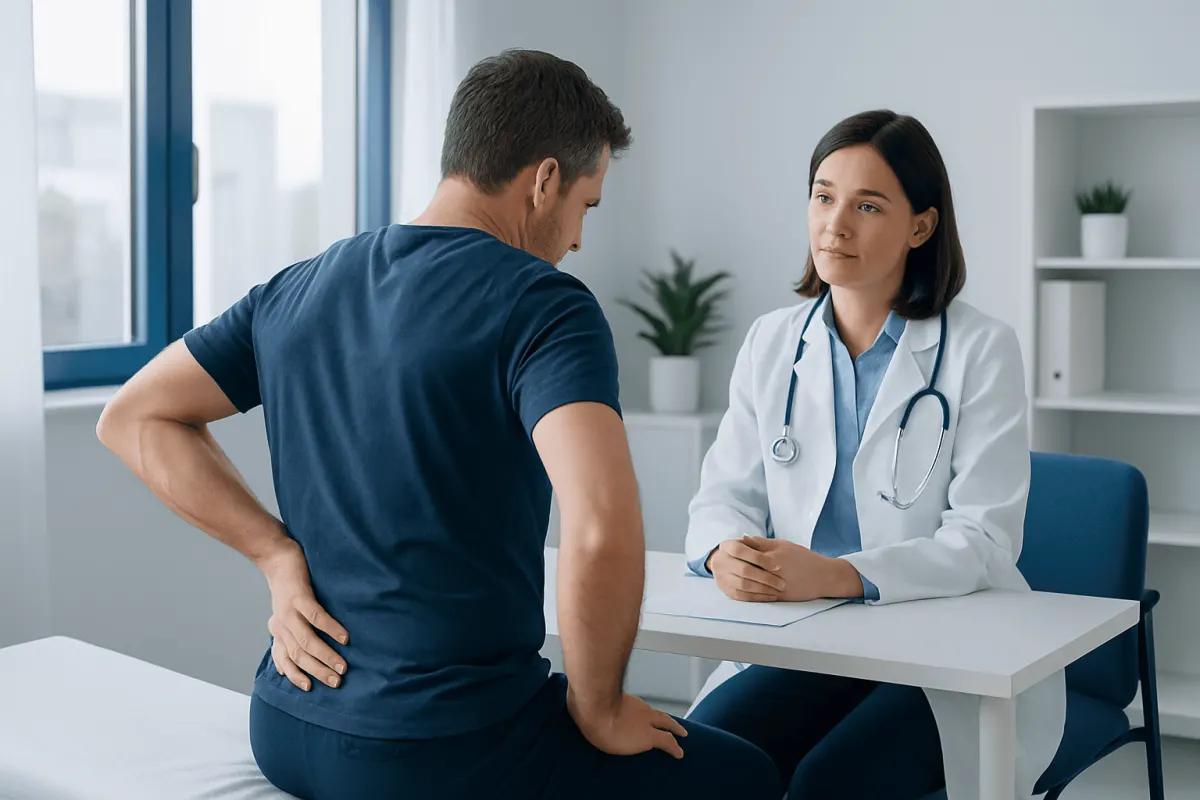
Muscle or ligament strain is among the most frequent reasons for aching around the lower back and pelvis. It can follow lifting, twisting, a fall, prolonged awkward posture, increased exercise, or repetitive work. Pain may develop immediately or gradually over the following day and commonly improves over days to several weeks.
The sacroiliac joints, located where the lower spine meets the pelvis, can also be a source of pain. Discomfort is often felt on one or both sides near the buttock or just below the waistline, and it may worsen with stairs, prolonged standing, turning in bed, or putting weight on one leg. Hip conditions can similarly be felt in the groin, buttock, outer hip, or lower back.
Degenerative changes in spinal joints and discs become more common with age, although imaging findings do not always explain a person’s symptoms. A disc bulge, arthritis, spinal narrowing, or nerve irritation may contribute when pain travels down a leg or is associated with tingling. A clinician can help distinguish these causes from other sources of pelvic pain.
Urinary, Digestive, and Reproductive Causes
Kidney stones, urinary tract infections, and kidney infections can cause pain that is felt in the lower back, flank, lower abdomen, or pelvis. A stone may cause intense waves of pain, nausea, or blood in the urine. Infection may include burning urination, urgency, fever, chills, or feeling generally unwell, and should be evaluated promptly.
Constipation, irritable bowel syndrome, inflammatory bowel conditions, and other digestive disorders can cause lower abdominal or pelvic discomfort that spreads to the back. Pain may be related to bowel movements, meals, bloating, or a change in stool frequency. Sudden severe abdominal pain, persistent vomiting, or blood in the stool requires timely medical advice.
Menstrual cramps, endometriosis, ovarian cysts, fibroids, pelvic inflammatory disease, and other gynecological conditions may cause pelvic pain with low back aching. Symptoms may be cyclical or may occur between periods. New pelvic pain with abnormal bleeding, unusual discharge, fever, or pain during sex should be assessed rather than assumed to be routine menstrual discomfort.
During pregnancy, changes in posture, ligaments, and pelvic joints can contribute to lower back and pelvic girdle pain. However, pregnant people should contact their maternity team promptly for severe pain, vaginal bleeding, fluid leakage, contractions, fever, dizziness, or reduced fetal movement later in pregnancy.
How Clinicians Diagnose the Cause
Assessment begins with a detailed discussion of symptoms. A clinician may ask about the exact location and severity of pain, recent activity or injury, menstrual and pregnancy history when relevant, urinary and bowel symptoms, medications, previous surgery, and long-term health conditions.
A physical examination may include checking posture, gait, spinal and hip movement, abdominal tenderness, muscle strength, reflexes, sensation, and signs of nerve irritation. Depending on the symptoms, a pelvic, rectal, or abdominal examination may be recommended. These examinations are performed only when clinically appropriate and with attention to privacy and consent.
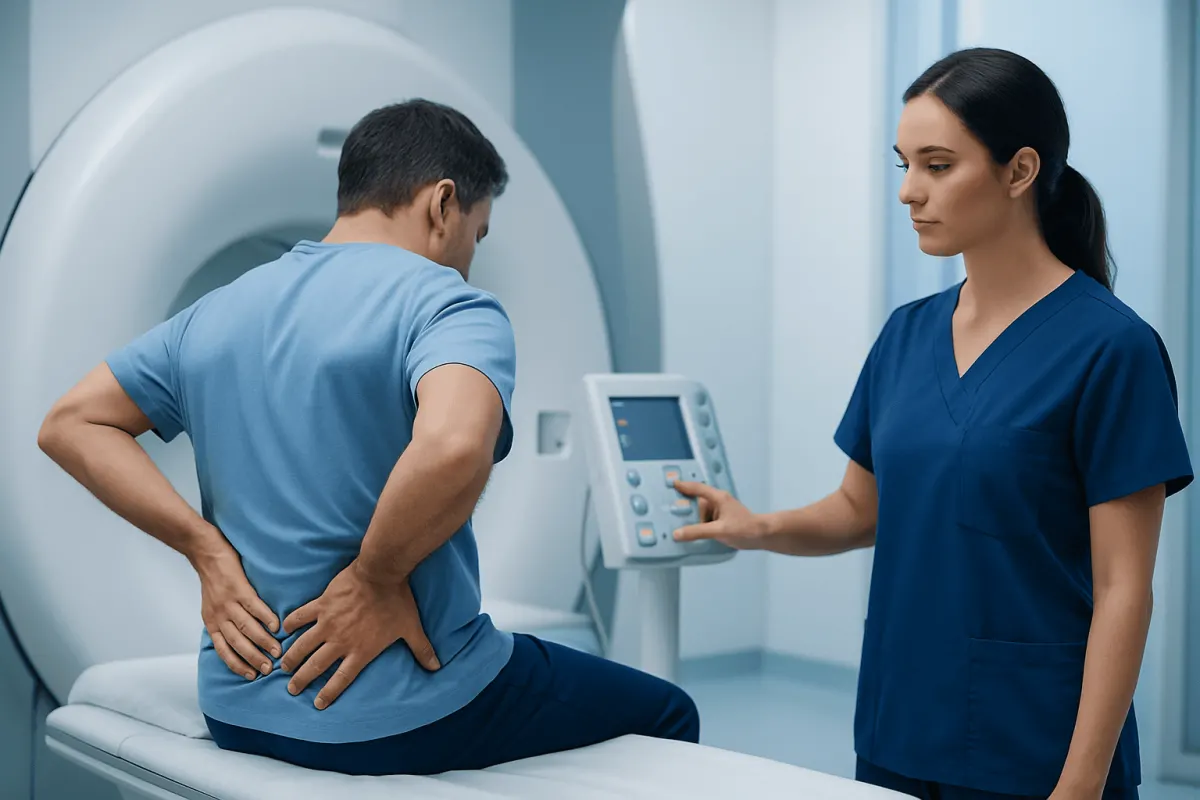
Not everyone needs imaging. Blood tests or urine tests may help identify infection, inflammation, pregnancy, or kidney-related concerns. Ultrasound can be useful for pelvic, pregnancy, urinary, or abdominal concerns. X-rays, CT scans, or MRI may be considered when there has been significant trauma, persistent symptoms, suspected nerve compression, or concern for a specific structural condition.
Treatment and Safe Self-Care
Treatment depends on the underlying cause. For a straightforward strain or nonspecific mechanical pain, clinicians often recommend staying gently active, avoiding prolonged bed rest, and gradually returning to normal activities. A warm pack may ease muscle tightness for some people. Light walking and carefully selected stretching or strengthening exercises may be useful when they do not increase pain.
Over-the-counter pain relief may be appropriate for some adults, but the safest choice depends on allergies, kidney disease, stomach ulcers, heart conditions, pregnancy, blood-thinning medicines, and other treatments. A pharmacist or clinician can advise on suitable options. It is important not to combine medicines or use them beyond label directions without professional guidance.
Physical therapy may help with persistent back, hip, or pelvic girdle symptoms by improving movement, strength, and activity tolerance. Treatment for urinary, digestive, or reproductive causes may involve targeted medicines, hormonal treatment, procedures, or specialist care. The correct treatment should follow a clear diagnosis whenever possible.
Acıbadem Health Point’s multidisciplinary specialists and JCI-accredited hospitals can assess lower back and pelvic symptoms and coordinate care for international patients when specialist evaluation is needed.
When to Seek Medical Care
Medical review is advisable when an ache in lower back and pelvis lasts longer than a few weeks, repeatedly returns, limits work, sleep, walking, or daily activities, or does not improve with reasonable self-care. An appointment is also appropriate when pain is accompanied by urinary symptoms, bowel changes, abnormal vaginal bleeding or discharge, pain during sex, unexplained weight loss, or a history of cancer, osteoporosis, immune suppression, or recent infection.
Urgent medical assessment is needed for sudden severe pelvic, abdominal, or back pain; fever or chills with pain; repeated vomiting; fainting; blood in urine or stool; or pain after a significant fall, collision, or other injury. A person who may be pregnant should seek urgent advice for pelvic pain with bleeding, dizziness, shoulder-tip pain, or severe one-sided pain.
Emergency care is needed if back pain occurs with new inability to pass urine, loss of bladder or bowel control, numbness around the genitals or inner thighs, or rapidly progressing weakness in one or both legs. These symptoms can indicate serious nerve compression and should not be managed at home.
Frequently asked questions
01Can an ache in the lower back and pelvis be caused by posture?
Yes. Prolonged sitting, standing asymmetrically, poor workstation setup, and repetitive bending can place strain on muscles and joints around the low back and pelvis. Improving movement breaks, ergonomics, and general conditioning may help, but persistent pain should still be assessed.
02Is lower back and pelvic pain normal during periods?
Mild cramping and low back aching can occur with menstruation. However, pain that is severe, worsening, occurs outside periods, interferes with usual activities, or is associated with heavy bleeding should be discussed with a clinician.
03Can a urinary tract infection cause lower back and pelvic pain?
Yes. A urinary tract infection may cause pelvic pressure or discomfort together with burning urination, urgency, or frequent urination. Fever, chills, flank pain, nausea, or feeling unwell may indicate a more serious infection and requires prompt assessment.
04Should a person rest in bed for lower back and pelvic pain?
Extended bed rest is generally not recommended for uncomplicated back pain because it can increase stiffness and reduce strength. Gentle movement within comfortable limits is often preferable, unless a clinician advises otherwise after assessing a specific injury or condition.
05When is lower back and pelvic pain an emergency?
Emergency assessment is needed for severe sudden pain, fainting, major injury, fever with severe illness, new leg weakness, numbness in the saddle area, or loss of bladder or bowel control. Possible pregnancy-related emergencies, including pain with bleeding or dizziness, also need urgent care.
06What tests may be needed for pain in the lower back and pelvis?
The tests depend on the symptoms and examination findings. A clinician may request urine or blood tests, pregnancy testing when relevant, ultrasound, or selected imaging such as X-ray, CT, or MRI. Imaging is not routinely needed for every episode of uncomplicated back pain.
This article is for general information only and is not a substitute for professional medical advice. Please consult a qualified doctor about your individual situation.
Persistent digestive symptoms? Get evaluated in Turkey
JCI-accredited · board-certified surgeons · reply within 24h
Add us as a Preferred Source to see more of our trusted health content across Google Search, AI Overviews and Discover.