

Ache Behind Left Breast: What You Need to Know
- 9 min read
- Published November 27, 2026
Key Takeaways
- Ache behind the left breast is not always a breast problem; it may come from the chest wall, heart, lungs, or digestive system.
- Pain that is pressure-like, spreads to the arm or jaw, or comes with shortness of breath needs urgent medical attention.
- Hormonal changes, muscle strain, reflux, anxiety, and injury are common non-cardiac causes of left-sided chest discomfort.
- A clinician may use history, examination, ECG, blood tests, imaging, or other studies to identify the source.
- Self-care can help some mild causes, but new, severe, or persistent symptoms should be assessed by a doctor.
An ache behind the left breast can have many causes, from muscle strain and acid reflux to heart-related conditions. Because the same symptom can mean very different things, the pattern of pain, associated symptoms, and personal risk factors matter.
Overview
An ache behind the left breast can be unsettling because the area contains structures that do not all hurt for the same reason. The discomfort may begin in the breast tissue itself, but it may also come from the chest wall, ribs, lungs, esophagus, or heart. That is why the same symptom can range from a harmless strain to a medical problem that deserves prompt attention.
For many people, the first question is whether the pain is “in the breast” or “in the chest.” In practice, that distinction is not always clear. Pain that feels deep, central, or just under the left breast is often described in everyday language as breast pain even when the source is nearby muscles, cartilage, or internal organs.
The most helpful clue is not only where the pain is felt, but how it behaves. A sharp pain that changes with movement may point toward the chest wall, while burning after meals may suggest reflux. Pressure, heaviness, tightness, or pain that spreads elsewhere deserves a more cautious approach, especially when it is new or unexplained.
Symptoms
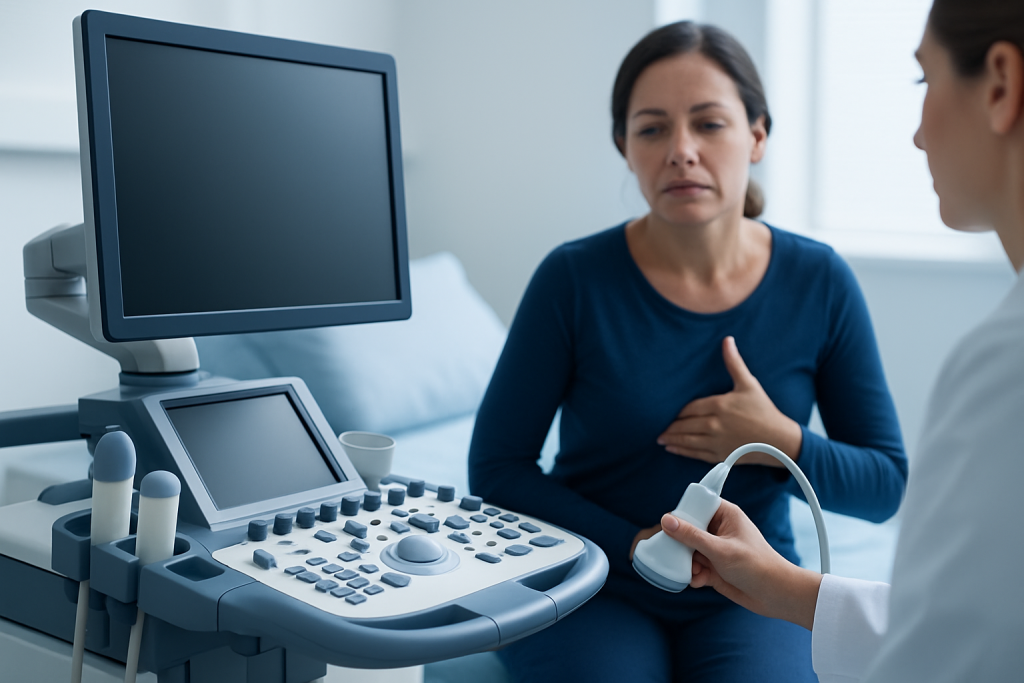
The sensation behind the left breast can be different from person to person. Some describe a dull ache, others a stabbing twinge, burning, soreness, tightness, or a feeling of fullness. It may happen only once, return in episodes, or linger for hours or days.
Symptoms that appear together often provide an important clue. For example, pain from the chest wall may worsen when the person presses on the area, twists, coughs, or takes a deep breath. Digestive discomfort may come with belching, a sour taste, or symptoms after eating. Heart-related pain may feel more like pressure or squeezing and may occur with shortness of breath, sweating, nausea, dizziness, or pain spreading to the shoulder, arm, back, neck, or jaw.
- Pain that changes with movement or touch
- Burning after meals or when lying down
- Tenderness under the breast or along the ribs
- Shortness of breath, palpitations, or lightheadedness
- Breast swelling, a lump, nipple changes, or skin redness
In some women, hormonal shifts around menstruation, pregnancy, or menopause can make breast tissue more sensitive. That type of discomfort is often bilateral, but it may be more noticeable on one side and still feel like it is behind the left breast.
Causes & Risk Factors
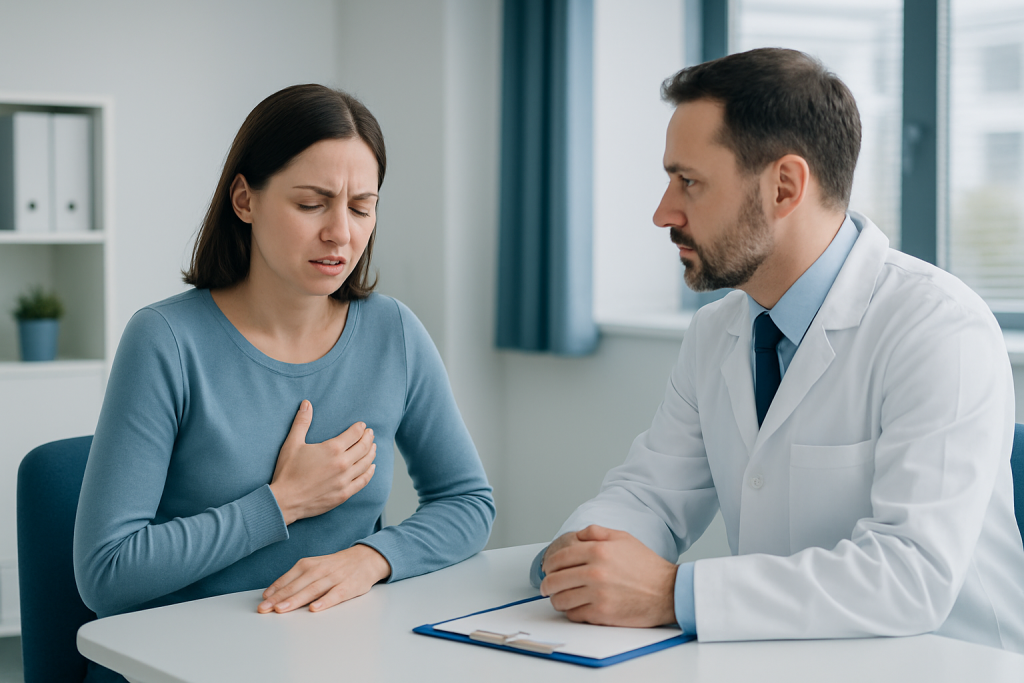
There is no single explanation for ache behind the left breast. One of the most common sources is the chest wall, where strained muscles, inflamed cartilage between the ribs, or minor injury can create pain that feels deep and localized. This discomfort often becomes more noticeable with posture changes, lifting, exercise, or direct pressure.
Breast-related causes also matter. Hormonal breast pain, a benign cyst, infection, or an inflammatory condition can produce tenderness and a heavy, aching feeling. In women who wear an underwire bra that fits poorly or have recently changed exercise routines, irritation of breast tissue and surrounding skin can add to the discomfort.
Not every cause is local. Acid reflux and other digestive conditions may cause burning or ache behind the left breast, especially after large meals or when lying flat. Anxiety can also intensify awareness of normal body sensations or trigger chest tightness. Less commonly, lung conditions, blood clots, or heart disease may present this way, which is why the symptom should not be assumed to be benign without considering the full picture.
Risk factors depend on the cause, but a careful review of personal and family history helps. A doctor will usually ask about age, smoking, high blood pressure, diabetes, high cholesterol, prior heart disease, recent travel or immobility, injury, pregnancy, use of hormonal medication, and any breast changes such as a lump or nipple discharge.
Diagnosis
Diagnosis starts with a detailed conversation. A clinician will usually ask when the pain began, exactly where it is felt, how it changes during the day, and whether anything brings it on or relieves it. That history often narrows the possibilities before any tests are done.
A physical examination can reveal whether the area is tender to touch, whether the pain seems related to breathing or movement, and whether there are visible breast changes, swelling, or skin inflammation. In some cases, the doctor may examine the heart and lungs, check the chest wall, and evaluate the abdomen if reflux or gallbladder-related pain is suspected.
Depending on the symptoms, tests may include an electrocardiogram, blood tests, chest X-ray, breast imaging, ultrasound, or other studies. If the pain might be heart-related, prompt cardiac evaluation is important. If the pain seems linked to the breast, age-appropriate breast imaging may be recommended to look for cysts, infection, or other structural changes.
When people travel for care, organized follow-up matters as much as the initial diagnosis. Reviewing previous records, bringing imaging reports, and having a clear plan for repeat tests or virtual follow-up can make evaluation smoother and reduce delays once the person returns home.
Treatment Options
Treatment depends entirely on the cause. Chest wall pain often improves with rest, avoiding strain, heat or cold packs, and gentle movement as advised by a clinician. If inflammation is involved, a doctor may suggest general pain-relief measures or anti-inflammatory treatment, but the choice should be guided by medical history and other conditions.
Hormonal breast pain may respond to supportive bras, reducing triggers that worsen tenderness, and tracking whether symptoms follow the menstrual cycle. For cysts, infection, or other breast conditions, treatment may range from observation to medication or procedures. If reflux is the source, dietary changes and reflux management may help.
Heart-related pain is treated very differently and should never be self-managed at home if the symptoms suggest a cardiac cause. In that setting, the priority is rapid assessment and targeted treatment. That is one reason clinicians take left-sided chest discomfort seriously even when the person is young or otherwise healthy.
For patients seeking care from another country, a well-planned pathway can be reassuring. At Acibadem Health Point, multidisciplinary specialists and JCI-accredited hospitals diagnose and treat this condition for Myomectomy Recovery for International Patients: The Usual Travel Timeline" class="ahp-ilk">international patients, with coordinated evaluation when several possible causes need to be distinguished.
Prevention & Self-care
Not every episode can be prevented, but a few habits may reduce recurring discomfort. Supportive clothing, posture awareness, gradual warm-up before exercise, and pacing heavy lifting can lessen chest wall strain. If the pain seems tied to digestion, smaller meals, avoiding late-night eating, and noting trigger foods may help.
Keeping a symptom diary can be surprisingly useful. Recording the time, location, quality of pain, relation to periods or meals, and any associated symptoms can help a clinician distinguish breast pain from chest wall, digestive, or cardiac causes. For international patients, photographs of visible breast changes and a list of current medicines can also help during remote review or after travel.
General heart-health measures are worth practicing even if the pain turns out not to be cardiac. Regular activity, blood pressure control, healthy cholesterol and glucose management, smoking avoidance, and attention to sleep and stress all support long-term wellbeing. These steps do not replace medical evaluation when symptoms are concerning, but they can be part of a broader preventive plan.
When to See a Doctor
Medical evaluation is appropriate for any new, persistent, or unexplained ache behind the left breast, especially if it keeps returning or interferes with daily activity. It is also wise to seek care if the pain is associated with a new breast lump, nipple discharge, skin dimpling, redness, warmth, fever, or swelling.
Urgent assessment is important if the discomfort feels like pressure, squeezing, or heaviness, or if it comes with shortness of breath, fainting, nausea, sweating, palpitations, or pain spreading to the arm, back, neck, or jaw. A sudden, severe pain that worsens with breathing or follows injury also needs prompt attention.
People with heart risk factors, a history of clotting problems, recent surgery, long travel, pregnancy, or hormonal therapy should be especially attentive to new chest symptoms. Even when the cause ends up being non-serious, getting the correct diagnosis early can prevent unnecessary worry and help the person recover more quickly.
Frequently asked questions
01Is ache behind the left breast always a heart problem?
No. It can come from the chest wall, breast tissue, reflux, anxiety, lung conditions, or the heart. The pattern of pain and any accompanying symptoms help a doctor judge how urgent it is.
02How can someone tell if the pain is coming from the breast or the chest wall?
Breast or chest wall pain often changes with touch, movement, posture, or breathing. Breast tenderness may also follow the menstrual cycle or come with visible breast changes, while chest wall pain is often reproducible when the area is pressed.
03Can acid reflux feel like pain behind the left breast?
Yes. Reflux can cause burning, pressure, or ache in the center or left side of the chest, especially after meals or when lying down. A clinician can help distinguish it from other causes if the symptoms are new or recurring.
04What symptoms make the situation more urgent?
Pressure-like pain, shortness of breath, sweating, nausea, dizziness, fainting, or pain spreading to the arm, jaw, back, or neck should be checked urgently. These signs can point to a heart-related problem and should not be ignored.
05What tests might a doctor order?
Depending on the symptoms, a doctor may recommend an ECG, blood tests, chest imaging, breast imaging, or an ultrasound. The exact choice depends on whether the pain seems more likely to come from the heart, lungs, breast, or chest wall.
06Can stress or anxiety cause ache behind the left breast?
Yes, stress and anxiety can cause chest tightness, muscle tension, or heightened awareness of body sensations. Even when stress seems likely, new or severe symptoms still deserve medical assessment to rule out other causes.
This article is for general information only and is not a substitute for professional medical advice. Please consult a qualified doctor about your individual situation.
Persistent digestive symptoms? Get evaluated in Turkey
JCI-accredited · board-certified surgeons · reply within 24h
Add us as a Preferred Source to see more of our trusted health content across Google Search, AI Overviews and Discover.



How can we help you today?
Meet an Acibadem specialist by secure video, before you travel.
Book a video visit