Period Blood Clots: Causes and When to Worry

Key Takeaways
- Small clots during a period are often normal, especially on the heaviest days.
- Frequent, large, or very painful clots can be a sign of heavy menstrual bleeding.
- Hormonal changes, fibroids, polyps, and other conditions may contribute to clotting.
- Diagnosis may include a history review, pelvic exam, blood tests, and imaging.
- Treatment depends on the cause and may include medication or a procedure.
- Seek medical advice if bleeding is soaking through products quickly, lasts unusually long, or causes weakness or dizziness.
Period blood clots are often a normal part of menstruation, especially on heavier days when blood flows faster than the body can break it down. In some cases, however, frequent or large clots can point to heavy menstrual bleeding or an underlying gynecologic condition that deserves medical attention.
Overview
Period blood clots are thicker pieces of menstrual blood that can appear during a period, often on days when bleeding is strongest. They form when the lining of the uterus sheds more quickly than the body’s natural clot-dissolving process can keep up.
For many people, small clots are a normal part of menstruation and do not mean something is wrong. The pattern becomes more important than the clot itself: a change in flow, clot size, pain, cycle length, or overall bleeding can offer useful clues about whether the period is within a typical range.
In a medical visit, the focus is usually not on the clot as a separate problem, but on what it may be saying about the menstrual cycle. That broader view is especially helpful for people who are deciding whether to seek care locally or travel for a specialist opinion, because the right next step depends on the cause rather than the appearance of the clot alone.
Symptoms
Clots may look dark red or maroon and can range from tiny, jelly-like pieces to larger, more noticeable masses. They are most often seen on the heaviest days of a period, when blood pools in the uterus or vagina for a short time before being expelled.
Clots become more medically relevant when they appear alongside signs of heavy menstrual bleeding. That can include soaking through pads or tampons quickly, needing to change protection during the night, bleeding for longer than usual, or passing clots repeatedly over several cycles.
- Bleeding that feels heavier than a person’s usual pattern
- Periods that last longer than expected
- Pelvic cramping or pressure
- Fatigue, shortness of breath, or low energy from possible anemia
- Dizziness or weakness during menstruation
Not every clot means there is a disease, but new symptoms or a clear change from a person’s normal cycle are worth discussing with a clinician.
Causes & Risk Factors

The most common reason for clots is simply a heavier flow. When the uterine lining sheds more quickly than the body can process it, blood can collect and partially clot before leaving the body.
Hormonal imbalance is another frequent contributor. When estrogen and progesterone levels are not in the usual range, the uterine lining may become thicker than expected, which can lead to a heavier period and more clotting.
Several gynecologic conditions can also be involved, including uterine fibroids, endometrial polyps, adenomyosis, and endometriosis. Less commonly, clotting disorders, thyroid problems, pelvic infection, pregnancy-related bleeding, or certain medicines may affect menstrual flow.
Risk is often higher in people who have recently started menstruating, are approaching menopause, or have a personal or family history of heavy periods. Because causes overlap, an accurate history is usually more informative than trying to judge the issue from clot size alone.
Diagnosis
Diagnosis usually begins with a careful conversation about the menstrual pattern. A clinician may ask how long periods last, how often protection needs changing, whether clots are becoming larger or more frequent, and whether there are symptoms such as pain, fatigue, or irregular cycles.
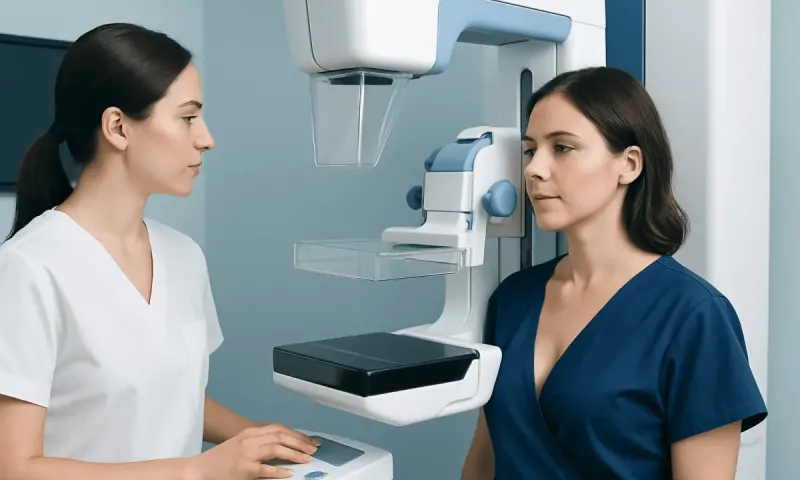
A pelvic exam may be recommended, depending on age, symptoms, and medical history. Blood tests can help check for anemia, thyroid changes, pregnancy if relevant, or clotting concerns when the story suggests them.
Imaging, especially pelvic ultrasound, is often used when a structural cause such as fibroids or polyps is suspected. In some cases, additional testing may be needed to look more closely at the uterine lining. For Myomectomy Recovery for International Patients: The Usual Travel Timeline" class="ahp-ilk">international patients, bringing prior test results, procedure notes, or medication lists can make diagnosis smoother, particularly if care started in another country.
Treatment Options
Treatment is tailored to the cause, the amount of bleeding, and whether the person wants future fertility. Some people need only reassurance and monitoring, while others benefit from medication or a procedure to address the underlying issue.
Medical options may include medicines that help reduce menstrual bleeding or regulate hormones. If anemia is present, iron replacement may be recommended, along with follow-up blood tests to track recovery. When fibroids, polyps, or other uterine changes are driving the bleeding, a specialist may discuss minimally invasive procedures or surgery.
The best treatment plan usually balances symptom relief, safety, and lifestyle. For someone traveling for care, it can help to discuss the expected recovery time, follow-up needs, and whether any treatment can be continued safely once the patient returns home.
- Hormonal treatment to stabilize the uterine lining
- Non-hormonal medicines to reduce menstrual blood loss
- Iron therapy if anemia is detected
- Procedures for fibroids, polyps, or other structural causes
- Individualized follow-up to monitor response
Prevention & Self-care
Not every cause of period blood clots can be prevented, but some habits can make symptoms easier to track and manage. Keeping a simple cycle log can help identify whether clotting is occasional or part of a recurring pattern.
Staying hydrated, eating a balanced diet, and paying attention to iron intake may be useful, particularly when periods are heavy. If a clinician has advised iron supplements, they should be taken consistently and reviewed as directed.
It also helps to note the details that matter during a consultation: cycle length, clot size, number of pads or tampons used, pain level, and any missed days from work or travel. These practical details can guide decisions more accurately than memory alone, especially when care is coordinated across borders.
- Track periods with dates and symptom notes
- Use menstrual products that allow close monitoring of flow
- Rest when bleeding is heavy and fatigue is noticeable
- Follow the prescribed plan for any medication or iron therapy
- Keep copies of reports if care is shared between countries
When to See a Doctor
Medical evaluation is sensible if clots are new, getting larger, or happening with increasingly heavy bleeding. It is also important to seek advice if periods interfere with daily activities, travel plans, or sleep because the bleeding is so heavy or prolonged.
Prompt assessment is especially helpful if there are signs of anemia, such as unusual fatigue, pale skin, shortness of breath, or lightheadedness. A clinician should also be contacted if there is severe pelvic pain, bleeding after sex, bleeding between periods, or any chance of pregnancy.
Urgent care may be needed if bleeding is soaking through one pad or tampon after another in a short period, or if there is fainting or marked weakness. For patients considering treatment abroad, a specialist review can clarify whether the issue is likely to be managed with medication, imaging, or a procedure. At Acibadem Health Point, multidisciplinary specialists in JCI-accredited hospitals diagnose and treat menstrual bleeding concerns for international patients.
Living With the Condition
When period blood clots are linked to an ongoing cause, the goal is usually long-term control rather than a one-time fix. That may mean adjusting treatment, checking blood counts again, or reviewing imaging if symptoms change over time.
Most people do best when they understand their own bleeding pattern and know what is normal for them. Once that baseline is clear, it becomes easier to notice a meaningful change early and seek help before heavy bleeding leads to exhaustion or disrupted routines.
With the right evaluation, period clots can often be explained and managed in a straightforward way. A careful approach can reduce worry, protect overall health, and help patients make informed decisions about care wherever they are receiving it.
Frequently asked questions
01Are period blood clots normal?
Small clots can be normal during menstruation, especially on the heaviest days. They usually happen when blood leaves the uterus faster than the body can fully break it down. The concern rises when clots are large, frequent, or accompanied by unusually heavy bleeding.
02What size clot is considered concerning?
There is no single size that applies to everyone, but clots that are consistently large or that appear repeatedly with heavy flow deserve attention. A change from a person’s usual pattern is often more important than an exact measurement. A doctor can help decide whether the bleeding is within a typical range.
03Can fibroids cause period clots?
Yes, fibroids are a common cause of heavier menstrual bleeding and clotting. They can change how the uterus contracts and how the lining sheds. An ultrasound is often used to look for them when symptoms suggest a structural cause.
04Do period clots mean infertility?
Not necessarily. Clots themselves do not cause infertility, and many people who pass clots have normal fertility. The underlying condition, if there is one, is what matters most, so it is worth identifying the cause when periods change significantly.
05What tests might be done for heavy periods with clots?
Common tests include blood work to check for anemia and other causes, along with imaging such as a pelvic ultrasound. Depending on age and symptoms, a clinician may also consider pregnancy testing or evaluation of the uterine lining. The exact workup depends on the clinical story.
06Can lifestyle changes reduce clotting?
Lifestyle changes can support overall menstrual health, but they do not fix every cause of clotting. Tracking cycles, maintaining good nutrition, and following any prescribed treatment can help symptoms feel more manageable. If bleeding is heavy, medical treatment is usually more effective than self-care alone.
This article is for general information only and is not a substitute for professional medical advice. Please consult a qualified doctor about your individual situation.
Explore treatments in Turkey — costs, top hospitals & a free quote
JCI-accredited · board-certified surgeons · reply within 24h
Add us as a Preferred Source to see more of our trusted health content across Google Search, AI Overviews and Discover.