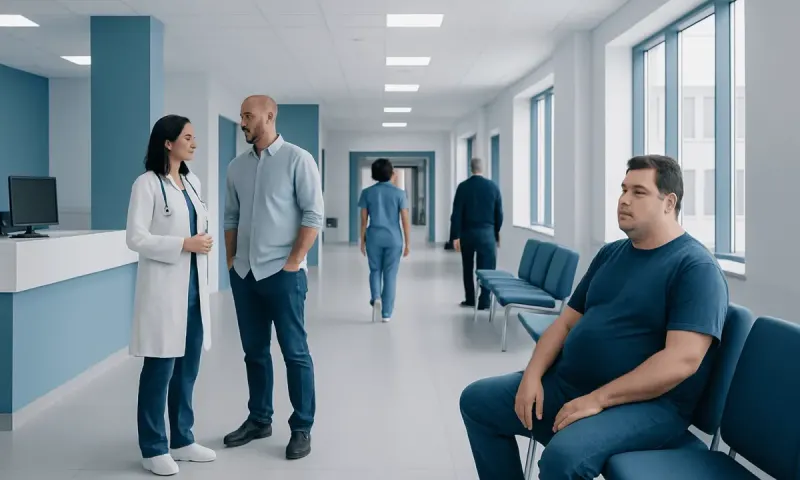
Accessory Breast Tissue Surgery: Scars, Recovery, and Daily Comfort

Accessory breast tissue surgery is performed to remove extra breast tissue that commonly appears in the underarm area and may cause discomfort, swelling, or self-consciousness. Most people recover well with temporary soreness and a scar that usually becomes less noticeable as healing progresses.
Overview
Accessory breast tissue surgery is a procedure to remove extra breast tissue that develops outside the usual breast area. This tissue most often appears in the armpit, but it can occur anywhere along the so-called milk line, which extends from the underarm to the groin. Some people notice it as a soft fullness, while others experience tenderness, swelling, or a visible bulge that becomes more noticeable with certain clothing.
Accessory breast tissue is not unusual and may be present from birth, even if it becomes more obvious later in life. Hormonal changes during puberty, pregnancy, breastfeeding, or the menstrual cycle can make it enlarge or feel more sensitive. In some people it remains mild and does not need treatment, while in others it affects comfort, confidence, or daily activities.
Surgery is generally considered when the tissue causes persistent discomfort, irritation, asymmetry, or concerns about body contour. Depending on the amount and type of tissue present, treatment may involve direct surgical removal, liposuction, or a combination of both. Patients exploring accessory breast treatment are usually looking for both symptom relief and a smoother contour.
Symptoms and Daily Comfort Issues
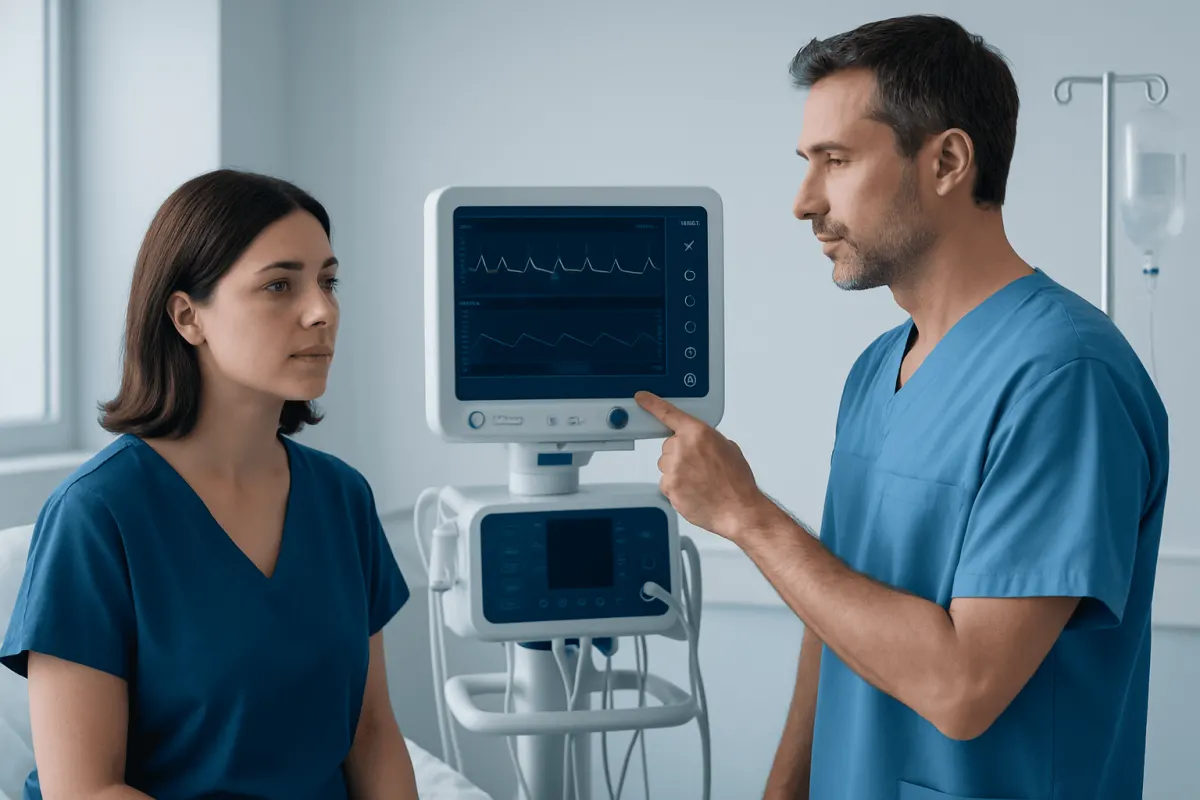
Many people seek care because accessory breast tissue causes practical day-to-day problems. Common complaints include rubbing in the underarm, discomfort when the arm moves, difficulty finding well-fitting bras or tops, and visible fullness in sleeveless or fitted clothing. Some patients also report a sense of heaviness or tightness, especially if the tissue is larger.
Symptoms may fluctuate with hormones. The area can become more swollen, tender, or lumpy around menstruation, during pregnancy, or while breastfeeding. This can make exercise, shaving, and skin care in the underarm region uncomfortable. Repeated friction may also irritate the skin.
Not every underarm bulge is accessory breast tissue. Similar fullness can sometimes be caused by fat deposits, enlarged lymph nodes, cysts, or other benign conditions. That is why proper assessment matters before any procedure is planned.
- Visible or palpable fullness near the armpit
- Tenderness or swelling that changes with hormones
- Skin irritation from rubbing or sweating
- Discomfort during exercise or arm movement
- Difficulty with clothing fit or bra support
Why It Happens and Who May Consider Surgery

Accessory breast tissue forms during fetal development when tissue along the milk line does not completely regress. It is a developmental variation rather than something caused by lifestyle. Some people have only glandular tissue, while others have a mix of glandular tissue and fat. In a smaller number of cases, there may also be a nipple or areola-like structure.
People often consider surgery when symptoms persist or the area becomes more prominent over time. Hormonal changes can increase size and sensitivity, and weight changes may make the fullness more noticeable. Surgery may also be discussed when the tissue creates asymmetry or a contour concern that affects confidence.
Evaluation by an experienced surgeon is important because treatment should match the underlying tissue type. A soft fatty fullness may be treated differently from denser glandular tissue. In some cases, people comparing options for chest contour concerns may also read about related conditions such as gynecomastia, although the diagnosis and treatment plan are different.
For broader contour goals, accessory tissue removal may sometimes be considered alongside other aesthetic planning, such as body contouring or breast aesthetic procedures, when this is medically appropriate and discussed carefully with a surgeon.
Diagnosis and Preoperative Assessment
Diagnosis usually begins with a medical history and physical examination. The doctor asks when the fullness was first noticed, whether it changes with menstrual cycles or pregnancy, and whether there is pain, discharge, or rapid growth. The physical exam helps determine whether the area is likely fatty tissue, glandular tissue, or another type of lump.
Imaging may be recommended in some cases, especially if the diagnosis is not fully clear or if there is a distinct mass. Ultrasound is commonly used, and mammography or other imaging may be considered depending on age, symptoms, and medical history. This helps make sure the treatment plan is appropriate and that other causes of swelling are not missed.
Before surgery, the surgeon explains the likely incision placement, the expected scar, and whether liposuction, excision, or a combined technique would provide the best result. Patients are also asked about medications, smoking, past scarring problems, and any history of thick or raised scars such as keloid scars. Good planning helps improve both safety and cosmetic outcome.
Treatment Options and What Surgery Involves
Treatment depends on symptoms, tissue composition, and the desired contour. If the fullness is mainly fatty, liposuction may help reduce volume through very small access points. If there is dense glandular tissue or loose skin, direct excision is often more effective. Many patients benefit from a combined approach, which allows the surgeon to remove firm tissue while also smoothing the surrounding area.
The procedure is typically performed under local anesthesia with sedation or general anesthesia, depending on the extent of surgery and the treatment plan. The surgeon aims to place the incision where it can be concealed as much as possible, often within a natural crease of the underarm. The removed tissue may be sent for routine laboratory examination according to the surgeon’s practice and clinical findings.
Patients should understand that the goal is improvement, not absolute perfection. Removing accessory tissue can reduce bulging and discomfort, but there may still be normal asymmetries in the body. A careful discussion before surgery helps create realistic expectations about shape, scar position, and healing.
Some people are evaluated within a wider aesthetic surgery plan and may discuss cosmetic surgery options if they have additional concerns. However, accessory breast tissue surgery is planned on its own merits and should be tailored to the individual’s anatomy and symptoms.
Scars, Healing, and Recovery
Scarring is a common concern, especially because the underarm is a mobile area where skin stretches and rubs. Most scars start out pinker or firmer, then gradually soften and fade over several months. The final appearance depends on factors such as incision length, skin type, genetics, wound care, and whether there was tension on the incision during healing.
Recovery usually involves mild to moderate soreness, swelling, bruising, and a feeling of tightness when moving the arm. Many people return to light daily activities within a few days, but strenuous exercise, heavy lifting, and vigorous arm movements may need to wait for several weeks, depending on the surgeon’s advice. A compression garment or supportive dressing may be recommended to help control swelling and support the new contour.
Proper aftercare is important. Keeping the incision clean and dry, following dressing instructions, and attending follow-up visits can reduce the chance of complications. Once the wound has closed, the surgeon may suggest scar care such as silicone gel or sheets, sun protection, and gentle massage if appropriate. These steps can help the scar mature more favorably over time.
Possible complications include fluid collection, infection, bleeding, numbness, contour irregularity, delayed wound healing, and more visible scarring. Although serious problems are uncommon, patients should contact their doctor promptly if they develop increasing redness, fever, severe swelling, or worsening pain rather than gradual improvement.
Self-care, Results, and When to See a Doctor
Before surgery, practical self-care can sometimes lessen irritation. Wearing supportive, non-rubbing clothing, choosing breathable fabrics, and avoiding repeated friction may improve comfort. If the area becomes cyclically tender, noting when symptoms occur can help during medical assessment.
After surgery, it helps to rest, stay hydrated, eat balanced meals, and avoid smoking if possible, since smoking can slow wound healing. Patients should follow activity restrictions carefully and avoid stretching the incision too early. Even when people feel better quickly, internal healing continues for weeks.
Long-term results are often satisfying when the extra tissue is fully addressed and healing goes well. The contour usually improves as swelling settles, though final results may take time to become clear. If a person notices a new lump, persistent pain, discharge, or a change in the opposite side, it is important to seek medical advice rather than assuming it is normal.
A doctor should evaluate any underarm or breast-area fullness that is new, enlarging, hard, or associated with skin changes. People considering surgery should also seek specialist advice if the tissue interferes with comfort, movement, clothing, or self-confidence. Near the end of the treatment journey, some international patients may choose centers such as Acıbadem Health Point, where multidisciplinary specialists in JCI-accredited hospitals diagnose and treat accessory breast concerns.
Frequently asked questions
01What is accessory breast tissue?
Accessory breast tissue is extra breast tissue that develops outside the usual breast area, most commonly in the armpit. It may contain fat, glandular tissue, or both, and it can become more noticeable with hormonal changes.
02Is accessory breast tissue surgery only cosmetic?
Not always. Many people choose surgery because of physical discomfort, skin irritation, swelling, or difficulty with movement and clothing, in addition to appearance concerns. The reason for treatment is often a combination of comfort and contour.
03Will there be a scar after accessory breast tissue surgery?
Yes, any incision can leave a scar. Surgeons usually try to place scars as discreetly as possible, and most scars gradually soften and fade, although the final appearance varies from person to person.
04How long does recovery take?
Initial recovery is often measured in days to a couple of weeks, but complete healing takes longer. Swelling and firmness can improve gradually over several weeks to months, and activity restrictions may apply during the early healing phase.
05Can accessory breast tissue come back after surgery?
If the tissue is fully removed, it usually does not return in the same way. However, body weight changes, hormonal changes, or residual tissue can affect the contour, so follow-up with the surgeon is important if concerns remain.
06How do doctors confirm that the underarm fullness is accessory breast tissue?
Doctors start with a history and physical examination and may order imaging such as ultrasound when needed. This helps distinguish accessory breast tissue from other causes of a lump or swelling, such as a cyst, lymph node, or fatty tissue.
This article is for general information only and is not a substitute for professional medical advice. Please consult a qualified doctor about your individual situation.
Explore treatments in Turkey — costs, top hospitals & a free quote
JCI-accredited · board-certified surgeons · reply within 24h
Add us as a Preferred Source to see more of our trusted health content across Google Search, AI Overviews and Discover.