FUT Hair Transplant: From Donor Strip to Growth
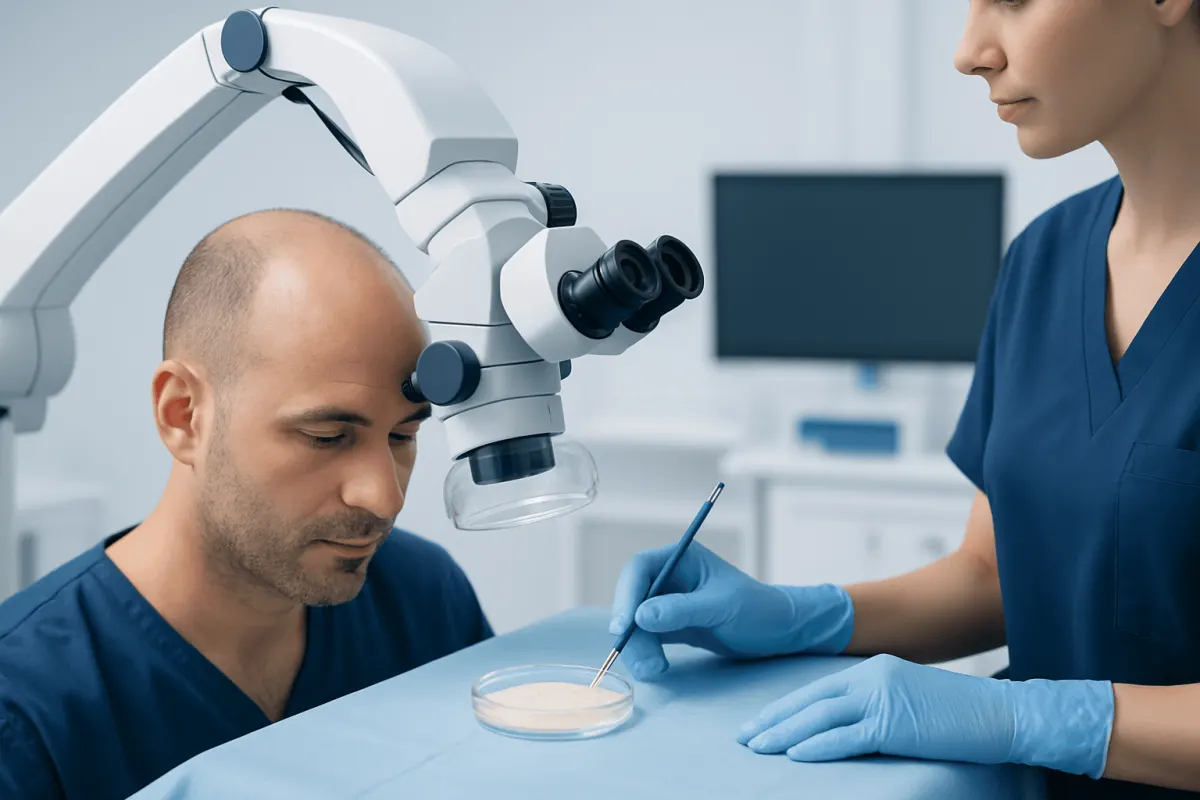
A FUT hair transplant is a surgical hair restoration method that transfers follicular units from a strip of donor scalp to areas of thinning. It can provide lasting coverage for suitable candidates, but recovery, scarring, and long-term hair-loss planning should be discussed carefully with a qualified specialist.
FUT Hair Transplant Overview
A FUT hair transplant, short for follicular unit transplantation, is a surgical procedure that relocates naturally occurring groups of hair follicles from a donor area to areas affected by thinning. The donor hair is usually taken from the back or sides of the scalp, where follicles may be more resistant to pattern hair loss. The procedure is also commonly called strip hair transplantation because it involves removing a narrow strip of scalp tissue.
After the strip is removed, it is carefully divided into follicular units containing one to several hairs. These units are placed into tiny recipient sites created in the thinning area, with attention to hair direction, angle, and distribution. The donor area is closed with sutures or staples, leaving a linear scar that is usually covered by surrounding hair but may be visible with very short hairstyles.
FUT can be an option for people with pattern hair loss and an adequate supply of stable donor hair. It does not stop future loss of the person’s existing, non-transplanted hair, so long-term planning is important. A medical assessment is also useful because sudden, patchy, or inflamed hair loss may need diagnosis and treatment before considering transplantation.
How FUT Works and Who May Be a Candidate
FUT works on the principle that donor follicles generally retain many of their original growth characteristics after being moved. A surgeon harvests a strip from the donor region, and a trained team separates it into small grafts under magnification. The surgeon then places these grafts in a planned pattern that aims to create appropriate coverage and a natural-looking hairline for the individual.
Good candidates commonly have stable or reasonably predictable pattern hair loss, sufficient donor density, and realistic expectations about coverage. FUT may be considered by men and women, especially when a larger number of grafts is needed and a linear donor scar is acceptable. People who wear their hair very short may prefer to discuss whether another harvesting method would better suit their hairstyle goals.
- Hair loss cause and pattern
- Donor hair density, quality, and scalp laxity
- Current medical conditions, smoking status, and medicines
- Personal and family history of progressive hair loss
- Willingness to follow aftercare and accept a linear scar
A specialist should examine the scalp and review the person’s health history before recommending surgery. Active scalp infection, uncontrolled skin disease, certain scarring hair-loss conditions, or very limited donor hair may affect suitability. Younger people with rapidly progressing hair loss may benefit from a longer-term treatment plan before surgery is considered.
What Happens During FUT Hair Transplant Surgery
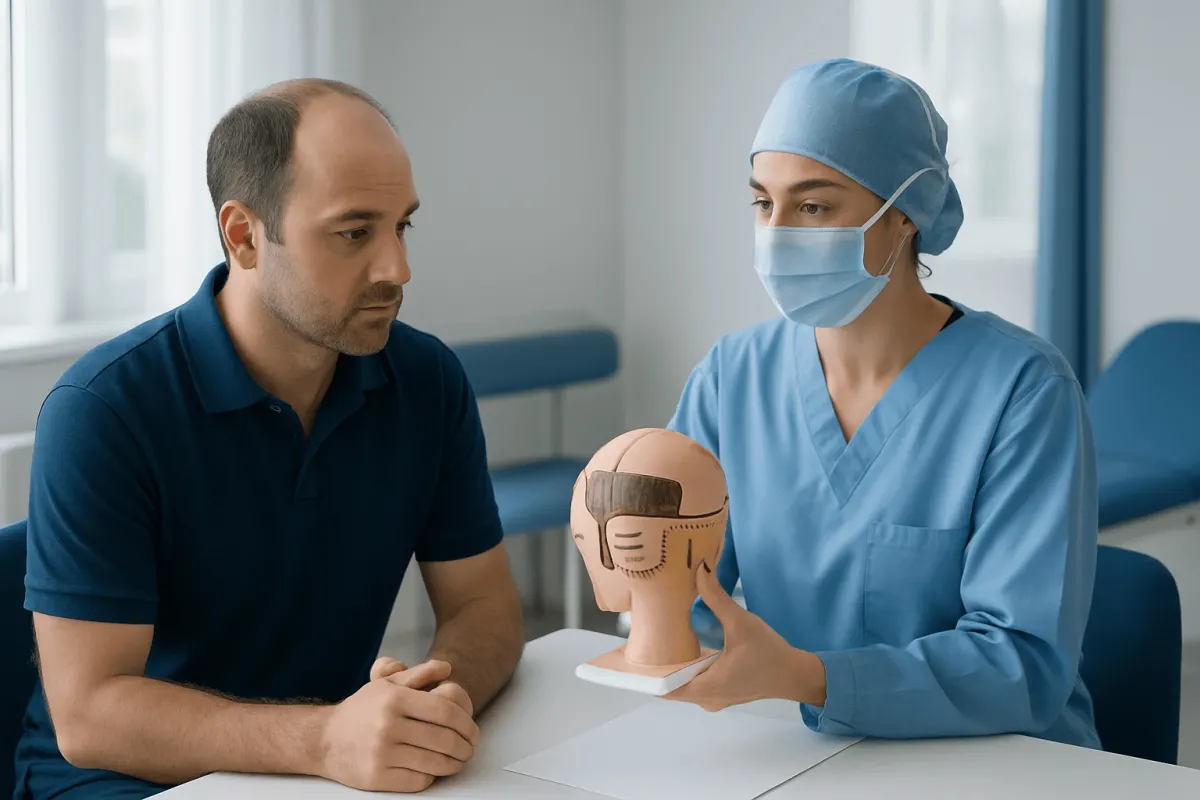
The process starts with a consultation and treatment plan. The clinician assesses the donor area, the pattern of thinning, hair caliber, and the desired hairline or coverage. Photographs may be taken for planning and later comparison. Any medicines, supplements, allergies, and conditions that could affect healing or bleeding should be discussed; prescribed medicines should not be stopped without advice from the prescribing clinician.
On the procedure day, the scalp is usually numbed with local anesthetic. The surgeon removes a carefully planned strip of donor scalp and closes the donor incision. The strip is then prepared into individual follicular-unit grafts while the surgeon creates small recipient sites in the areas of thinning.
The grafts are placed according to the treatment plan, with finer single-hair grafts often used around the hairline and larger units used to build density behind it. A FUT procedure typically takes several hours, depending on the number of grafts, scalp characteristics, and whether other procedures are performed. It is commonly done as an outpatient procedure, followed by written instructions and scheduled follow-up for wound checks and removal of sutures or staples when appropriate.
How Long Does a FUT Hair Transplant Take to Heal?
The initial healing phase after a FUT hair transplant usually takes around one to two weeks. Small crusts around the implanted grafts commonly loosen and shed during this period, while the donor incision begins to close. Mild swelling, tightness, tenderness, itching, or reduced sensation around the donor area can occur early in recovery and generally improve over time.
Sutures or staples are often removed at a follow-up appointment, commonly within the first couple of weeks, although the exact timing depends on the closure method and the surgeon’s assessment. The donor scar continues to mature for months. Some people notice temporary numbness or sensitivity around the incision for several weeks or longer as the scalp recovers.
Gentle scalp care is important during early healing. Patients should follow their surgical team’s instructions about washing, avoiding rubbing or picking at grafts, sun exposure, headwear, exercise, and return to work. These instructions may differ depending on the size of the procedure and each person’s healing progress.
How Long Does FUT Take to Heal?
The answer depends on what healing means to the individual. Many people feel comfortable returning to non-strenuous daily activities within several days, although visible redness, scabbing, or swelling may take longer to settle. The donor incision and recipient sites need more protection during the first one to two weeks, when accidental rubbing, strenuous activity, or friction can interfere with comfort and healing.
Hair growth recovery takes much longer than skin healing. The transplanted hair shafts often shed within the first several weeks after surgery, which is a common part of the growth cycle and does not necessarily mean the grafts have been lost. Early new growth may become noticeable after several months, then gradually becomes thicker and more visible.
Results are generally assessed over many months rather than days or weeks. A more mature appearance may take about a year, and in some cases longer, particularly in areas requiring density or where hair grows slowly. The appearance of the donor scar also continues to improve as it settles, though it remains permanent.
How Successful Is a FUT Hair Transplant?
A FUT hair transplant can be successful when healthy grafts grow in the intended area, the design suits the person’s facial features and pattern of hair loss, and expectations are realistic. There is no single success rate that applies to everyone because studies and clinics may define success differently. The final appearance depends on both graft survival and how naturally the hairline, density, and future hair-loss pattern are managed.
Important factors include donor hair availability, the underlying cause of hair loss, careful graft handling, recipient-site planning, wound healing, and adherence to aftercare. The skill and experience of the surgical team are especially important for creating an appropriate angle and distribution of transplanted hairs. Smoking and some health conditions can affect wound healing and should be discussed before surgery.
Transplanted donor hair may continue to grow for many years, but surrounding native hair can still thin over time. A clinician may recommend a separate medical plan to help manage ongoing pattern hair loss where suitable. Since growth is gradual, results should not be judged too early; follow-up helps the surgeon assess progress and discuss future options if needed.
How to Sleep After a FUT Hair Transplant?
For the first several nights after FUT, patients are commonly advised to sleep on their back with the head slightly elevated, if this is comfortable and consistent with their surgeon’s instructions. Elevation can help limit swelling, while a back-sleeping position reduces the chance of rubbing newly placed grafts against a pillow.
Sleeping face down, or in a position that puts direct pressure on the recipient area, should usually be avoided during the early recovery period. A clean pillowcase and a protected sleeping environment can reduce friction and help prevent accidental contact with the scalp. The donor area may feel tight, so some people find a reclined position more comfortable for a short time.
Patients should not use alcohol, non-prescribed sedatives, or sleep medicines to manage discomfort without clinical advice. If pain, swelling, bleeding, or anxiety makes sleep difficult, the surgical team can advise on safe next steps. Individual instructions should always take priority because the location of grafts and donor incision can vary.
FUT Hair Transplant Benefits, Risks and When to Seek Medical Care
A potential benefit of FUT is that it can provide a substantial number of follicular-unit grafts in one session for appropriately selected patients. It may also allow the surgeon to avoid shaving a broad donor area in some cases. The main trade-off is the linear scar at the donor site, so treatment planning should consider current and future hairstyle preferences, donor supply, and the likelihood of ongoing hair loss.
Possible side effects and complications include temporary swelling, discomfort, itching, numbness, bleeding, infection, delayed healing, shock loss of nearby native hairs, visible or widened scarring, and less growth or density than expected. Rarely, hair direction or hairline design may not meet expectations. Reviewing these possibilities before surgery helps patients make an informed decision and recognize when follow-up is needed.
- Contact the surgical team promptly for increasing redness, warmth, worsening pain, persistent bleeding, pus-like drainage, fever, or a spreading rash.
- Seek urgent medical help for breathing difficulty, facial swelling with signs of a severe allergic reaction, or other rapidly worsening symptoms.
- Arrange medical assessment before surgery for sudden hair shedding, patchy loss, scalp scaling, pain, or inflammation, as these may point to another condition.
For international patients, Acıbadem Health Point’s multidisciplinary specialists and JCI-accredited hospitals can assess causes of hair loss and discuss surgical treatment options where appropriate. A qualified clinician can also help compare FUT with other hair restoration approaches and recommend a plan based on individual goals and medical needs.
Frequently asked questions
01What is the difference between FUT and FUE?
FUT removes a narrow strip of donor scalp, which is then divided into follicular-unit grafts. FUE removes individual follicular units directly from the donor area. FUT leaves a linear scar, while FUE leaves many small dot-like scars, and the best option depends on donor hair, hairstyle preferences, and treatment goals.
02Will a FUT hair transplant leave a scar?
Yes. Because FUT involves removing and closing a strip of scalp, it leaves a linear scar in the donor area. Its visibility varies with healing, scalp tension, hair length, surgical technique, and individual scar characteristics.
03Is FUT hair transplant surgery painful?
The scalp is usually numbed during the procedure, so pain should be limited while surgery is taking place. Some soreness, tightness, and tenderness can occur afterward, particularly around the donor incision. The surgical team can explain the expected discomfort and safe pain-management plan.
04Do transplanted hairs fall out after FUT?
The visible hair shafts in transplanted grafts often shed during the first several weeks after surgery. This is usually a temporary part of the hair cycle, while the follicles remain beneath the skin and later begin a new growth phase. A clinician should review any concerns about unusual shedding or poor healing.
05When can a person wash their hair or exercise after FUT?
The timing for washing and exercise depends on the surgical team's instructions and the person's healing progress. Gentle washing is often introduced early with specific precautions, while strenuous exercise is usually postponed until grafts and the donor incision are more secure. Rubbing, scratching, and soaking the scalp should be avoided until cleared by the clinician.
06Can women have a FUT hair transplant?
Some women are suitable candidates, particularly when they have stable thinning and sufficient donor hair. However, diffuse hair loss, hormonal changes, nutritional issues, and certain inflammatory or scarring scalp conditions should be assessed first. A detailed examination helps determine whether transplantation is likely to provide meaningful benefit.
This article is for general information only and is not a substitute for professional medical advice. Please consult a qualified doctor about your individual situation.
Hair transplant in Turkey — costs, graft counts & a free assessment
JCI-accredited · board-certified surgeons · reply within 24h
Add us as a Preferred Source to see more of our trusted health content across Google Search, AI Overviews and Discover.