360 Lipo Without a Tummy Tuck: Is It Enough?
360 lipo without a tummy tuck is a body-contouring procedure that removes stubborn fat from the abdomen, waist, flanks, and back while preserving the abdominal skin and muscles. It may suit people with good skin elasticity who want a more defined waistline but do not need excess skin removed or abdominal muscles repaired.
Overview: What 360 Lipo Without a Tummy Tuck Means
360 lipo without a tummy tuck is a liposuction-based body-contouring procedure that removes localized fat from around the entire midsection. The treated areas commonly include the upper and lower abdomen, waist, flanks or “love handles,” and lower back. Addressing these connected areas may create a smoother transition from the front of the body to the sides and back.
Unlike abdominoplasty, commonly called a tummy tuck, 360 lipo does not remove excess abdominal skin and does not tighten or repair separated abdominal muscles. It is therefore generally most appropriate for someone whose skin can retract reasonably well after fat removal and who does not have a substantial skin overhang.
Liposuction is designed for contour improvement rather than overall weight reduction. A person considering the procedure should be near a stable weight, understand that results develop gradually as swelling settles, and maintain realistic expectations about the changes surgery can achieve.
How 360 Liposuction Works and Who May Be a Candidate
During liposuction, a surgeon makes small, carefully placed incisions and introduces a thin tube called a cannula beneath the skin. A solution may be placed into the tissue to help reduce bleeding and discomfort, and the cannula is used to loosen and remove fat. The exact technique varies, and the surgeon selects an approach based on the patient’s anatomy, treatment areas, and safety needs.
A suitable candidate often has localized fat deposits around the waistline despite regular activity and balanced eating, has stable body weight, does not smoke or is willing to stop before and after surgery, and is in generally good health. Skin quality is especially important because liposuction relies on the skin’s natural ability to contract over the newly contoured area.
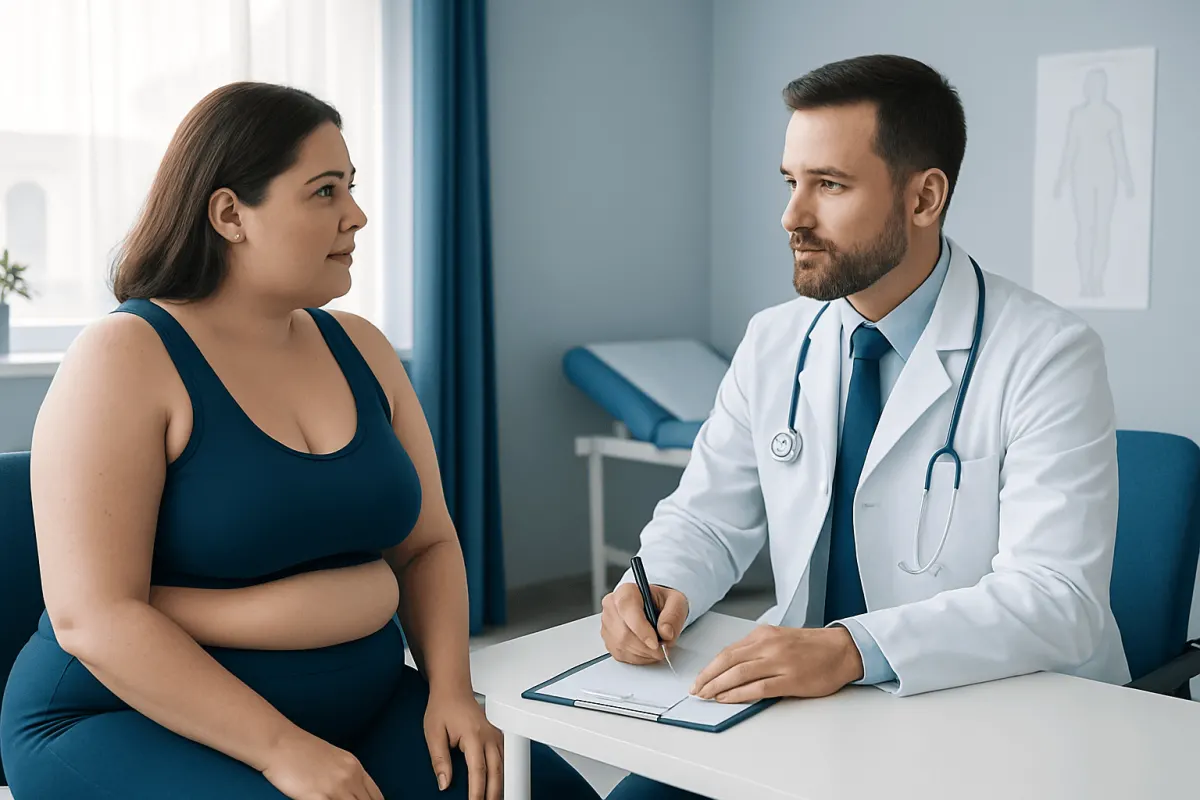
A consultation should include a discussion of previous surgeries, medications, allergies, medical conditions, pregnancy plans, and goals. People with marked skin laxity, a hanging lower-abdominal fold, significant stretch marks with loose skin, or abdominal muscle separation may obtain a more appropriate result from an abdominoplasty rather than liposuction alone.
For patients seeking surgical body contouring, liposuction treatment should be planned individually after a physical examination and review of safety considerations.
What Happens During the Procedure
Before surgery, the surgeon marks the planned treatment zones while the person is standing. These markings guide balanced contouring of the abdomen, flanks, waist, and back. The procedure may be performed under local anesthesia with sedation or general anesthesia, depending on the extent of treatment, the technique used, and the clinical plan.
Small incisions are typically placed in areas that can be concealed by underwear or swimwear. After preparing the fat layer, the surgeon removes fat in measured amounts from multiple angles to avoid abrupt transitions and to preserve a natural-looking contour. The incisions may be closed with small sutures or allowed to drain briefly, depending on the technique.
After the procedure, a compression garment is usually placed around the midsection. It supports the treated tissues and may help manage swelling. Most patients go home the same day when the procedure is performed on an outpatient basis, but they need a responsible adult to accompany them and assist during the first night.
Fat cells removed by liposuction do not regrow in the treated area. However, remaining fat cells can enlarge with weight gain, so long-term contour is best supported by stable weight and sustainable lifestyle habits.
What Are the Benefits of 360 Lipo Without a Tummy Tuck?
The main potential benefit is circumferential contouring of the torso without the long lower-abdominal scar associated with a tummy tuck. Treating the front, sides, and back together can make the waist look more defined and may improve the fit of clothing for appropriately selected patients.
Because no abdominal skin is removed and the muscle layer is not surgically tightened, recovery is often less restrictive than recovery from a tummy tuck. There is generally less limitation from tension across a lower-abdominal incision, although liposuction remains surgery and requires dedicated aftercare.
Other potential advantages include small incision sites, targeted fat reduction, and the ability to tailor treatment to a person’s body proportions. Results depend on skin elasticity, the amount and location of fat, healing, and maintaining a stable weight.
Its limitations are equally important. 360 lipo cannot reliably eliminate loose or hanging skin, treat substantial muscle separation, or guarantee a flat abdomen. A surgeon may recommend another approach if these concerns are central to the person’s goals.
What Is the Recovery Time for 360 Lipo Without a Tummy Tuck?
Recovery varies according to the volume of treatment, the areas included, the surgical technique, and the individual’s health. Many people can walk around their home on the day of surgery and return to light, non-strenuous activities within several days. Desk work may be possible after about one to two weeks for some people, provided their surgeon agrees.
Bruising, swelling, firmness, numbness, and drainage from incision sites can occur early in recovery. A compression garment is commonly worn for a period directed by the surgeon. Short, frequent walks are encouraged because they support circulation, while strenuous exercise, heavy lifting, and intense core workouts should wait until the surgical team confirms that healing is progressing well.
Visible improvement may emerge over the first several weeks, but swelling can take several months to fully resolve. The final contour is often assessed only after the tissues have settled. Follow-up appointments allow the surgical team to monitor healing and address questions about activity, garments, incision care, or scar management.
Recovery instructions are individualized. Patients should follow the specific plan provided by their surgeon rather than relying on another person’s timeline or social-media recovery experience.
How to Poop After Lipo 360?
Constipation can occur after 360 liposuction, often because of anesthesia, prescription pain medicines, reduced activity, dehydration, and changes in eating routines. It is common and usually temporary, but it is best addressed early with the surgeon’s recommended recovery plan.
Drinking adequate fluids, taking short walks as advised, and gradually eating fiber-containing foods can support regular bowel movements. Some patients may be advised to use a stool softener or gentle laxative, particularly while taking opioid pain medicines. They should use only products approved by their clinician, especially if they have kidney disease, bowel conditions, or take other medications.
Straining is best avoided, as it can be uncomfortable after abdominal-area surgery. Contact the surgical team for persistent constipation, worsening abdominal pain or bloating, vomiting, inability to pass gas, or any concern about the recovery process.
Which Is More Painful, Lipo 360 or Tummy Tuck?
Pain experiences differ widely, but a tummy tuck is often considered more uncomfortable and more restrictive during early recovery than 360 lipo alone. A tummy tuck involves removal of skin and frequently tightening of the abdominal wall, which can create a stronger feeling of tightness and make standing fully upright uncomfortable at first.
After 360 lipo, people commonly describe soreness, bruised tenderness, swelling, and sensitivity across the treated areas. Because the back, flanks, and abdomen are all treated, movement and sleeping positions may still feel uncomfortable in the first days and weeks.
Comfort should be managed through an individualized plan that may include prescribed medicines, safe non-prescription options when appropriate, compression, rest, and gradual walking. Patients should never take more medication than directed or combine medicines without checking with their clinician.
Risks, Self-Care and When to Seek Medical Care
All surgery has risks. Possible liposuction complications include bleeding, infection, fluid accumulation, prolonged swelling or numbness, contour irregularities, skin changes, delayed wound healing, reactions to anesthesia, and blood clots. Serious complications are uncommon but require prompt medical attention. Careful patient selection, a qualified surgical team, and following aftercare guidance help reduce risk.
After surgery, patients should wear compression as instructed, keep incisions clean and dry according to their care plan, avoid smoking and nicotine products, stay hydrated, and attend follow-up appointments. Maintaining a stable weight after recovery helps preserve the contouring result. Any concern about scars, unevenness, swelling, or sensation changes should be discussed at scheduled reviews rather than self-treated.
When to seek medical care: Patients should contact their surgeon urgently for fever, increasing redness or warmth around incisions, pus-like drainage, worsening pain not controlled by prescribed treatment, heavy bleeding, rapidly expanding swelling, or one-sided leg pain and swelling. Emergency care is needed for chest pain, shortness of breath, fainting, or sudden confusion.
Acıbadem Health Point’s multidisciplinary specialists and JCI-accredited hospitals assess and treat body-contouring concerns for international patients, with care plans based on individual health and surgical goals.
Frequently asked questions
01Can 360 lipo give a flat stomach without a tummy tuck?
It can reduce abdominal fat and improve waist definition in people with good skin elasticity. It cannot remove substantial loose skin or repair separated abdominal muscles, both of which can affect whether the abdomen appears flat. A surgical assessment is needed to determine which procedure best matches the person’s anatomy and goals.
02Does 360 lipo include the back?
Yes. The term “360” generally refers to treatment around the torso, including the abdomen, flanks, waist, and portions of the lower or upper back. The exact areas vary between treatment plans, so patients should confirm the planned zones with their surgeon.
03How long should compression be worn after lipo 360?
The recommended duration depends on the surgical technique, the areas treated, and how healing progresses. Many patients wear a compression garment for several weeks, sometimes in stages. The surgeon’s instructions should be followed because an overly tight or poorly fitted garment may cause problems.
04Will skin tighten after 360 lipo?
Some degree of skin retraction may occur after fat removal, particularly in younger people and those with naturally elastic skin. The amount is unpredictable and decreases when there is significant laxity, sun damage, stretch marks, or prior weight fluctuation. Liposuction should not be expected to replace skin-removal surgery when excess skin is a major concern.
05Can someone lose weight after 360 liposuction?
Small weight fluctuations may occur during recovery because of swelling and changing activity levels, but liposuction is not intended as a weight-loss method. Significant weight loss after surgery can alter the result and may contribute to new skin laxity. Reaching a sustainable, stable weight before surgery is usually preferred.
06When can exercise restart after 360 lipo?
Gentle walking is commonly started soon after surgery as advised by the care team. More demanding exercise, lifting, and abdominal training should be resumed gradually only after the surgeon confirms that the incisions and treated tissues are healing appropriately. The timing varies from person to person.
This article is for general information only and is not a substitute for professional medical advice. Please consult a qualified doctor about your individual situation.
Explore treatments in Turkey — costs, top hospitals & a free quote
JCI-accredited · board-certified surgeons · reply within 24h
Add us as a Preferred Source to see more of our trusted health content across Google Search, AI Overviews and Discover.