When Can You Lay Flat After a Tummy Tuck?
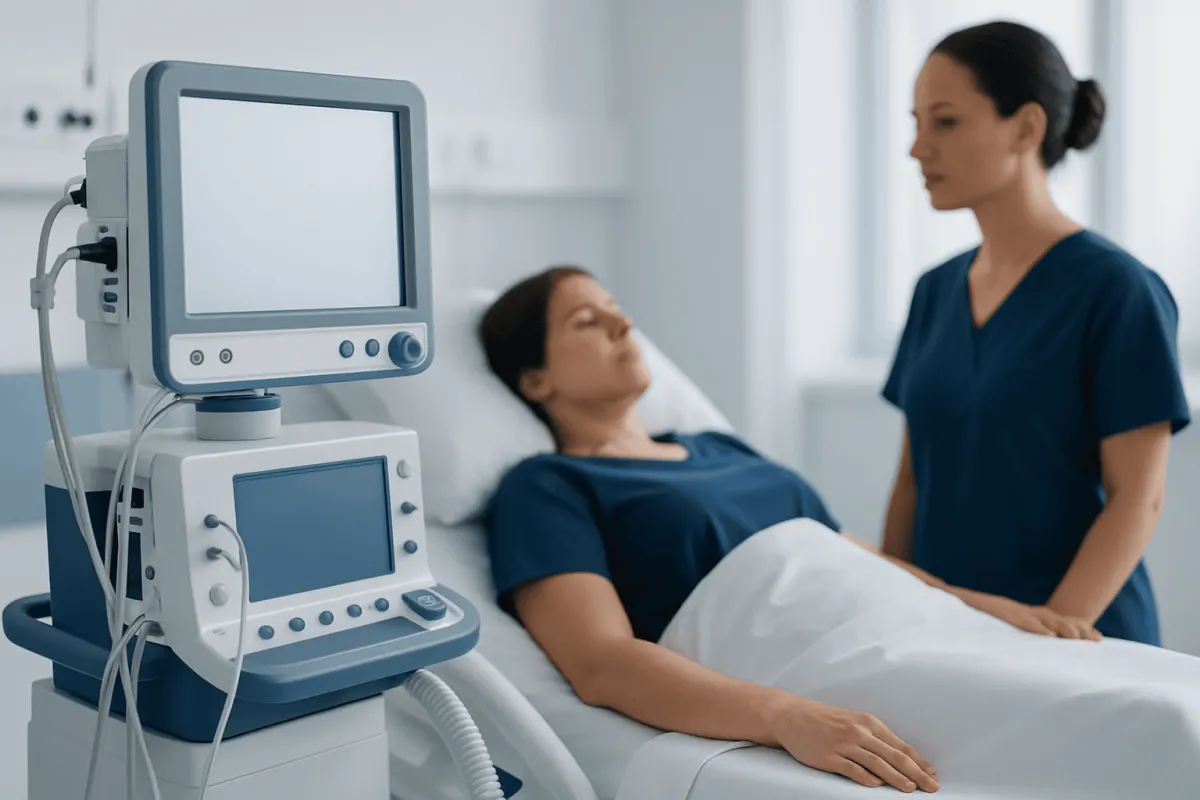
Most people are advised to sleep with the upper body and knees slightly bent after a tummy tuck, then gradually lie flatter as tightness and discomfort improve—often over the first 1 to 2 weeks. The exact timing depends on the extent of surgery, whether abdominal muscles were repaired, and the operating surgeon’s instructions.
When Can You Lay Flat After Tummy Tuck?
After a tummy tuck, also called abdominoplasty, people are commonly asked to rest and sleep with their hips and knees slightly bent and their upper body raised for the first several days. This “flexed” position helps reduce pulling across the lower abdominal incision and can make movement more comfortable.
Many people can begin gradually lying flatter within approximately 1 to 2 weeks, once the surgeon confirms that the incision, swelling, and comfort level allow it. Some need longer, particularly after a full tummy tuck with muscle repair, extensive skin removal, liposuction, or combined procedures. The safest answer to when can you lay flat after tummy tuck surgery is therefore: when the operating surgeon says the position is appropriate for that individual’s healing.
A transition can be gradual. A person may first reduce the number of pillows, then spend short periods resting closer to flat if it does not cause sharp pain, significant pulling, or increased swelling. Getting in and out of bed should also be done carefully, often by rolling onto the side first and using the arms for support rather than straining the abdominal muscles.
What a Tummy Tuck Does and Who May Be a Candidate
A tummy tuck is a surgical procedure that removes excess lower abdominal skin and fat and, when needed, repairs separated or weakened abdominal muscles. It can improve abdominal contour after major weight changes, pregnancy, aging, or skin laxity that does not respond to diet and exercise. It is not a substitute for weight-loss treatment.
Potential candidates are generally adults who are close to a stable, sustainable weight, do not smoke or are willing to stop before and after surgery, and have realistic expectations about scars and recovery. A consultation helps determine whether a mini tummy tuck, full abdominoplasty, body-contouring procedure, or another approach is suitable. Patients considering surgery can learn more about tummy tuck (abdominoplasty) treatment and the evaluation process.
People planning a future pregnancy or substantial weight loss may choose to postpone surgery, as these changes can stretch the abdominal tissues again and affect the result. Medical history, prior abdominal surgery, medications, clotting risks, diabetes control, and smoking status are important parts of a safe surgical assessment.
How the Procedure Is Performed
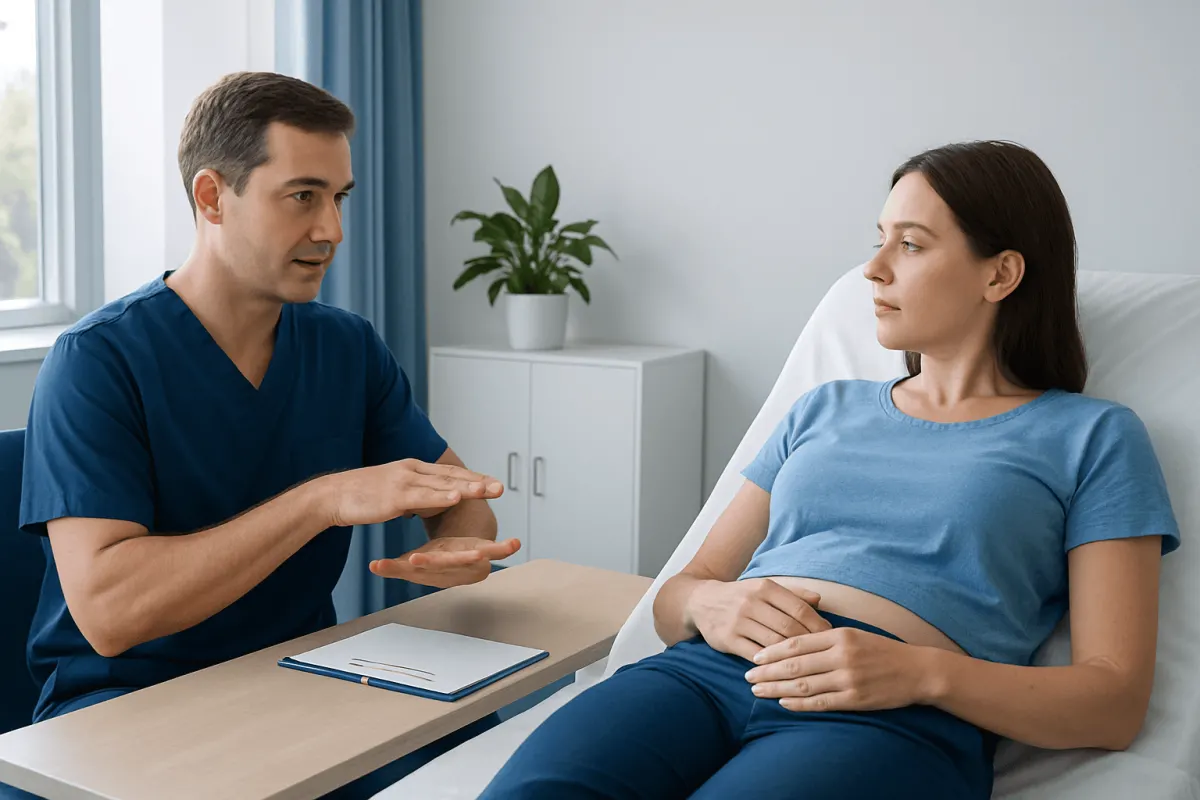
Abdominoplasty is performed under anesthesia in an operating room. The surgeon makes an incision low on the abdomen, usually positioned so it can be covered by many styles of underwear or swimwear. The exact incision length depends on the amount and location of excess skin.
The abdominal skin and fatty tissue are carefully lifted. If there is separation of the rectus muscles, which can occur after pregnancy or weight change, the surgeon may bring the muscles closer together with internal sutures. Excess skin is removed, and the remaining skin is repositioned and closed. In a full tummy tuck, the navel may also be repositioned.
Temporary drains may be used in some cases to remove fluid while tissues heal, although techniques vary. A compression garment is often recommended to support the abdomen and help manage swelling. The surgical team provides individualized instructions on wound care, showering, walking, medicines, garments, and follow-up visits.
Recovery Timeline and Sleeping Positions
During the first few days, swelling, bruising, fatigue, and tightness are expected. Most patients walk slightly bent at the waist initially because standing fully upright may feel uncomfortable. Short, frequent walks are encouraged as directed because they support circulation and reduce the risks associated with prolonged immobility.
For sleep, a recliner or a bed arranged with pillows behind the back and beneath the knees can help maintain a gentle bend. This is why people may ask when can you lay down after tummy tuck or when can you sleep laying down after tummy tuck: lying down is possible early on, but completely flat positioning is usually delayed until it feels comfortable and the surgeon permits it.
Over the next few weeks, posture typically becomes more upright and sleeping can become less restricted. Desk-based work may be possible after roughly 2 to 3 weeks for some people, but recovery varies. Exercise, core training, lifting, and other strenuous activity are reintroduced only according to the surgeon’s plan, commonly over several weeks.
- First week: Rest in a flexed position, take short supported walks, and follow drain and dressing instructions.
- Weeks 1 to 2: Gradually reduce bending or elevation if comfortable and approved at follow-up.
- Weeks 3 to 6: Mobility and energy often continue improving; restrictions may still apply.
- Several months: Swelling and scars continue to mature, and the final contour becomes clearer.
How Long After a Tummy Tuck Will My Stomach Be Flat?
The abdomen may look flatter soon after surgery because excess skin has been removed, but it will not show its final contour immediately. Swelling, tightness, bruising, and changes in posture can temporarily make the area look uneven or fuller than expected during early recovery.
Noticeable improvement is often seen as swelling decreases over the first several weeks. However, residual swelling can take several months to resolve, especially in the lower abdomen, and scars also continue to mature over time. A surgeon can assess whether healing is progressing normally at follow-up appointments.
A stable weight, balanced nutrition, adequate protein intake, gentle activity when cleared, and avoiding nicotine all support healing. Compression garments should be worn only as instructed; they may help with comfort and swelling management but do not speed healing beyond the body’s normal recovery process.
Can I Sleep on My Side 5 Weeks After a Tummy Tuck?
Many patients can sleep on their side by 5 weeks after a tummy tuck if they are comfortable and their surgeon has not advised otherwise. At this point, the incision and internal tissues are still healing, so the position should not create pressure, marked pulling, increased pain, or swelling.
Using a pillow between the knees and a small pillow to support the abdomen may improve comfort. Some people prefer to begin with a partly side-lying position rather than turning fully onto one side. Sleeping on the stomach is usually more uncomfortable and may be delayed longer, particularly if it puts direct pressure on the healing abdomen.
When can you lay flat on back after tummy tuck and when can you start lying flat after tummy tuck are similarly individual questions. If the surgeon has cleared more normal sleeping positions but discomfort persists, it is reasonable to continue using supportive pillows and discuss symptoms at the next review.
When Can I Stop Elevating My Legs After a Tummy Tuck?
Leg elevation is commonly used early after a tummy tuck to keep the hips slightly flexed and lessen tension on the abdominal incision. The knees are usually supported with pillows rather than held in a forced position. The needed degree of elevation generally decreases as tightness improves.
Many people start lowering their knees and legs gradually after the first week or two, but the timing should follow the surgeon’s specific aftercare plan. If extending the legs causes significant stretching, sharp pain, or a strong pulling sensation across the incision, the person should return to a more comfortable supported position and contact the surgical team for advice.
Leg elevation should not replace walking. Short, regular walks around the home are important during early recovery unless a clinician has advised otherwise. Remaining in one position for prolonged periods can increase stiffness and may contribute to circulation problems.
Benefits, Risks, and When to Seek Medical Care
A tummy tuck can remove loose abdominal skin, improve contour, and repair abdominal muscle separation in selected patients. The trade-offs include a permanent scar, a recovery period with activity restrictions, and the possibility of changes in skin sensation. Results can be affected by future pregnancy, major weight changes, aging, and individual scar healing.
All surgery carries risks. These may include bleeding, fluid collection, infection, delayed wound healing, unfavorable scarring, numbness, asymmetry, blood clots, anesthesia complications, and a need for additional treatment. Following preoperative and postoperative instructions, avoiding smoking, attending reviews, and discussing all medicines with the care team can help reduce preventable risks.
When to seek medical care: Contact the surgeon promptly for worsening rather than improving pain, rapidly increasing swelling, spreading redness, warmth around the wound, fever, pus-like drainage, wound opening, or persistent vomiting. Urgent assessment is needed for chest pain, shortness of breath, coughing blood, fainting, or one-sided leg pain and swelling, as these symptoms can indicate a serious complication.
For international patients, Acıbadem Health Point’s multidisciplinary specialists and JCI-accredited hospitals provide assessment and treatment planning for tummy tuck procedures. Individualized follow-up advice remains essential, especially for people asking when can I lay flat after tummy tuck and breast lift, because combined operations may require additional positioning precautions.
Frequently asked questions
01When can you sleep flat post tummy tuck?
Many people can start transitioning toward flatter sleep after about 1 to 2 weeks, but this varies by procedure and healing progress. A full tummy tuck with muscle repair may require a longer period in a bent position. The operating surgeon’s instructions should guide the timing.
02Why do I need to sleep bent after a tummy tuck?
Sleeping with the upper body and knees slightly raised reduces tension across the lower abdominal incision and repaired tissues. It can also make early movement more comfortable. This position is usually temporary and is gradually reduced as healing progresses.
03How long after a tummy tuck will my stomach be flat?
The abdomen may appear flatter immediately, but swelling can hide the final contour during the first weeks. Improvement typically develops gradually over several weeks, while remaining swelling may take several months to settle. Healing speed varies between individuals.
04Can I sleep on my side 5 weeks after a tummy tuck?
Often, yes, if it is comfortable and the surgeon has not placed restrictions on side sleeping. A pillow between the knees and gentle abdominal support may help. Pain, pulling, or swelling after changing position should be discussed with the surgical team.
05When can I stop elevating my legs after a tummy tuck?
Leg elevation is commonly reduced gradually after the first week or two as abdominal tightness improves. The precise timing depends on the extent of surgery and the surgeon’s assessment of healing. It should not be stopped abruptly if extending the legs is painful or creates strong tension.
06What happens if I lose 20 lbs after a tummy tuck?
A 20-pound weight loss after a tummy tuck may create new skin looseness or change abdominal contour, especially if the loss is rapid. It does not usually reverse the surgery, but results may be less predictable than when weight remains stable. Anyone planning significant weight loss should discuss timing and safe weight-management options with a clinician.
This article is for general information only and is not a substitute for professional medical advice. Please consult a qualified doctor about your individual situation.
Joint and spine care in Turkey — expert assessment & treatment
JCI-accredited · board-certified surgeons · reply within 24h
Add us as a Preferred Source to see more of our trusted health content across Google Search, AI Overviews and Discover.