Liposuction for Love Handles: What to Expect

Liposuction love handles is a body-contouring procedure that removes stubborn pockets of fat from the flanks, the areas at the sides of the waist and lower back. It can improve the waistline in suitable candidates, but it is not a weight-loss treatment and works best alongside stable weight and healthy habits.
Overview: What Is Liposuction for Love Handles?
Liposuction love handles is a cosmetic procedure designed to reduce excess fat at the flanks, which are the areas between the lower ribs and hips and may extend toward the lower back. These fat deposits can remain noticeable despite regular activity and balanced eating because body-fat distribution is influenced by genetics, hormones, age and individual anatomy.
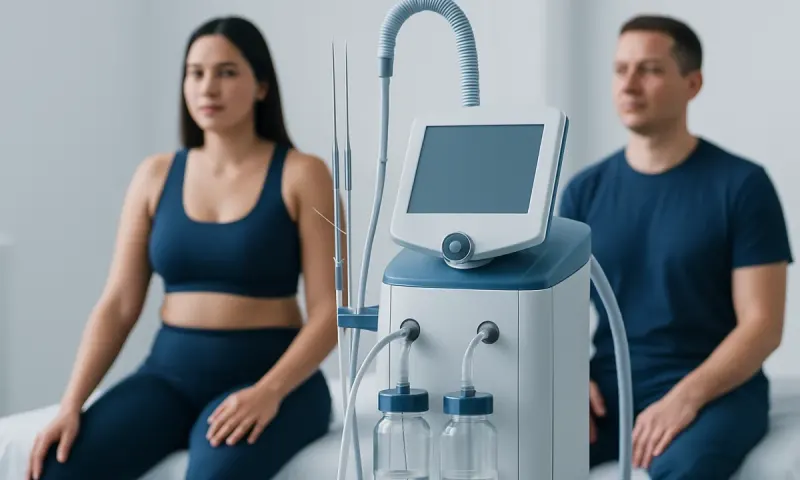
The procedure uses a narrow tube called a cannula to loosen and remove fat through small skin incisions. By reducing fat in a controlled way, a plastic surgeon aims to create a smoother transition between the waist, hips and back. It is a contouring procedure rather than a treatment for obesity or a substitute for weight management.
People considering this approach may benefit from discussing liposuction treatment options with a board-qualified plastic surgeon. A safe plan is individualized, taking into account the amount and location of fat, the quality of the skin and the person’s broader health needs.
How It Works and Who May Be a Candidate
During liposuction, the surgeon removes a limited volume of subcutaneous fat, meaning fat located beneath the skin and above the muscle. The procedure does not remove visceral fat, which lies deeper inside the abdomen around internal organs. Therefore, it is not intended to address health risks associated with significant central obesity.
Suitable candidates are generally adults who are close to a stable, sustainable body weight but have localized flank fullness that has not responded as desired to lifestyle measures. Good skin elasticity is important because the skin must contract over the newly contoured area. People should also have realistic expectations: liposuction can improve shape, but it cannot guarantee perfect symmetry or eliminate all skin laxity.
A surgeon will review medical history, current medicines, allergies, previous procedures, smoking or nicotine use and any conditions that could affect healing. Uncontrolled diabetes, significant heart or lung disease, blood-clotting disorders, active infection or pregnancy may mean that surgery should be delayed or may not be appropriate. Stopping smoking and nicotine products before and after surgery is often strongly advised because nicotine can impair blood flow and wound healing.
- Localized, pinchable fat at the flanks
- Stable weight and a commitment to maintaining healthy habits
- Reasonable skin elasticity and no active skin infection
- Clear, realistic goals discussed with a qualified surgeon
Step by Step: What Happens During the Procedure
The process begins with a consultation and physical examination. The surgeon discusses goals, examines the waist and lower-back contours, considers skin quality and may mark the treatment areas while the person is standing. Pre-operative instructions may include arranging transport home, avoiding certain medicines or supplements that increase bleeding risk when medically appropriate, and following fasting guidance if sedation or general anesthesia is planned.
On the day of surgery, the treatment area is cleaned and anesthesia is provided. Depending on the extent of treatment, liposuction may be performed with local anesthesia plus sedation or with general anesthesia. The surgeon makes very small incisions, usually positioned where scars can be less noticeable.
A fluid solution is commonly introduced into the fatty tissue to help reduce bleeding and make fat removal smoother. The cannula is then moved through the fat layer using controlled motions, and the loosened fat is suctioned out. The surgeon evaluates the contour throughout the operation to avoid removing too much fat and to support a balanced result.
Once the procedure is complete, the incisions may be closed or left partly open for short-term drainage, depending on the technique. A compression garment is usually applied to support the treated tissues and help limit swelling. Many flank procedures are done as day surgery, although individual plans vary.
Recovery Timeline and Expected Results
Recovery after love-handle liposuction differs according to the amount of fat removed, the technique used, whether other areas were treated and the person’s general health. In the first few days, tenderness, swelling, bruising, mild drainage and temporary numbness are common. Prescribed or recommended pain relief, gentle walking and wearing the compression garment as instructed can support comfort and circulation.
Many people can return to desk-based work and light routine activities after several days to around two weeks, depending on their recovery and job demands. Strenuous exercise, heavy lifting and high-impact activity usually need to wait until the surgeon confirms that it is safe. Follow-up appointments allow the care team to assess healing, manage dressings if needed and address questions early.
Initial contour improvement may be visible as early swelling begins to settle, but the area can remain uneven or firm during healing. A clearer result often develops over several weeks, with final tissue settling taking several months. Maintaining a stable weight is important for preserving the outcome.
Acıbadem Health Point’s multidisciplinary specialists and JCI-accredited hospitals can assess and treat international patients considering liposuction, with care plans based on individual anatomy, medical history and recovery needs.
Benefits, Risks and Limitations
The potential benefit of liposuction in the love-handle area is a more defined waist and smoother flank contour when localized fat is the main concern. It may also improve how certain clothing fits. For many people, the most meaningful benefit is better alignment between their body contour and their personal aesthetic goals.
However, every surgical procedure carries risks. These can include bleeding, infection, delayed healing, fluid accumulation, changes in skin sensation, persistent swelling, scarring, contour irregularities, asymmetry, skin discoloration and the need for revision treatment. Rare but serious complications can include blood clots, anesthesia complications, injury to deeper structures or a fat embolism.
Choosing a suitably trained plastic surgeon, sharing a full medical history and following pre- and post-operative instructions can reduce avoidable risks, but cannot remove risk completely. A thoughtful consultation should cover likely benefits, alternatives, expected scars, recovery restrictions and the possibility that skin tightening or another procedure may be more suitable if loose skin is prominent.
How Much Does It Cost to Have a Liposuction?
The cost of liposuction varies considerably because it depends on the country, clinic or hospital, surgeon’s experience, anesthesia, operating-room services, the number of areas treated, the technique used and the level of aftercare required. Liposuction of the love handles may be priced differently from treatment of the abdomen, thighs or multiple body areas.
A responsible estimate should clearly explain what is included, such as consultation fees, medical tests, anesthesia, facility charges, compression garments, follow-up visits and any planned overnight care. It is helpful to ask whether there could be additional costs if extra treatment or management of a complication is needed.
Because liposuction is generally elective cosmetic surgery, it is not usually covered by health insurance. Decisions should not be based on price alone; surgeon qualifications, facility safety standards, communication and appropriate follow-up are important factors in planning care.
Does Liposuction Permanently Remove Fat?
Liposuction permanently removes many fat cells from the treated love-handle area. The remaining fat cells can still enlarge if a person gains weight, however, and fat can accumulate in untreated areas. For this reason, results are best maintained with a stable weight, regular physical activity and an eating pattern that supports overall health.
The procedure does not change the body’s underlying tendency to store fat in certain areas. It also does not prevent age-related changes in skin, muscle tone or body composition. A surgeon can explain what degree of long-term change is realistic for an individual body shape.
Is Liposuction Very Painful?
Liposuction is performed with anesthesia, so the procedure itself should not be painful. Afterward, discomfort is commonly described as soreness, tightness or bruised tenderness in the treated area. The intensity varies among individuals and usually improves steadily during the first days to weeks.
The care team may recommend pain-relief medicines and specific recovery measures. Compression garments can feel snug but are often used to support healing and reduce swelling. Severe or worsening pain, especially if accompanied by other symptoms such as fever, shortness of breath or one-sided leg swelling, should be assessed promptly by a clinician.
What Is the Downside of Liposuction?
The main downsides are that liposuction is surgery, involves recovery time and cannot guarantee an ideal cosmetic result. Swelling, bruising, temporary numbness, garment use and activity restrictions can affect everyday comfort in the early recovery period. Results also take time to fully emerge.
There is a possibility of uneven contours, asymmetry, loose skin or dissatisfaction with the degree of change. A person may require additional treatment in some circumstances. Liposuction also does not replace weight-loss treatment, physical activity or nutrition support when these are needed for overall health.
Discussing alternatives is useful. Depending on the concern, options may include lifestyle support, non-surgical body contouring for carefully selected people, or surgery that addresses excess skin as well as fat. A qualified surgeon can help weigh the likely advantages and limitations of each approach.
When to Seek Medical Care
Contact the surgical team promptly after liposuction if there is worsening rather than improving pain, increasing redness or warmth around an incision, fever, pus-like drainage, persistent heavy bleeding, rapidly expanding swelling or a new foul odor from a wound. These symptoms may indicate a complication that needs timely assessment.
Urgent medical care is needed for chest pain, shortness of breath, fainting, sudden confusion, coughing up blood, or painful swelling in one leg. Although serious complications are uncommon, these symptoms should never be managed at home or assumed to be part of normal recovery.
Before treatment, people who are concerned about ongoing weight gain, abdominal fullness, metabolic health or emotional distress about body image should seek advice from an appropriate healthcare professional. A consultation can help ensure that the chosen treatment matches the underlying concern and personal health priorities.
Frequently asked questions
01Can liposuction remove love handles completely?
Liposuction can substantially reduce localized fat at the flanks, but it cannot promise complete removal or perfectly symmetrical contours. The final outcome depends on fat distribution, skin elasticity, healing and the amount of treatment that can be performed safely.
02How long does swelling last after love-handle liposuction?
Swelling is expected in the early recovery period and improves gradually over weeks. Some residual swelling and firmness may persist for several months, so final results should not be judged too early.
03Will loose skin tighten after liposuction?
Skin may contract after fat removal when it has good elasticity, particularly in younger people or those with firmer skin. If substantial laxity is present, liposuction alone may not provide the desired tightening, and a surgeon may discuss other options.
04Can love handles come back after liposuction?
The removed fat cells do not return, but remaining fat cells can enlarge with weight gain. Weight gain can also change contours in untreated areas, so long-term results depend partly on maintaining a stable lifestyle.
05How soon can a person exercise after liposuction?
Gentle walking is commonly encouraged soon after surgery to support circulation, but strenuous exercise should wait until the surgeon approves it. The timing varies based on healing, the extent of treatment and the type of activity.
06Is liposuction a treatment for obesity?
No. Liposuction is intended for localized body contouring and is not a treatment for obesity or a method for achieving major weight loss. People seeking weight-management support should discuss evidence-based options with a qualified healthcare professional.
This article is for general information only and is not a substitute for professional medical advice. Please consult a qualified doctor about your individual situation.
Medical weight-loss options in Turkey — costs & eligibility
JCI-accredited · board-certified surgeons · reply within 24h
Add us as a Preferred Source to see more of our trusted health content across Google Search, AI Overviews and Discover.