2A Curly Hair Transplants: Planning for Natural Results
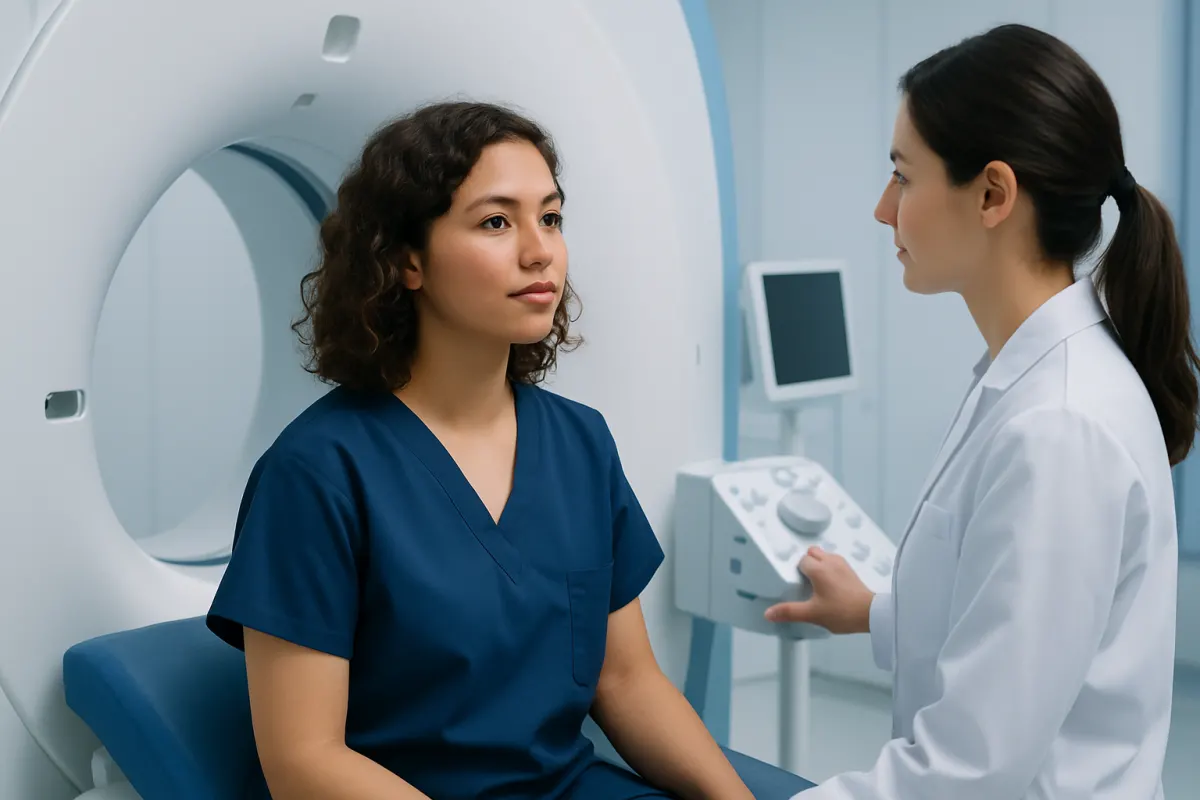
A hair transplant for 2A curly hair can restore areas of thinning by moving healthy follicles from a donor area to the scalp, with results developing gradually over many months. Because 2A hair has a loose wave rather than tight curls, careful assessment of hair density, shaft characteristics and donor supply helps create a natural-looking plan.
Overview: 2A Curly Hair and Hair Transplant Planning
2A curly hair is more accurately described as lightly wavy hair. It tends to be relatively straight at the roots, with soft, loose S-shaped bends through the lengths. A hair transplant may be considered when a person with this hair type has stable, bothersome hair thinning or hairline recession and has enough healthy donor hair at the back or sides of the scalp.
During transplantation, follicular units containing one or more hairs are removed from the donor area and placed into areas of thinning. The procedure does not change the natural texture of the transplanted hair: 2A hair generally retains its loose wave as it grows. However, newly growing transplanted hair can initially appear finer, coarser, straighter or more irregular than expected while the scalp heals and the growth cycle settles.
Planning for wavy hair considers more than the number of grafts. The clinician assesses scalp contrast, hair-shaft diameter, wave pattern, donor density, current and predicted hair loss, and the direction in which hairs should emerge. These details help support an age-appropriate, natural-looking result rather than an overly low or dense hairline.
Is 2A 2B Hair Considered Fine or Thick?
Hair type and hair thickness describe different features. Type 2A and 2B refer mainly to the wave pattern: 2A hair has a loose wave, while 2B hair usually has more defined waves that may begin closer to the roots. Either type can have fine, medium or coarse individual strands.
Many people with 2A hair have fine-to-medium strands and may find that their hair becomes weighed down easily. This is not universal. A person can have 2A waves with a thick hair shaft, high follicle density or both. Likewise, someone may have coarse 2B strands but low overall density because there are fewer follicles per square centimetre.
For hair restoration, clinicians distinguish shaft diameter from density. Fine hair can create less visual coverage per graft than coarse hair, while wavy hair can sometimes create the appearance of added volume as it grows longer. A consultation is needed to assess the donor area directly rather than estimating suitability from curl type alone.
Procedure Considerations for 2A Curly Hair

Two established approaches are follicular unit extraction, often called FUE, and follicular unit transplantation, often called FUT or strip surgery. In FUE, individual follicular units are removed from the donor area. In FUT, a narrow strip of scalp is removed and divided into follicular units under magnification. The appropriate method depends on donor characteristics, hairstyle preferences, scalp flexibility, the amount of coverage needed and medical history.
For 2A curly hair, surgical design includes the angle and direction of graft placement. Hair that exits the scalp at a low, natural angle is especially important around the frontal hairline and temples. The aim is to match nearby hair and preserve the appearance of a soft, naturally irregular hairline. Hair transplant treatment should be discussed with a qualified hair-restoration clinician who can explain benefits, limits and possible scarring for each approach.
Before surgery, the clinical team reviews the cause of hair loss. Pattern hair loss is common, but shedding may also relate to nutritional deficiencies, thyroid conditions, inflammatory scalp disease, certain medicines or physical stress. Treating an underlying cause is important because transplantation may not be appropriate for active or unexplained hair loss.
Recovery and the Most Crucial Days After a Hair Transplant
The most crucial days after a hair transplant are generally the first 7 to 14 days, when grafts are settling into the scalp. Patients are usually advised to avoid rubbing, scratching or picking the recipient area, and to follow their surgeon’s instructions for gentle washing, sleeping position and activity. Minor redness, swelling, tenderness and small scabs can occur during early healing.
Strenuous exercise, swimming, heavy sweating, direct sun exposure and activities that may bump or pull the scalp are commonly restricted for a period recommended by the surgeon. It is also important not to wear tight head coverings unless the care team says they are safe. Individual advice can differ according to the technique used and a person’s healing progress.
Between a few weeks and a few months after treatment, many transplanted hairs shed. This is often a normal part of the growth cycle and does not necessarily mean the grafts have failed. New growth commonly begins gradually after this phase, while visible maturation continues over subsequent months. Attend all follow-up appointments so the team can monitor healing and answer questions promptly.
- Use only the cleansing products and washing technique recommended by the surgical team.
- Take prescribed or advised medicines exactly as directed.
- Avoid smoking and nicotine exposure, as these can affect wound healing.
- Contact the clinic if pain, redness, swelling or discharge is worsening rather than improving.
2A Curly Hair Routine Before and After Transplantation
A 2A curly hair routine usually aims to protect the loose wave without making the hair look flat or dry. Before a transplant, gentle cleansing, conditioner applied mainly to the lengths, careful detangling and limited heat styling may help reduce breakage. These steps support hair-shaft appearance but do not treat follicle-level hair loss.
In the immediate post-procedure period, regular 2A curly hair methods should be paused if they involve scrubbing, brushing the recipient area, hot tools, styling products or vigorous towel drying. Patients should use their surgeon’s specific post-operative plan instead. Once the scalp has healed and the care team approves, a simple 2A curls routine can gradually resume.
A long-term 2A curly method may include lightweight conditioning, low-heat drying, a wide-tooth comb or fingers for detangling, and products selected for the individual’s scalp sensitivity. The phrase “2A hair before and after curly hair method” often describes styling transformations, but styling can only improve the look of existing hair. It cannot replace medical assessment when there is progressive thinning, widening of the part or a receding hairline.
What Happens 20 Years After a Hair Transplant?
Twenty years after a hair transplant, transplanted follicles may continue to grow because donor-area hairs are often more resistant to the hormonal effects involved in pattern hair loss. However, no result is completely unchanged by time. Natural ageing, changes in hair texture, medical conditions and continued thinning of non-transplanted hair can alter the overall appearance.
The main long-term consideration is that a transplant redistributes a limited donor supply. If surrounding native hair continues to thin, the transplanted region may look more prominent unless hair loss is medically managed or additional treatment is appropriate. A conservative, future-focused design helps reduce the risk of an unnatural pattern later in life.
Depending on the diagnosis and individual health profile, a doctor may discuss evidence-based medical options to slow pattern hair loss. Androgenetic alopecia is a common cause of gradual hair thinning, but it should be diagnosed rather than assumed. Long-term follow-up can help adjust the plan as hair loss patterns evolve.
What Did Elon Musk Use to Regrow Hair?
Elon Musk has not publicly confirmed a medical diagnosis, procedure or treatment plan in a way that allows clinicians to state with certainty what he used. Comparisons of public photographs may suggest a change in hair appearance over time, but photographs cannot reliably identify whether a person had a transplant, used medication, changed styling or lighting, or used another approach.
People considering treatment should avoid relying on celebrity speculation when making healthcare decisions. Hair loss has several potential causes, and the most suitable option depends on the diagnosis, pattern of loss, donor supply, health history and personal goals. A dermatologist or hair-restoration surgeon can provide an individualized assessment.
Evidence-based options may include treating contributing medical conditions, topical or oral medicines when clinically appropriate, low-level light devices for selected people, camouflage techniques and transplantation. Each option has possible benefits, limitations and side effects that should be discussed with a qualified clinician.
When to Seek Medical Care
Medical assessment is advisable for sudden or patchy hair loss, scalp pain, itching, scaling, redness, pustules, scarring, eyebrow or body-hair loss, or shedding that follows a new medicine or illness. These features may point to a condition that needs diagnosis and treatment before cosmetic hair restoration is considered.
After a hair transplant, patients should contact their clinical team urgently if they develop fever, increasing pain, spreading redness, marked swelling, bleeding that does not stop with advised measures, foul-smelling drainage or signs of an allergic reaction. Early advice can help address complications safely.
Acıbadem Health Point’s multidisciplinary specialists and JCI-accredited hospitals support diagnosis and treatment planning for international patients considering hair restoration. A consultation should include discussion of realistic goals, recovery needs, long-term hair-loss management and whether transplantation is suitable at all.
Frequently asked questions
01Can 2A curly hair be transplanted?
Yes. Loose, wavy 2A hair can be transplanted if the person has an appropriate diagnosis and sufficient healthy donor hair. The natural wave pattern usually remains, although newly transplanted hair may look temporarily different while it matures.
02How long does it take to see results after a hair transplant?
Initial shedding of transplanted hairs is common in the first weeks after surgery. New growth often becomes noticeable gradually over the following months, with the overall appearance continuing to mature for up to a year or longer in some areas.
03Will a hair transplant make 2A hair thicker?
A transplant can improve visible coverage in selected thinning areas by adding follicles from the donor area. It does not increase the thickness of each individual hair shaft, and it cannot create unlimited density because donor hair is limited.
04Can I use curly-hair products after a transplant?
Styling products should not be used on the recipient area until the surgical team confirms that healing is sufficient. Once cleared, gentle products may be reintroduced gradually, with care to avoid scalp irritation or harsh rubbing.
05Does transplanted hair fall out permanently?
The hair shafts commonly shed after transplantation, which can be a normal early phase. The follicles usually remain beneath the skin and may begin producing new hairs later, although individual results and growth timing vary.
06Is a hair transplant permanent?
Transplanted follicles can provide long-lasting growth, but a transplant does not stop ongoing thinning in non-transplanted hair. Long-term management may include monitoring and, when appropriate, medical treatment for the underlying cause of hair loss.
This article is for general information only and is not a substitute for professional medical advice. Please consult a qualified doctor about your individual situation.
Hair transplant in Turkey — costs, graft counts & a free assessment
JCI-accredited · board-certified surgeons · reply within 24h
Add us as a Preferred Source to see more of our trusted health content across Google Search, AI Overviews and Discover.