

Organ Transplantation
Kidney, liver and bone-marrow transplantation programs with dedicated coordination.

Medically reviewed by the Acıbadem clinical team — June 12, 2026
Organ transplantation is the medical unit that replaces a failing organ with a healthy one — among the most complex and life-changing treatments in all of medicine. It covers transplantation of organs such as the kidney and liver, together with the intensive assessment, surgery and lifelong follow-up that transplantation requires. At Acıbadem International, transplantation is delivered by experienced multidisciplinary teams within a large hospital group, because success depends on far more than the operation alone — it depends on rigorous assessment, expert surgery, intensive care and careful long-term management. For patients facing organ failure, that depth of coordinated expertise is exactly what such a serious undertaking demands.
This page explains what the transplantation unit covers, the assessment and process involved, the role of the multidisciplinary team, and how patients are supported through this complex journey.
What the transplantation unit covers
Transplantation is a highly specialized field requiring the coordination of many disciplines. The unit’s main areas of work include:
- Kidney transplantation.
- Liver transplantation.
- Comprehensive transplant assessment — determining suitability and preparing patients.
- Transplant surgery — performed by experienced surgical teams.
- Intensive post-operative care.
- Lifelong follow-up and management.
Because transplantation involves so many aspects of care, the unit works as a multidisciplinary team and draws on the wider hospital group — including surgery, gastroenterology for liver disease, urology for kidney conditions, and intensive care — so that every aspect is covered.
Why transplantation is so complex
Organ transplantation is one of the most demanding undertakings in medicine, and understanding why helps explain the care it requires. It is not simply a single operation: it involves rigorous assessment to determine whether transplantation is suitable and safe, complex surgery performed by experienced teams, intensive care in the critical period afterwards, and lifelong management to protect the transplanted organ. Each of these stages is essential, and each requires specialized expertise. This is why transplantation can only be delivered well by an experienced multidisciplinary team within a hospital equipped for it. The complexity is also why the unit emphasizes thorough assessment and honest discussion from the outset, ensuring that patients understand the journey and that transplantation is genuinely the right path for them.
The transplant assessment
Before any transplant, a thorough assessment determines whether it is suitable and safe, and prepares the patient for the journey ahead. This assessment is one of the most important parts of the process and typically involves:
- Detailed evaluation of the patient’s overall health.
- Assessment of the failing organ and the underlying condition.
- Consideration of the suitability and safety of transplantation.
- Careful preparation — medical, and in terms of understanding the journey.
This rigorous assessment, carried out by the multidisciplinary team, ensures that transplantation is the right path and that the patient is as well prepared as possible. For international patients, an initial review of medical information can begin remotely, with the full assessment carried out as part of the process. Transplantation is governed by strict medical, ethical and legal requirements, which the unit follows fully; these requirements and any matters relating to organ donation are addressed thoroughly during assessment.
The multidisciplinary transplant team
The defining feature of good transplantation is the multidisciplinary team, because success depends on the coordinated expertise of many specialists. A transplant journey involves transplant surgeons, physicians specializing in the relevant organ, anesthesiologists, intensive-care specialists, specialist nurses and others, all working together through assessment, surgery, recovery and long-term follow-up. At Acıbadem International, this team works within a large hospital group, so that every aspect — from the surgery itself to the management of other health conditions and the intensive care afterwards — is covered by the right experts. For patients, this coordinated, team-based care is not a luxury but a necessity, because transplantation succeeds only when every stage is expertly handled and seamlessly connected.
Surgery and intensive care
The transplant operation itself is complex and is performed by experienced surgical teams, but it is the period immediately afterwards that is often most critical. After transplantation, patients require intensive post-operative care, where they are monitored closely as the new organ begins to function and the body adjusts. The availability of expert intensive care is one of the reasons transplantation must be carried out within a fully equipped hospital. The unit’s place within a large hospital group means this intensive care, and the support of any other specialty that may be needed, is available throughout the critical early period. This depth of care in the days and weeks after surgery is essential to a successful outcome.
Lifelong follow-up
Transplantation does not end with the operation and recovery; it requires lifelong follow-up to protect the transplanted organ and keep the patient well. After a transplant, patients need ongoing medication and careful monitoring to ensure the organ continues to function and to manage the long-term aspects of living with a transplant. The unit emphasizes this from the outset, because the long-term success of a transplant depends on this continuing care. For international patients, the unit provides a clear plan for follow-up that can be coordinated with care at home, recognizing that lifelong management is an essential part of transplantation. This long-term commitment reflects the understanding that a transplant is the beginning of a new phase of carefully managed health, not simply a one-time operation.
Technology and approach
Transplantation relies on the coordinated expertise of an experienced multidisciplinary team, supported by advanced surgical and intensive-care capability within a fully equipped hospital. The unit’s approach is built on rigorous assessment, expert surgery, intensive post-operative care and lifelong follow-up, with every stage handled by the right specialists and seamlessly connected. The defining feature is this depth and coordination of care, together with full adherence to the strict medical, ethical and legal requirements that govern transplantation. This combination is what makes safe, successful transplantation possible.
Your team
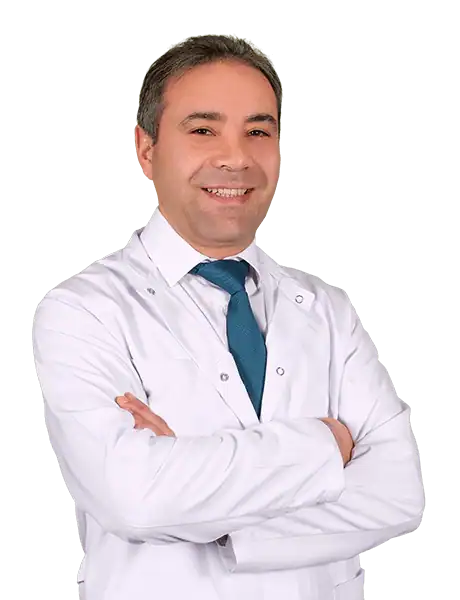
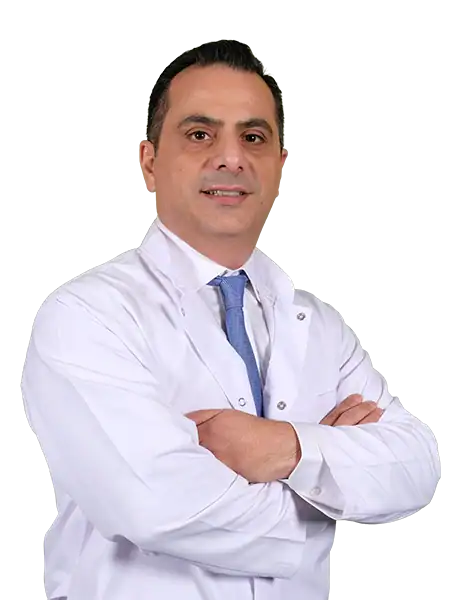
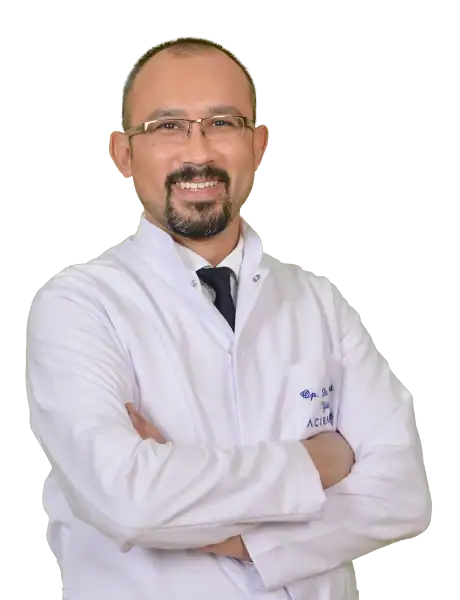
Your care involves a multidisciplinary transplant team — transplant surgeons, physicians specializing in the relevant organ, anesthesiologists, intensive-care specialists and specialist nurses — working within the hospital group. The physicians who lead this unit are listed on the doctors page, and care is delivered across Acıbadem’s accredited hospitals, which maintain international quality and safety standards and provide the intensive care that transplantation requires.
The international patient journey
Transplantation is a major undertaking, and the unit is organized to support international patients through a complex journey.
1. Remote review
You begin by sharing your medical history and the details of your condition. The team reviews them and advises on whether transplant assessment may be appropriate, and a second opinion is available. The strict requirements governing transplantation are explained from the outset.
2. Comprehensive assessment
If appropriate, a thorough assessment determines suitability and safety, carried out by the multidisciplinary team, with the patient prepared and fully informed about the journey.
3. Surgery and intensive care
A dedicated coordinator supports the practical aspects, interpreting and logistics, and the transplant is carried out by experienced teams with intensive post-operative care.
4. Lifelong follow-up
You receive a clear plan for the lifelong follow-up that transplantation requires, coordinated with care at home, and the team remains involved. To begin, request an online consultation.
Why patients choose Acıbadem for transplantation
Acıbadem International offers experienced multidisciplinary transplant teams, rigorous assessment, expert surgery, intensive post-operative care, lifelong follow-up, and full adherence to the strict requirements governing transplantation — all within accredited hospitals. For patients facing organ failure, the depth of coordinated expertise across every stage of this complex journey is exactly what such a serious undertaking demands. The unit provides transplantation with the seriousness, expertise and long-term commitment it requires, with the depth of a leading medical system behind it.
What to expect and practical notes
Transplantation is a complex, multi-stage journey involving rigorous assessment, surgery, intensive care and lifelong follow-up, and the unit is honest about this from the outset. The assessment is thorough because it determines whether transplantation is suitable and safe, and follow-up continues for life. Transplantation is governed by strict medical, ethical and legal requirements, which the unit follows fully and explains clearly. For international patients, the unit provides a clear plan and coordinates follow-up with care at home. Throughout, the focus is on safe, successful transplantation and the long-term health of the patient.
Coordinated care across the journey
Transplantation draws on many areas of medicine, and being part of a large hospital group means every aspect is covered. Surgery is supported by surgical expertise; liver transplantation works with gastroenterology; kidney transplantation with urology and nephrology; heart conditions and intensive care are supported by the relevant teams; and any other health conditions are managed within the same group. This means a transplant patient’s care is fully coordinated across every stage and every need, which is essential for an undertaking as complex as transplantation. For patients, this depth and coordination of care is the foundation of a safe, successful outcome.
Understanding the transplant journey
Organ transplantation is one of the most complex undertakings in medicine, and understanding the journey helps patients and families approach it with clarity. It begins with a thorough assessment to determine whether transplantation is appropriate and to prepare the patient as fully as possible. The transplant itself is a major operation, followed by carefully managed recovery in intensive care and then a period of close monitoring. Beyond this, transplantation involves lifelong follow-up and treatment to protect the transplanted organ. Each stage is demanding and important, and the unit guides patients and families through them with clear explanation and support. Transplantation is carried out within a strictly regulated, ethical framework, and the unit’s role is to provide expert, coordinated care throughout this long journey, recognizing that it is one of the most significant experiences a patient and their family can go through.
Life after a transplant
A transplant is not the end of the journey but the beginning of a new phase, and life afterwards involves careful, lifelong care to protect the transplanted organ and maintain health. Patients take treatment to support the body’s acceptance of the organ and are monitored closely over time, with the plan adjusted as needed. Good long-term care can allow many transplant patients to return to fuller, healthier lives, and the unit supports them in doing so. For international patients, the unit provides a clear plan for the follow-up and treatment that must continue after they return home, coordinating with their own doctors so that this essential ongoing care is maintained. The emphasis on life after transplant reflects the understanding that the long-term result depends as much on the careful management of the years that follow as on the operation itself.
Why a coordinated, experienced program matters
Transplantation depends on bringing together many specialties — surgery, the medicine of the relevant organ, intensive care, and others — and on the experience of a dedicated program, which is why being part of a large hospital group matters so much. The complexity of transplantation, from assessment through surgery to lifelong follow-up, requires close coordination between teams and the resources of a full hospital with intensive care. The unit works as a coordinated multidisciplinary program, drawing on related specialties such as gastroenterology, urology and general surgery as relevant to the organ involved. For patients and families facing transplantation, the reassurance of an experienced, coordinated program — within a strictly regulated and ethical framework — is exactly what such a demanding journey requires.
Frequently asked questions
Can my case be reviewed before I travel?
Yes. You can share your medical history and the details of your condition for a remote review, and the team will advise on whether transplant assessment may be appropriate, including a second opinion, with the strict requirements governing transplantation explained from the outset.
Which organs does the unit transplant?
The unit’s work includes kidney and liver transplantation, together with the comprehensive assessment, surgery and lifelong follow-up that transplantation requires.
Why is transplantation so complex?
It involves rigorous assessment, complex surgery, intensive post-operative care and lifelong management, each requiring specialized expertise, which is why it can only be delivered well by an experienced multidisciplinary team in a fully equipped hospital.
What does the transplant assessment involve?
A thorough evaluation of your overall health and the failing organ, consideration of the suitability and safety of transplantation, and careful preparation, carried out by the multidisciplinary team to ensure transplantation is the right path.
Is transplantation governed by strict rules?
Yes. Transplantation is governed by strict medical, ethical and legal requirements, which the unit follows fully. These requirements and any matters relating to organ donation are addressed thoroughly during assessment.
Who is involved in my care?
A multidisciplinary team including transplant surgeons, physicians specializing in the relevant organ, anesthesiologists, intensive-care specialists and specialist nurses, all working together through every stage.
Why is intensive care so important?
The period immediately after transplantation is critical, requiring close monitoring as the new organ begins to function and the body adjusts. Expert intensive care during this period is essential to a successful outcome.
Will I need follow-up for life?
Yes. Transplantation requires lifelong follow-up, including ongoing medication and careful monitoring to protect the transplanted organ. The unit provides a clear plan that can be coordinated with care at home.
Will my other health conditions be managed?
Yes. Being part of a large hospital group means any other health conditions are managed by the relevant specialists as part of your coordinated transplant care.
Can I get a second opinion?
Yes. The team can review your case and provide an honest second opinion on whether transplant assessment is appropriate and on your situation.
How long is the transplant journey?
Transplantation is a complex, multi-stage journey, and the timeline depends on the individual situation. The unit explains the stages and what to expect clearly, and is honest about the commitment involved, including lifelong follow-up.
Is care coordinated across all stages?
Yes. Care is fully coordinated by the multidisciplinary team across assessment, surgery, intensive care and lifelong follow-up, which is essential for an undertaking as complex as transplantation.
Can I receive care in my own language?
Yes. The international patient coordinator arranges interpreting and supports you through the practical and clinical steps of this complex journey.
Will follow-up be coordinated with my care at home?
Yes. The unit provides a clear plan for lifelong follow-up that can be coordinated with care at home, recognizing that long-term management is an essential part of transplantation.
Is care delivered to high standards?
Yes. Transplantation is delivered by experienced multidisciplinary teams in accredited hospitals that maintain international quality and safety standards and provide the intensive care that transplantation requires.
Can my case be reviewed before I travel?
Yes. Relevant reports can be reviewed remotely so that the team can advise on whether transplantation may be appropriate and what assessment would be needed, before any travel is considered.
Is transplantation carried out within an ethical framework?
Yes. Transplantation is carried out within a strictly regulated, ethical framework, and the unit’s role is to provide expert, coordinated care throughout the journey.
Why is transplantation so complex?
Transplantation involves thorough assessment, major surgery, carefully managed recovery in intensive care, and lifelong follow-up, requiring close coordination between many specialties and the resources of a full hospital.
What does life after a transplant involve?
Life after a transplant involves lifelong care to protect the transplanted organ, including treatment and close monitoring, with the plan adjusted over time. Good long-term care can allow many patients to return to fuller lives.
Will follow-up continue after I return home?
Yes. The unit provides a clear plan for the follow-up and treatment that must continue after you return, coordinating with your own doctors so that this essential ongoing care is maintained.
Why does an experienced program matter?
The complexity of transplantation requires a dedicated, coordinated program with related specialties and intensive care, and the experience of an established team, which is why being part of a large hospital group matters.
Will my family be supported through the journey?
Yes. Transplantation is a significant experience for patients and families, and the unit guides them through each stage with clear explanation and support, alongside practical coordination.
Can I receive care in my own language?
Yes. The international patient coordinator arranges interpreting and supports you and your family through the journey, so you understand each stage of this demanding process.
How long is the journey from assessment to recovery?
Transplantation is a long journey, from thorough assessment through major surgery and carefully managed recovery to lifelong follow-up. The unit explains the realistic timeline at each stage and guides patients and families throughout, since each stage is demanding and important.
Will a companion or family be supported during the journey?
Yes. The international patient coordinator helps with practical arrangements so that family can be present, recognizing that transplantation is a significant experience for the whole family, who are supported alongside the patient throughout.
Will the intensive-care resources be there if needed?
Yes. Transplantation requires the resources of a full hospital with intensive care, and being part of a large accredited hospital group means this support, and the relevant specialists, are available throughout the demanding stages of the journey.
Will I understand each stage of my care?
Yes. The unit guides patients and families through each stage with clear explanation and support, so that you understand the assessment, the surgery, the recovery and the lifelong follow-up that transplantation involves.
Will documentation and a plan be provided for ongoing care?
Yes. Because transplantation requires lifelong follow-up, the unit provides clear documentation and a detailed plan for the treatment and monitoring that must continue, coordinating with your own doctors so that this essential ongoing care is maintained after you return home.
Can I receive care in my own language throughout?
Yes. The international patient coordinator arranges interpreting and supports you and your family through every stage of the transplant journey, from assessment through surgery and recovery to lifelong follow-up, so that you understand this demanding process clearly at each step.
This page provides general health information about the services of this unit and is not a substitute for personal medical advice. Transplantation is governed by strict medical, ethical and legal requirements; suitability and any treatment plan are determined after individual assessment by qualified specialists.
Treatments in Organ Transplantation
Specialists in this Unit

Speak with our medical team
Share your case and our international patient team will guide you to the right specialist — free of charge.