

Will You Need a Companion? A Practical Decision Guide

Medically reviewed by the Acıbadem clinical team — June 13, 2026
Whether you travel alone or with someone, the right setup depends on your mobility, comfort, language needs, and the type of care you are receiving. This guide helps you think it through in a practical way so you can plan a smoother stay with fewer surprises.
At a glance
- Best for: Patients deciding whether they need personal support while receiving care abroad
- Main factors: Mobility, pain control, communication needs, daily living tasks, and emotional comfort
- If you travel alone: You may still be fine if you can move safely, manage medications, and follow instructions independently
- If you travel with someone: A companion can help with transport, paperwork, meals, and recovery routines
- Acibadem support: International patient services, interpreters, travel help, and coordinated hospital logistics
How to think about the question before you book
The most useful way to ask this is not “Should I bring someone?” but “What will I need help with, from the airport to the first few days after treatment?” If you can answer that clearly, the decision becomes much easier.
Some patients are comfortable handling appointments, medications, and everyday routines on their own. Others feel more secure with another person nearby, especially if they are anxious about language barriers, movement after treatment, or navigating an unfamiliar city. Neither choice is automatically right or wrong.
At Acibadem Health Point, the team can help you map out the practical side of the trip before you arrive, including transfer needs, interpreter support, and what level of independence is realistic for your planned stay. That early planning often matters more than bringing a companion simply “just in case.”
When traveling alone may be enough
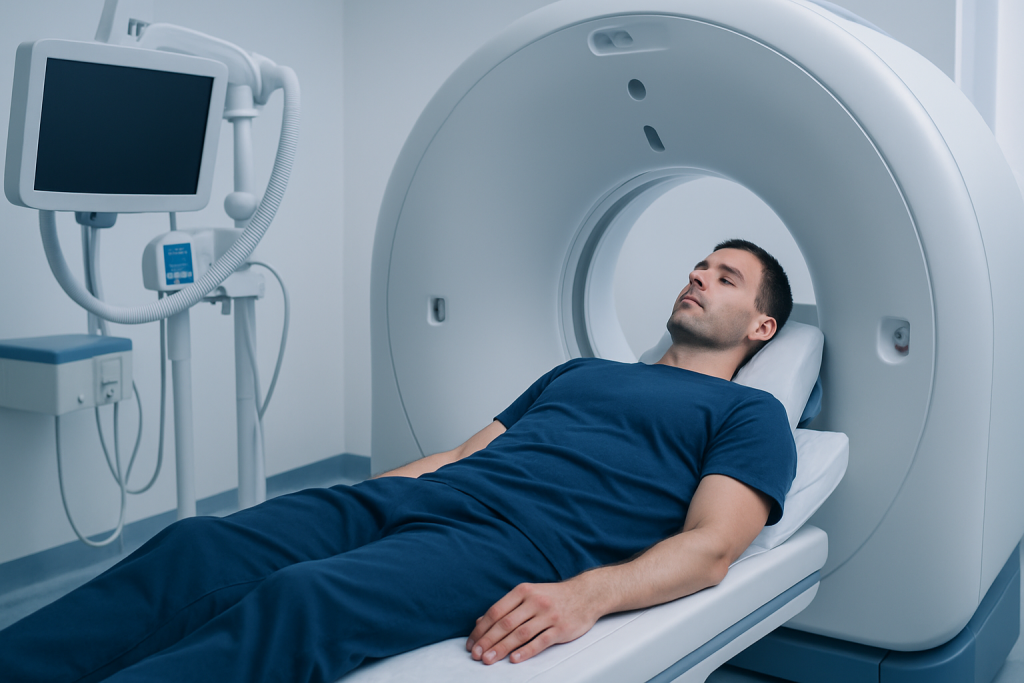
You may not need a companion if you can walk safely, get in and out of a vehicle without help, take medications on schedule, and understand your instructions well enough to follow them on your own. This is often the case for patients coming for consultations, many day procedures, or treatment that does not significantly affect mobility.
It also helps if you are comfortable asking for support when needed. International patient services at Acibadem Health Point can assist with arrival logistics, interpretation, and coordination so that you are not trying to manage everything from scratch in a new environment.
Traveling alone can work well when you prefer privacy, have a simple schedule, and expect a short stay. Even then, it is wise to build in extra time after appointments so you are not rushing between the hospital, hotel, and airport.
Situations where a companion can make the trip easier

A companion is often helpful if you expect reduced mobility, tiredness, pain, dizziness, or temporary limitations that make everyday tasks harder. This can include help with luggage, standing in lines, transferring between bed and chair, or remembering timing for medications and follow-up visits.
Language is another practical reason. Even when interpreters are available, some patients feel calmer if a trusted person is with them to take notes, ask follow-up questions, and help process instructions once they are back at the hotel.
Emotional support matters too. If you tend to feel overwhelmed in medical settings, or if the procedure and recovery period are likely to feel stressful, having a companion can make the experience more manageable and less isolating.
- Limited mobility or need for physical assistance
- Need for help with personal care or daily tasks
- Higher anxiety around hospitals or travel
- Complex treatment schedules or multiple appointments
- Need for help translating or remembering instructions
What a companion can realistically help with
A companion is not there to replace the medical team. Their role is practical: helping you move around, keeping track of documents, supporting meals and rest, and making the trip less tiring.
They may also be useful before discharge, when instructions can feel like a lot to absorb at once. A second set of ears is valuable for medication timing, wound care reminders, warning signs to watch for, and the plan for your first follow-up.
Acibadem Health Point’s international patient services can coordinate many of the pieces that a companion might otherwise handle, such as airport transfers, hotel coordination, and interpreter arrangements. That means even if you travel alone, you still have structured support built into the journey.
Questions to ask your care team before deciding
Before you commit to traveling alone or with someone, ask how much help you are likely to need in the first 24 to 72 hours. That time frame is usually the clearest indicator of whether a companion would be useful.
It is also worth asking whether you will have any movement restrictions, whether you will be able to manage stairs or luggage, and whether you should expect to feel drowsy or less steady after your treatment. Small details can change the answer.
If you are arranging care through Acibadem Health Point, the international team can help you understand what is expected of you during the stay so you can make a realistic plan. In many cases, the best decision is based on your actual needs rather than a general rule.
- Will I need help walking, dressing, or bathing?
- Can I manage my medications independently?
- Will I be able to use public transport or should I arrange private transfers?
- Do I need someone to stay with me overnight?
- How should I plan the first two days after discharge?
If you do bring someone, plan for the trip itself
If you decide to travel with a companion, make the arrangement specific. Clarify who will carry documents, who will manage the hotel check-in, and who will contact the hospital if there is a change in timing. Small misunderstandings are easier to avoid when responsibilities are clear before departure.
Your companion should also know that hospital routines can involve waiting periods, privacy rules, and times when they may be asked to step out of the room. This is normal and helps the clinical team work safely and respectfully.
For international patients, Acibadem Health Point can support the practical side of a shared trip too, from arrival planning to language assistance. That helps your companion focus on supporting you instead of trying to solve logistics alone.
A companion is helpful, but not always essential
There is a common assumption that every patient traveling abroad needs someone by their side. In reality, many people do very well independently when the plan is well organized and the hospital stay is straightforward.
The deciding factors are usually ordinary and personal: how steady you feel, how much help you want with daily tasks, and how much reassurance you need when you are far from home. A companion can be a comfort, but structured patient services can also provide a strong safety net.
The goal is not to follow a trend; it is to set up a stay that feels safe, manageable, and calm for you. When in doubt, ask for a tailored view of your trip rather than relying on generic advice.
Step by step
- List the tasks you may struggle with. Think through walking, lifting bags, remembering medication times, understanding instructions, and getting to appointments. If more than one of these feels difficult, a companion may be worth considering.
- Check the first 48 hours after treatment. The period right after treatment often determines how much help you need. If you expect fatigue, pain, or limited mobility, having someone with you can reduce stress.
- Ask about interpreter and patient support options. Language support can change the decision. If you will have access to interpreters and coordinated assistance through Acibadem Health Point, you may need less hands-on help from a companion.
- Decide who can truly support you. A good companion is calm, reliable, and available for the full trip. Choose someone who can manage logistics without becoming another source of stress.
- Plan for rest, transport, and discharge. Do not leave recovery travel as an afterthought. Arrange transfer details, hotel access, and discharge timing before you arrive so the return to your accommodation is smooth.
- Prepare a backup plan. Even if you travel with someone, expect that plans can change. Keep hospital contact details, travel documents, and key instructions in one easy-to-reach place.
Your checklist
- I know whether I can walk, dress, and manage luggage safely on my own
- I have asked how much help I may need in the first 1-3 days after treatment
- I understand whether I will need interpreter support
- I know who will handle airport, hotel, and hospital transfers
- I have a plan for medications and follow-up instructions
- I have considered whether anxiety or fatigue makes a companion helpful
- I have shared emergency contact details with someone back home
- I know what support Acibadem Health Point can provide during my stay
Key takeaways
- You do not automatically need a companion just because you are traveling for treatment.
- Mobility, medication management, and the first 48-72 hours are the biggest decision points.
- Interpreter support and coordinated logistics can reduce the need for hands-on help.
- A companion is most useful for practical support, not medical decision-making.
- Planning ahead is the safest way to choose the right setup for your trip.
Frequently asked questions
Do I always need to bring someone with me for treatment abroad?
No. Many patients travel independently when they can move safely, follow instructions, and manage daily routines without help. The right answer depends on your treatment, your comfort level, and how much support you expect to need after the appointment or procedure.
What if I speak limited Turkish or English?
Limited language ability does not automatically mean you need a companion. Acibadem Health Point can arrange interpreter support so you can communicate clearly with the hospital team. That can make solo travel much more practical.
Is a companion more important for surgery than for a consultation?
Usually, yes, because surgery or more intensive treatment can temporarily affect mobility, energy, and concentration. For many consultations or simpler visits, patients may be able to travel alone with a well-organized plan.
Can my companion stay with me in the hospital?
That depends on the hospital policy, your clinical needs, and the type of room or unit involved. It is best to ask in advance so your companion knows what to expect and where they can be during your stay.
What should my companion know before we travel?
They should understand the schedule, luggage and transfer plan, basic contact numbers, and any instructions about privacy or recovery. It also helps if they know their role is to support your comfort and logistics, not to interpret medical advice on their own.
How does Acibadem Health Point help if I travel alone?
The international patient team can help with arrival coordination, interpreter support, and practical guidance during your stay. That means you can have a structured support system even if you do not bring a personal companion.
More Patient Guides

Hospital Room Amenities and In-Stay Essentials
Know what to expect from your hospital room, what to pack, and how Acibadem Health Point supports a comfortable stay in Turkey.
8 min read
Pre-Admission Guide for International Patients in Turkey
Plan your hospital admission in Turkey with confidence: documents, timing, packing, language support, companions, and what Acibadem Health Point helps arrange.
8 min read
What to Bring for a Hospital Stay in Turkey
Pack confidently for your hospital stay in Turkey with this practical checklist, travel tips, and what Acibadem Health Point can help arrange.
8 min readRelated Specialists

Dyt. Burcu Akbeyaz
Nutrition & Diet
Assoc. Prof. Dr. Bahadir Osman Bozkirli
General Surgery
Assoc. Prof. Dr. Ayşenur Özderya
Endocrinology
Assoc. Prof. Dr. Ayşe Ebru Bahadır
Ophthalmology