

Second Opinion, Same Trip: When It Makes Sense to Travel

Traveling for a second opinion can save time. Learn when a same-trip review makes sense and how to plan it safely and calmly.
Medically reviewed by the Acıbadem clinical team — June 13, 2026
If you are already considering care abroad, a second opinion can sometimes fit into the same trip without adding much complexity. This guide helps you judge when it makes sense, what to prepare, and how Acibadem Health Point can support the logistics around your visit.
At a glance
- Best for: People who already have imaging, test results, or a recommended treatment plan and want confirmation before moving forward
- Typical timing: Often arranged before travel, so your consultation can be efficient once you arrive
- What to bring: Medical records, imaging files, medication list, questions, and travel documents
- What it helps with: Clarifying diagnosis, comparing treatment options, and reducing uncertainty
- Support available: International patient coordination, interpreter support, and help with travel or accommodation planning
When a second opinion is worth the trip
Traveling for a second opinion makes the most sense when the answer you have at home still feels incomplete, the proposed treatment is major, or timing matters and you do not want to lose weeks waiting for another appointment. If you are already planning to travel for treatment, adding a second review can help you move forward with more confidence and fewer unknowns.
You may also benefit when your case is complex, involves multiple specialties, or when different doctors have given different recommendations. In those situations, a fresh review by another multidisciplinary team can help you understand whether the plan is truly the best fit for your goals, lifestyle, and travel timeline.
At Acibadem Health Point, international patients often use the pre-arrival process to decide whether a second opinion should be scheduled on the same trip. Because the hospitals are JCI-accredited and supported by coordinated specialist teams, the review can be organized around the information you already have, rather than starting from zero once you land.
How to tell if the timing is right
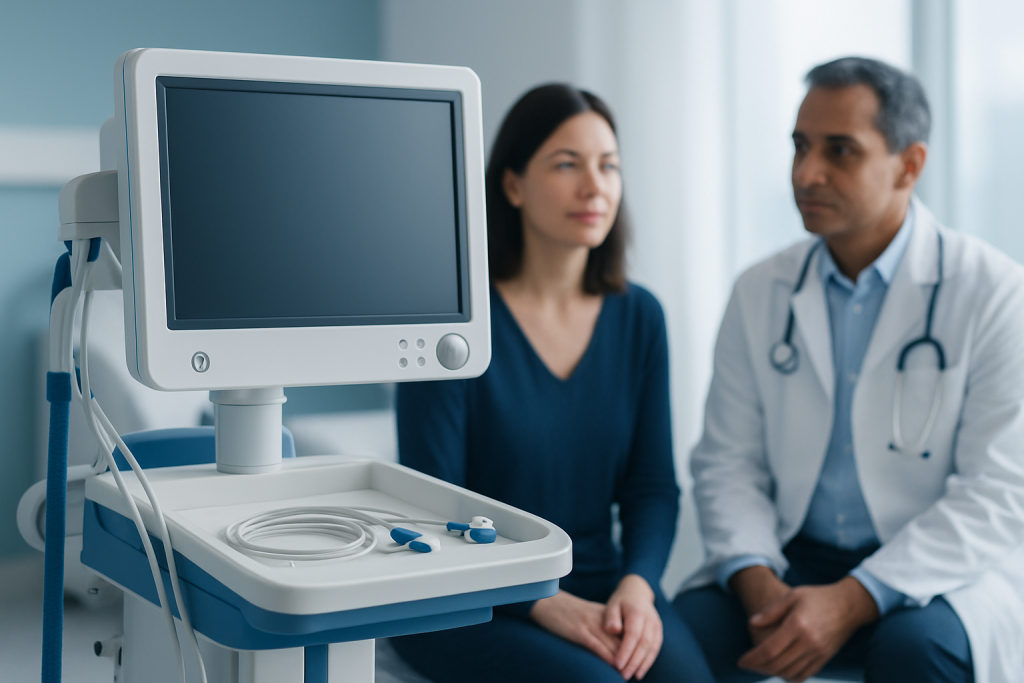
The right time to travel for a second opinion is usually before you commit to a procedure, surgery, or long treatment course. If you are still comparing options, it is often easier to do that from a distance first, then travel once you know what question you are asking in person.
It can also be sensible when your current doctor has suggested watching and waiting, but you are uncomfortable with uncertainty. A second opinion does not have to mean changing direction; sometimes it simply confirms that the original plan is reasonable and helps you proceed with less stress.
Think about the timing in practical terms: do you have enough flexibility to wait for records to be gathered, do you have a safe window for travel, and can you stay long enough to complete the consultation and any required tests? If the answer is yes, the same trip approach may be efficient and reassuring.
- Good timing: before a major decision, before surgery, or before starting a long treatment plan
- Less ideal timing: when you have no records, no travel flexibility, or an urgent issue that needs immediate local care
- Worth extra planning: when you need imaging review, specialist input, or more than one appointment
What to prepare before you leave home

The value of a second opinion depends heavily on the quality of the information you bring. The more complete your records are, the more useful the review can be once you arrive, because the doctor can focus on interpretation and options rather than hunting for missing details.
Try to gather recent reports, imaging files on disc or digital link, pathology results if applicable, medication names and doses, allergy information, and a short timeline of your symptoms or previous treatments. If you have questions written down in advance, you will make better use of the consultation time and reduce the chance of forgetting something important.
Acibadem Health Point can help you organize this material before travel, which is especially useful if your records are in different formats or languages. If needed, interpreter support can also help bridge communication during the visit so you can focus on understanding your options clearly.
- Recent medical reports and discharge summaries
- Imaging files and written interpretations
- Lab results and pathology reports
- Medication list, including supplements
- Passport, visa if needed, and travel insurance details
What a same-trip second opinion can clarify
A second opinion is most valuable when it turns a vague plan into a clearer one. You may leave with confirmation that the original recommendation still stands, a better explanation of why that recommendation fits, or a different treatment pathway that better matches your needs.
It can also help you separate what is essential from what is optional. That matters when you are traveling internationally, because the best decision is not only the most clinically appropriate one, but also the one you can realistically manage in terms of time, recovery, companion support, and follow-up after you return home.
In a well-prepared consultation, you should expect a structured conversation about your history, current concerns, and the next steps that may or may not include further tests. If more than one specialty should weigh in, a coordinated team approach can be more efficient than arranging separate opinions across different places and dates.
How to make the trip easier on yourself
When you are traveling for a second opinion, the goal is to reduce friction. That usually means arriving with enough time to settle in, allowing for possible extra testing, and choosing accommodation that does not make the day feel rushed or exhausting.
Plan for the ordinary travel details as carefully as you plan for the medical ones. A simple schedule, easy transport from the airport, nearby lodging, and a companion if you need help remembering details can make the experience feel far more manageable.
Acibadem Health Point’s international patient services are designed around exactly these kinds of practical needs. That can include guidance on appointment timing, interpreter coordination, and support with travel or accommodation logistics so your visit feels organized rather than pieced together from afar.
After the opinion: deciding what to do next
The second opinion is not the end point; it is the moment when your next decision becomes more informed. Before you travel home, make sure you understand whether any additional tests are needed, how soon a decision should be made, and what follow-up will happen once you leave Turkey.
If the new plan differs from what you were first told, ask for the reasoning in plain language and request copies of any reports or recommendations you will need later. Clear documentation matters because your local doctor may need it to continue care smoothly after you return.
Even when the answer is simply reassurance, that outcome has value. Knowing that you have checked the plan with another specialist team can make it easier to move ahead without lingering doubt, especially if you have a complicated condition or a significant procedure in front of you.
Step by step
- Collect your records early. Start with imaging, reports, medication details, and a brief summary of your medical history. If anything is missing, ask for it before you book travel so the consultation can be meaningful from the start.
- Define the question you want answered. Be specific about what you want from the second opinion: confirmation, alternatives, or clarification of risk and recovery. A focused question helps the specialist team give you a better answer in a shorter appointment.
- Share your documents before you fly. Send your records in advance if possible so the team can review them and plan the visit efficiently. This is especially helpful when you are traveling to Acibadem Health Point from another country and want to avoid unnecessary delays.
- Plan for enough time on the ground. Leave space in your itinerary for possible imaging review, lab work, or a follow-up discussion. Rushing the trip can make even a good consultation feel incomplete.
- Bring a practical companion if needed. If you may need help remembering details, ask someone to travel with you. A companion can also help with transport, translation support, and keeping track of instructions after the appointment.
- Get your next-step documents before you leave. Before heading home, make sure you have copies of reports, recommendations, and any future test instructions. That paperwork will be important if you continue care locally or return later for treatment.
Your checklist
- Medical reports and discharge summaries
- Imaging files or secure digital access
- Pathology results, if applicable
- Current medication list and allergies
- Written questions for the specialist
- Passport and travel documents
- Accommodation and transport details
- Insurance and payment information
- A notebook or phone app for notes
Key takeaways
- A same-trip second opinion works best before you commit to major treatment.
- Good records are the difference between a general conversation and a useful medical review.
- Time on the ground matters; leave room for tests, interpretation, and follow-up.
- Clear next-step documentation helps your local doctor continue care after you return.
- Acibadem Health Point can support international patients with coordination, interpreters, and travel logistics.
Frequently asked questions
When does it make sense to travel for a second opinion?
It makes the most sense when you already have records, are considering a significant treatment decision, or want a specialist team to review a plan before you proceed. It is less helpful if you have no documents ready or need immediate local emergency care.
Should I ask for a second opinion before or after booking my trip?
Usually, it is better to ask before you travel so the team can review your records and make the consultation efficient. That also helps you decide how much time to set aside and whether any extra tests should be expected.
What if my records are incomplete?
Bring what you have and ask your current providers for the missing items as soon as possible. Even partial records can be useful, but the more complete the file, the more confident and specific the review can be.
Can a second opinion simply confirm the first plan?
Yes, and that can still be very valuable. Confirmation can reduce uncertainty and help you move forward with a treatment decision feeling more settled.
Will I need more than one appointment?
Sometimes you will, especially if your case needs imaging review, lab testing, or input from more than one specialty. Acibadem Health Point can help coordinate the visit so you know what to expect before you arrive.
How do I prepare if I do not speak Turkish?
Let the international patient team know in advance so interpreter support can be arranged where needed. Bringing your questions in writing also helps ensure the consultation stays clear and practical.
What should I do after I get the second opinion?
Ask for written recommendations and any next-step instructions before you leave. Keep those documents with your medical records so your local doctor or future care team can follow the plan without confusion.
Add us as a Preferred Source to see more of our trusted health content across Google Search, AI Overviews and Discover.
More Patient Guides

What Companions Should Know Before Surgery in Turkey
Know how to support a loved one before surgery in Turkey, from travel and paperwork to hospital routines, rest, and communication.
8 min read
Special Needs Travel Checklist Before Surgery in Turkey
Plan a smoother surgery trip to Turkey with a practical special needs checklist for mobility, documents, medications, and support needs.
8 min read
Travel Insurance for Treatment in Turkey
Plan treatment in Turkey with confidence: learn how travel insurance works, what to check, and how to prepare for medical travel.
8 min read
