

Hotel or Hospital for Recovery: How to Decide

Medically reviewed by the Acıbadem clinical team — June 13, 2026
Choosing between a hotel and a hospital for recovery is less about comfort alone and more about how much support you still need. This guide helps you weigh your symptoms, mobility, medication, and travel plans so you can make a safe, practical decision.
At a glance
- Best for hospital recovery: Unstable symptoms, new medication, drains, oxygen, or close monitoring
- Best for hotel recovery: You are medically stable and able to manage basic self-care with light support
- Key question: Can you safely handle the first 24–72 hours away from clinical staff?
- Travel factor: Shorter, simpler trips are easier if you are still tired or limited in movement
- Support available: Acibadem Health Point can help coordinate discharge, interpreters, transfers, and aftercare planning
Start with your real level of support needs
The first decision is not “hotel versus hospital” in the abstract. It is whether you need a setting where someone can quickly check your recovery, respond to symptoms, and help you manage everyday tasks without much effort on your part.
If you are still dizzy, in significant pain, unsteady on your feet, or unsure how to manage your medication schedule, a hospital stay or extended medical supervision may be the safer choice. If you are comfortable moving around, eating, drinking, using the bathroom, and following your instructions without help, a hotel may be enough once your care team says you are ready.
A useful way to think about it: hospital recovery is for monitoring, hotel recovery is for rest. Some people need both at different stages, especially after surgery or procedures that require a few days of close observation before they can move to a quieter setting.
When a hospital stay makes more sense
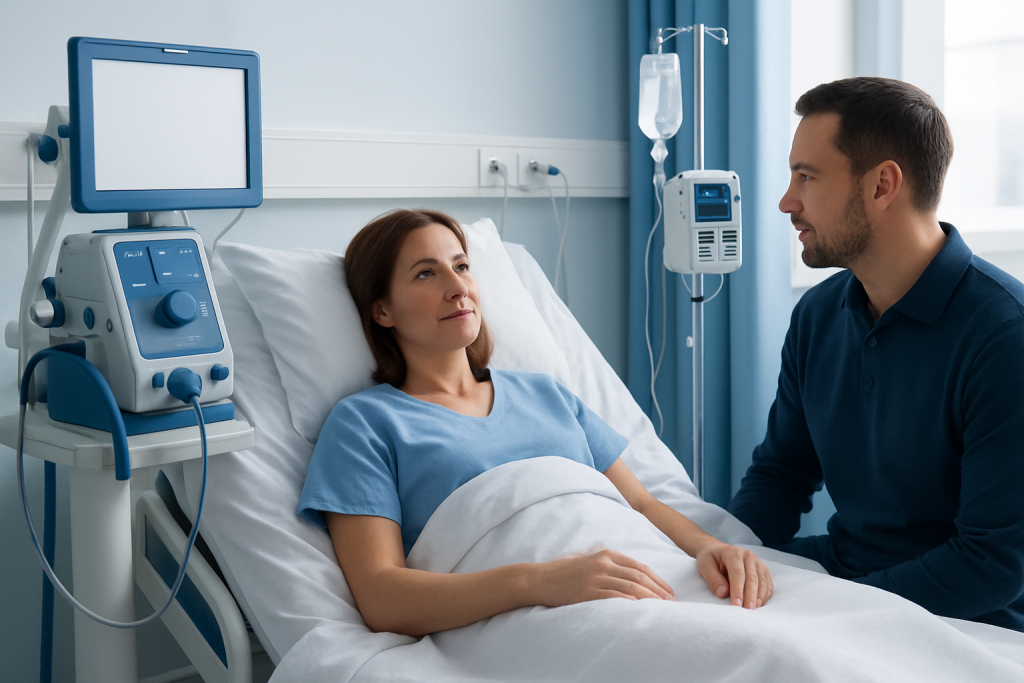
You usually need hospital recovery if there is any chance you may need prompt medical attention. That includes ongoing bleeding, breathing concerns, severe nausea, fainting, fever, infection risk, wound care that still requires professional oversight, or new medications that need close watch.
Hospital recovery can also be the better option if your mobility is limited. If getting in and out of bed, walking to the bathroom, or carrying your belongings would be difficult, staying where nurses and caregivers are immediately available can reduce stress and lower the chance of avoidable problems.
For international patients, the hospital can also be the most practical place if you are still waiting for final discharge checks, instructions, or travel clearance. At Acibadem Health Point, international patient teams can help coordinate these last steps so you are not left trying to interpret discharge guidance in a rushed moment.
- You still need monitoring or regular vital checks
- Your wound, drains, or dressings need professional attention
- You are not yet confident walking, bathing, or managing medication on your own
- You have a long journey home and need a safer transition before travel
When a hotel can be the better rest setting

A hotel often works well when the medically important part of recovery is already under control. If you have been cleared for discharge, your pain is manageable, and your instructions are simple enough to follow, a quiet room can give you privacy, sleep, and a sense of normal life again.
Many patients prefer a hotel once they are past the most active phase of treatment because it feels calmer and more familiar than a hospital room. You may also have a companion staying with you, which can make meals, short walks, medication reminders, and transportation easier.
Even then, a hotel should be chosen carefully. Look for elevator access, an easy route to the bathroom, a bed height you can manage, and the ability to contact help if you feel unwell. If you are recovering after travel for care, Acibadem Health Point can help you think through hotel location and transfer timing so you are not trying to solve logistics while tired.
A hotel is usually a good fit when you can say yes to most of the following: you are stable, you can eat and drink normally, you can move safely, and you know exactly what to do if symptoms change.
What to check before you leave the hospital
Your discharge planning should be detailed enough that you can picture your next 48 hours. Do not leave with only a general sense that you will “rest and see how it goes.” Ask for clear written instructions on medications, wound care, activity limits, showering, warning signs, and follow-up timing.
Pay special attention to practical details. Can you take stairs? Do you need someone to help with bags? Will you be comfortable in a taxi, or do you need a more supportive transfer? Are you allowed to fly, and if so, when? These are not small questions; they are the difference between a smooth recovery day and a stressful one.
For international patients, language matters here too. If medical instructions are only partly clear, ask for a translator or a slower explanation before you go. Acibadem Health Point’s international patient services can help bridge that gap, which is especially useful when your follow-up care will continue after you leave Turkey.
How travel plans change the answer
Recovery choices should match your journey, not just your diagnosis. A short ride to a nearby hotel is very different from a long transfer, a flight, or a border crossing that demands hours of sitting still.
If you are flying soon after treatment, ask whether cabin pressure, reduced mobility, or luggage handling could affect you. Even simple movement can feel harder after anesthesia, sedation, or pain medication. In some cases, staying in the hospital a bit longer may be safer than moving too early into a hotel and then onto a plane.
On the other hand, if you are remaining in the city for a few days before travel, a hotel may give you the right balance of rest and flexibility. Acibadem Health Point can help arrange airport or local transfers, and that matters because the easiest recovery setting is the one that reduces unnecessary movement, confusion, and last-minute decisions.
Build a recovery space that actually works
Once you choose a hotel, treat the room like a temporary recovery base. Keep your medicines, water, phone charger, discharge papers, and emergency numbers within easy reach. Clear a bedside area so you do not have to bend, stretch, or search for items when you are tired.
Plan for sleep, meals, and bathroom trips. If you need ice packs, special dressings, or a particular diet, confirm that the hotel can support those needs or that your companion can manage them. Small details like room temperature, pillow support, and easy access to a lift can noticeably affect comfort during the first few days.
If you are recovering with Acibadem Health Point, ask the team which parts of aftercare must be done by a clinician and which can be done in a hotel with simple instructions. That distinction helps you avoid both overestimating and underestimating what is safe.
- Keep medications organized by time and dose
- Use one bag for discharge papers and follow-up notes
- Set reminders for hydration and medication
- Make sure your companion knows the warning signs that require help
Red flags that mean you should not switch to a hotel yet
Some recovery signs are not “wait and see” issues. If you have worsening pain, shortness of breath, new bleeding, a fever, vomiting that does not settle, confusion, or sudden weakness, you need medical advice before changing location.
You should also pause if you feel unable to care for yourself safely. That can mean you are too groggy to follow instructions, too shaky to stand, or too anxious to manage medications on your own. In those moments, a hospital or supervised setting is the right place to stay until you are steadier.
If you are unsure, ask directly whether you meet discharge criteria for hotel recovery. A clear answer is better than hoping a hotel room will feel easier once you get there. Safety first saves time, energy, and worry later.
How Acibadem Health Point fits into the decision
The best recovery plan is coordinated, not improvised. Acibadem Health Point can help you line up the pieces that matter most to an international patient: discharge timing, interpreter support, transfer arrangements, accommodation guidance, and follow-up planning.
Because Acibadem hospitals are JCI-accredited and work with multidisciplinary specialist teams, your care does not stop at the treatment room door. That is especially helpful when you are deciding whether you need a hospital night, a hotel room, or a step-down plan that includes both.
You should still make the final choice based on your symptoms and your clinician’s advice, but having a patient services team to coordinate the logistics can make the decision much clearer. It also reduces the chance that you will miss a medication, misunderstand a restriction, or travel before you are ready.
Step by step
- Ask for discharge criteria before you leave. Do not wait until the car is outside. Ask your care team what you must be able to do safely before staying in a hotel, and what symptoms would mean you need hospital supervision a little longer.
- Match the setting to the hardest part of your day. Think about the moment that feels most difficult: getting out of bed, taking medicine, walking, showering, or getting into a vehicle. Choose the recovery place that makes that hardest task safer and easier.
- Confirm the next 24–72 hours. Plan who will help you, where you will sleep, how you will eat, and how you will get back for follow-up if needed. A good plan is specific enough that someone else could follow it without guessing.
- Check travel timing and transport. If you are not staying in the hospital, confirm how you will reach the hotel and later the airport or next appointment. Keep travel short, simple, and pre-booked if you are still tired or limited in movement.
- Prepare your hotel room like a recovery space. Put medicines, water, charger, documents, and emergency numbers within reach before you rest. If you have a companion, make sure they know your instructions and what change in symptoms should trigger a call for help.
- Build in a follow-up plan. Know exactly when and how your next check-in will happen, especially if you are leaving Turkey soon. If anything is unclear, ask Acibadem Health Point to help translate the plan into practical steps you can actually follow.
Your checklist
- I have written discharge instructions I can understand
- I know whether I need monitoring, wound care, or help with mobility
- My hotel or hospital choice matches my current symptoms
- I have arranged transport that does not require too much walking or lifting
- My medicines are packed and labeled clearly
- I know the warning signs that mean I should seek medical help
- I have a contact number for follow-up questions
- My companion or travel partner knows the recovery plan
- My return travel date matches my recovery timing
- I understand what needs to happen before I can fly or travel long distance
Key takeaways
- A hotel is appropriate when you are medically stable and can manage basic self-care.
- A hospital is the safer option when you need monitoring, professional wound care, or quick response to symptoms.
- Your discharge instructions should be clear enough to follow without guessing.
- Travel distance, flights, and mobility limits can change the best recovery setting.
- International patient services can make hotel, transfer, and follow-up planning much easier.
- Acibadem Health Point can help coordinate the practical steps around your recovery, not just the treatment itself.
Frequently asked questions
How do I know if I am ready for hotel recovery?
You are usually ready when your symptoms are stable, your pain is controlled, and you can move around safely enough for basic daily tasks. You should also understand your medication schedule and know what warning signs require medical attention. If any part of that feels uncertain, ask your care team before leaving the hospital.
Is a hotel ever safer than staying in the hospital longer?
A hotel can be safer for rest once you no longer need medical monitoring, because it may give you quieter sleep and less exposure to hospital activity. That said, it is only a good choice if you are truly stable and have a clear plan for help if anything changes. The safest option is the one that matches your current needs, not the one that feels most convenient.
What should I ask before I leave the hospital for a hotel?
Ask whether you are cleared for travel, whether you need a companion, and how to manage medicines, wound care, and bathing. Also confirm when your follow-up will happen and what symptoms mean you should contact a clinician. Written instructions are especially helpful if you are recovering in another country.
Can Acibadem Health Point help with hotel recovery planning?
Yes. Acibadem Health Point can help coordinate discharge communication, interpreters, transfers, accommodation guidance, and follow-up planning for international patients. That support is useful when you want the logistics to match your medical instructions without confusion or delay.
What if I feel worse after moving to a hotel?
Do not ignore new or worsening symptoms. Contact your medical team or seek urgent help if you have bleeding, fever, breathing trouble, severe pain, confusion, or anything that feels out of control. A hotel is only appropriate when you can safely manage recovery outside a clinical setting.
Should I choose a hotel if I have a companion with me?
A companion can make hotel recovery much easier, but support from another person does not replace medical supervision when you still need it. If your symptoms are stable and you only need help with practical tasks, a companion may tip the balance toward a hotel. If you need monitoring or clinical care, you should stay in the hospital longer.
More Patient Guides

What to Bring for a Hospital Stay in Turkey
Pack confidently for your hospital stay in Turkey with this practical checklist, travel tips, and what Acibadem Health Point can help arrange.
8 min read
Hospital Room Amenities and In-Stay Essentials
Know what to expect from your hospital room, what to pack, and how Acibadem Health Point supports a comfortable stay in Turkey.
8 min read
Understanding Your Hospital Bill in Turkey
Learn what can appear on your hospital bill in Turkey, how estimates work, and how Acibadem Health Point helps you plan payment…
8 min read
